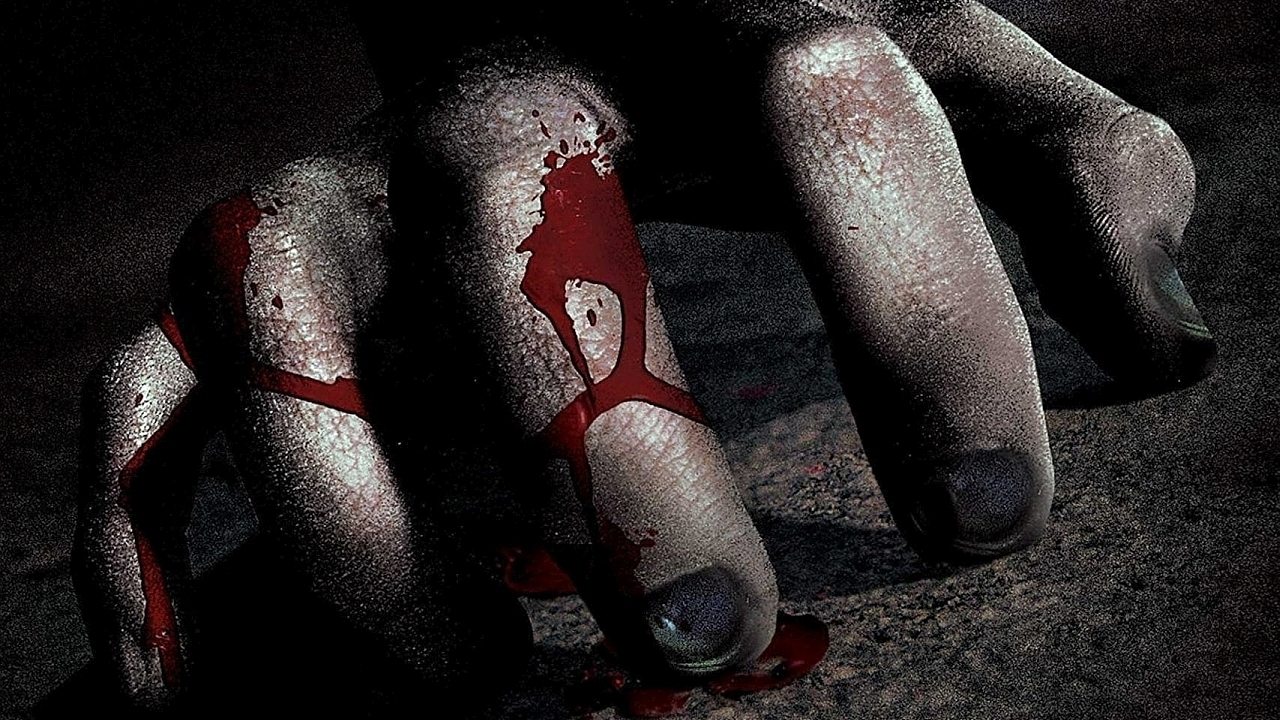
Few remember that Oliver Stone, the firebrand filmmaker who would later dissect American power structures in films like Platoon (1986) and JFK (1991), first truly flexed his directorial muscles with a strange, unsettling slice of psychological horror. 1981's The Hand isn't often mentioned alongside his more celebrated works, but lodged somewhere in the dusty corners of the video store, its stark cover art promised something deeply unnerving. And watching it late at night, on a flickering CRT, it delivered a peculiar kind of dread – the fear of losing not just a limb, but your very grip on reality.
An Artist's Severance
The premise is brutally simple, yet ripe for psychological exploration. Michael Caine, lending his considerable gravitas, plays Jon Lansdale, a successful comic book artist whose life orbits around his popular creation, "Mandro," a sort of sword-and-sorcery barbarian hero. His seemingly idyllic world – loving wife Anne (Andrea Marcovicci), young daughter, serene country home – is violently shattered during a roadside argument. A distracted truck driver, a moment of carelessness, and snap – Lansdale's drawing hand is severed in a freak accident. The hand is lost, unable to be reattached, and with it goes his career, his identity, and seemingly, his sanity.
Caine Descends
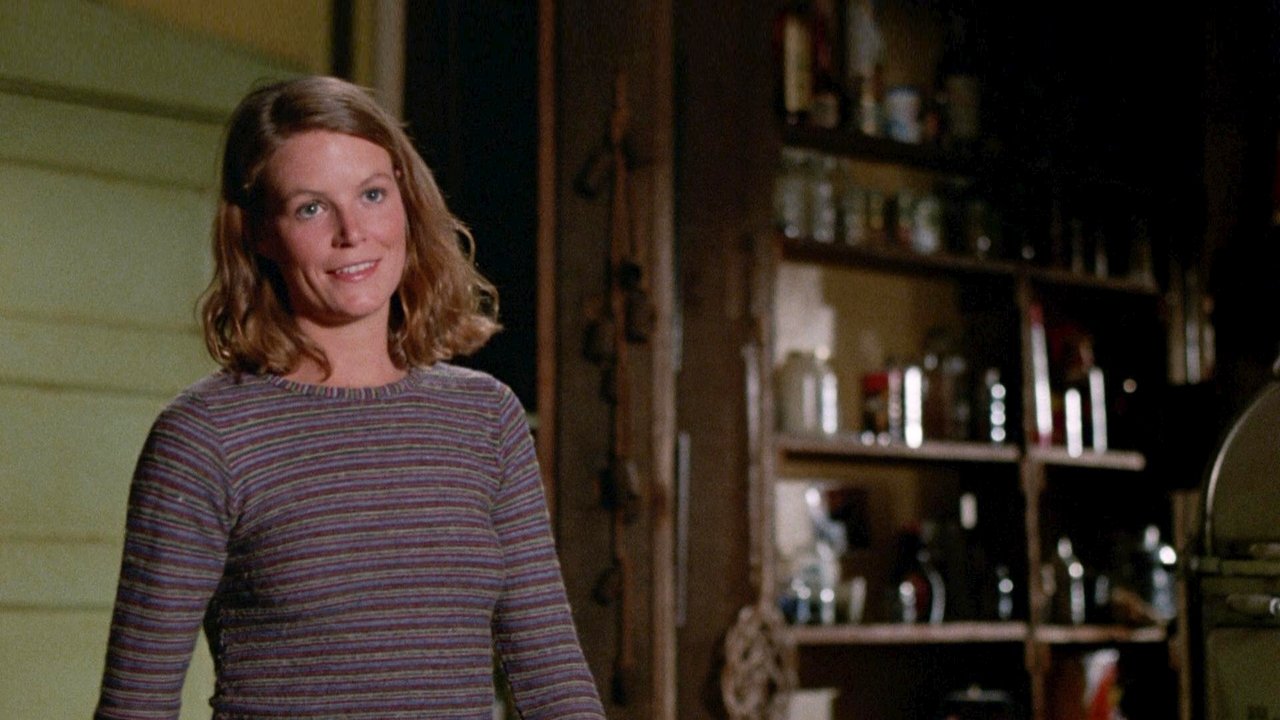
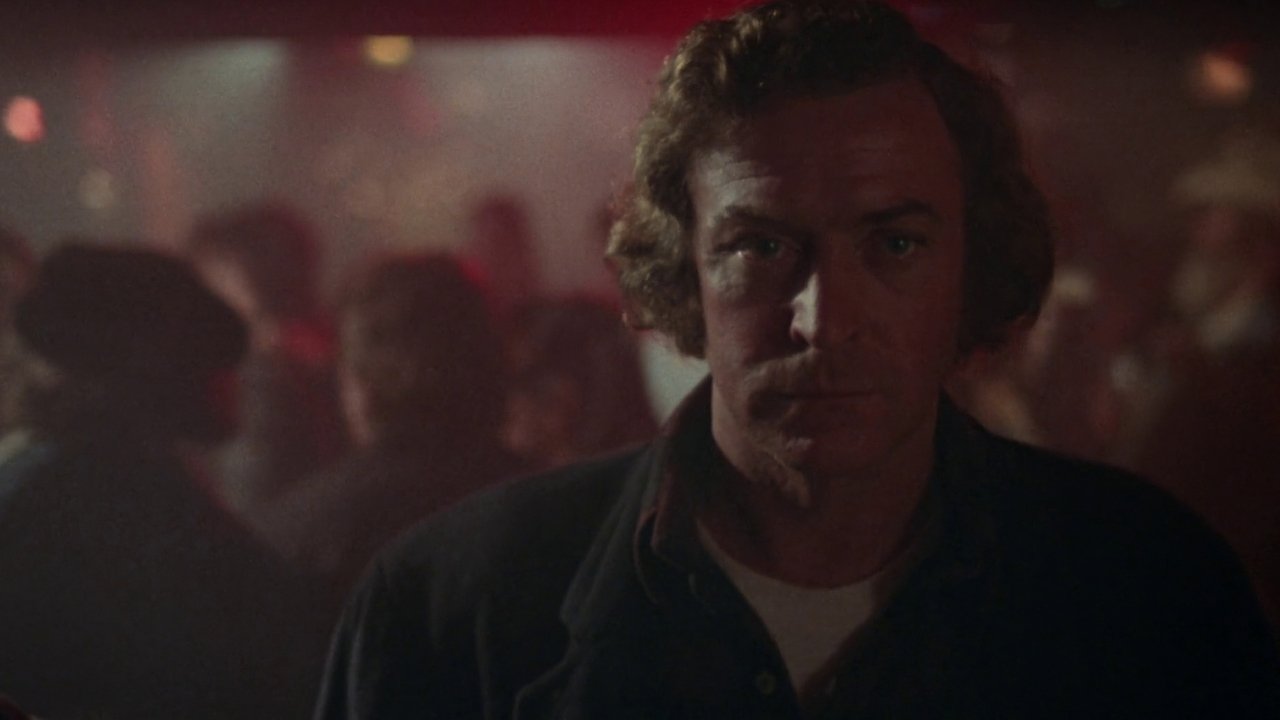
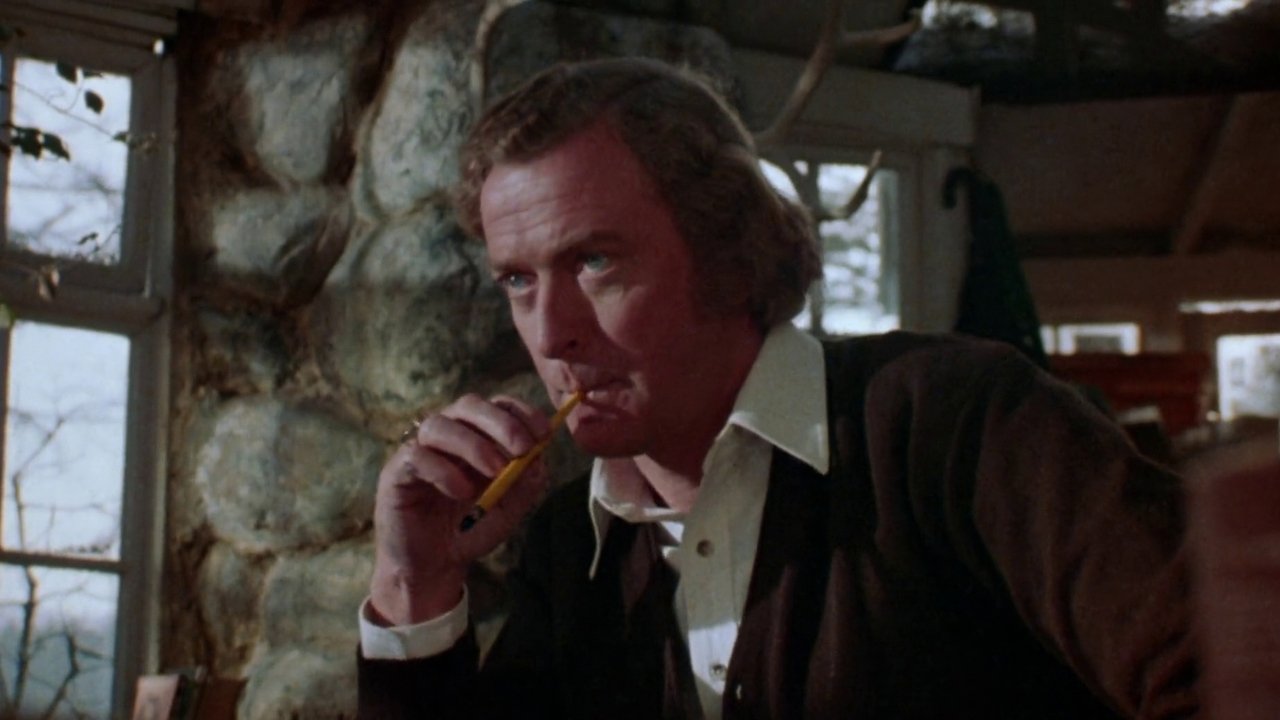
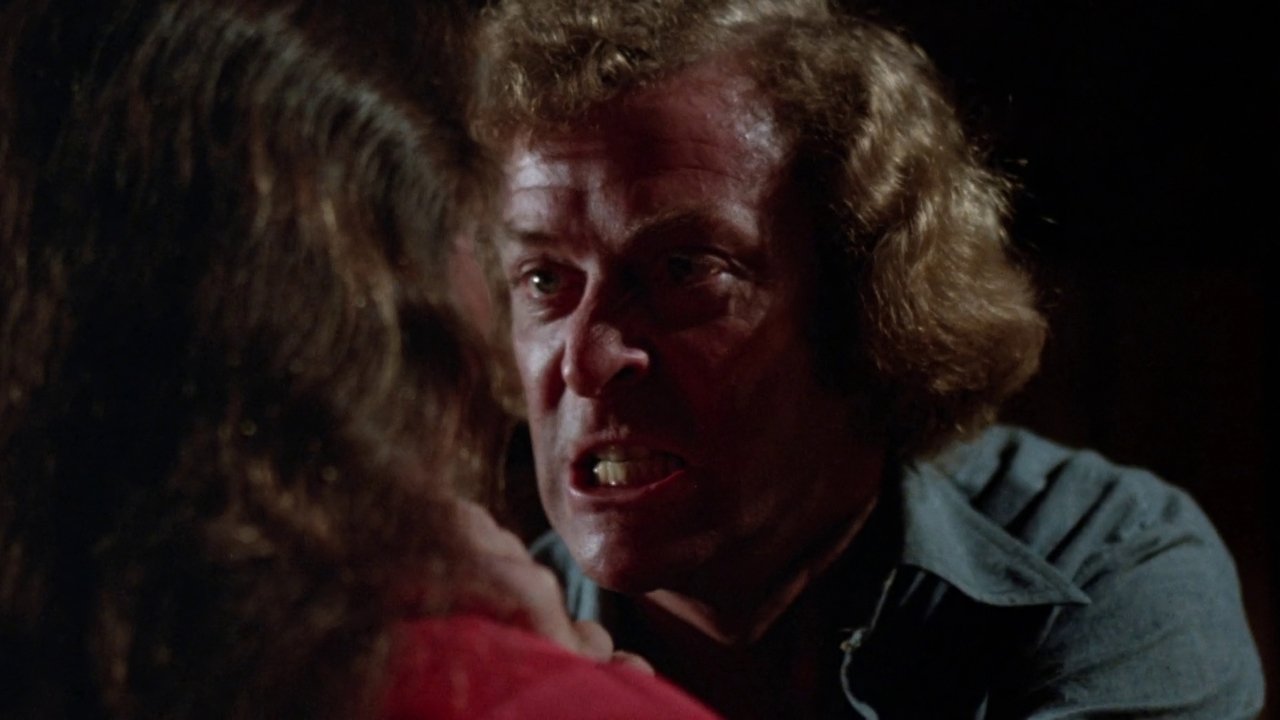
This is where The Hand truly digs its fingers in. Caine, an actor we often associate with cool control or charming rogues, gives a performance raw with frustration, bitterness, and mounting paranoia. Lansdale's slow disintegration is the film's dark heart. He moves away to teach art in a remote California town, attempting to rebuild his life, but the phantom limb sensation evolves into something far more sinister. He begins experiencing blackouts, waking up to find destruction around him, and plagued by visions – or are they visitations? – of his missing hand, now seemingly imbued with a malevolent life of its own. Caine sells the ambiguity beautifully; is Lansdale genuinely haunted by a murderous appendage, or is this the manifestation of a complete psychotic break fueled by trauma and rage? The film keeps you guessing, leaning into the psychological horror over outright creature-feature territory for much of its runtime. It’s a committed, often uncomfortable performance that anchors the film’s descent.
That Crawling Star
Let's talk about the hand itself. The practical effects, likely supervised by the legendary Carlo Rambaldi (though sources sometimes conflict on his exact level of involvement, he's often credited), were undoubtedly meant to be the showstopper. Remember seeing that severed hand skittering across the floor on the VHS box? Back then, even if slightly clunky, it possessed a visceral creepiness. There's an undeniable, tactile wrongness to it. Watching it now, some of the puppetry might elicit a knowing chuckle – the way it awkwardly strangles or clambers feels very much of its era. Yet, there are moments, particularly in shadow or glimpsed quickly, where it retains a genuinely unsettling power. Stone himself reportedly found achieving the desired effect a nightmare, wrestling with the mechanics and the budget (a modest $6 million even then) to bring this crawling menace to life. Interestingly, Stone even has a blink-and-you'll-miss-it cameo as a bum who gets harassed by the titular terror.
Stone's Uneasy Atmosphere
While not as stylistically bold as his later work, Stone crafts a palpable sense of unease. He uses claustrophobic framing and sudden, jarring cuts to reflect Lansdale's fractured mental state. The score by James Horner, who would go on to score giants like Aliens (1986) and Titanic (1997), is effectively moody, amplifying the tension rather than relying on cheap stingers. The contrast between the idyllic settings – the sunny California college town, the peaceful rural landscapes – and the darkness encroaching on Lansdale's mind creates a disquieting dissonance. This isn't just a film about a killer hand; it's about the horror lurking beneath the surface of normalcy, a theme Stone would revisit throughout his career, albeit on grander political and social canvases. The source material, Marc Brandel's novel "The Lizard's Tail," provided a solid foundation, but Stone adapted it, injecting his own burgeoning anxieties.
A Flawed But Fascinating Relic
The Hand wasn't exactly embraced upon release. It stumbled at the box office, recouping less than half its budget (around $2.4 million against that $6 million cost), and critics were divided, many finding the premise inherently silly or the execution uneven. Michael Caine himself occasionally quipped about taking roles for the paycheck, and one wonders if this fell into that category for him, despite his strong performance. Yet, like so many films discovered on video store shelves, it developed a quiet cult following. It’s a curio in Stone’s filmography, a glimpse of his developing obsessions with trauma, violence, and psychological breakdown. Does it always work? No. The pacing sometimes lags, and certain moments teeter towards the unintentionally absurd. But its commitment to its grim premise and Caine's intense portrayal give it a strange, lingering power. Did that final shot genuinely shock you back in the day? It certainly left an impression.
***
VHS Heaven Rating: 6/10
Justification: The Hand earns points for its genuinely unnerving central concept, Michael Caine's committed descent into madness, and Oliver Stone's early directorial efforts in building a palpable atmosphere of psychological dread. The practical effects, while dated, possess a certain retro charm and occasional creepiness. However, it loses points for uneven pacing, moments that unintentionally veer into silliness, and a premise that, despite the serious treatment, never fully escapes a B-movie feel. It was a box office disappointment ($2.4M on a $6M budget) for a reason, but its ambition and Caine's performance elevate it above pure schlock.
Final Thought: A flawed but fascinating psychological thriller that feels distinctly of the early 80s, The Hand is a worthy rediscovery for Stone aficionados and fans of unsettling VHS-era horror, even if its grasp occasionally exceeds its reach. It’s a reminder that sometimes, the deepest horror isn’t external, but crawls out from within.