Alright, fellow tapeheads, let's rewind to a time before flux capacitors and hoverboards dominated the Robert Zemeckis and Bob Gale playbook. Five years before Back to the Future (1985) cemented their legacy, this dynamic duo unleashed a different kind of cinematic mayhem onto the world: the gloriously cynical, hilariously mean-spirited, and utterly unforgettable Used Cars (1980). Finding this gem on a dusty video store shelf felt like uncovering contraband – a movie too gloriously raunchy and chaotic for polite company, perfect for a late-night viewing with the tracking slightly off.
### Before the DeLorean, There Were Lemons
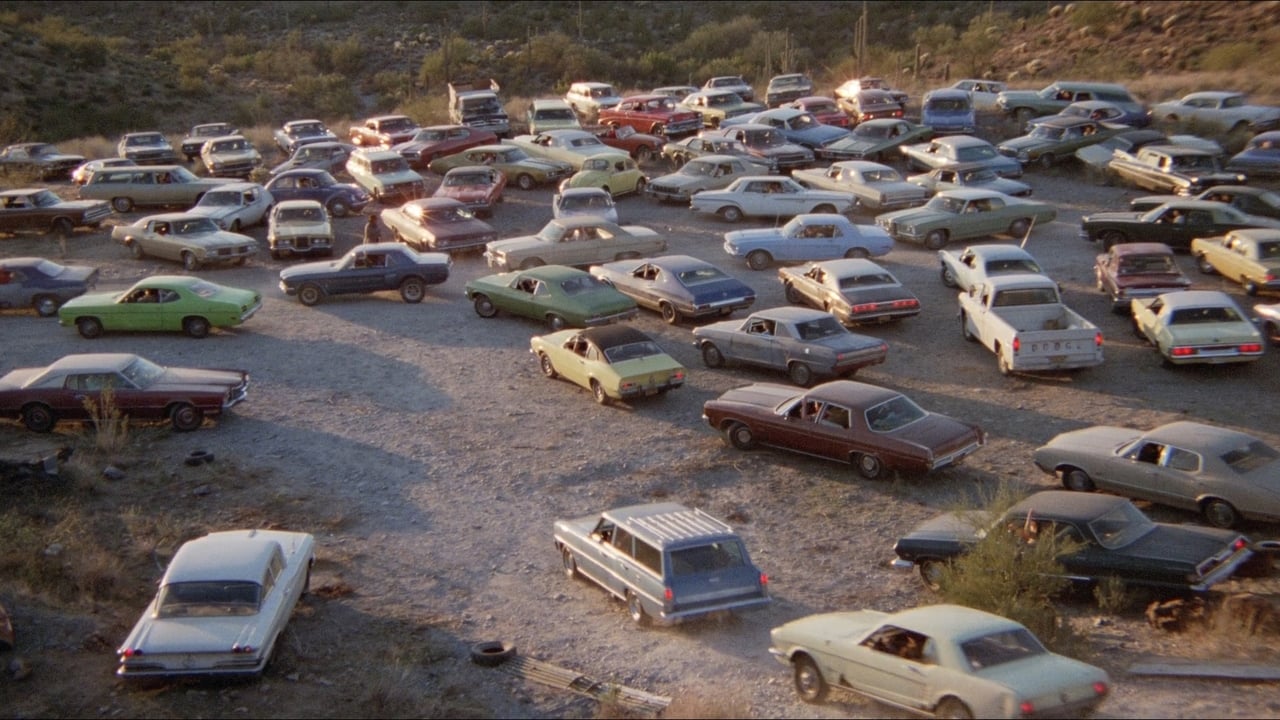
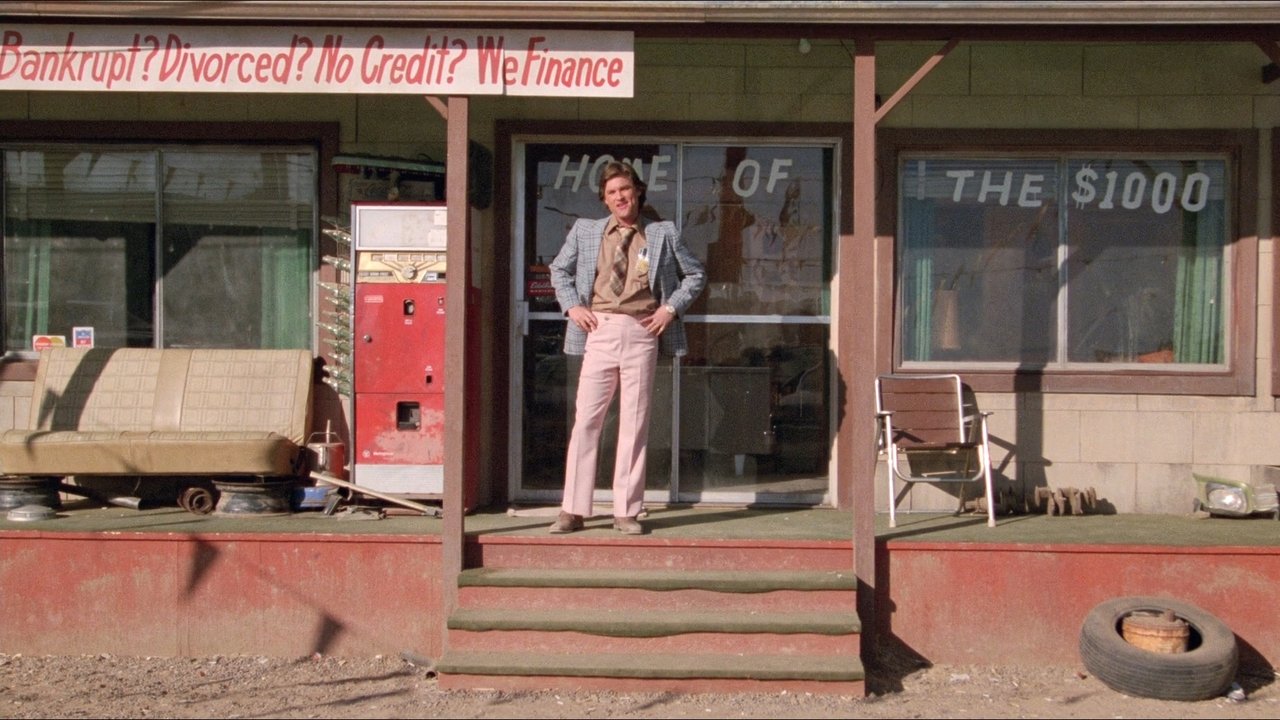
Forget charming small towns; Used Cars throws us headfirst into the sun-baked asphalt battlefield of competing used car lots in Mesa, Arizona. On one side, the struggling but scrappy New Deal Used Cars, run by the kindly Luke Fuchs (Jack Warden) and his crew of fast-talking hustlers led by the ambitious Rudy Russo (Kurt Russell). Across the street looms Roy L. Fuchs (Jack Warden again, in a brilliant dual role), Luke's ruthless, conniving brother, who'll stop at nothing – literally nothing – to take over Luke's lot. When circumstances take a dark (and darkly funny) turn, Rudy and his gang have to pull out all the stops, escalating their sales tactics from merely deceptive to outright illegal and insane to save the business.
This film doesn't just satirize slippery salespeople; it dives headfirst into outright vehicular warfare, fueled by desperation and cheap beer. Zemeckis, even early in his career, shows a remarkable talent for orchestrating escalating chaos. He and Gale (who reportedly based some elements on his own frustrating car-buying experiences) crafted a script that feels like a tightly wound spring, constantly snapping into unexpected, often shocking, directions. Remember when movie comedies could have real teeth? Used Cars has fangs.
### Rudy Russo: The Sultan of Sleaze
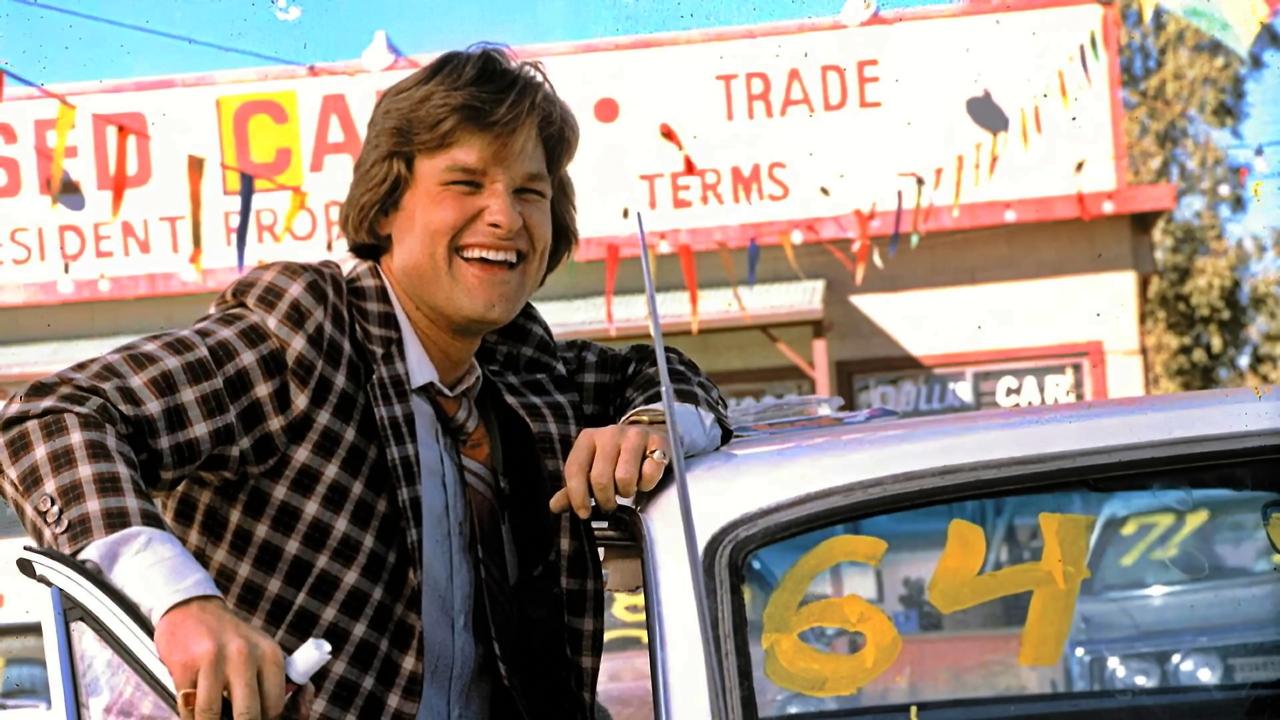
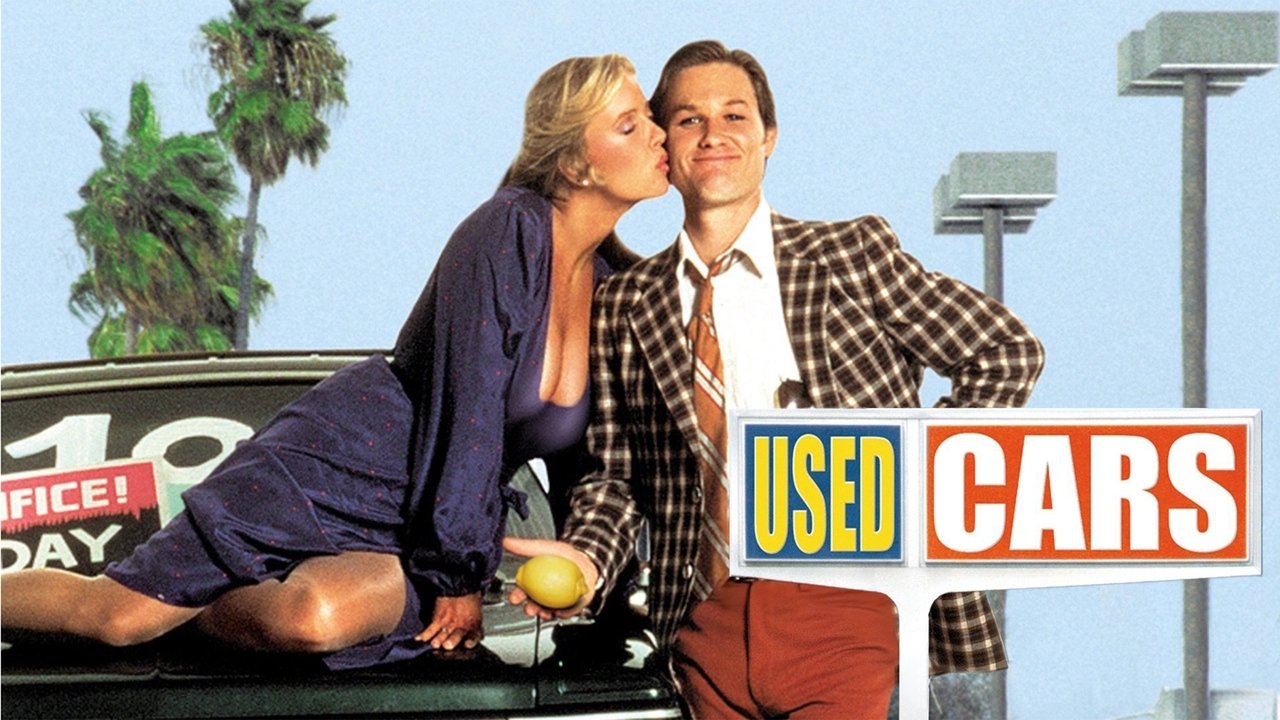
Anchoring the madness is a career-highlight performance from Kurt Russell as Rudy Russo. This isn't the heroic Snake Plissken (Escape from New York, 1981) or the goofy Jack Burton (Big Trouble in Little China, 1986) we'd come to love later. Rudy is pure, uncut charisma wrapped around a core of absolute self-interest, dreaming of ditching car sales for politics. Russell plays him with a manic energy and a predatory grin that’s impossible to look away from. He’s utterly despicable, yet somehow, you root for him. He embodies the film’s gleeful amorality. It's a testament to Russell's star power that he makes this huckster so compelling.
Supporting him is a killer ensemble, including the wonderfully unhinged Gerrit Graham as Jeff, a salesman whose superstitious paranoia spirals hilariously out of control, and the great Frank McRae as Jim, the mechanic who gets some of the film's biggest laughs. But the secret weapon is Jack Warden. Playing both the sweet, ailing Luke and the monstrous Roy L. Fuchs, Warden delivers two distinct, fantastic performances. His Roy L. is a cartoon villain brought to sputtering, apoplectic life – a walking aneurysm in a cheap suit. The scenes where the two brothers confront each other (often involving poor Luke suffering Roy's abuse) are masterpieces of black comedy.
### Chaos on Wheels and Studio Battles
Forget slick CGI – the "action" in Used Cars is gloriously practical and feels dangerously real. The escalating war between the lots involves everything from bumper-car demolition derbies played out with actual vehicles to famously audacious stunts, like driving a car during a high school football game’s halftime show. One of the film's most memorable sequences involves hijacking a rival dealer's live television commercial broadcast with increasingly outrageous, R-rated guerrilla advertising. It felt utterly anarchic back then, tapping into that subversive, pre-internet thrill of messing with the airwaves. Wasn't that TV interruption stunt absolutely wild for its time?
That very sequence, along with the film's relentless profanity and dark themes (like hiding a certain character's demise), earned Used Cars a protracted battle with the MPAA. Zemeckis and Gale, backed by executive producer Steven Spielberg (yes, that Spielberg!), fought hard against an initial X rating, eventually securing the R. It’s a detail that underscores just how edgy this film felt in 1980, pushing boundaries even within the R-rated comedy landscape, which was already seeing envelope-pushers like Airplane! (released the same summer). Interestingly, despite generally positive reviews praising its energy and wit, Used Cars wasn't a box office smash upon release. Perhaps it was just too mean, too cynical for audiences seeking lighter fare that summer. It took the home video boom – those glorious VHS tapes lining rental shelves – for it to find its devoted audience and achieve the cult classic status it enjoys today. Filming actually took place at a working dealership in Mesa, adding a layer of dusty authenticity to the proceedings.
### Still Worth Kicking the Tires?
Used Cars is a product of its time, no doubt. The humor is dark, the language salty, and the general vibe gleefully offensive in a way few mainstream comedies dare to be today. It's raw, unfiltered, and occasionally uncomfortable, but always relentlessly funny if you appreciate pitch-black comedy. Zemeckis directs with a kinetic energy that foreshadows his later blockbusters, staging elaborate comedic set pieces with impressive flair, even on a relatively modest budget (around $8 million). The practical stunts and chaotic energy feel refreshingly tangible compared to today's smoother, often weightless digital effects.
It's a snapshot of a bygone era of comedy – cynical, smart, and unafraid to get its hands dirty. If you fondly remember discovering slightly dangerous comedies on worn-out VHS tapes, or if you just appreciate sharp writing and powerhouse performances, Used Cars is a ride absolutely worth taking again.
Rating: 9/10 - Just shy of perfection due to some humor inevitably feeling dated, but its audacious spirit, brilliant performances (especially Russell and Warden), and masterful comedic chaos make it an absolute standout of the era.
Final Take: Forget zero-down financing; Used Cars offers premium-grade, high-octane cynicism and laughs that have aged surprisingly well – a true cult classic that runs better now than most models off today's lot.