What happens when a man attempts to walk a tightrope between two worlds, only to discover that both sides are actively sawing through the rope beneath him? Fred Schepisi’s staggering 1978 film, The Chant of Jimmie Blacksmith, doesn't just pose this agonizing question; it plunges the viewer headfirst into the devastating reality of the answer. Based on the Booker Prize-nominated novel by Thomas Keneally (who would later give us Schindler's Ark), and rooted in the tragic true story of Jimmie Governor at the turn of the 20th century, this isn't a comfortable watch. Finding it on a video store shelf back in the day, perhaps tucked away in the drama section or mistakenly placed near action films, might have felt like uncovering something forbidden, something potent and demanding. It certainly wasn't the usual Friday night fare, but its power is undeniable and its place in Australian cinema history is indelible.
Between Two Fires
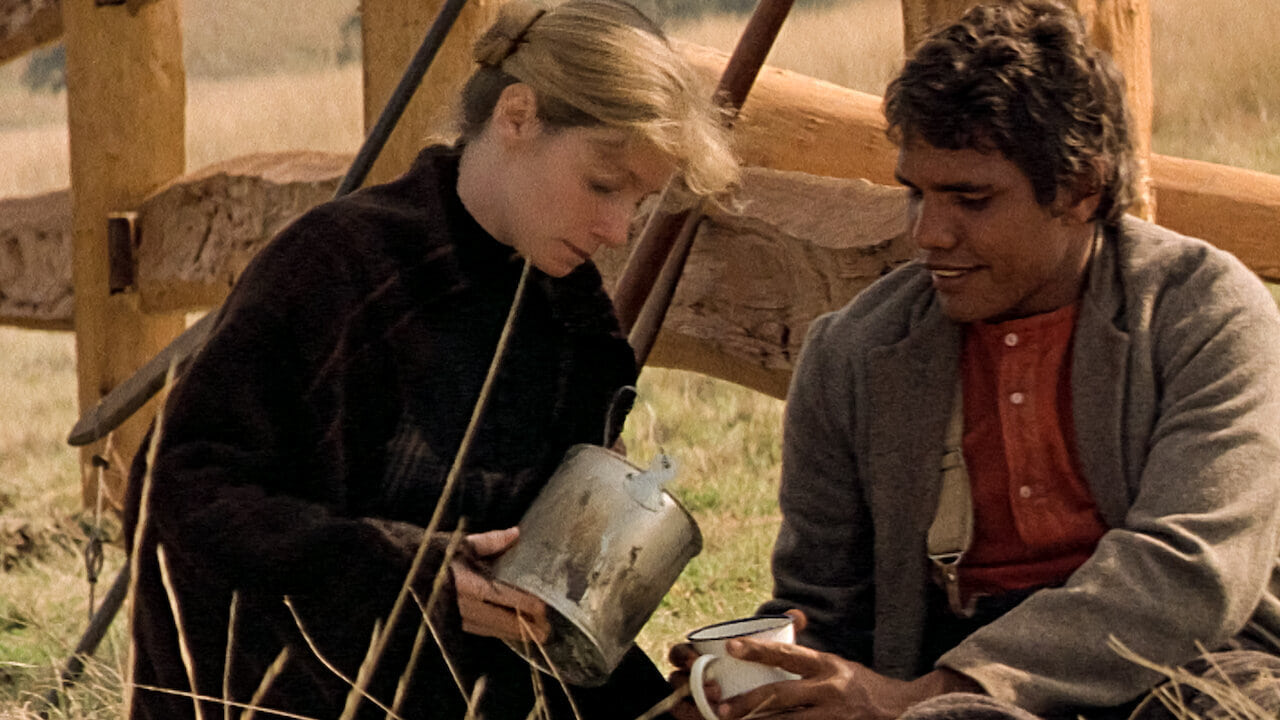
The film introduces us to Jimmie Blacksmith (Tommy Lewis in an astonishing debut), a young Aboriginal man raised by a Methodist minister. He's caught in a painful limbo: educated in white ways, encouraged to assimilate, marry a white woman (Gilda, played by Angela Punch McGregor), and work for white landowners, yet perpetually met with suspicion, condescension, and naked racism. He internalizes the promise of acceptance through hard work and adherence to white societal norms, only to have that promise cruelly, repeatedly broken. Every attempt Jimmie makes to integrate, to prove his worth within the colonial structure, is rebuffed with casual injustice or outright hostility. Schepisi masterfully builds this simmering tension, showcasing the countless microaggressions and blatant betrayals that slowly erode Jimmie's hope and push him toward an unimaginable precipice.
A Performance Forged in Truth
The film rests squarely on the shoulders of Tommy Lewis, and his performance is nothing short of electrifying. Reportedly discovered by Schepisi after an extensive search, Lewis wasn't a trained actor, but he possessed an innate understanding of Jimmie's plight, a raw vulnerability that transforms into terrifying resolve. You see the hope drain from his eyes, replaced by a hardening born of ceaseless humiliation. His portrayal feels less like acting and more like channeling a deep, historical pain. It’s a performance of quiet dignity shattered by systemic cruelty, leading to an explosion that is shocking yet tragically inevitable. Supporting performances, including Freddy Reynolds as Jimmie's wilder half-brother Mort and Ray Barrett as a particularly loathsome constable, further flesh out the suffocating world Jimmie inhabits.
Schepisi's Unflinching Gaze
Director Fred Schepisi, who also adapted the screenplay, pulls no punches. He crafts a film that is both visually stunning – cinematographer Ian Baker captures the Australian landscape in gorgeous, sweeping widescreen – and emotionally harrowing. Part of the Australian New Wave, Jimmie Blacksmith stands out for its ambition and its refusal to shy away from the brutality inherent in its story. Schepisi, who would go on to direct Hollywood films like Roxanne (1987) and Six Degrees of Separation (1993), demonstrates a remarkable control of tone here, balancing moments of quiet despair with bursts of shocking violence. It's a testament to his skill that the violence never feels gratuitous; instead, it feels like the horrifying, logical outcome of the relentless pressure cooker environment Jimmie endures.
Echoes from the Past
Making the film was reportedly a challenge. It was a significant production for Australia at the time, with a budget around $1.2 million AUD, and its confronting subject matter made it a tough sell both domestically and internationally, despite earning a Palme d'Or nomination at the Cannes Film Festival. It didn't flinch from depicting the ugly realities of Australia's colonial history, a history many were, and perhaps still are, uncomfortable confronting. The film forces us to consider the devastating psychological impact of systemic racism and the tragic consequences when individuals are denied their basic humanity and identity. Doesn't this struggle for belonging, this fight against prejudice baked into the very fabric of society, still echo in countless ways today?
The Weight of Discovery
Renting The Chant of Jimmie Blacksmith back in the VHS era wasn't about escapism. It was an encounter. It was the kind of film that might have sat on the VCR for days after viewing, the images and Jimmie's haunting journey replaying in your mind. It lacked the easy comforts of many 80s staples, but its raw power offered something else: a jolt of truth, a window into a painful past, and a performance that felt utterly, devastatingly real. Discovering films like this, hidden gems amidst the blockbuster tapes, was part of the unpredictable magic of browsing those rental aisles – you never knew when you might stumble upon something that would fundamentally shift your perspective.
Rating: 9/10
This score reflects the film's sheer power, its historical significance, and the unforgettable central performance by Tommy Lewis. It’s a difficult film, undeniably, and its unflinching portrayal of violence and injustice makes it challenging viewing. However, its artistry, its importance within the Australian New Wave, and its courageous confrontation of uncomfortable truths make it essential. It’s a masterpiece born of righteous anger and profound empathy.
The Chant of Jimmie Blacksmith isn't just a movie; it's a vital piece of cinematic history that demands to be seen, wrestled with, and remembered, long after the screen goes dark.