It's a strange artefact, isn't it? Not the feature film itself – Stanley Kubrick’s The Shining (1980) is burned into our collective cinematic memory, a towering monolith of psychological horror. No, I’m thinking of the film about the film, the short, intimate documentary Making ‘The Shining’, shot by Kubrick’s own daughter, Vivian Kubrick. Watching it again after all these years, possibly on a copy taped off late-night television back in the day, feels less like watching a standard behind-the-scenes featurette and more like peering through a keyhole into a place we were never really meant to see with such unguarded clarity.
### A Daughter's Unflinching Gaze
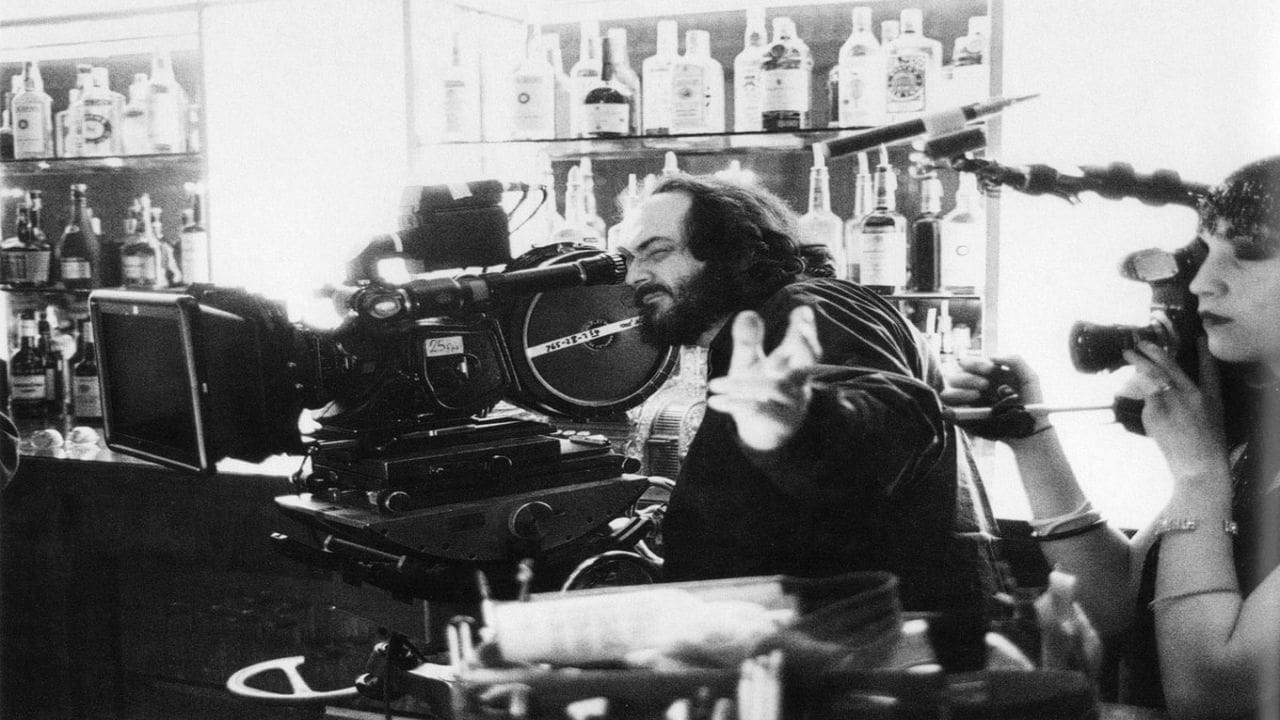
There's an immediacy to Vivian's 16mm footage that cuts through the myth surrounding her father. She was just a teenager then, granted extraordinary access, wandering the cavernous sets at Elstree Studios not just as crew, but as family. This wasn't a studio-mandated EPK (Electronic Press Kit); it feels far more personal, almost like a home movie, albeit one documenting the painstaking, sometimes harrowing creation of a horror masterpiece. The camera work is occasionally shaky, the sound imperfect – it has that raw, vérité texture that feels incredibly authentic, a world away from the calculated precision of the film it documents. It’s this very lack of polish that gives it its power, capturing moments of frustration, exhaustion, and fleeting camaraderie that a more formal production would likely have smoothed over.
### The Labyrinth of Creation
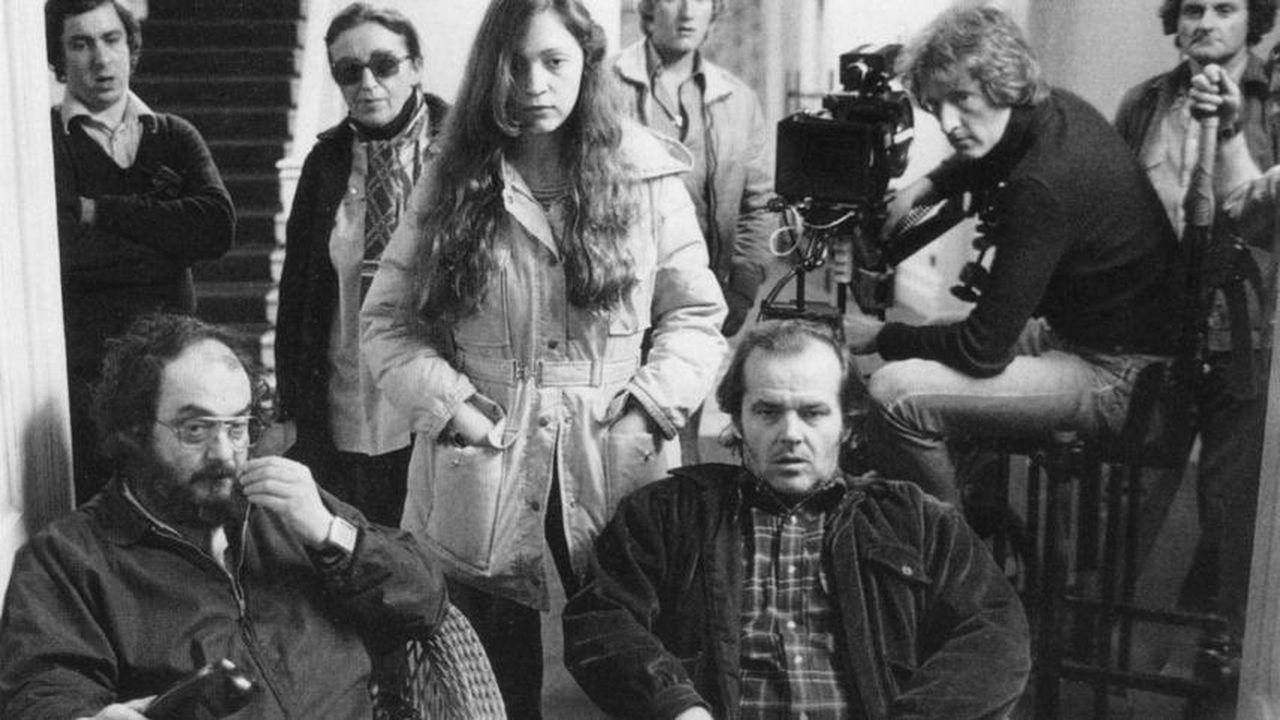
What emerges most forcefully is the portrait of Stanley Kubrick at work. We see the legendary perfectionism firsthand – the endless takes, the quiet intensity, the absolute control he exerted over every frame. Yet, Vivian's lens also catches glimpses of something else: a dry wit, a focused calm amidst the manufactured chaos. There are moments where he's explaining complex shots or conferring quietly with Jack Nicholson, and you see the gears of that formidable intellect turning. It doesn't demystify him entirely – how could it? – but it perhaps humanises the process. We witness the sheer slog involved, the relentless pursuit of a singular vision, reminding us that even genius requires gruelling effort. The tales of astronomical take counts (famously, the scene with Shelley Duvall swinging the bat reportedly topping 127 takes) feel less like abstract legend and more like tangible, exhausting reality when glimpsed through Vivian's camera.
### Actors in the Overlook's Shadow
The documentary offers fascinating, sometimes uncomfortable, insights into the actors. Jack Nicholson seems almost effortlessly cool, prepping for scenes, joking between takes, seemingly weathering the Kubrickian storm with professional ease (or perhaps just adeptly masking the strain). His off-screen persona, at least as captured here, contrasts sharply with the volcanic intensity he brought to Jack Torrance.
The portrayal of Shelley Duvall, however, is where the documentary becomes truly compelling, and perhaps a little difficult to watch. We see her looking genuinely stressed, exhausted, sometimes tearful. Knowing the stories of how Kubrick intentionally isolated her and pushed her relentlessly to achieve the state of near-hysteria required for Wendy Torrance adds a layer of profound unease. Vivian's camera doesn't shy away from this; it captures Duvall's vulnerability in a way that feels incredibly raw. Does it make for uncomfortable viewing? Yes. But it also provides undeniable insight into the profound toll such demanding work could take, forcing us to confront the human cost sometimes involved in creating enduring art. What does it mean for an actor to be pushed to such extremes for a performance? The documentary doesn't offer easy answers, but it lays the reality bare. Brief appearances by a young Danny Lloyd (Danny Torrance) and the wonderfully warm Scatman Crothers (Dick Hallorann) offer fleeting moments of respite, small islands of calm in the intense atmosphere.
### More Than Just Trivia
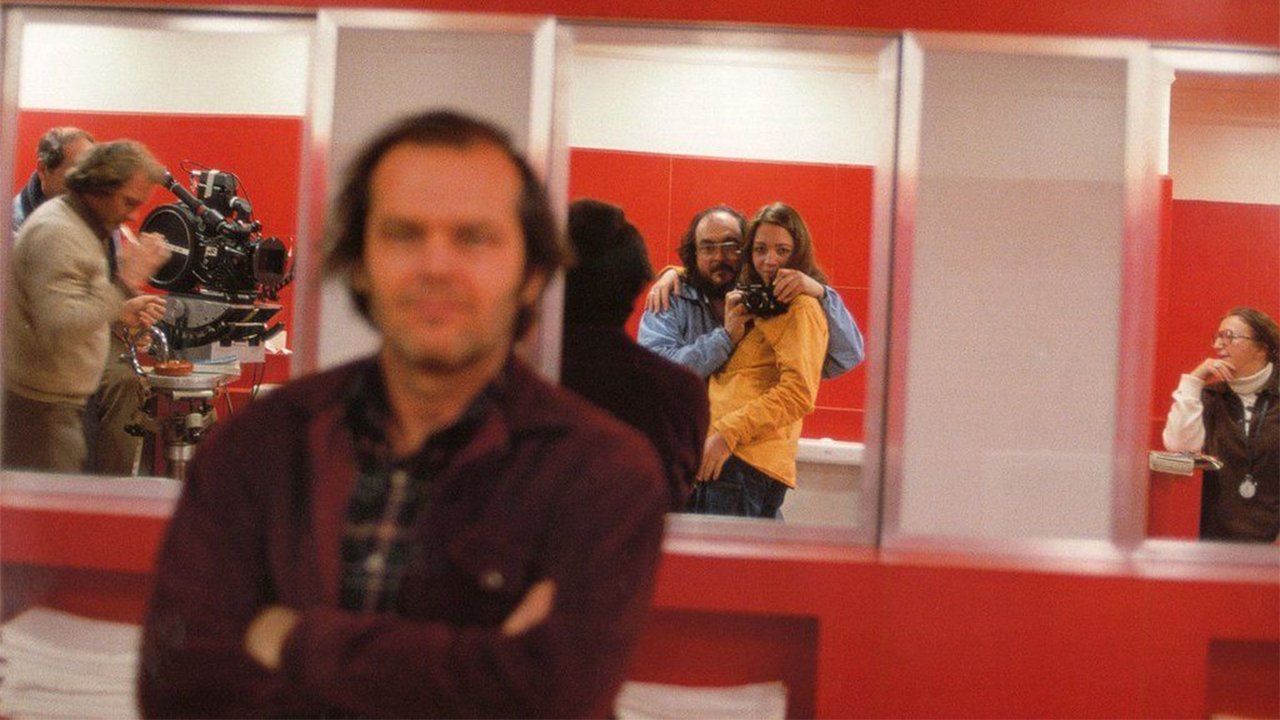
This isn't merely about collecting "fun facts," though it provides plenty for the dedicated fan – seeing the crew navigate the intricate sets, glimpses of the Steadicam rig in action, the sheer scale of the production housed within the studio walls. It was fascinating to learn this was originally commissioned for the UK's BBC Arena arts programme, giving it a slightly more journalistic pedigree than a typical studio puff piece. The real value lies in the feeling it captures – the focused silence on set broken by Kubrick's instructions, the palpable tension before a take, the sense of a small, isolated community working obsessively towards a shared, incredibly demanding goal. It’s a time capsule, not just of the making of The Shining, but of a certain kind of large-scale, pre-digital filmmaking.
The documentary itself feels like a found object, a precious recording recovered from the back of a dusty shelf in some forgotten video store, offering a rare window onto Olympus. It doesn't answer every question about Kubrick or the enigmatic power of The Shining, but it deepens our appreciation for the monumental effort involved and the very real human experiences woven into its celluloid fabric. It reminds us that behind the chilling perfection on screen, there was sweat, strain, and undeniable humanity.
Rating: 8/10
Justification: While brief (around 30 minutes) and technically unpolished, Making ‘The Shining’ offers an invaluable and uniquely intimate perspective on a legendary filmmaker and the arduous process behind an iconic film. Its power lies in its candidness, Vivian Kubrick’s unprecedented access, and the unforgettable glimpses of the artists under pressure. It doesn't provide a comprehensive overview, but the moments it captures are priceless for any cinephile.
Final Thought: It lingers, much like the film it documents, leaving you pondering the complex relationship between artistic vision, meticulous craft, and the human spirit pushed to its limits. A truly essential companion piece.