The air in the room feels thick, doesn't it? Like the humid, suffocating atmosphere of the Amazonian jungle itself, clinging long after the static hiss of the rewinding tape fades. Some films don't just entertain; they invade. They leave a residue, a lingering stain on the mind's eye. Umberto Lenzi’s Cannibal Ferox (1981), often luridly marketed with the tagline "The Most Violent Film Ever Made!", is undeniably one of those films. Forget nuance, forget subtlety. This is a cinematic sledgehammer blow, straight from the heart of the Italian cannibal boom, designed to provoke, disgust, and sear itself into your memory. Whether that's a recommendation or a warning... well, that depends on your constitution.
Into the Green Inferno
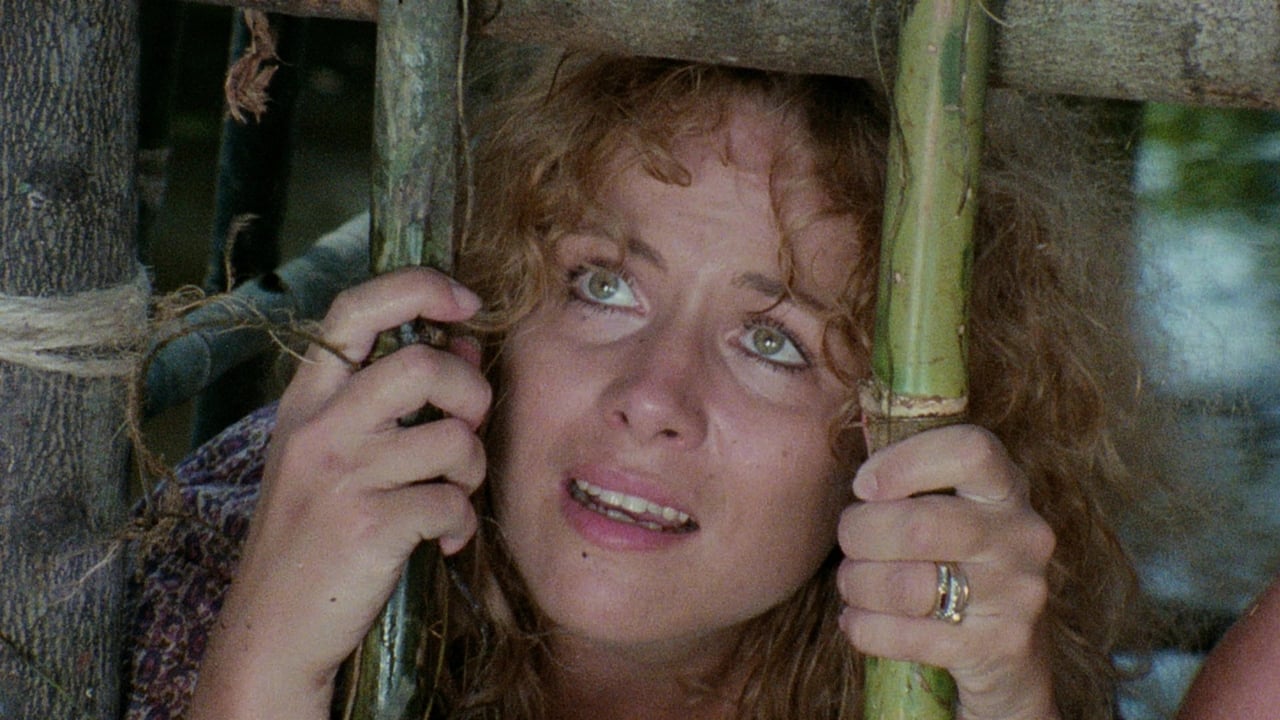
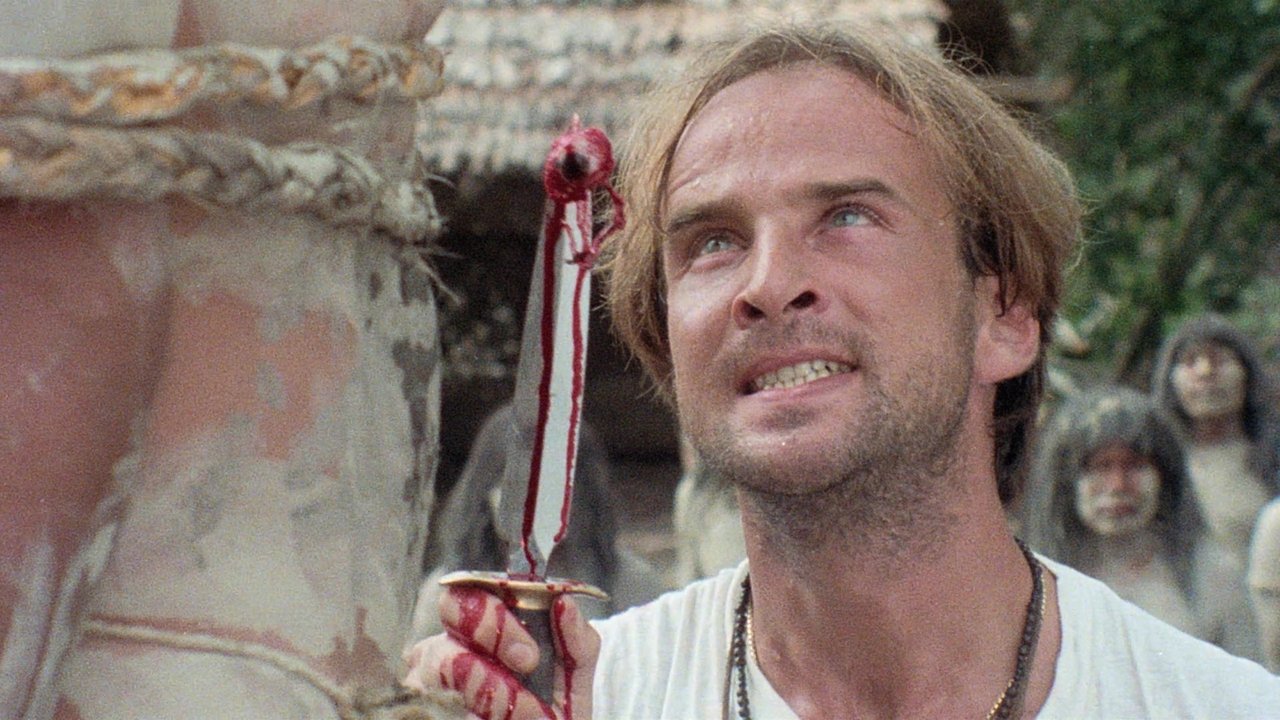
The setup feels deceptively straightforward, almost academic. Anthropologist Gloria Davis (Lorraine De Selle) journeys into the Paraguayan rainforest (though largely filmed in Colombia, lending that authentic sweaty backdrop) with her brother Rudy (Danilo Mattei) and friend Pat (Zora Kerova, billed as Zora Kerowa), aiming to disprove the very existence of cannibalism. It’s a premise ripe for grim irony, of course. They soon stumble upon Mike Logan (Giovanni Lombardo Radice, here credited as John Morghen) and his associate, Joe. Logan, a desperate man fleeing horrific acts of his own, claims the natives are docile. We, the audience, already clued into the genre’s trajectory, know better. The dread doesn't creep; it waits, coiled like an anaconda, ready to strike. Lenzi wastes little time establishing that the 'civilized' outsiders might be the true savages, a theme hammered home with the subtlety of a machete swing.
Lenzi's Brutal Vision

Umberto Lenzi, a journeyman director with credits across gialli, poliziotteschi, and horror, wasn't exactly aiming for high art here. Riding the wave created by Ruggero Deodato's infamous Cannibal Holocaust (1980), Lenzi sought to out-shock, out-gross, and out-brutalize his rival. Cannibal Ferox (also known under the tamer title Make Them Die Slowly) strips away much of Holocaust's pseudo-documentary pretense, opting for a more direct, narrative-driven assault. The direction is functional, prioritizing the staging of elaborate, stomach-churning set pieces over refined character development or intricate plotting. Yet, there's an undeniable power in its ugliness. The unflinching camera work during moments of extreme violence, coupled with the oppressive jungle environment, creates an atmosphere of suffocating hopelessness. It’s raw, exploitation filmmaking distilled to its purest, most potent form.
Not for the Faint of Heart... Or Stomach
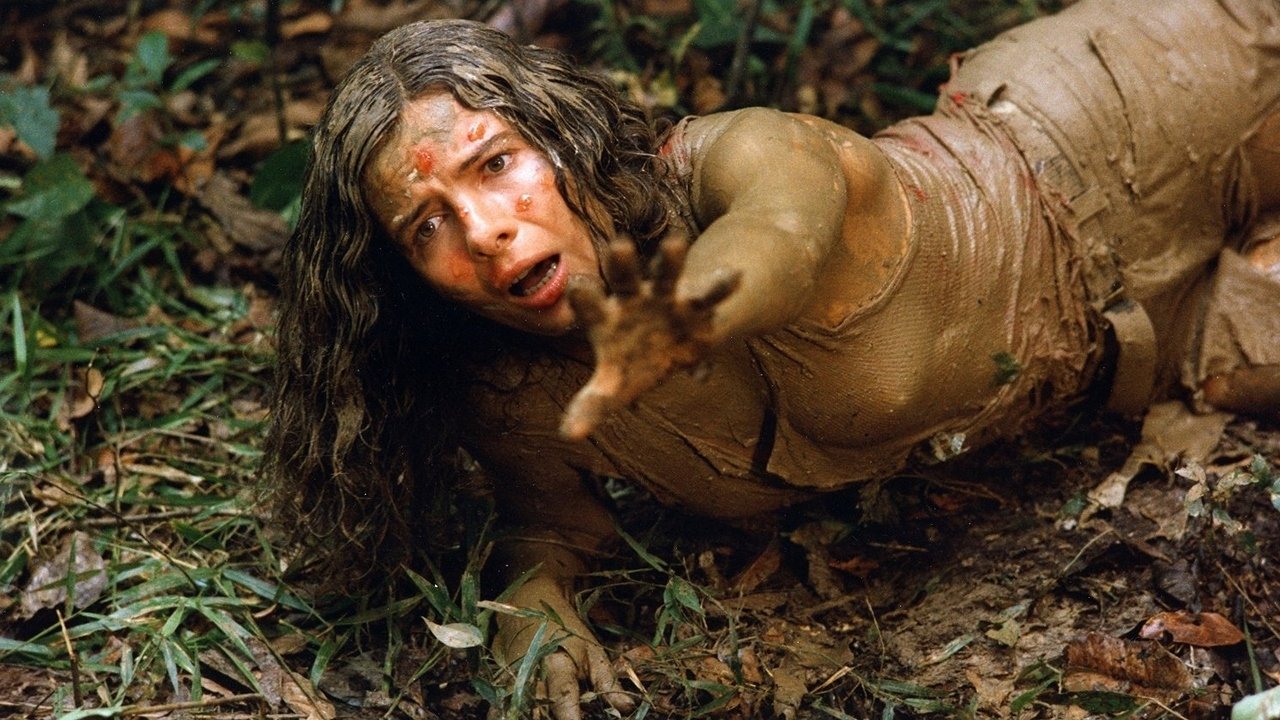
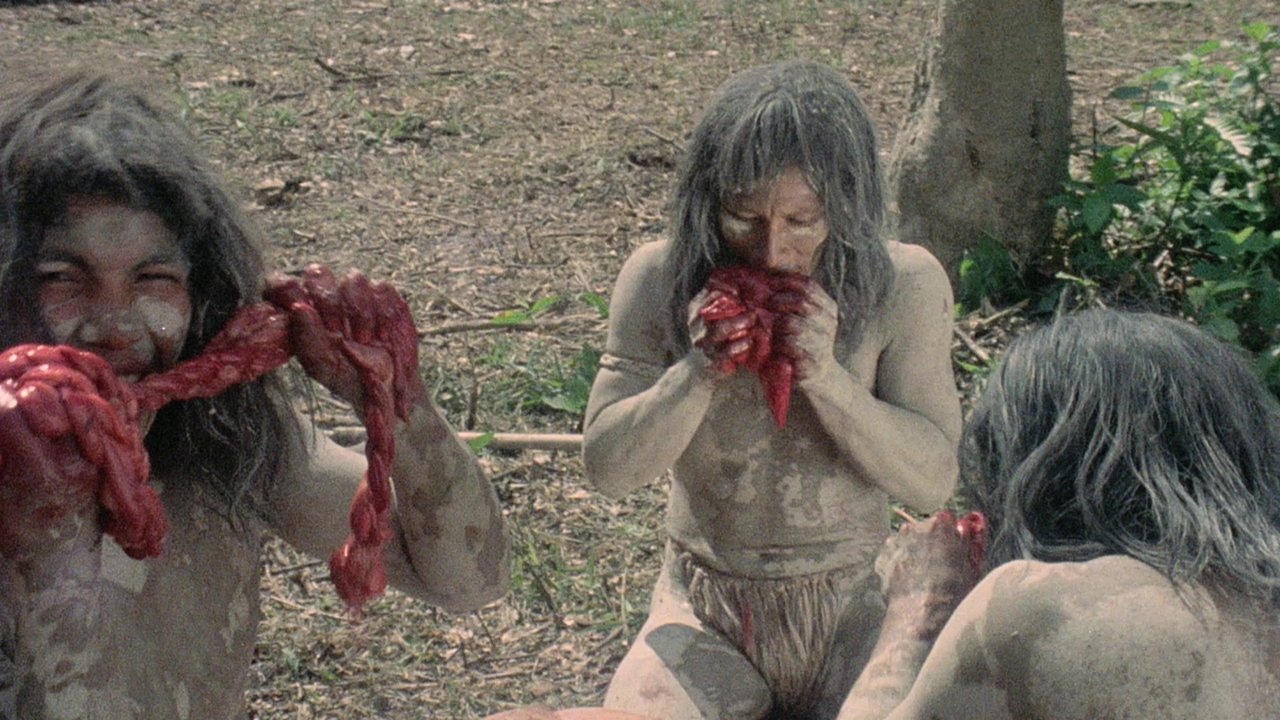
Let's not mince words: the gore in Cannibal Ferox is legendary, and for good reason. Masterminded by effects artist Gino De Rossi (who also worked on Zombie Flesh Eaters (1979) and City of the Living Dead (1980)), the practical effects remain startlingly effective, even viewed through modern eyes accustomed to CGI. The infamous scenes – the hook suspension, the castration, the brain-scooping – are staged with a gruesome conviction that borders on the unbearable. Back in the day, squinting at a fuzzy VHS copy on a CRT screen, didn't that stuff feel disturbingly real? It pushed boundaries, deliberately aiming to transgress viewer limits. It's reported that Giovanni Lombardo Radice, a veteran of Italian horror who seemed destined to suffer onscreen (see also: City of the Living Dead, The House on the Edge of the Park), found the filming conditions and the nature of the scenes incredibly taxing, adding a layer of genuine discomfort to his performance.
The Shadow of Reality
However, the film's notoriety extends beyond its graphic fictional violence into deeply uncomfortable territory: the real-life animal cruelty. Like its predecessor Cannibal Holocaust, Ferox features scenes of actual animal death, including a disturbing sequence involving a coatimundi. This is an element that simply cannot be ignored or excused. It’s a stark reminder of the ethically dubious lengths some exploitation filmmakers went to in this era, chasing shock value above all else. For many viewers, myself included, this aspect makes the film incredibly difficult to watch, let alone endorse. It permanently taints the experience, separating it from purely fantastical horror and placing it in a category of genuine transgression that feels exploitative in the bleakest sense. Did Lenzi feel it was necessary for 'authenticity'? Or was it simply a cynical ploy to generate controversy? The question hangs heavy over the film.
Banned, Reviled, Remembered
Unsurprisingly, Cannibal Ferox became a prime target for censors worldwide. It landed squarely on the infamous "video nasty" list in the UK during the moral panic of the early 80s, leading to seizures and prosecutions. This forbidden status, of course, only amplified its allure for gorehounds browsing the dusty shelves of the local video store. The lurid VHS box art, often featuring graphic stills, promised an experience that went beyond typical horror fare. It became a badge of honor for some viewers to say they’d endured Cannibal Ferox. Its reputation preceded it, whispered about in schoolyards and debated among fans – was it truly the most violent film ever?
It certainly cemented Umberto Lenzi's reputation as a master of exploitation, even if critical reception was (and remains) largely dismissive. The film's budget was reportedly minuscule, yet it became a significant grindhouse hit, proving that shock value could indeed translate to box office success in certain markets.
---
VHS Heaven Rating: 3/10
Justification: Cannibal Ferox earns points solely for its historical notoriety within the exploitation genre, its unforgettably graphic (if crude) practical effects, and its undeniable ability to shock and disturb, achieving exactly what Lenzi set out to do. The atmosphere of jungle dread is palpable at times. However, the score is dragged down significantly by the atrocious acting, paper-thin plot, repetitive structure, and most importantly, the reprehensible inclusion of real animal cruelty, which is impossible to overlook. It’s a technically inept film elevated (or perhaps condemned) by its extreme content.
Final Thought: Cannibal Ferox isn't a 'good' film by almost any conventional measure. It's ugly, brutal, and ethically compromised. Yet, it remains a grim landmark in extreme cinema, a notorious relic from the wilder shores of the VHS era. It’s a film you don’t easily forget, even if you wish you could – a testament, perhaps, to the dark power of pure, unadulterated shock. Approach with extreme caution, if at all.