"I never had any friends later on like the ones I had when I was twelve. Jesus, did you?" It’s a line that lands with the quiet weight of truth, delivered by the adult Gordie Lachance looking back through the hazy filter of time. And really, that sentiment is the beating heart of Rob Reiner’s 1986 masterpiece, Stand by Me. This isn't just a film; for many of us who grew up wearing out the tape, it feels like a shared memory, a bittersweet echo of those intense, all-consuming friendships forged in the crucible of early adolescence.
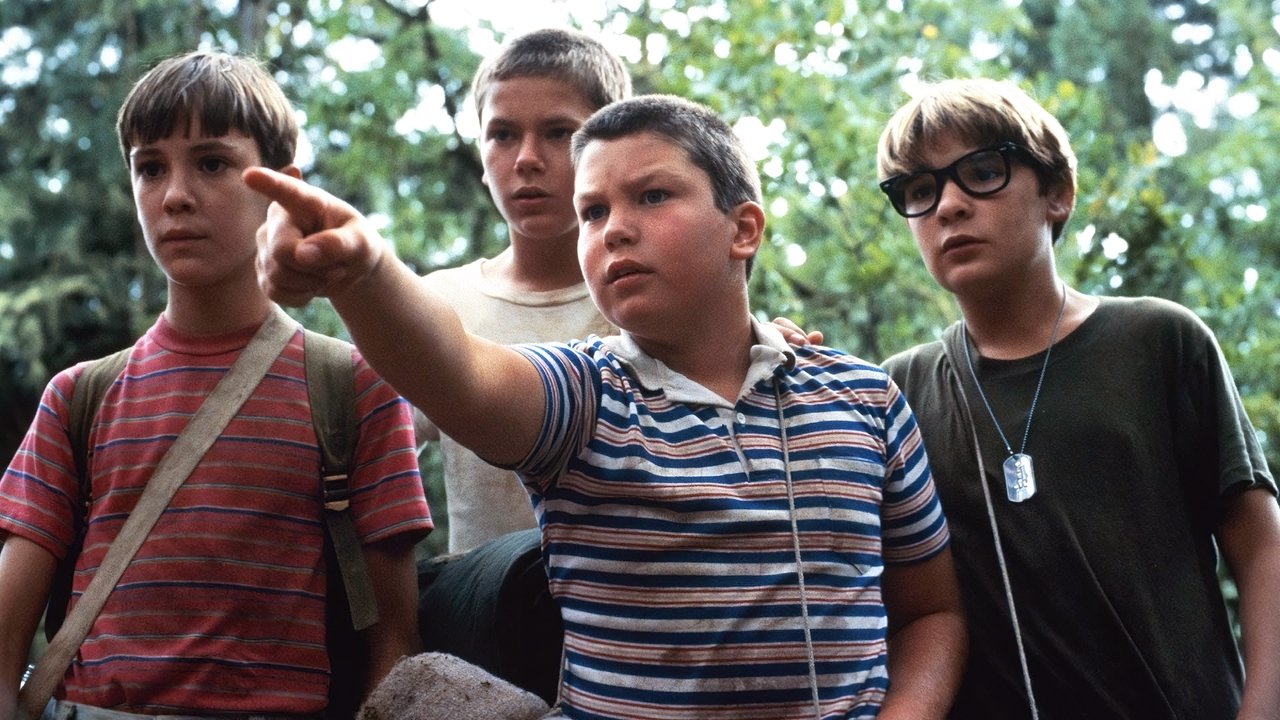
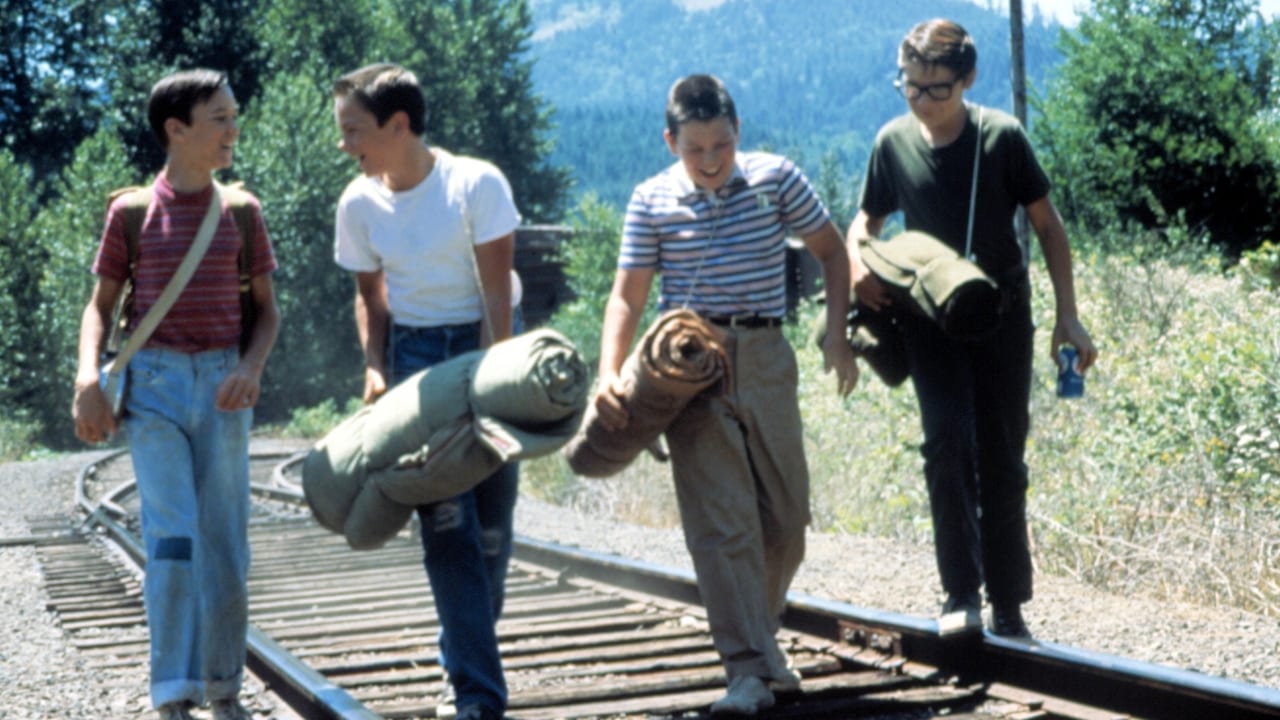
Based on Stephen King's novella "The Body," a story tucked within his Different Seasons collection (which also gave us The Shawshank Redemption and Apt Pupil), Stand by Me marked a poignant departure for both King, known primarily for horror, and Reiner, then riding high on the comedies This Is Spinal Tap and The Sure Thing. It was a gamble that paid off beautifully, resulting in a film that transcends genre – part adventure, part drama, all heart. The premise is simple, almost primal: four boys in small-town Castle Rock, Oregon, circa 1959, embark on a journey along the railway tracks to find the reported dead body of a missing local boy. But the destination, as it so often is, proves far less important than the miles traveled together.
### The Boys of Summer '59
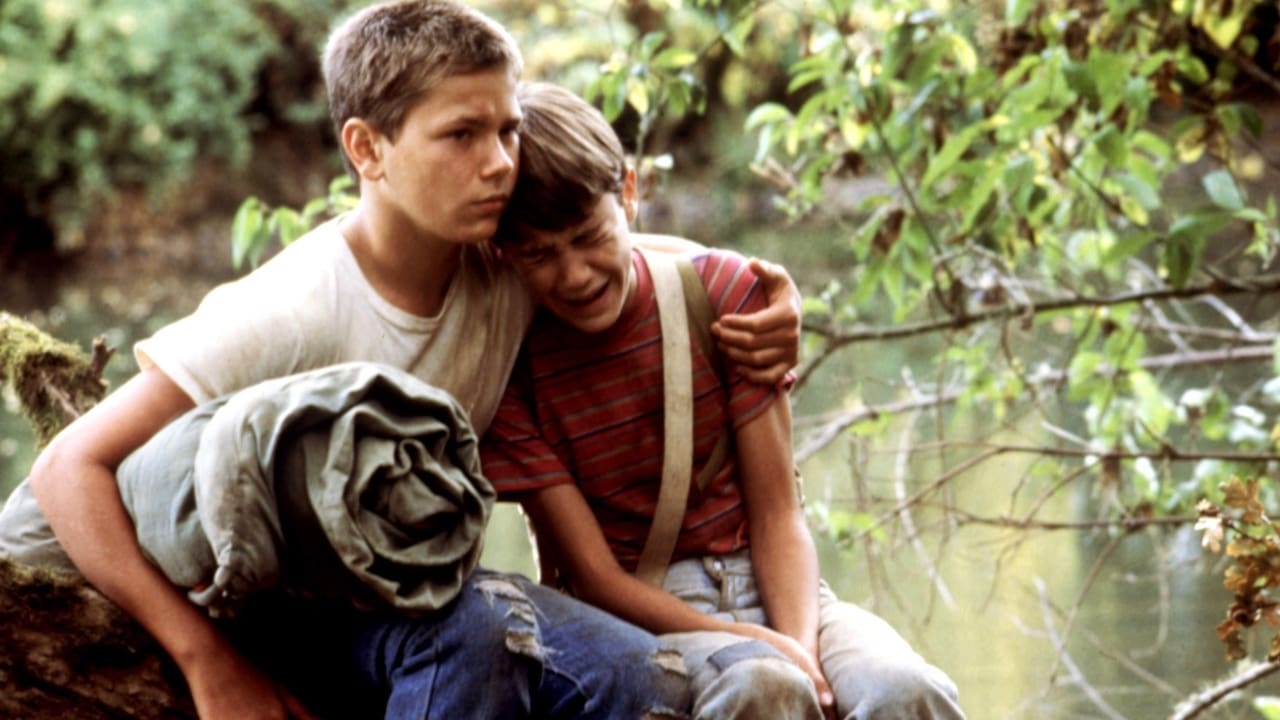
The magic of Stand by Me rests squarely on the shoulders of its young cast, delivering performances of astonishing naturalism and depth. Wil Wheaton anchors the film as Gordie Lachance, the quiet, thoughtful observer grappling with the death of his older brother and the crushing indifference of his grieving parents. He’s the storyteller, the soul of the group. Then there's River Phoenix in a truly star-making turn as Chris Chambers, the wise-beyond-his-years leader burdened by his family's bad reputation. Phoenix imbues Chris with a heartbreaking vulnerability beneath the tough exterior; watching him now carries an extra layer of poignancy, knowing the talent we lost too soon. Funnily enough, Phoenix originally auditioned for Gordie, but Reiner instantly saw the troubled charisma needed for Chris. It’s hard to imagine the film any other way.
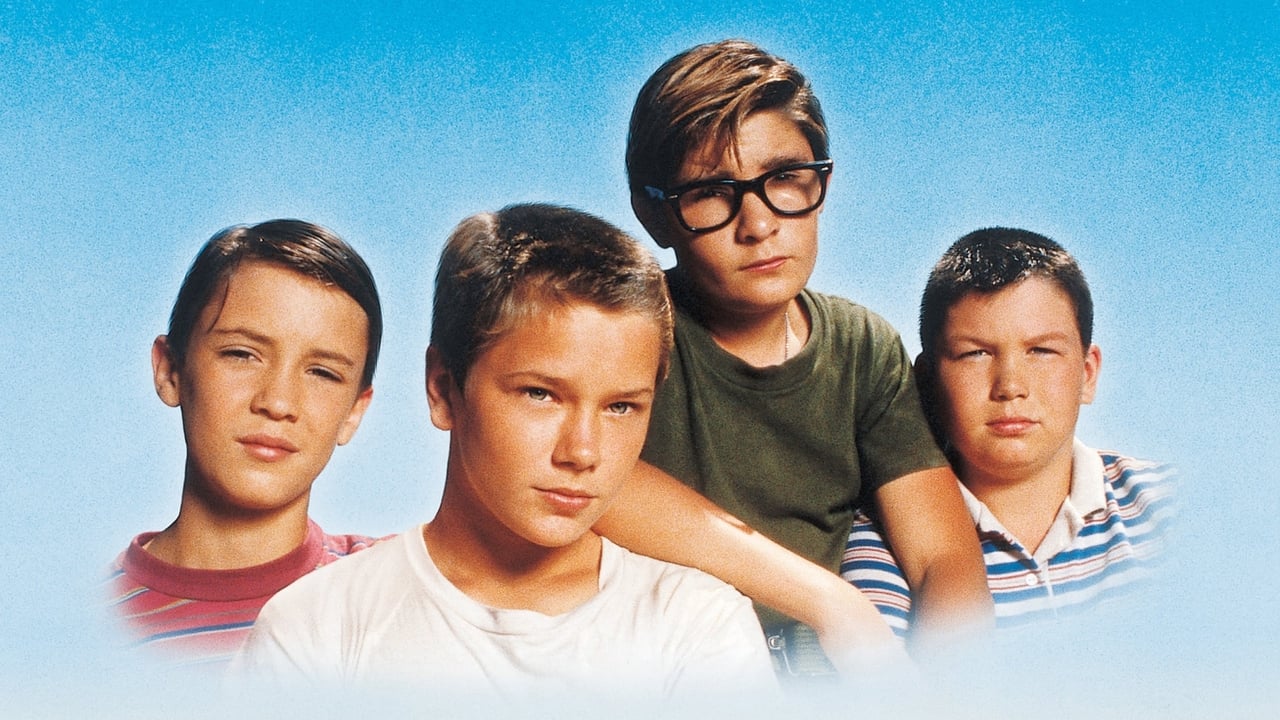
Rounding out the quartet are Corey Feldman as the volatile, damaged Teddy Duchamp, still reeling from his father’s abuse, and Jerry O’Connell in his film debut as the endearingly awkward and perpetually frightened Vern Tessio. Their chemistry is electric, utterly believable. They bicker, joke, challenge, and support each other with the fierce loyalty only twelve-year-olds seem capable of. Reiner fostered this bond off-screen, reportedly orchestrating games and activities to help the young actors connect, a strategy that clearly translated into on-screen gold. You believe these kids have known each other forever.
### More Than Just a Walk
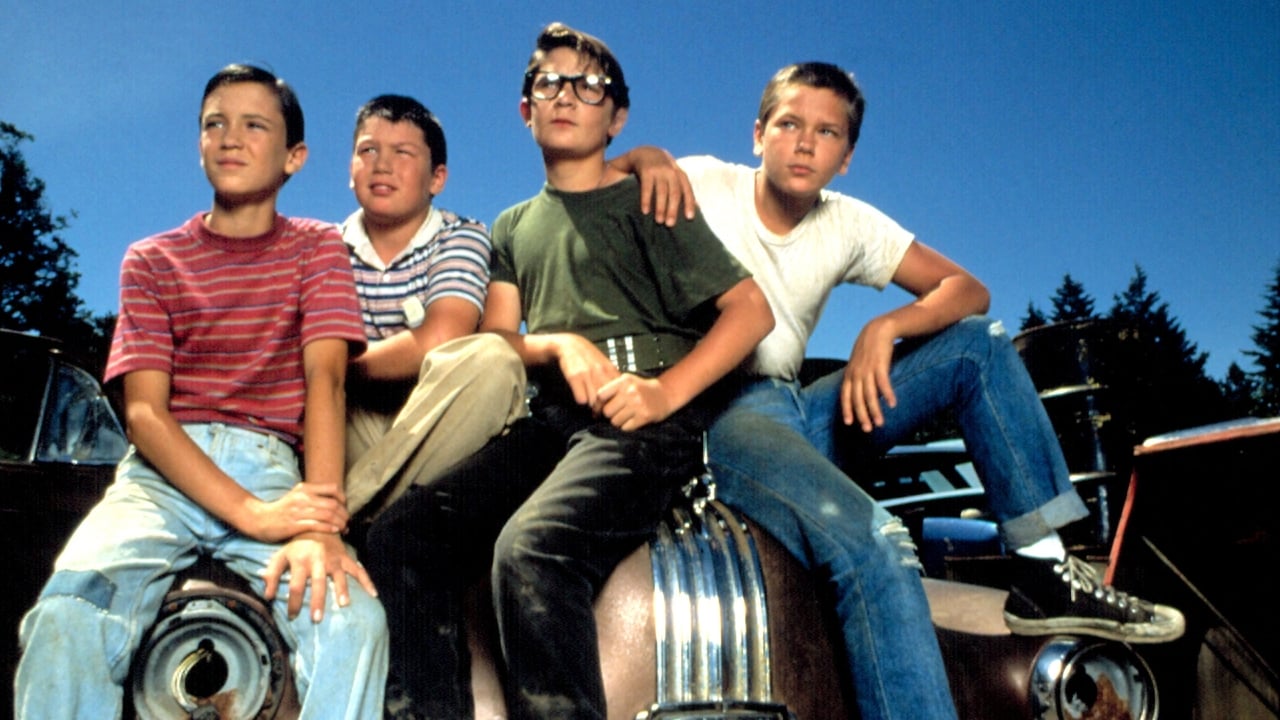
Reiner directs with a gentle hand, letting the characters breathe and the moments land. He perfectly captures the languid, sun-drenched atmosphere of late summer, where time seems to stretch infinitely ahead, yet innocence feels perilously close to its expiration date. The episodic nature of their journey – the junkyard escape with Chopper the dog ("Sic 'em, boy!"), the terrifying train dodge on the trestle, the leech incident (a scene guaranteed to make anyone squirm), and the campfire stories – feels like flipping through pages of a cherished photo album.
Speaking of stories, the infamous "Lardass" Hogan pie-eating contest story, recounted gleefully by Gordie around the campfire, wasn't actually part of King's original novella "The Body." It was adapted from a separate King short story and woven in by Reiner and screenwriters Raynold Gideon and Bruce A. Evans. It’s a masterstroke, providing a moment of outrageous, slightly grotesque humor that perfectly captures the boys' sensibility, while also subtly highlighting Gordie's emerging talent as a writer.
The film is also a masterclass in using music to evoke mood and period. The soundtrack, packed with late 50s rock and roll hits, is iconic, culminating in Ben E. King's titular ballad, which lends the film its name and its soulful core. Apparently, the studio was nervous about the original title, "The Body," fearing audiences would mistake it for a slasher flick or perhaps even a bodybuilding movie. "Stand by Me" proved a far more evocative and fitting choice.
### Retro Fun Facts
Digging into the making of Stand by Me unearths some gems. Stephen King himself, often critical of adaptations, considered this one of the best based on his work. After a private screening arranged by Reiner, King was reportedly overcome with emotion, needing time to collect himself before telling Reiner how perfectly the film captured the essence of his story. That’s high praise indeed!
The budget was a relatively modest $8 million, but the film became a sleeper hit, grossing over $52 million domestically (that's roughly $140 million today!). It proved that audiences were hungry for character-driven stories with emotional depth, even amidst the blockbuster landscape of the 80s. The town of Brownsville, Oregon, where much of the film was shot, still embraces its connection to the movie, hosting annual "Stand by Me Day" celebrations. It speaks volumes about the film's enduring charm that a filming location remains a point of local pride decades later. And that terrifying train scene? While safety was paramount, the actors’ reactions often felt startlingly real, adding to the sequence's palpable tension.
### Lasting Echoes
Stand by Me isn't just about nostalgia for the 1950s; it taps into a universal nostalgia for the intensity of childhood bonds, for that fleeting period when your friends are your world, your confidants, your protectors. It acknowledges the darkness that can encroach on childhood – grief, neglect, abuse, the fear of the future – but ultimately celebrates the resilience found in sticking together. Kiefer Sutherland's menacing turn as gang leader Ace Merrill provides a chilling glimpse of the adult world's dangers encroaching on their idyll.
The film doesn't shy away from the melancholy truth that such friendships, in their purest form, are often ephemeral. The adult Gordie’s closing narration reminds us that paths diverge, lives change. Yet, the memory remains, potent and defining.
Rating: 9/10
Stand by Me earns this high score through its perfect casting, profoundly resonant themes, masterful direction, and its uncanny ability to evoke powerful emotions. The performances, particularly River Phoenix's, are unforgettable. It balances humor, adventure, and genuine pathos with incredible grace. While perhaps lacking the flashy spectacle of other 80s hits, its quiet power and emotional honesty make it a truly enduring piece of cinema. It feels less like a movie watched and more like an experience lived, a memory revisited.
It’s one of those films that sits with you long after the credits roll, a poignant reminder that sometimes the most important journeys don't involve distant lands, but simply the path alongside the friends who knew you when.