Okay, fellow tape travelers, let's rewind to a time when fairy tales on screen felt less polished, more peculiar, and often arrived via slightly fuzzy broadcasts or intriguing, unfamiliar VHS boxes. Forget the slick CGI fantasies of today; we're venturing into the snow-dusted, often baffling, but undeniably memorable world of 1964's Morozko, perhaps better known to many of us under its English-dubbed title, Jack Frost. Yes, you read that right – 1964, not 1979! This gem hails from the Soviet Union, directed by the master of Russian fantasy films, Aleksandr Rou, and it’s a cinematic experience quite unlike any other.
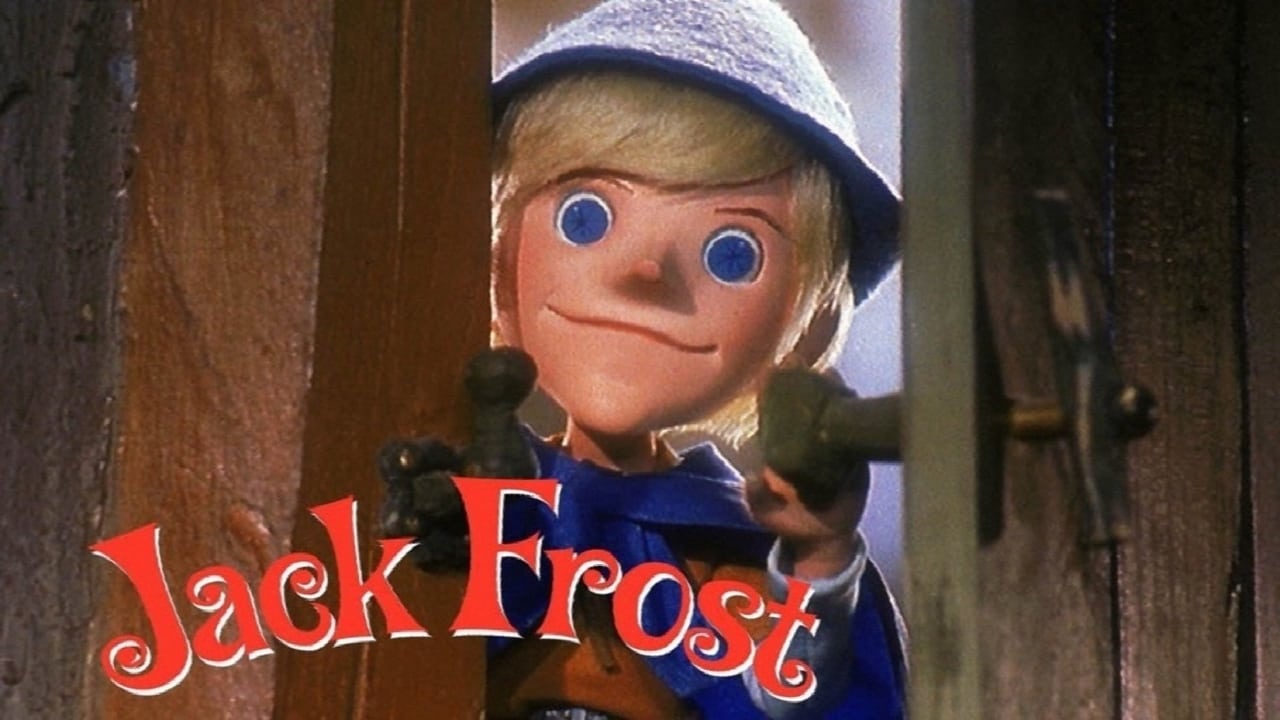
If you stumbled upon Jack Frost as a kid, maybe flipping channels on a Saturday morning or pulling a mysterious tape from the 'Family' section at the rental store, you likely remember it. Perhaps not always fondly, maybe with a touch of bewildered amusement, but you remember it. This wasn't your standard Brothers Grimm or Disney fare; this was something steeped in authentic Russian folklore, presented with a visual flair and narrative logic that could feel wonderfully strange and dreamlike.
Into the Enchanted Forest
The story follows familiar fairy tale beats, yet twists them through a distinctly Slavic lens. We have the virtuous and beautiful Nastenka (Natalya Sedykh, whose gentle performance makes her instantly sympathetic), suffering under the tyranny of her cruel stepmother and spoiled stepsister, Marfushka (Inna Churikova, delivering a hilariously bratty performance). We also meet Ivan (Alexey Katyshev), a handsome but boastful young man who needs a serious lesson in humility – which he gets, spectacularly, by being transformed into a bear-man after offending a diminutive forest wizard, Father Mushroom.
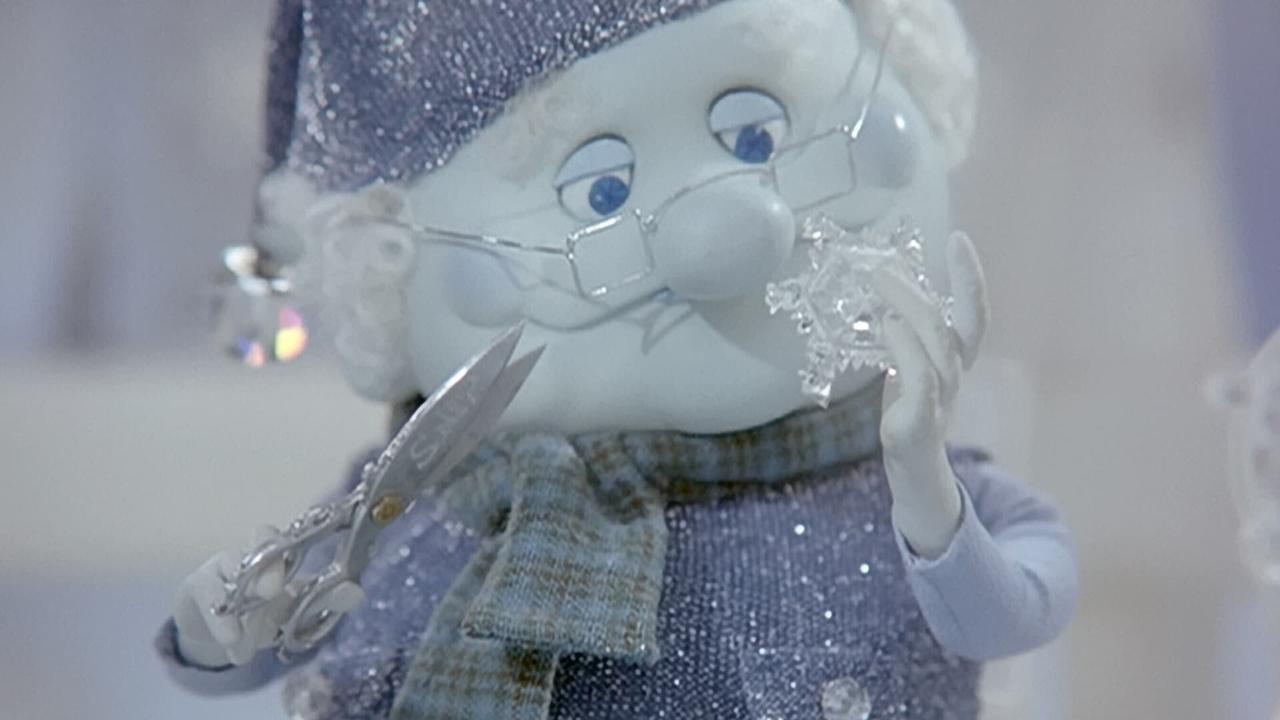
Their paths intertwine, leading them through enchanted forests, encounters with bandits, and ultimately to the icy domain of Morozko, or Father Frost (Alexander Khvylya, suitably stern and majestic), the personification of winter himself. And let's not forget the legendary Baba Yaga (Georgi Millyar), residing in her iconic hut on chicken legs. Millyar, a frequent collaborator with Aleksandr Rou and a legend of Soviet cinema often cast as fairy tale villains, delivers a cackling, conniving performance that’s both creepy and comical – a definitive screen portrayal of the character.
A Visual Feast, Soviet Style
What truly sets Morozko apart is its visual style. Aleksandr Rou, working with writers Mikhail Volpin and Nikolai Erdman (adapting traditional folktales), crafted a world bursting with colour and imaginative, if sometimes endearingly dated, practical effects. Remember Ivan swatting away trees that magically bend to block his path? Or Baba Yaga's hut spinning and trotting through the woods? These moments, achieved through clever camerawork and physical effects long before digital rendering, possess a tangible, handcrafted charm that’s hard to replicate. The contrast between the sun-drenched summer scenes and the sparkling, frost-covered winter landscapes is visually striking, creating a palpable sense of seasonal magic.
The film was a huge success in the Soviet Union and Eastern Europe, becoming a beloved holiday classic. Its journey westward, however, often involved English dubbing of variable quality, which sometimes amplified the film's inherent strangeness for international audiences. It even gained a certain cult notoriety after being featured on Mystery Science Theater 3000, though watching it without the riffing reveals a genuinely artistic, albeit culturally specific, fantasy film.
Retro Fun Facts Unearthed
Digging into the making of Morozko reveals some interesting nuggets. Natalya Sedykh was actually a young figure skater when she was cast as Nastenka, bringing a natural grace to the role. Georgi Millyar, despite often playing terrifying figures like Baba Yaga or Koschei the Deathless in other Rou films, was reportedly a kind and gentle man beloved by the cast and crew. The film’s authentic feel comes from its deep roots in Russian folklore, explaining narrative turns – like Morozko testing Nastenka's politeness in the freezing cold – that might seem unusual to those raised on Western fairy tales. It’s a fascinating window into another culture's storytelling traditions, presented with earnestness and visual imagination.
Why It Still Casts a Spell
Watching Morozko today is like unearthing a peculiar time capsule. It’s a reminder that fantasy cinema wasn't always homogenous. Its pacing might feel leisurely compared to modern blockbusters, and its acting style can be theatrical, but its sincerity is undeniable. There's a genuine heart beneath the strangeness, particularly in Nastenka's quiet resilience and Ivan's eventual transformation (both physical and moral). You find yourself rooting for them, even while chuckling at Marfushka furiously chewing nuts or Ivan trying to impress people by juggling logs that fly back and hit him.
Did it always make perfect sense? Maybe not, especially through the lens of childhood memory and occasionally wonky dubbing. But did it feel magical, transporting you to a world utterly different from your own? Absolutely. It captured that feeling of discovering something truly unique on the flickering screen, a bizarre but beautiful folk tale brought vividly to life.
VHS Heaven Rating: 7/10
Morozko earns a solid 7 for its unique visual charm, its authentic dip into Russian folklore, memorable character portrayals (especially Baba Yaga and Marfushka), and its sheer unforgettable distinctiveness. It loses a few points for pacing that might test modern viewers and a certain cultural specificity that can sometimes translate as baffling weirdness. However, its artistry and handcrafted magic shine through.
It's a film that might leave you scratching your head, but likely with a nostalgic smile. Morozko remains a curious, colourful, and captivating journey back to a different kind of fantasy filmmaking – a true Soviet-era fairy tale found flickering on a well-loved VHS tape.