Alright space cadets, settle into your worn armchair, maybe pour yourself something that vaguely resembles Tang, and let's talk about a slice of late-70s sci-fi that beamed directly into the hearts of many young adventurers: Buck Rogers in the 25th Century. Released in 1979, just as the echoes of Star Wars' hyperdrive were still rattling cinema sound systems, this wasn't just a movie – it was the blast-off that launched a beloved TV series, bringing a pulp hero kicking and quipping into the disco era.
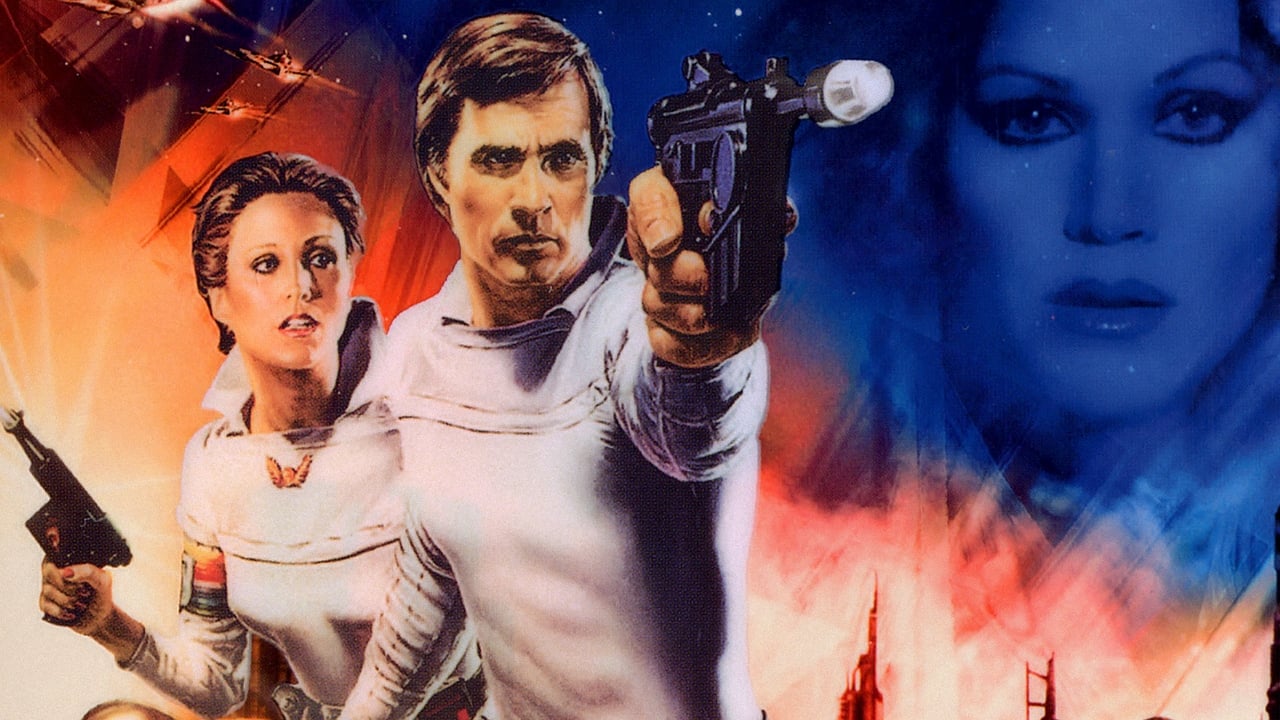
For many of us clutching our worn VHS copies later in the 80s, this film felt like pure wish fulfillment. Who wouldn't want to wake up 500 years in the future, suddenly equipped with charm, piloting skills, and an uncanny ability to adapt to spandex? Directed by Daniel Haller (known for some atmospheric Roger Corman productions like Die, Monster, Die!), the film version was actually a shrewd move by prolific TV producer Glen A. Larson, the man who also gave us the original Battlestar Galactica. Seeing the cinematic goldmine George Lucas had struck, Larson and Universal decided to release the planned TV pilot theatrically first. It was a gamble that paid off, pulling in over $21 million domestically (a decent return on its reported $21 million budget) and paving the way for the weekly adventures that followed.
### Thawing Out in Style
The premise is classic pulp: Captain William "Buck" Rogers (Gil Gerard), a NASA astronaut on a deep space probe in 1987, gets frozen in suspended animation only to be revived in 2491. Earth has recovered from a nuclear holocaust and is now defended by the Earth Defense Directorate, led by the capable and initially skeptical Colonel Wilma Deering (Erin Gray). Gerard, relatively unknown at the time, brought an easygoing, slightly wisecracking charm to Buck. He wasn't a brooding space warrior; he was more like a charming rogue dropped into a future he barely understood, reacting to ray guns and robot butlers with a shrug and a smile. It’s this relatable quality that made Buck instantly appealing.
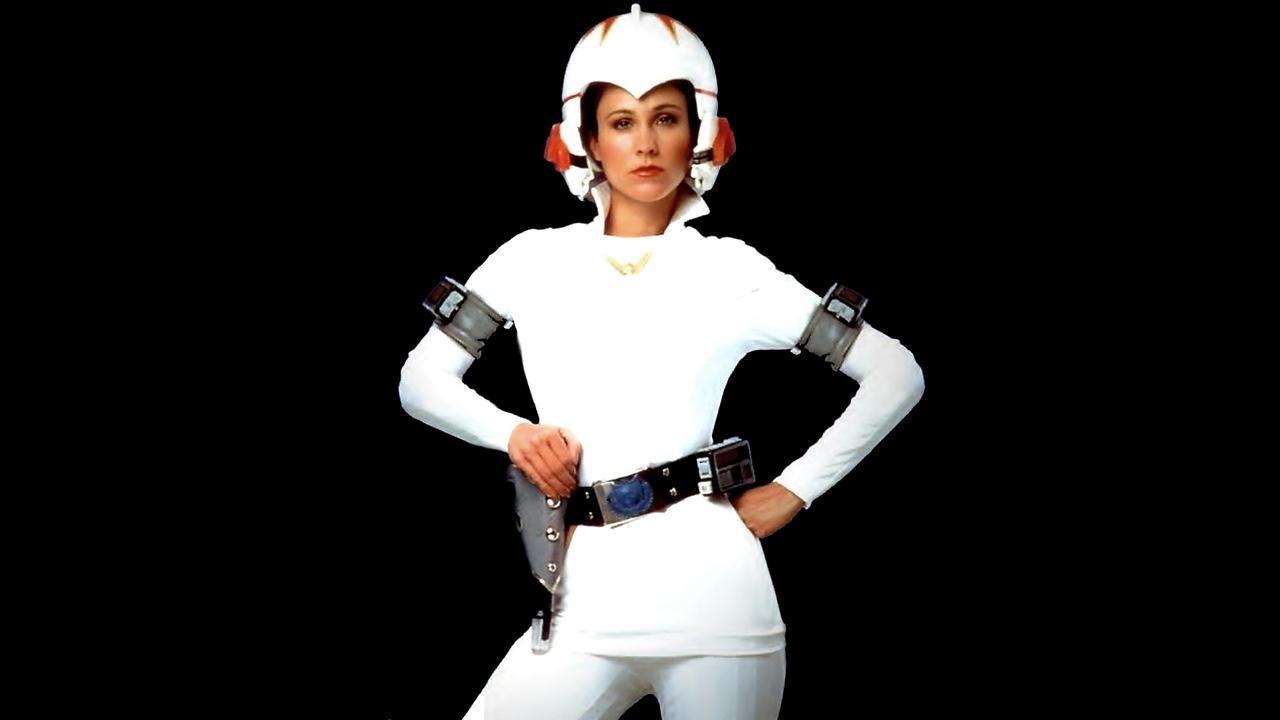
Opposite him, Erin Gray – who had transitioned from being one of the highest-paid models in the world – gave Wilma Deering a no-nonsense authority that was refreshing for the era. She wasn’t just a damsel in distress; she was a commander, a skilled pilot, and often the smartest person in the room. Their dynamic, shifting from suspicion to grudging respect and undeniable chemistry, formed the core of the film (and the subsequent series).
### A Future Painted in Chrome and Polyester
Let's be honest: the aesthetic is pure, glorious late-70s. Think shimmering fabrics, feathered hair that defies zero gravity, and sets that look like a collaboration between a high-end nightclub designer and NASA. The visual effects, while obviously dated compared to today's CGI spectacles, have a tangible charm. The model work on the Thunderfighters and Draconian Marauders feels solid and real in a way that often gets lost in digital creations. You can almost feel the care that went into crafting those miniature dogfights against starry backdrops. Sure, some of the matte paintings might look a little painterly now, but back then, projected onto a flickering CRT, they felt expansive and wondrous.
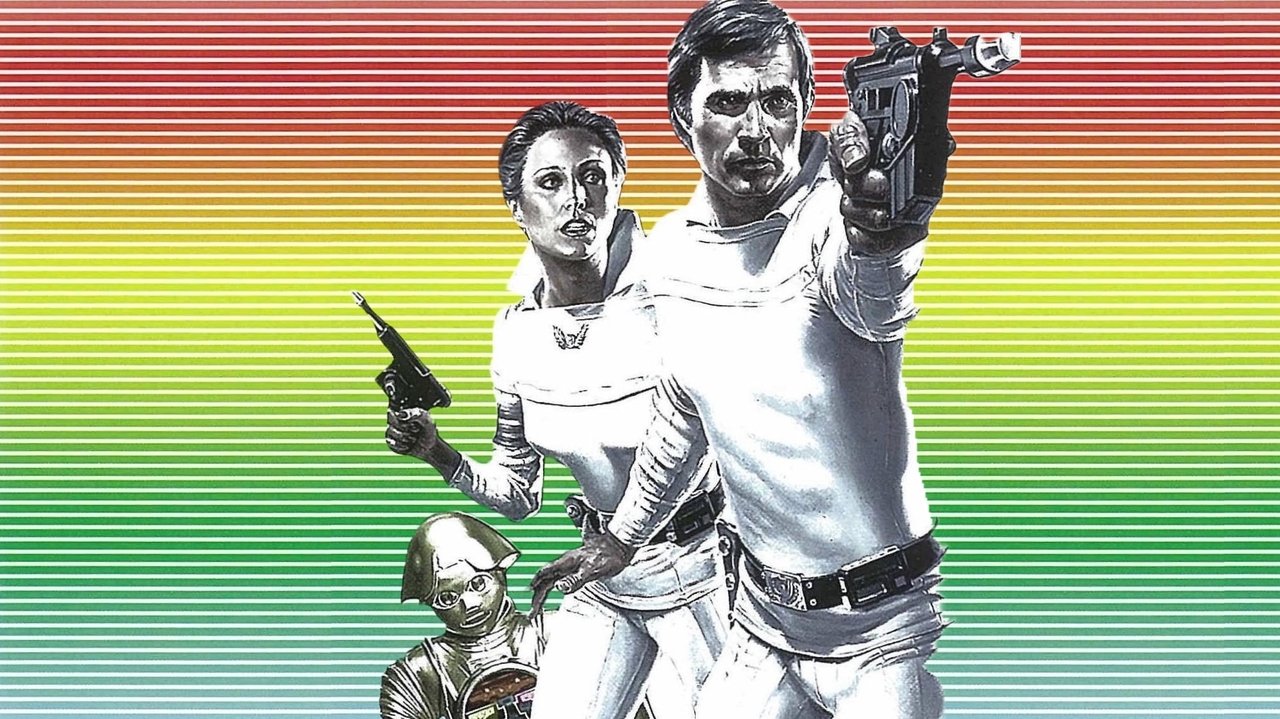
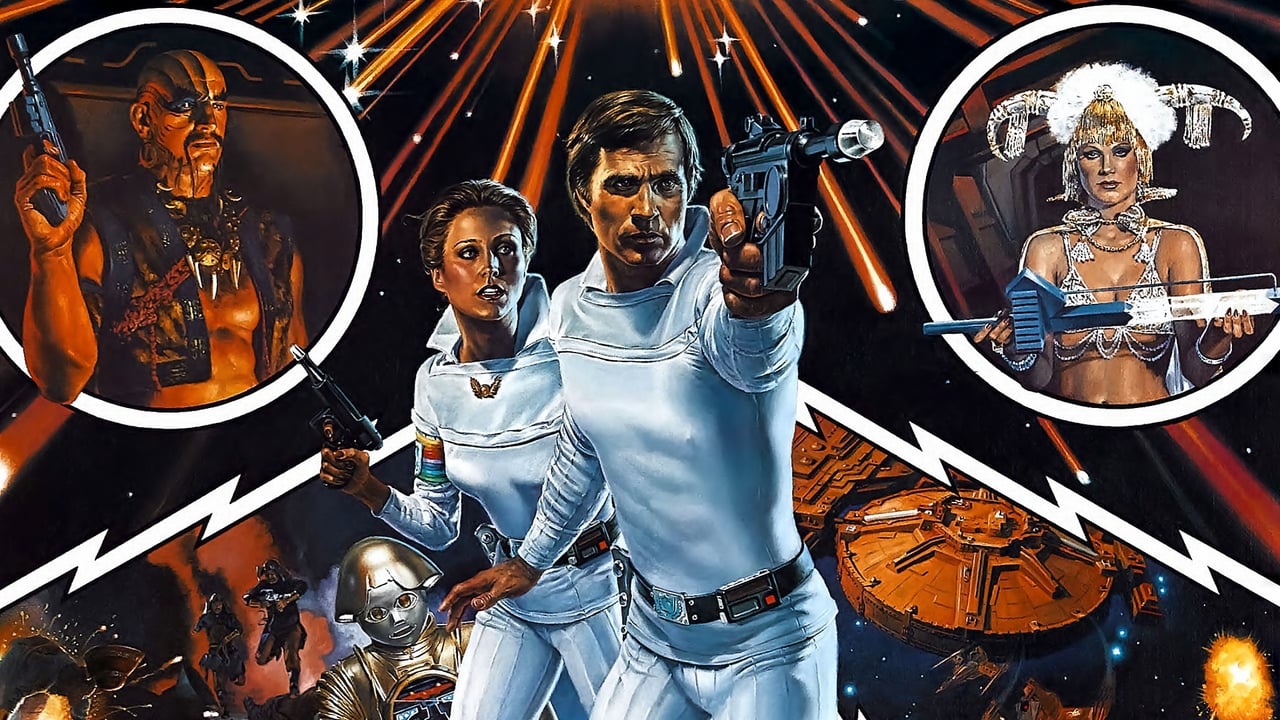
And who could forget Twiki? The diminutive ambuquad robot, voiced primarily by the legendary Mel Blanc (yes, that Mel Blanc, voice of Bugs Bunny!) with his signature "biddi-biddi-biddi," was the requisite cute sidekick. Slung around his neck was Dr. Theopolis, a disc-shaped sentient computer who provided exposition and strategic advice. It was goofy, yes, but undeniably memorable. Twiki became an instant icon, embodying the slightly campy, fun-loving spirit of the show. I distinctly remember wanting my own talking robot buddy after seeing this – preferably one less prone to disco dancing.
### Of Princesses and Plots
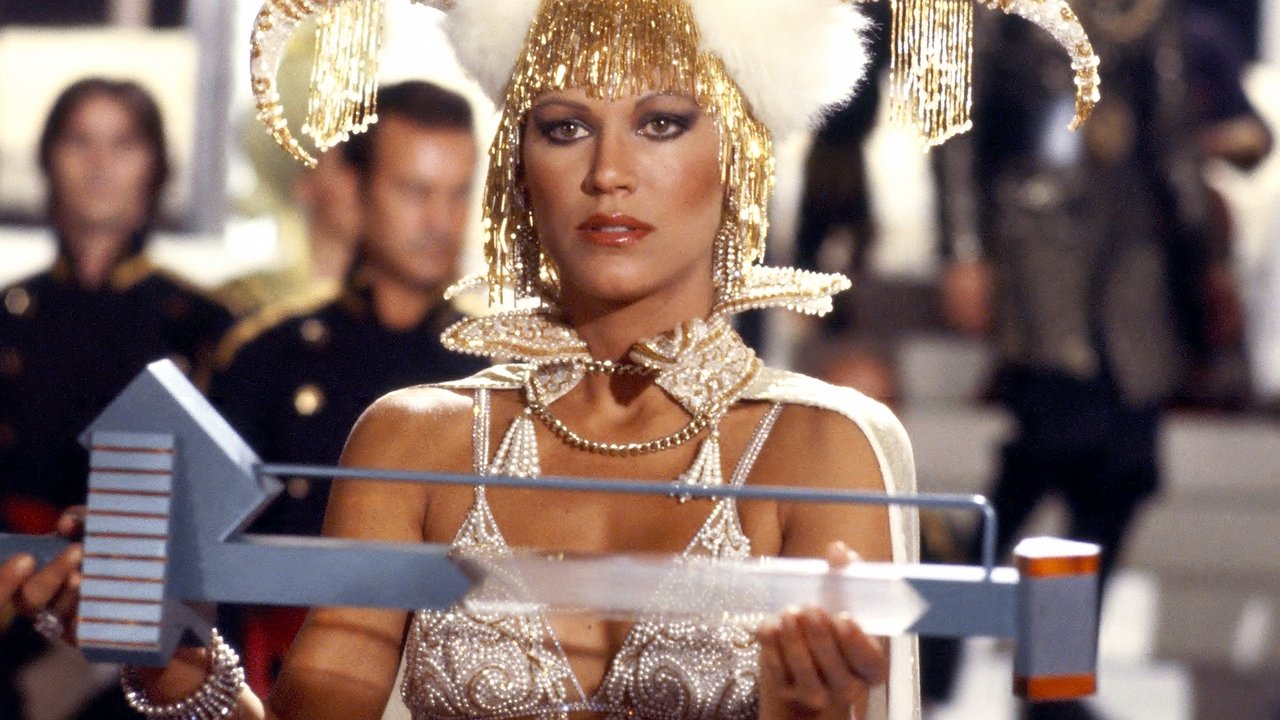
The central conflict involves the arrival of the Draconian Empire, led by the alluring and ambitious Princess Ardala (Pamela Hensley) and her imposing enforcer, Kane (played initially by Henry Silva in the film, later by Michael Ansara in the series). Hensley, known for various TV roles, absolutely devoured the scenery as Ardala. She was cunning, ruthless, yet undeniably drawn to Buck's 20th-century swagger. Her elaborate costumes and regal pronouncements provided a fantastic counterpoint to the more grounded Earth forces. The plot itself, involving trade treaties, hidden agendas, and pirate attacks, is fairly straightforward space opera fare, penned by Larson and Leslie Stevens (creator of The Outer Limits), but it serves primarily as a vehicle for action, character introductions, and showcasing this dazzling, strange new future.
Retro Fun Fact: The iconic, pulsating theme music by Stu Phillips (who also scored Battlestar Galactica) perfectly captured the film's blend of adventure and disco-era futurism. It's one of those themes that instantly transports you back. Another tidbit: some of the spaceship sound effects were famously recycled from Battlestar Galactica, a common cost-saving practice for Larson's productions that sharp-eared fans delighted in spotting.
### Still Worth the Trip?
Watching Buck Rogers in the 25th Century today is like opening a time capsule filled with optimistic futurism, charmingly dated effects, and a healthy dose of 70s cheese. It lacks the grit of modern sci-fi or the epic scope of Star Wars, but it offers something else: unpretentious fun and adventure. The chemistry between Gerard and Gray is palpable, Hensley makes for a captivating villainess, and the whole production has an infectious energy. It doesn't take itself too seriously, inviting the audience to just enjoy the ride.
It captured imaginations because it presented a future that, despite its past trauma, felt bright, sleek, and full of possibilities – a stark contrast to the often dystopian visions that would follow in the 80s. It was sci-fi you could relax into, a comforting vision of tomorrow filled with heroes you wanted to hang out with.
Rating: 7/10
This score reflects the film's undeniable nostalgic charm, fun characters, and its successful launch of a beloved series. It’s held back slightly by its TV-pilot structure (sometimes feeling episodic) and effects that haven't aged as gracefully as some contemporaries. However, for sheer retro enjoyment and capturing that specific late-70s sci-fi vibe, it’s a winner.
So, if you find a copy gathering dust on a shelf, pop it in. You might just find yourself humming that theme tune and thinking, "Biddi-biddi-biddi, what a fun blast from the past!"