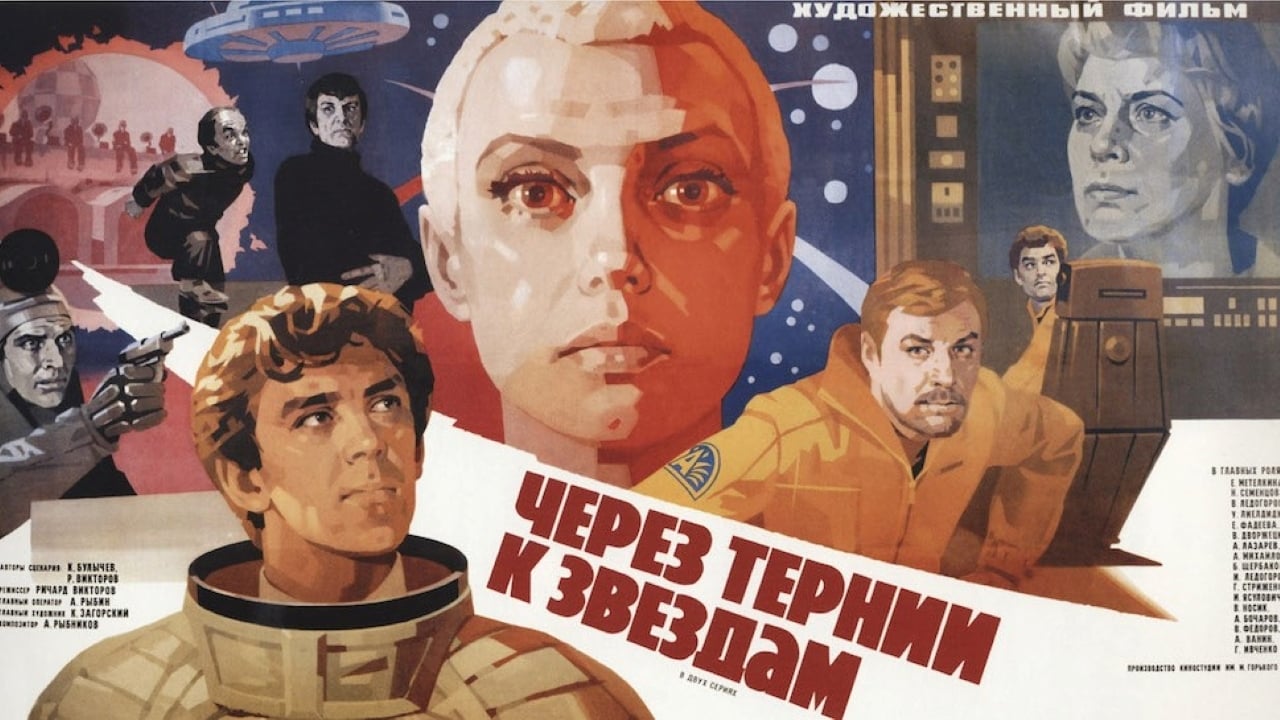
Okay, fellow tapeheads, let's rewind to a corner of the video store that perhaps didn't get as much foot traffic as the Stallone or Schwarzenegger aisles, but held treasures all its own. Sometimes, nestled between familiar blockbusters, you'd find something utterly strange, something clearly not from Hollywood, beckoning with enigmatic cover art. That's the vibe I get remembering the first time I encountered the 1981 Soviet science fiction film To the Stars by Hard Ways (or its original, more poetic title, Per Aspera Ad Astra). It wasn’t your typical space opera; it felt like a transmission from another reality entirely.
An Enigma from the Void
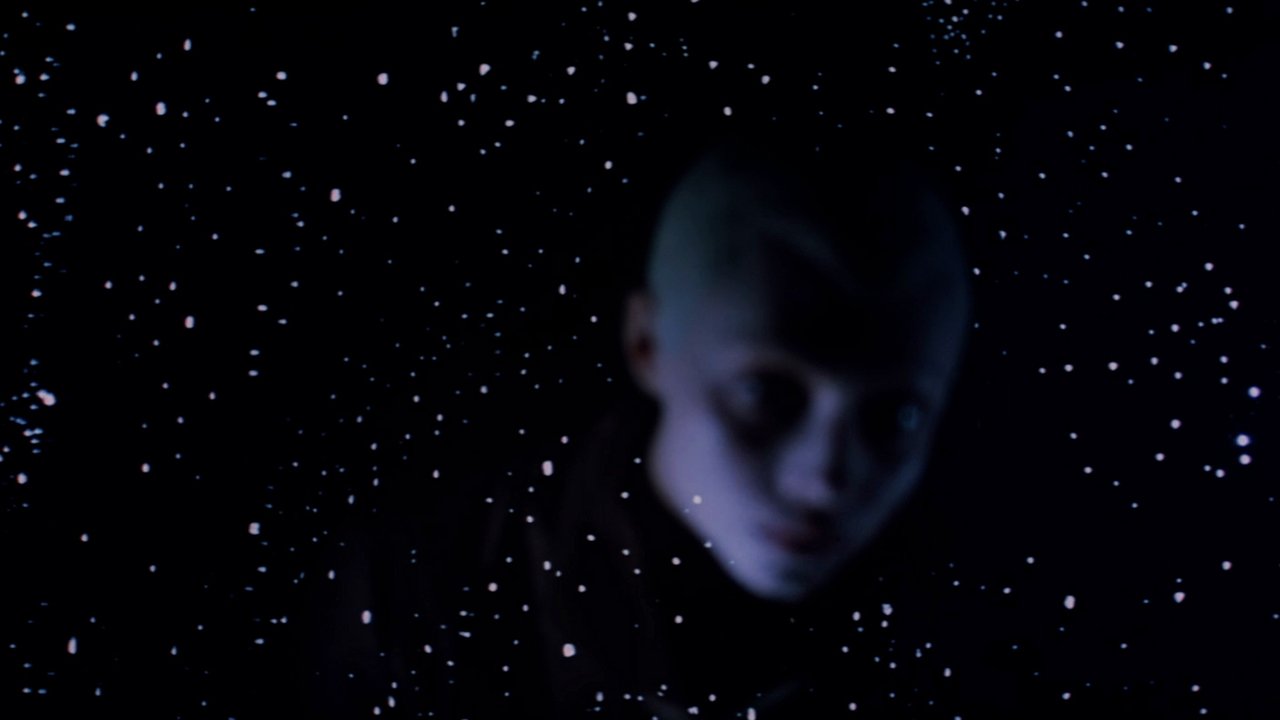
The film opens with a discovery that immediately sets it apart. Explorers aboard the spaceship Pushkin stumble upon a derelict alien vessel containing the sole survivor: a hauntingly beautiful, near-mute artificial humanoid named Niya. Played with an astonishing, ethereal presence by Yelena Metyolkina (a former model whose otherworldly look was perfect for the role), Niya is brought back to Earth. She's a blank slate, possessing incredible abilities but no memory of her origins or purpose. Much of the film's early power comes from watching her slowly adapt, observing human life with wide, innocent eyes, while scientists – particularly the kind-hearted Stepan Lebedev (Vadim Ledogorov) – try to understand who, or what, she is.
There's a deliberate, almost dreamlike pace to these early scenes, beautifully captured by director Richard Viktorov, who was already known in the USSR for his popular youth sci-fi duology Moscow-Cassiopeia (1973) and Teens in the Universe (1974). Working from a script he co-wrote with legendary Soviet sci-fi author Kir Bulychev (adapting his own novella), Viktorov crafts a world that feels both futuristic and strangely familiar, grounded in a very human curiosity about the unknown.
Worlds of Wonder and Ruin
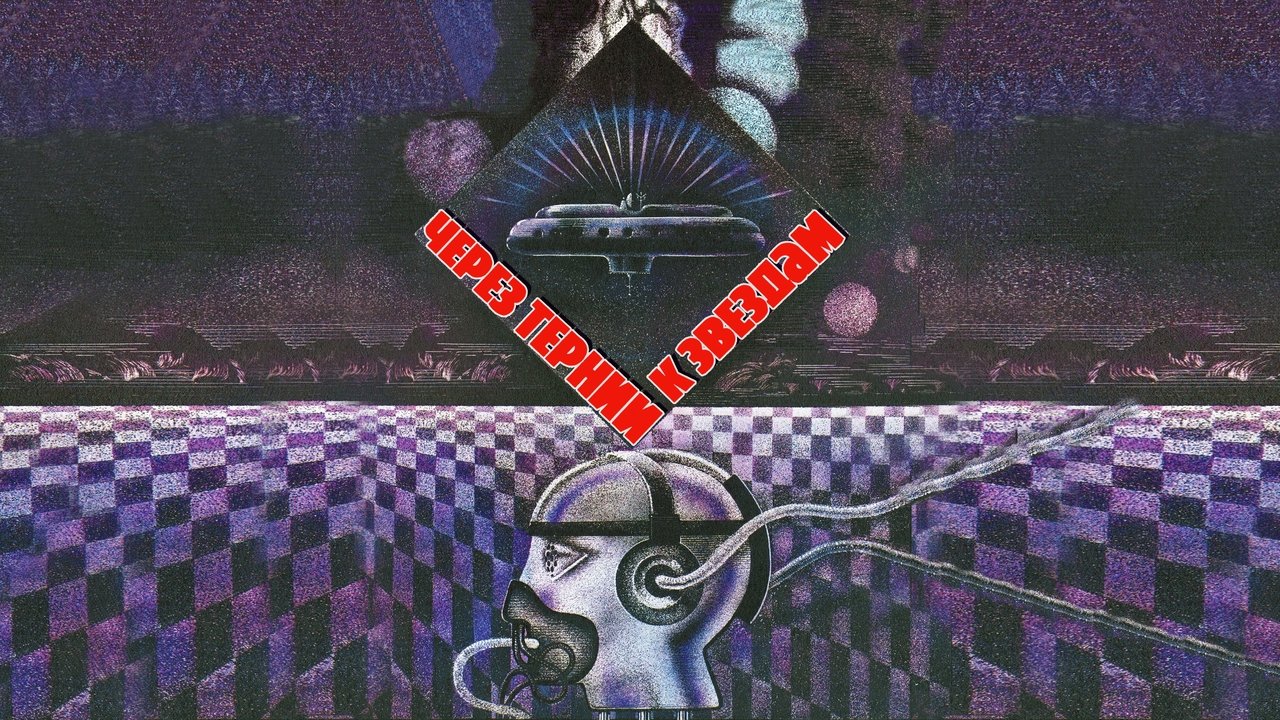
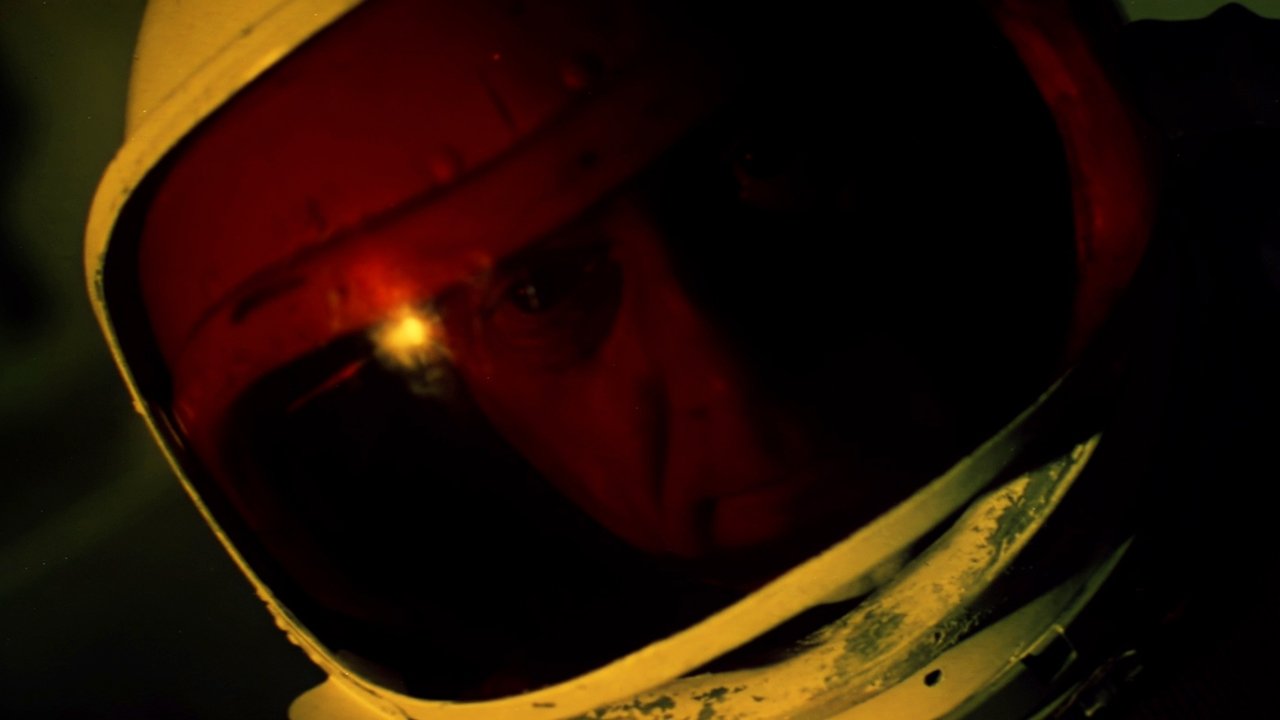
Where To the Stars by Hard Ways truly blasts off is when Niya’s memories begin to surface, leading Stepan and a determined crew back to her home planet, Dessa. What they find is genuinely shocking and surprisingly prescient: a world ecologically devastated by its inhabitants, choked by pollution, its oceans turned to toxic sludge. The sequences on Dessa are visually arresting, showcasing a kind of bleak, industrial beauty that stands in stark contrast to the cleaner, hopeful vision of Earth presented earlier. The production design, while clearly working within the constraints of Soviet-era filmmaking, achieves a unique and memorable look. Remember those glowing orange environmental suits? Pure retro-futuristic gold!
The practical effects, naturally, have that distinct 80s charm. Some sequences, like the underwater exploration or the glimpses of Dessa's bizarre flora and fauna (that weird, tentacled beach creature!), might look dated now, but back then, viewed on a flickering CRT, they possessed a genuine power. There's an earnestness to the filmmaking, a commitment to realizing its vision, that shines through even when the seams show a little. This wasn't about sleek Hollywood polish; it was about telling a story with imagination and heart.
Echoes from the Eastern Bloc
Digging into the film's history reveals some fascinating tidbits. To the Stars by Hard Ways was a significant hit in the Soviet Union, reportedly drawing over 20.5 million viewers in its first year – a testament to its imaginative scope and perhaps its underlying messages. Bulychev's story wasn't just sci-fi adventure; it contained potent environmental warnings and subtle critiques of unchecked industrial progress, themes that likely resonated behind the Iron Curtain just as they do globally today. Watching Niya navigate the bureaucracy and occasional absurdity of Earth society also provides moments of gentle satire.
It's also worth noting that the version many might encounter today isn't quite the original 1981 cut. In 2001, the director's son, Nikolai Viktorov, undertook a significant restoration. This newer version trims some scenes deemed overt Soviet propaganda (like extended sequences involving Pioneers, the youth organization), digitally enhances some effects, shortens the runtime, and adds a modern Dolby Digital soundtrack. While purists might debate the changes, the restoration undoubtedly makes the film more accessible to contemporary audiences while preserving its core narrative and unique atmosphere. Finding an original VHS rip might offer a different, perhaps more authentically "of its time" experience, but the restoration keeps the film’s spirit alive.
A Journey Worth Taking
What makes To the Stars by Hard Ways stick with you isn't just its unique Soviet sci-fi aesthetic or its surprisingly relevant themes. It's the emotional core centered on Niya. Yelena Metyolkina's performance is captivating; she conveys so much confusion, wonder, and eventual determination with minimal dialogue. Her journey from an enigmatic artificial being to someone fighting for the future of her devastated home world gives the film a genuine soul. The supporting cast, including the stalwart Uldis Lieldidz as the expedition leader Sergei Lebedev, adds a solid human element to the cosmic proceedings.
Sure, the pacing can feel contemplative compared to modern blockbusters, and some plot elements might seem a touch naive by today's cynical standards. But the film's ambition, its visual creativity (within its means), and its heartfelt plea for environmental responsibility make it a standout piece of 80s science fiction, offering a fascinating counterpoint to the Western hits of the era.
***

VHS Heaven Rating: 7.5/10
Justification: To the Stars by Hard Ways earns its score through sheer ambition, its unique visual style born from Soviet-era constraints, Yelena Metyolkina's unforgettable central performance, and its surprisingly prescient environmental themes. It’s a thoughtful, often beautiful, and genuinely distinct piece of sci-fi history. Points are slightly deducted for pacing that might test modern viewers and effects that are charmingly dated rather than spectacular, but its heart and imagination shine through brightly.
Final Thought: This isn't just a movie; it's a fascinating glimpse into a different world of filmmaking, a reminder that compelling science fiction could blossom anywhere, even on the other side of the Iron Curtain. Definitely worth seeking out if you crave something beyond the usual Hollywood hyperspace lanes.