The air in that classroom feels thick, stagnant. Not just with chalk dust, but with a palpable sense of decay, a disillusionment so profound it clings to the very walls. Welcome to the world of Angel Guts: Red Classroom (Tenshi no Harawata: Akai Kyōshitsu), a 1979 dispatch from the darkest corners of Japanese cinema that likely haunted the shelves of more adventurous video stores, its stark cover art hinting at something far removed from typical exploitation fare. This isn't a film you watch for comfort; it's one that confronts, disturbs, and burrows under your skin with icy precision.
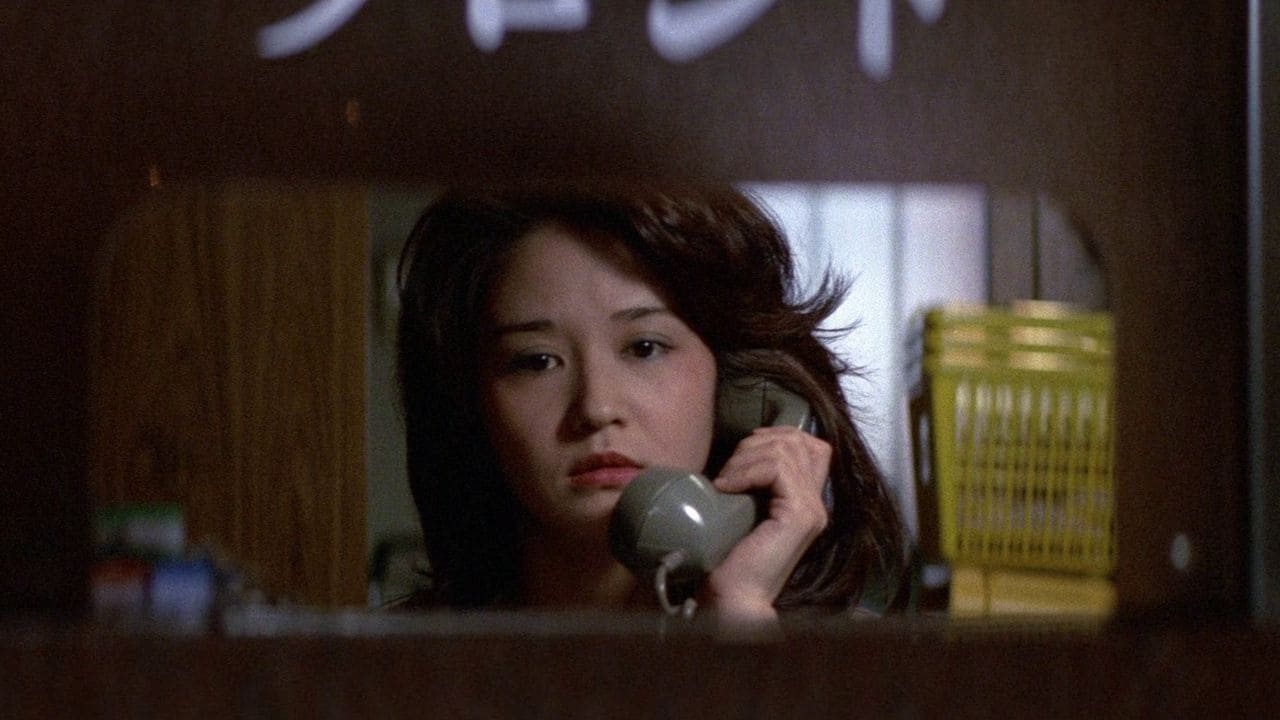
Directed by Chūsei Sone, a veteran of Nikkatsu's famed "Roman Porno" production line, Red Classroom operates within that studio's peculiar constraints – a mandate for regular intervals of erotic content – yet transcends them utterly. Where some filmmakers might have treated the formula as a limitation, Sone, working from a script by Ichirō Uehara, uses the seemingly obligatory sex scenes almost as punctuation marks in a narrative drowning in nihilism and social despair. This wasn't just erotica; it felt like a howl of rage smuggled inside a commercial wrapper, a tactic many Nikkatsu directors employed to explore forbidden themes under the studio's radar.
A Descent into Urban Hell
The premise is deceptively simple, yet spirals rapidly into darkness. High school teacher Nawa (Miyako Yamaguchi) is brutally attacked and raped by three delinquents. Months later, traumatized but attempting normalcy, she finds herself teaching a night class populated by societal outcasts. Among them is Muraki (Keizo Kanie), a brooding figure whose presence radiates menace. The classroom becomes a microcosm of societal breakdown, a pressure cooker where repressed trauma, simmering violence, and bleak apathy collide.
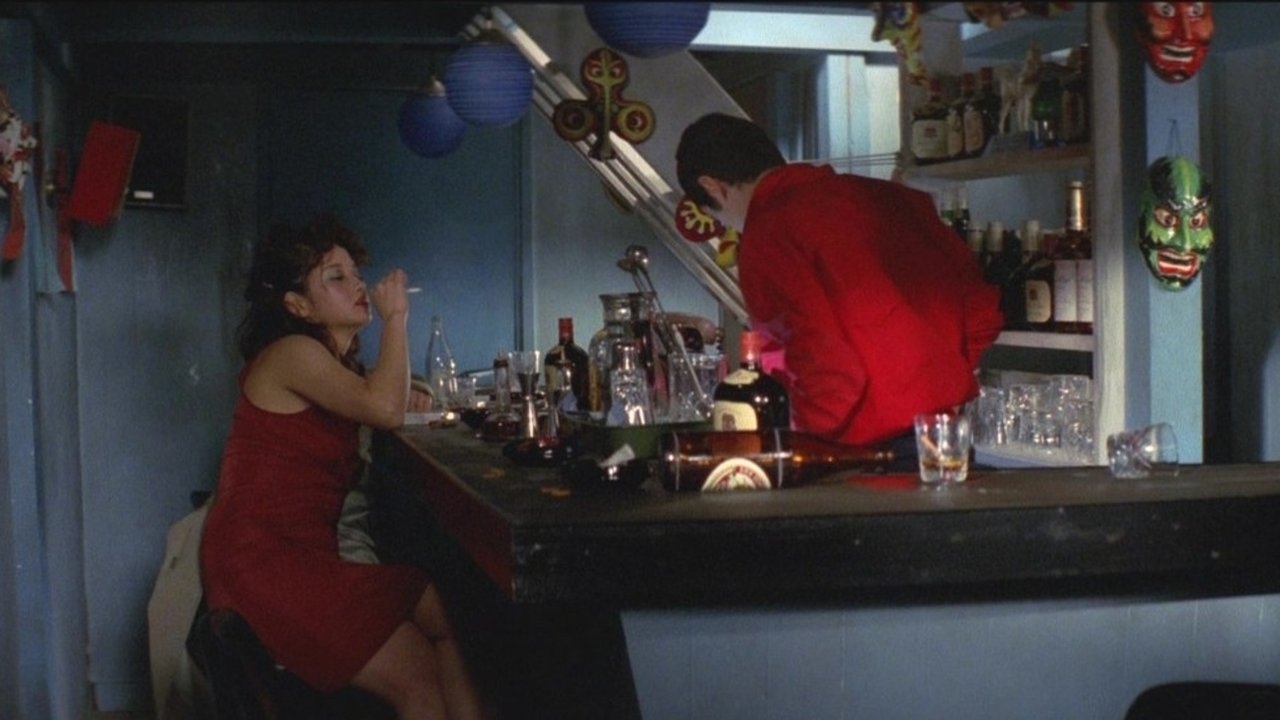
Keizo Kanie, a truly formidable actor known for intense roles across film and television (viewers might recognize his unsettling presence from films like Kinji Fukasaku's Virus from 1980), delivers a performance here that is utterly chilling. His Muraki isn't a cartoon villain; he's a terrifyingly plausible product of his environment, embodying a cold, predatory emptiness. His interactions with Miyako Yamaguchi's Nawa are fraught with a tension that goes far beyond simple predator-prey dynamics, exploring complex, disturbing psychological territory. Yamaguchi, too, navigates incredibly difficult terrain, portraying Nawa’s fractured psyche with a vulnerability that makes the unfolding horror all the more impactful.
The Weight of Bleakness
What truly sets Red Classroom apart is its unflinching atmosphere. Sone crafts a vision of late-70s Japan suffocating under its own progress, capturing the alienation of urban life through stark visuals and a muted colour palette. The environments – rundown classrooms, desolate streets, claustrophobic apartments – feel less like sets and more like psychic landscapes reflecting the characters' inner turmoil. There's a grimy realism here, a far cry from the neon gloss often associated with the era. The pacing is deliberate, allowing the dread to accumulate slowly, punctuated by moments of shocking brutality that feel earned, not gratuitous, within the film's bleak worldview.

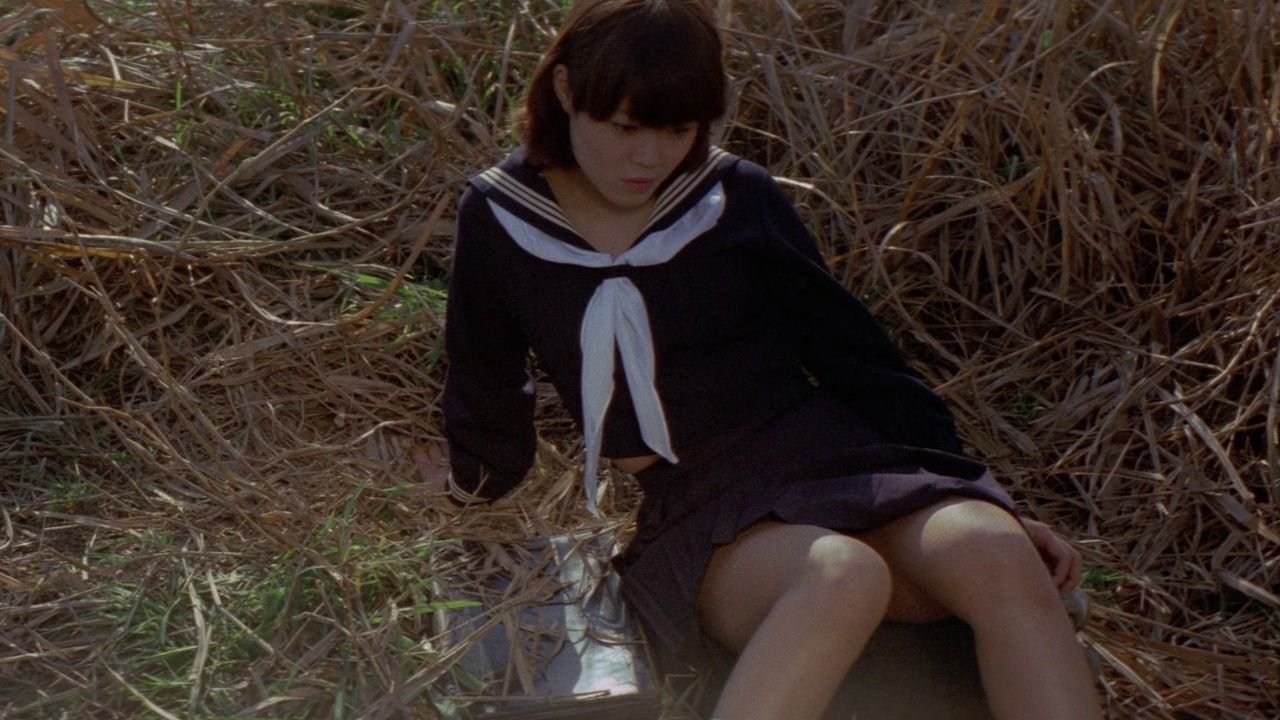
It's worth noting that Angel Guts: Red Classroom is the fifth installment in the loosely connected Angel Guts series, based on the manga by Takashi Ishii (who would later direct acclaimed films like Gonin). While sharing thematic concerns, each film stands alone, often pushing boundaries in different ways. Red Classroom is frequently cited as one of the most potent and disturbing entries, precisely because it focuses so intensely on psychological violation and societal rot rather than just physical violence. Legend has it that the production, like many Roman Porno films, was shot incredibly quickly and on a minuscule budget, forcing a raw, almost documentary-like feel that enhances its power. The constraints arguably fueled its stark aesthetic.
Beyond Exploitation?
Is Angel Guts: Red Classroom exploitative? It's a question that hangs heavy over the film. It undoubtedly deals with horrific subject matter – rape, violence, profound despair. Yet, Sone's handling feels less aimed at titillation and more at a brutal, unflinching examination of trauma's aftermath and the societal sickness that breeds such violence. It refuses easy answers or catharsis. Did that ending leave you feeling anything other than hollowed out? It’s designed to linger, to provoke discomfort rather than satisfaction. This is challenging cinema, demanding engagement but offering little solace.
Finding a pristine copy of this on VHS back in the day was likely a minor miracle, often relegated to dubbed, muddy transfers that perhaps inadvertently added to the grimy, forbidden feel. Watching it now, with cleaner visuals available, doesn't diminish its impact; it sharpens the edges, making Sone's grim vision even clearer. It’s a film that reminds you of a time when distributors took risks, and certain tapes felt genuinely dangerous to watch alone late at night.
***
VHS Heaven Rating: 7/10
Justification: Angel Guts: Red Classroom is a powerful, deeply unsettling piece of filmmaking that transcends its Roman Porno origins to deliver stark social commentary and psychological horror. Keizo Kanie's performance is magnetic and terrifying, and Chūsei Sone's direction crafts an unforgettable atmosphere of dread. However, its extreme bleakness, challenging subject matter, and deliberate pacing make it a difficult and often unpleasant watch. It earns points for its artistic ambition and unflinching vision but loses some for its potentially alienating nihilism and the inherent discomfort of its narrative. It's a significant work within its niche, but undeniably demanding.
Final Thought: This isn't a tape you'd casually pop in for fun, but for those exploring the darker, more challenging side of 70s Japanese cinema and the raw potential hidden within the Roman Porno label, Red Classroom remains a potent, unforgettable, and deeply chilling experience. It’s a scar left on film, still capable of making you feel unsafe in your own living room.