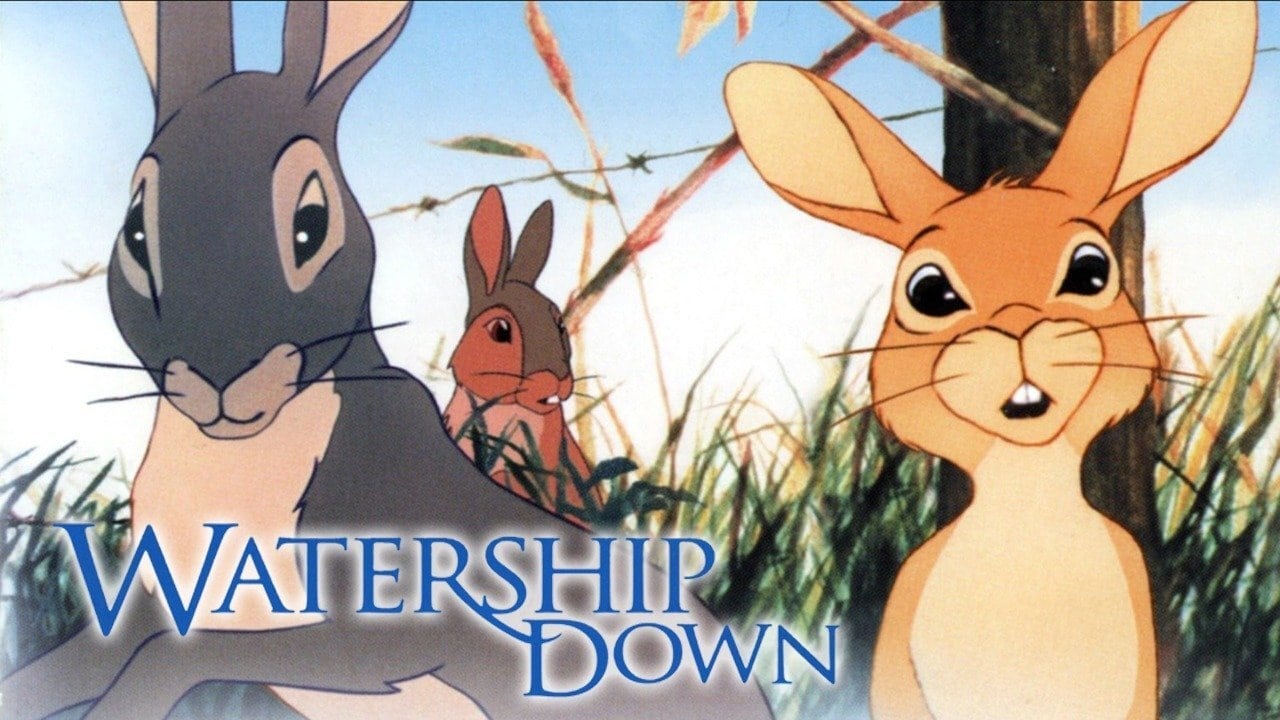
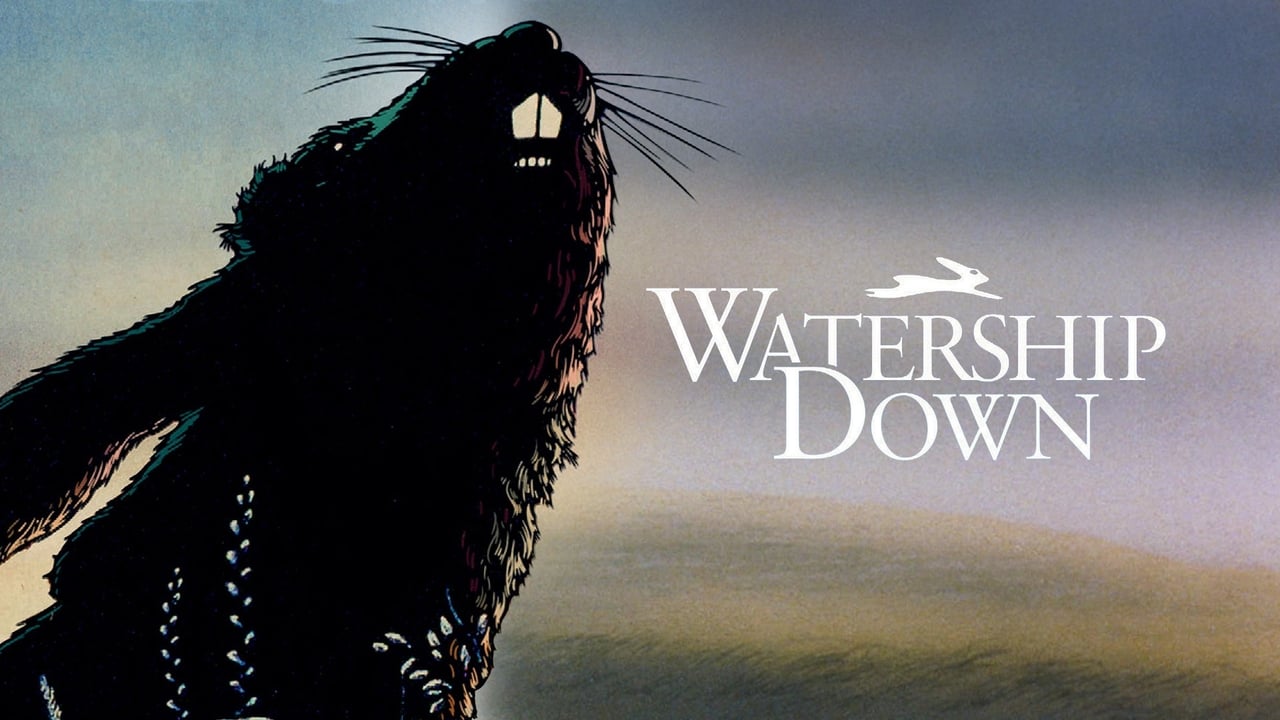
That slightly worn Thorn EMI VHS box… remember it? Sitting there on the shelf at Blockbuster or maybe your local corner video store, nestled perhaps between the family section and something decidedly less innocent. Watership Down (1978). Rabbits on the cover, often drawn in a soft, almost storybook style. How bad could it be, you might have thought, grabbing it for a weekend watch? And then… well, then the film began. For many of us discovering it on tape in the 80s, it wasn't quite the gentle pastoral adventure the cover art sometimes hinted at. It was something far more raw, more primal, and frankly, unforgettable.
Beyond the Meadow
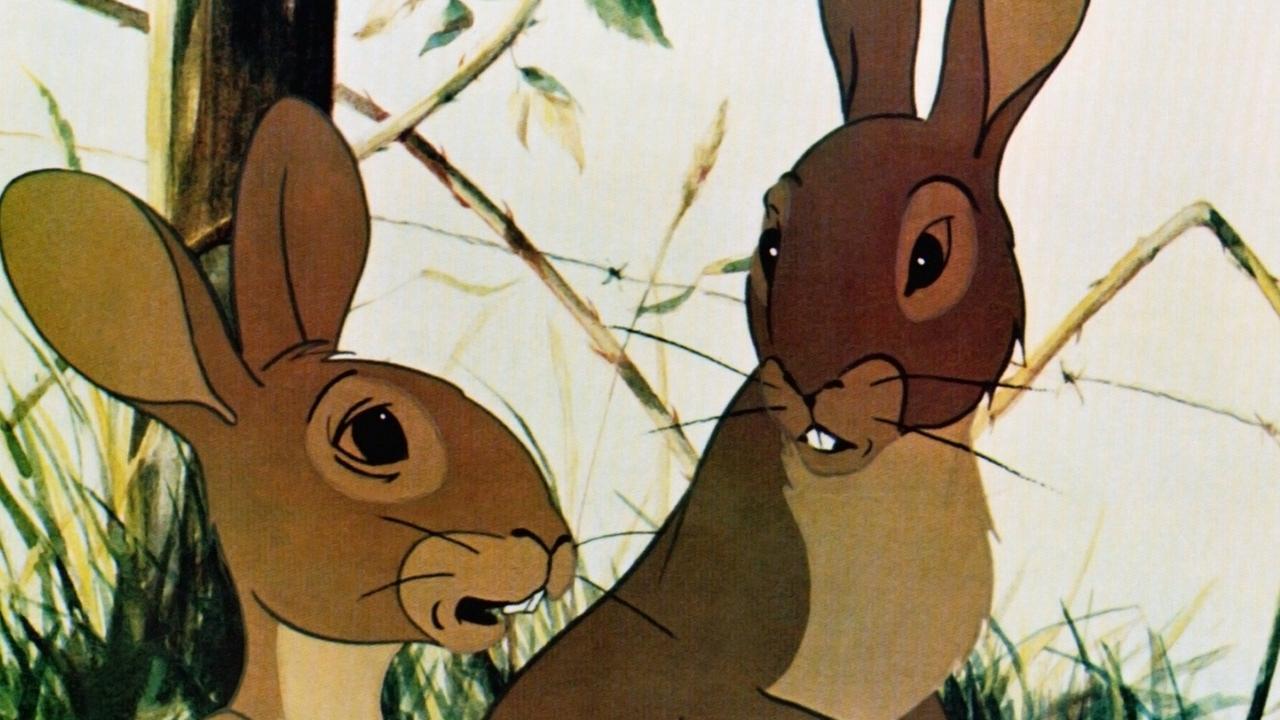
Right from the start, Martin Rosen's adaptation of Richard Adams' epic novel sets itself apart. This isn't the slick, rounded world of Disney animation we grew up with. The visual style feels earthy, textured, rendered in watercolours and pencil strokes that give it a unique, slightly rugged beauty. The landscapes are often stunning, capturing the English countryside with a painterly quality. But there's an undercurrent, isn't there? A sense of melancholy, even dread, that creeps in almost immediately through the visions of Fiver, voiced with such quivering conviction by the wonderful Richard Briers (forever etched in many minds from The Good Life). His premonitions aren't vague anxieties; they are visceral flashes of blood-soaked fields, a stark warning that forces his brother Hazel to act.
A Perilous Search for Home
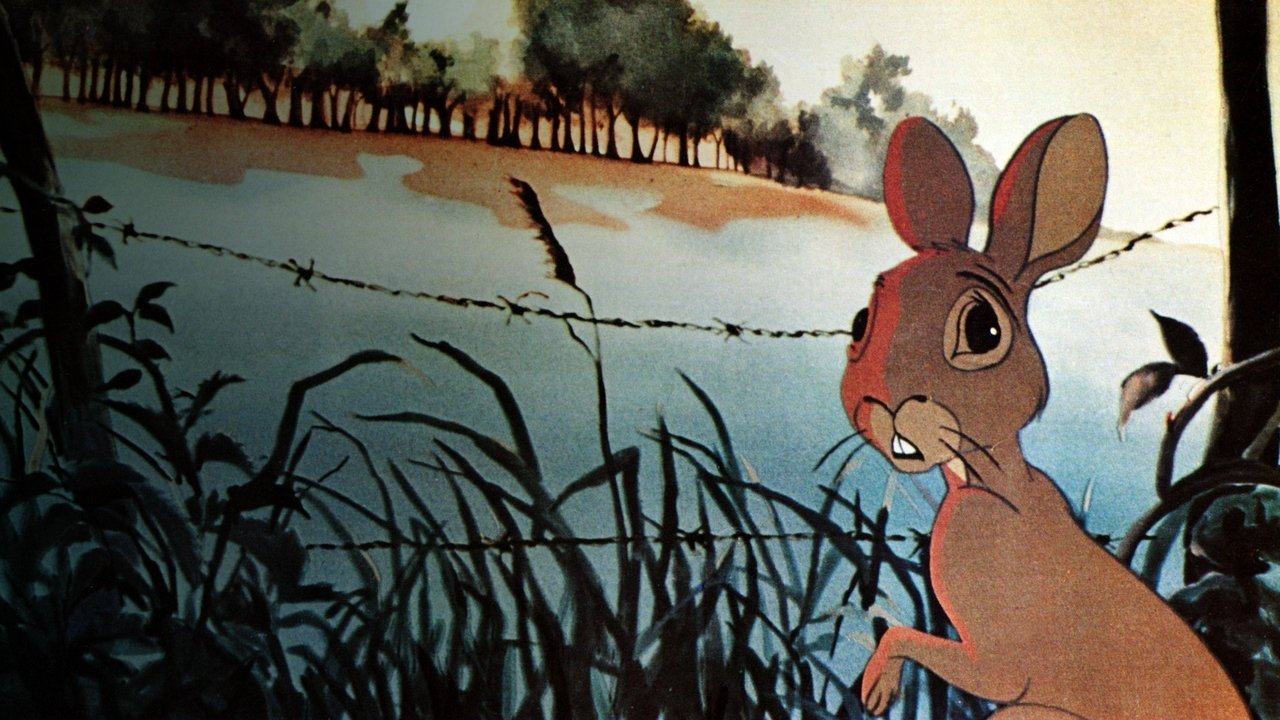
The core narrative is deceptively simple: a small band of rabbits, led by the pragmatic and courageous Hazel (voiced with quiet strength by John Hurt, who could convey galaxies of emotion with just his tone), flee their doomed warren in search of a safe haven. Yet, their journey across the down is anything but simple. It's fraught with predators, treacherous crossings, and the chilling reality that the greatest threat often comes from their own kind. The film doesn't shy away from the brutality of nature or the harsh necessities of survival. We see traps, snares, desperate fights – moments rendered with a startling frankness that likely caught many young viewers (and their parents) completely off guard back in the day. Was there ever a more chilling animated antagonist than General Woundwort, the terrifyingly fascistic leader of the Efrafa warren? His presence exudes menace, a stark representation of tyranny born from fear.
Echoes in the Voice
What truly elevates Watership Down beyond just a "dark cartoon" is the phenomenal voice cast. These aren't just actors reading lines; they inhabit these characters. John Hurt brings a weary nobility to Hazel, the reluctant leader constantly making impossible choices. Richard Briers perfectly captures Fiver's nervous energy and prophetic burden. And the legendary Sir Ralph Richardson, lending his gravitas to the Threarah (the Chief Rabbit of the doomed Sandleford warren), adds a layer of tragic authority. Even smaller roles resonate, like Zero Mostel's brief but brilliant turn as the eccentric seagull Kehaar, providing necessary, if slightly unhinged, levity. Their performances give the rabbits distinct personalities and emotional weight, making their struggles deeply affecting. You believe in their fear, their loyalty, their desperation.
The Shadow of the Black Rabbit
The film confronts mortality head-on in a way few animated features dared to, then or now. The rabbits have their own mythology, centered around the sun-god Frith and the Black Rabbit of Inlé, their grim reaper figure. This isn't presented as necessarily evil, but as a natural, inevitable part of life's cycle. The sequence depicting the creation myth has a haunting, folkloric quality, and the appearances of the Black Rabbit are genuinely chilling, yet poignant. It adds a philosophical depth, forcing contemplation on life, death, and the courage it takes to face the inevitable. And who could forget the impact of Art Garfunkel's "Bright Eyes"? Played over a particularly heart-wrenching sequence, its gentle melody contrasts sharply with the on-screen tragedy, embedding itself permanently in the memory of anyone who saw the film at a formative age. It’s a masterclass in using music to amplify emotion, a moment that still brings a lump to the throat.
An Enduring, Unflinching Vision
Watching Watership Down today, perhaps on a format far removed from that worn VHS tape, its power remains undiminished. Yes, the animation might seem less fluid compared to modern standards, but its artistry lies in its atmosphere and its unflinching commitment to the source material's themes. It respects its audience enough to present a story about survival, leadership, and sacrifice without sanding off the rough edges. It’s a film that sparked countless discussions – was it too scary for children? Did the violence overshadow the message? But isn't that the mark of something significant? It provoked a reaction, stayed with you long after the credits rolled and the VCR whirred to a stop. It reminded us that animation could be a medium for complex, challenging storytelling, not just fairy tales.
Rating: 9/10
The justification? Watership Down is a landmark piece of animation. Its mature themes, exceptional voice acting, unique visual style, and emotional depth far outweigh any perceived roughness in the animation itself. It's a harrowing, beautiful, and ultimately hopeful story about the enduring spirit in the face of overwhelming adversity. It earns its darkness, making the moments of peace and triumph all the more resonant.
It remains a singular experience, a film that perhaps inadvertently traumatized some, but undoubtedly captivated and moved many more. What lingers most, perhaps, is the quiet courage of Hazel, facing the unknown, guided by faith in his brother and the simple, desperate need for a safe place to call home – a quest that feels profoundly, enduringly human, even when embodied by rabbits.