It’s almost impossible, isn't it, to talk about Kevin Costner’s turn as the legendary lawman in Wyatt Earp without mentioning the other gunslinger that arrived just months before? Casting a long shadow from its release just six months prior, Tombstone offered audiences a shot of cinematic whiskey – quick, fiery, and instantly memorable. By contrast, renting Lawrence Kasdan's 1994 epic felt like a different proposition altogether. Clocking in at a formidable 191 minutes (with an even longer extended cut surfacing later on home video), this wasn't just a movie night; it felt like a commitment, a deep dive into the sprawling, often contradictory life behind the legend.
### A Different Kind of Western Epic
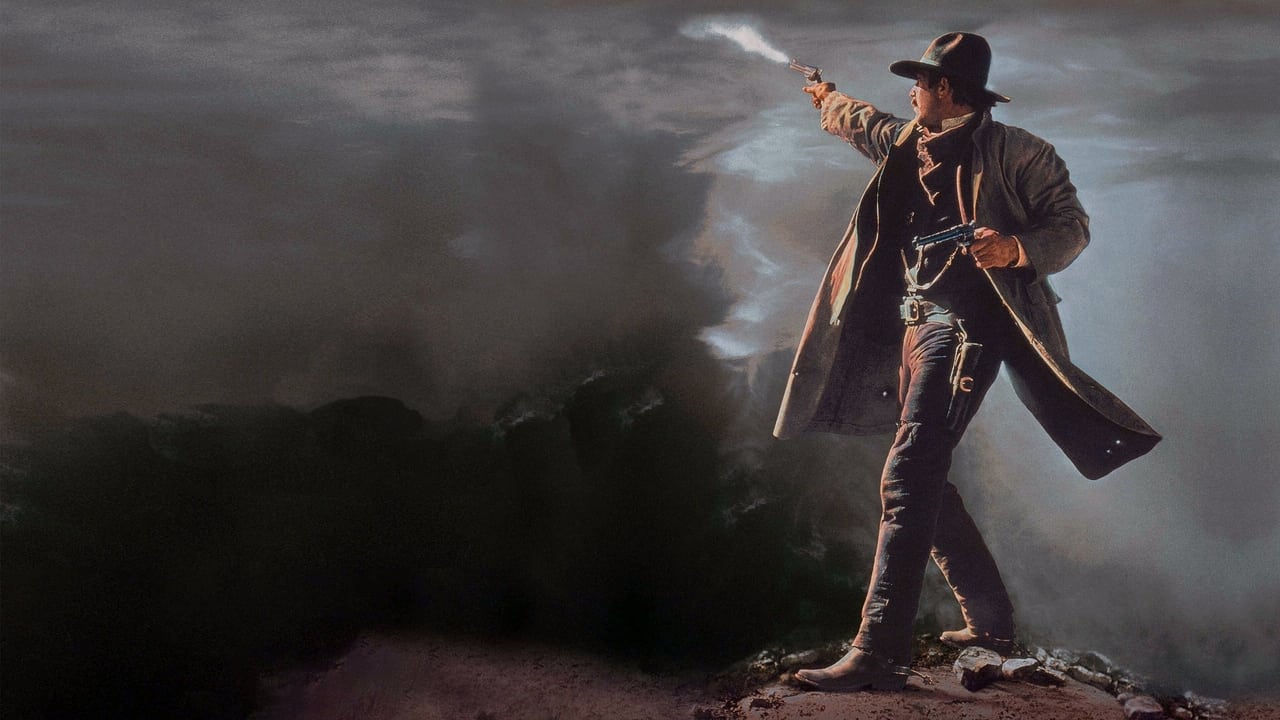
Where Tombstone zoomed in on the infamous gunfight and its immediate aftermath, Wyatt Earp, penned by Dan Gordon and Kasdan himself, aimed for the panoramic sweep of a biography. We meet Wyatt as a boy, follow him through youthful misadventures, his first marriage and tragic loss, his time buffalo hunting, dodging warrants, and eventually, his path towards law enforcement alongside his brothers Virgil (Michael Madsen) and Morgan (Linden Ashby). It’s an ambitious canvas, attempting to paint a portrait of a man shaped by circumstance, loss, and a simmering, often repressed, sense of justice – or perhaps just control. This wasn’t the swaggering hero; this was an attempt at the flawed, complex human being. It’s a noble goal, but does the sheer breadth dilute the impact? That’s the question that lingers long after the credits roll.
### The Weight of the Badge, The Weight of the Performance
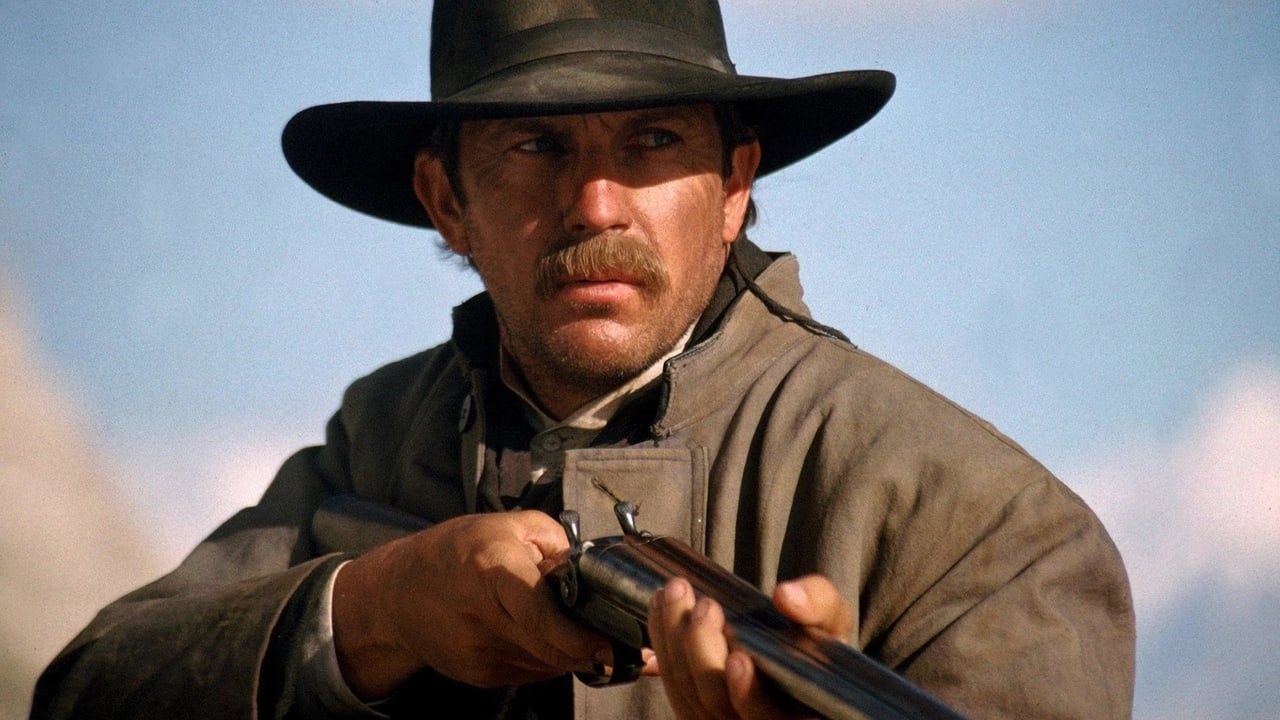
At the center stands Kevin Costner, reuniting with Kasdan after their successful collaborations on Silverado (another great slice of 80s western fare) and The Bodyguard. His Earp is tightly controlled, internalised. There's a stoicism here that feels deliberate, a portrayal of a man wary of revealing too much, perhaps burdened by his own growing reputation. It's a performance less about charismatic flourishes and more about quiet presence. While some found it stiff, especially compared to Kurt Russell's more fiery take in the rival film, Costner's interpretation arguably fits Kasdan's more grounded, almost melancholy vision. It’s a slow burn, demanding patience from the viewer, asking us to look for the flicker of emotion beneath the hardened exterior. Does it fully succeed? Perhaps not entirely, but it’s a thoughtful, committed attempt to embody a figure often reduced to caricature.
### Quaid's Haunting Transformation
If Costner provides the stoic anchor, then Dennis Quaid delivers the film’s lightning strike as Doc Holliday. The transformation is startling. Shedding a reported 40 pounds for the role, Quaid embodies the tubercular gambler not just physically but spiritually. His Holliday is a man keenly aware of his own mortality, dancing on the edge of the grave with a mixture of fatalistic wit and genuine menace. It’s a haunting, physically demanding performance that feels worlds away from Val Kilmer’s undeniably iconic, almost flamboyant portrayal. Quaid gives us the decay, the desperation, the ghost already haunting the man. It’s a supporting turn that often steals the focus, offering a raw, unsettling counterpoint to Earp's restraint. What drives a man like Holliday to stand by Earp? Quaid’s performance suggests a complex bond forged in shared danger and perhaps a mutual understanding of being outsiders.
### Crafting a Bygone Era
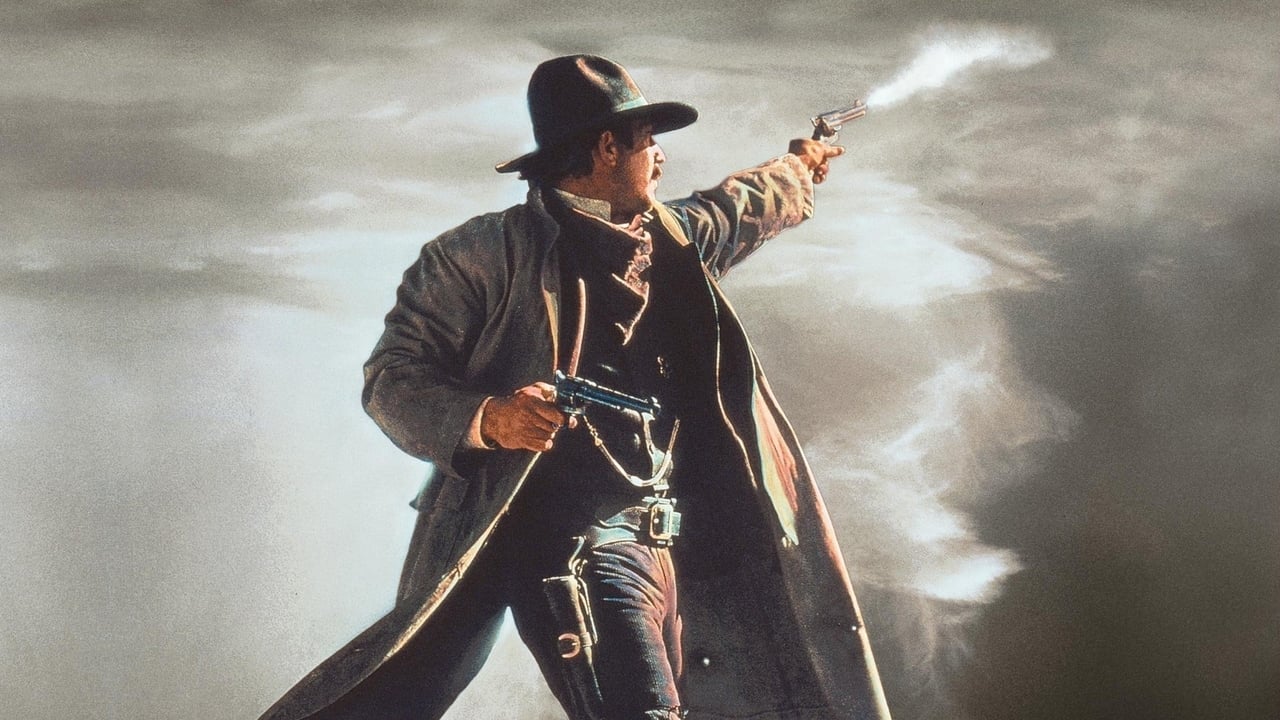
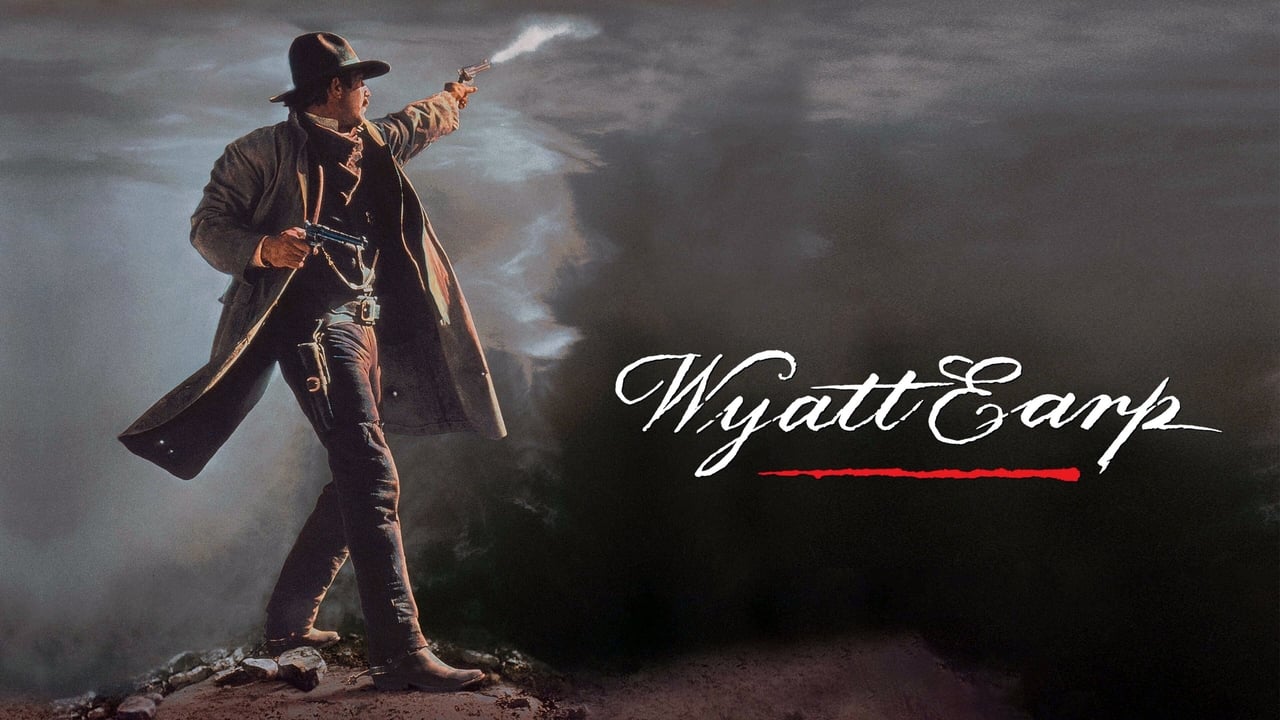
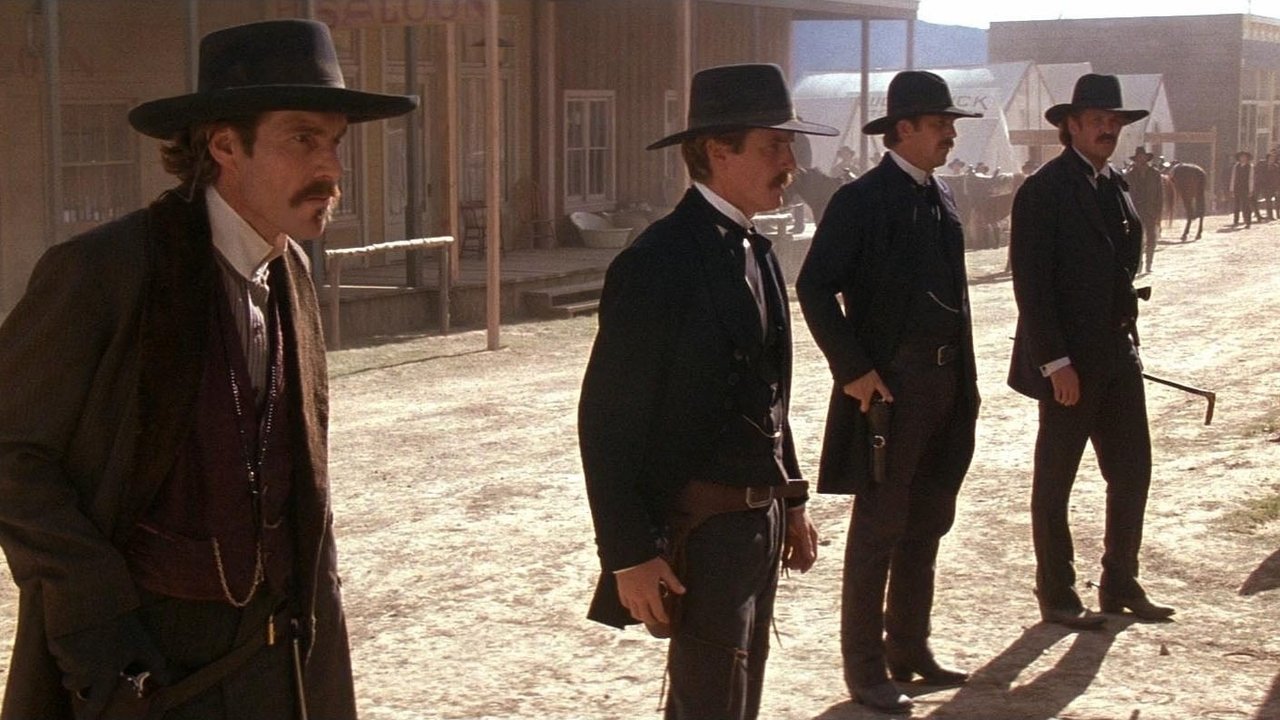
Lawrence Kasdan, a director known for his ensemble work (The Big Chill, Grand Canyon) and his affection for classic genres, brings a stately, almost painterly quality to Wyatt Earp. Working with veteran cinematographer Owen Roizman (The Exorcist, Network), he crafts images that feel vast and authentic, capturing the dust, the mud, and the burgeoning, often brutal, reality of frontier towns. The pacing is deliberate, sometimes languid, mirroring the slow passage of time and the gradual unfolding of a life. It’s a film less interested in quick-draw thrills and more focused on atmosphere and character moments. The score by James Newton Howard adds to this elegiac feel. You can feel the care taken in the production design, the costumes – it looks like a meticulously researched historical drama.
### Behind the Dust Clouds: Ambition and Competition
The story behind Wyatt Earp is almost as dramatic as the events on screen. Costner was initially involved with the script that would become Tombstone, but creative differences led him to partner with Kasdan to develop their own, more expansive Earp project. This resulted in a high-profile Hollywood showdown, with two major studios racing to bring the same legendary figure to the screen. Kasdan and Costner clearly aimed for a more definitive, historically nuanced portrayal, a corrective, perhaps, to decades of mythmaking. Unfortunately, this ambition came with a hefty price tag – around $63 million (roughly $130 million today). The film struggled to find its audience, grossing only about $25 million domestically, while the leaner, meaner Tombstone became a surprise hit. Was it simply a case of bad timing, or did audiences, particularly in the 90s, prefer the myth over the meticulously detailed reality? Watching it now, the film feels like a testament to a certain kind of ambitious, large-scale filmmaking that was already becoming rarer.
### The Long Trail Home
Wyatt Earp is a film that demands investment. Its length and deliberate pace can test patience, and its central performance, while fitting the film's tone, might leave those seeking charismatic heroism wanting. Yet, there's an undeniable integrity to Kasdan's vision. It’s a mature, thoughtful western that attempts to grapple with the complexities of a legend, the weight of family ties (Gene Hackman provides welcome warmth and gravitas as patriarch Nicholas Earp), and the often brutal reality of the American West. Quaid's performance alone makes it worth seeking out, a harrowing portrayal that stays with you. It may not have won the box office shootout of '93/'94, but for those willing to settle in for the long ride, Wyatt Earp offers a rich, if sometimes somber, journey back to a time of myth and consequence. Renting this hefty double VHS back in the day truly felt like an event, didn't it? A whole evening dedicated to one sprawling story.
Rating: 6/10
Justification: While commendably ambitious in scope and featuring a truly outstanding performance from Dennis Quaid, Wyatt Earp's deliberate pacing often tips into sluggishness, and its sprawling narrative sometimes struggles to maintain focus. Costner's internalized portrayal fits the grounded tone but lacks the dynamism needed to fully carry the lengthy runtime. The meticulous craft and thoughtful approach are admirable, but the film ultimately feels overshadowed by its own weight and its more energetic rival. It earns points for its ambition, Quaid's brilliance, and Kasdan's craft, but its flaws keep it from true greatness.
Final Thought: A meticulously crafted, often absorbing, but ultimately overlong attempt to demythologize a legend – the thinking person's Earp, perhaps, but one that requires significant endurance.