Okay, rewind your minds with me for a second. Picture this: You're wandering the hallowed aisles of the local video store, maybe late on a Friday night. The 'New Releases' wall is picked clean, you've seen all the big hitters, and your eyes drift over to the 'Comedy' section, maybe even the slightly dusty 'Foreign Films' corner. And there it is. A battered VHS box with a frankly baffling cover featuring a man who looks vaguely like Picasso engaging in… well, something utterly bizarre. You shrug, grab it, pay your couple of bucks, and prepare for the unknown. That, my friends, is likely how many of us first encountered the glorious, anarchic oddity that is 1978’s The Adventures of Picasso (Picassos äventyr).

This isn't your typical biopic, folks. Forget ponderous narration and historically accurate depictions. This is Picasso's life story filtered through the uniquely brilliant and absurdist lens of Sweden's legendary comedy duo, Hasse & Tage (Hans Alfredson and Tage Danielsson, with Danielsson directing). They threw historical accuracy out the window, replacing it with sheer, unadulterated, gag-a-minute silliness.
A Life in Glorious Gibberish
The stroke of genius here? The film is almost entirely dialogue-free, or rather, filled with a delightful multilingual gibberish that sounds like Spanish, French, English, German, and Swedish but means absolutely nothing. It’s a choice born partly from necessity – aiming for international appeal without costly dubbing – but it becomes the film's defining characteristic. Suddenly, it doesn't matter what anyone's saying; the physical comedy, the visual puns, and the sheer energy of Gösta Ekman's central performance as Picasso carry everything. And what a performance! Ekman, a titan of Swedish acting, throws himself into the role with rubber-faced abandon, embodying the artist not as a tortured genius, but as a wide-eyed innocent stumbling through a mad world, occasionally pausing to invent Cubism with a piece of bread.
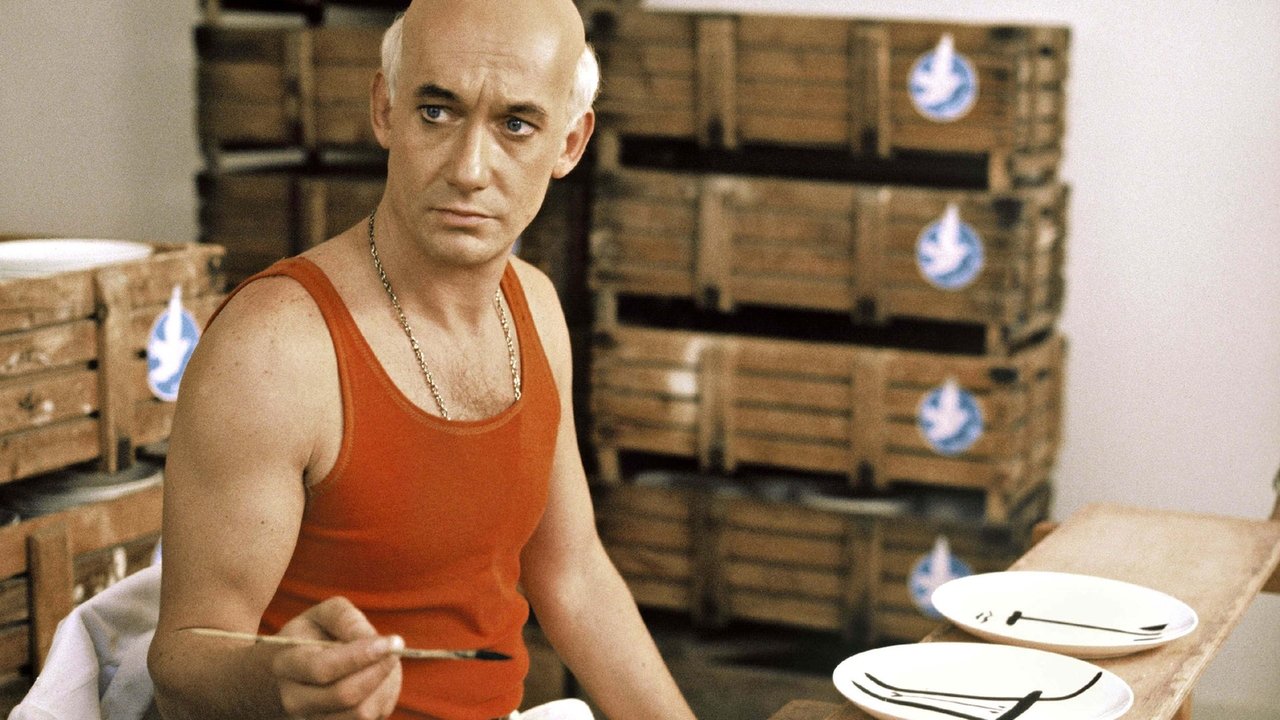
Remember finding those films that just felt different? The Adventures of Picasso is the epitome of that feeling. It careens through Picasso's life – from his birth in Málaga (where his first word is supposedly "Ay, caramba!") through his Blue Period, Rose Period, encounters with Dali, Apollinaire, Gertrude Stein, Hemingway (all hilariously caricatured), and his later fame. Each phase is an excuse for another series of brilliantly inventive, often delightfully low-budget, visual gags. The film famously used the small town of Tomelilla in southern Sweden to stand in for Málaga, Paris, London, and New York, a testament to its charming, almost theatrical, resourcefulness. Imagine the production meeting: "Okay, we need Paris. Let's stick an Eiffel Tower miniature in front of the Tomelilla town hall!" It’s that kind of wonderful, handcrafted feel that permeated so many films we discovered on tape.
Handmade Mayhem
This is where the "practical effects" energy, usually reserved for action flicks, comes into play for comedy. There's no slick CGI here. When Picasso accidentally invents Cubism by slicing bread, it's just… sliced bread. When his father (played by co-writer Hans Alfredson) uses a ridiculously long paintbrush, it's clearly just a prop. But the timing, the commitment of the actors, and the sheer volume of jokes make it work beautifully. Think Terry Gilliam's animations for Monty Python, but enacted by live actors with a deadpan Scandinavian sensibility. Watching it now, you appreciate the raw creativity involved – the way they convey complex ideas (like artistic movements or historical events) through purely visual, often ludicrous, means. There’s a scene involving World War I depicted with tin soldiers that is both funny and surprisingly pointed.
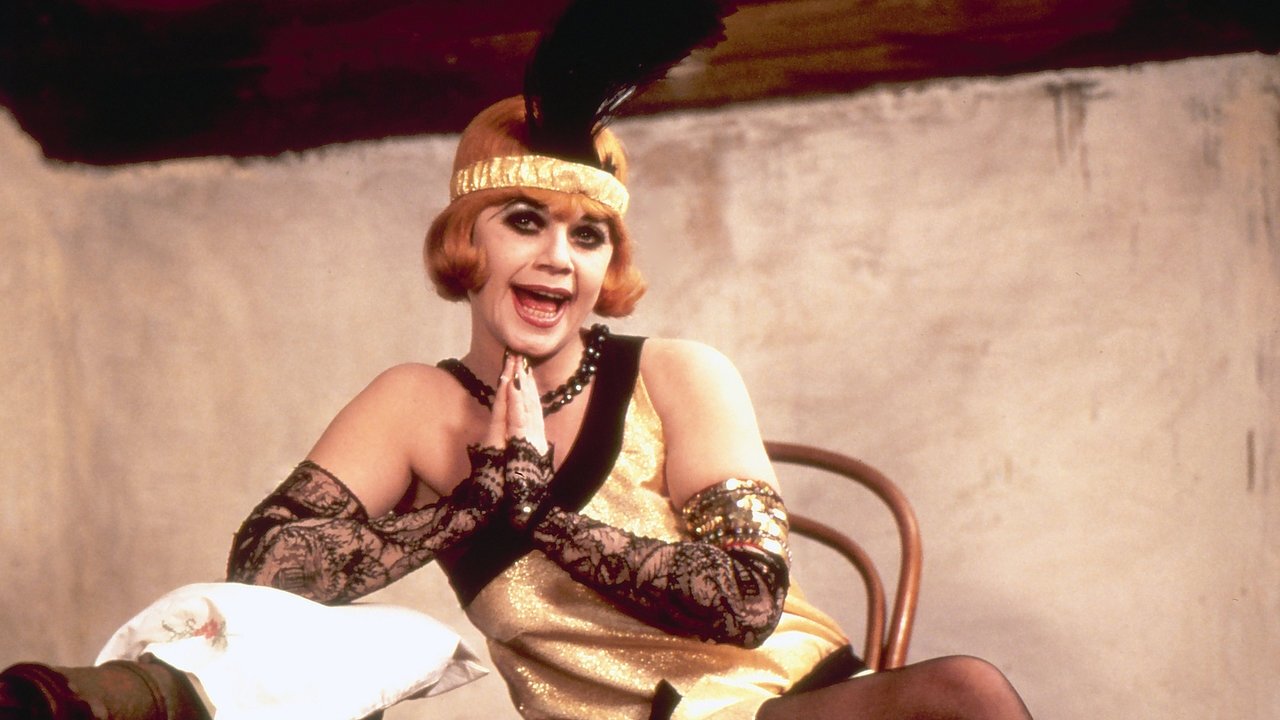
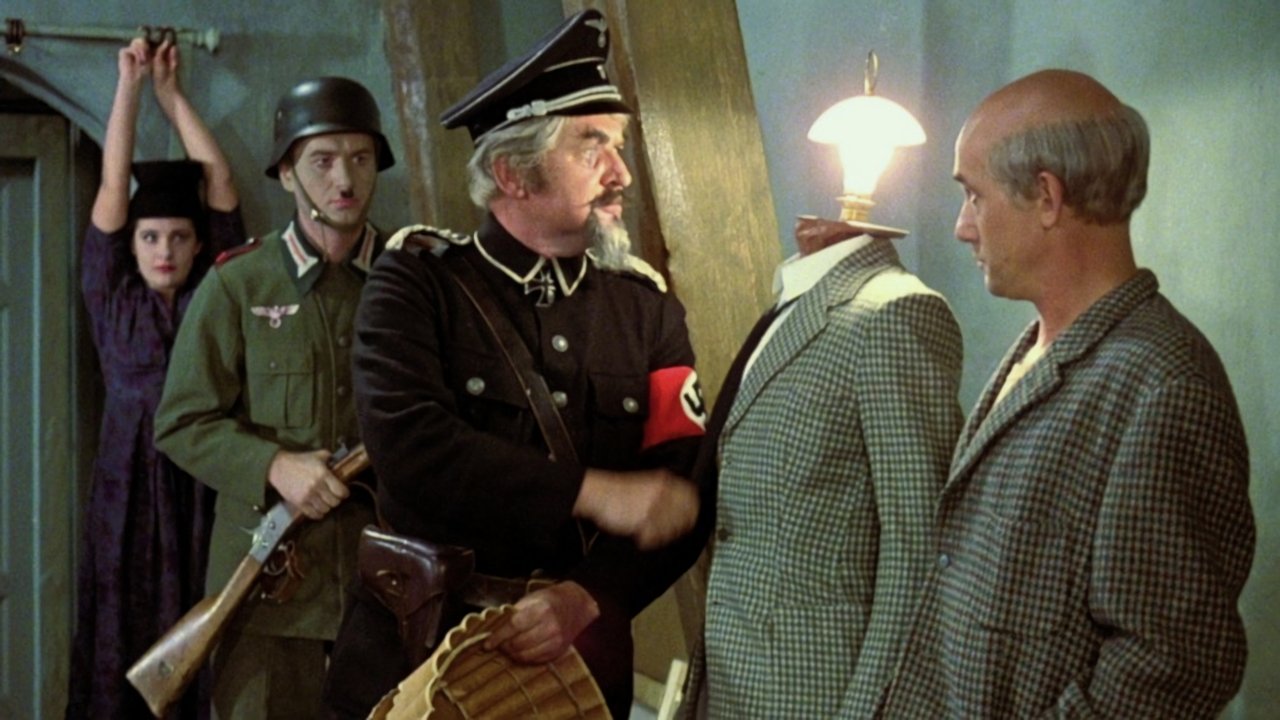
The supporting cast is filled with familiar faces from Swedish cinema, and sharp-eyed viewers might spot a very young Lena Olin (later of The Unbearable Lightness of Being and Alias fame) and German actress Hanna Schygulla (a regular collaborator with director Rainer Werner Fassbinder). They all gamely embrace the film's unique spirit. It’s said that Hasse & Tage ruled Swedish comedy in the 60s and 70s, and this film, while perhaps less known internationally, was a massive success in Sweden, becoming a true cult classic still quoted today. It’s easy to see why; the humour is specific yet universal, relying on shared cultural touchstones (even if wildly distorted) and the timeless language of slapstick.
Still Worth the Rental Fee?
Finding The Adventures of Picasso on VHS felt like uncovering a secret handshake, a film so delightfully strange you weren't sure if you'd imagined it the next day. It was the kind of movie you'd excitedly recommend to friends, prefacing it with, "Okay, this is weird, but trust me..." It’s a film that celebrates creativity not just in its subject matter, but in its very bones – a low-budget epic made with boundless imagination and infectious silliness. Does it hold up? Absolutely, perhaps even more so now as an antidote to overly polished, focus-grouped comedies. Its handcrafted charm and relentless absurdity feel refreshingly unique.
Rating: 8/10
This score reflects the film's sheer originality, comedic invention, and Gösta Ekman's brilliant central performance. It loses a couple of points perhaps because the relentless pace might exhaust some viewers, and its specific brand of surrealism won't click with everyone. But for those who appreciate truly unique cinematic oddities, it’s a gem.
Final Take: The Adventures of Picasso is a reminder that sometimes, the most memorable trips back in time come via the most unexpected, gibberish-filled, and gloriously silly VHS discoveries. A true slice of handcrafted surrealist heaven.