The humid air hangs thick, not just with the promise of tropical rain, but with something primal, something forbidden. That’s the feeling that creeps back when you think about Sergio Martino’s 1978 expedition into exploitation territory, Mountain of the Cannibal God (or perhaps you found it lurking on the video store shelf under its even more lurid US title, Slave of the Cannibal God). This wasn't a film you watched casually; it felt like unearthing something you weren't supposed to see, a transmission from the deepest, darkest parts of the cinematic jungle.

Into the Green Inferno
The premise is classic pulp adventure, sticky with sweat and desperation. Susan Stevenson (Ursula Andress, the iconic Honey Ryder from Dr. No, lending improbable star power) hires anthropologist Professor Edward Foster (Stacy Keach, bringing a peculiar gravitas) to help find her missing husband in the treacherous jungles of New Guinea. Along with her brother Arthur (Antonio Marsina) and guide Manolo (Claudio Cassinelli, a frequent collaborator with Martino), they plunge into a world where nature itself seems hostile, long before they encounter the titular cannibal tribe and their unsettling deity. Martino, a director adept at shifting between stylish Giallo like Torso and rougher exploitation fare, uses the Sri Lankan locations (standing in for New Guinea) to great effect. You can almost feel the oppressive heat, the slick mud, the constant buzz of insects – it’s an environment that promises decay and danger around every corner. Filming wasn't just a backdrop; the very real hazards of the Sri Lankan jungle, from leeches to treacherous terrain, reportedly plagued the production, adding an uncomfortable layer of verisimilitude to the actors' on-screen ordeals.
A Feast for the Senses (and Strong Stomachs)
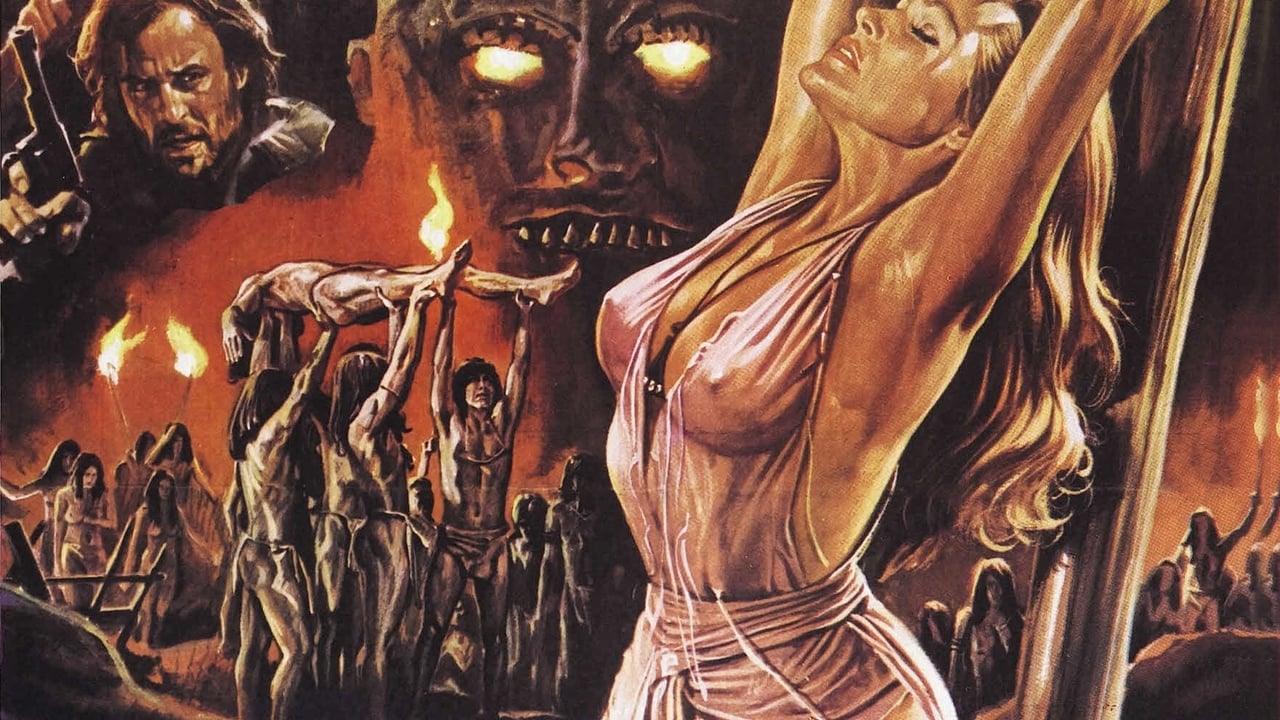
Let's be blunt: this film belongs firmly to the notorious Italian cannibal cycle, a subgenre infamous for pushing boundaries, often far beyond good taste. Slave of the Cannibal God delivers exactly what the VHS cover promised: graphic gore, plentiful nudity (Andress reportedly negotiated a higher fee for hers), and, most controversially, scenes of real animal death. This last aspect is impossible to ignore and deeply uncomfortable to watch today, a stark reminder of the ethically dubious lengths some exploitation filmmakers went to in this era for shock value. While Martino later expressed regret over these scenes, they remain a grim footnote on the film's legacy.
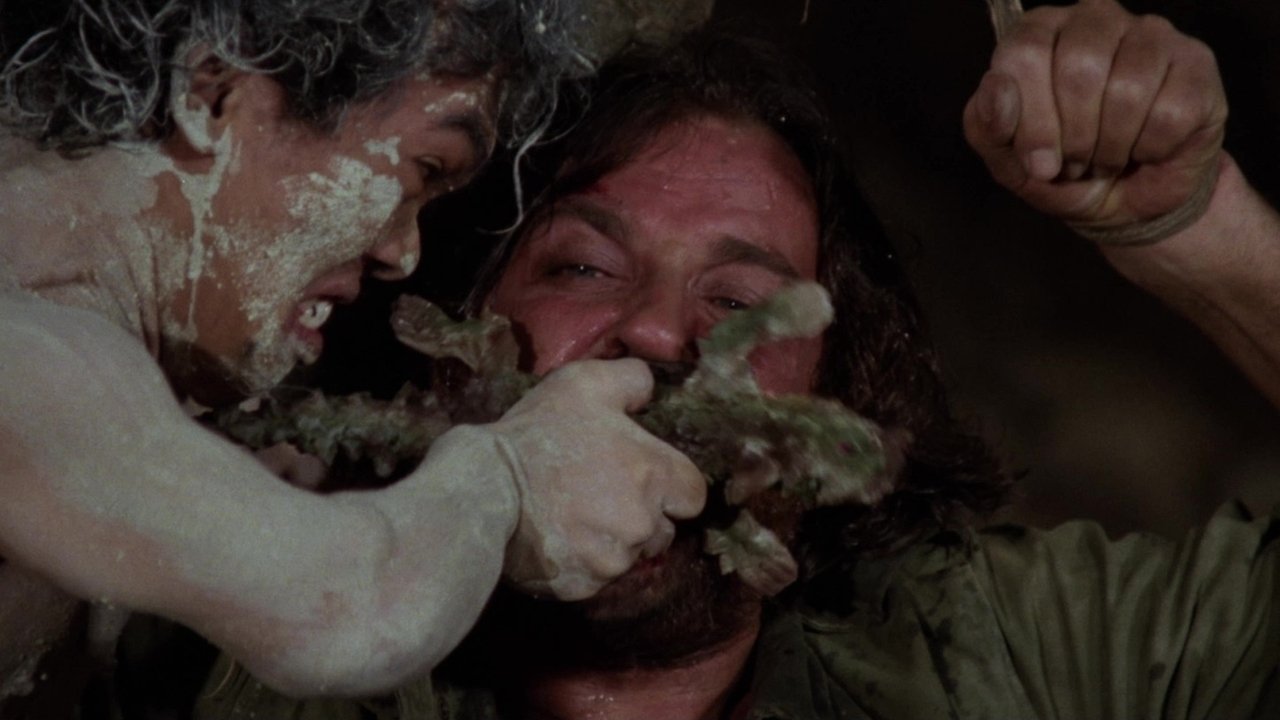
Yet, separating the inexcusable animal cruelty from the crafted horror, the practical gore effects are undeniably potent, especially viewed through the fuzzy lens of VHS. Remember the impact of those intensely visceral moments back then? The ritualistic killings, the body horror – they were designed to provoke a guttural reaction, and often succeeded. Giannetto De Rossi, the makeup effects maestro who would later work on Lucio Fulci's zombie epics like Zombi 2, lends his gruesome talents here, ensuring the cannibalistic sequences are suitably stomach-churning.
Star Power in the Jungle
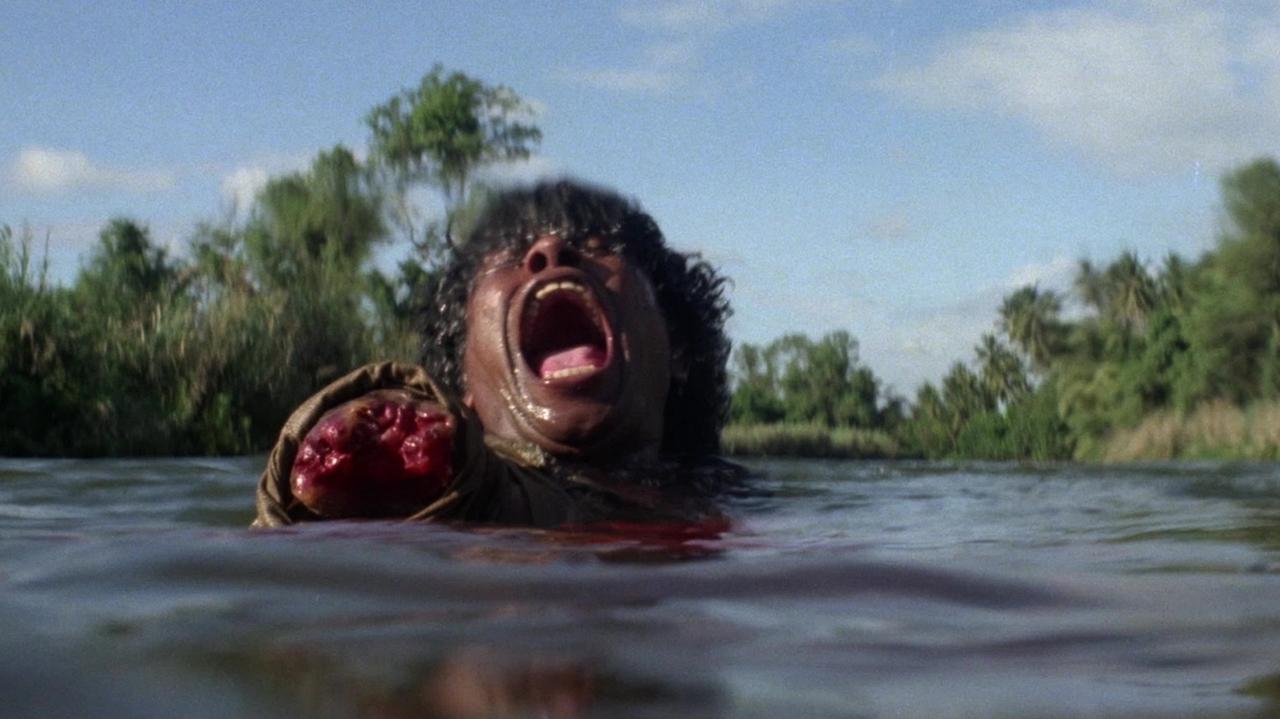
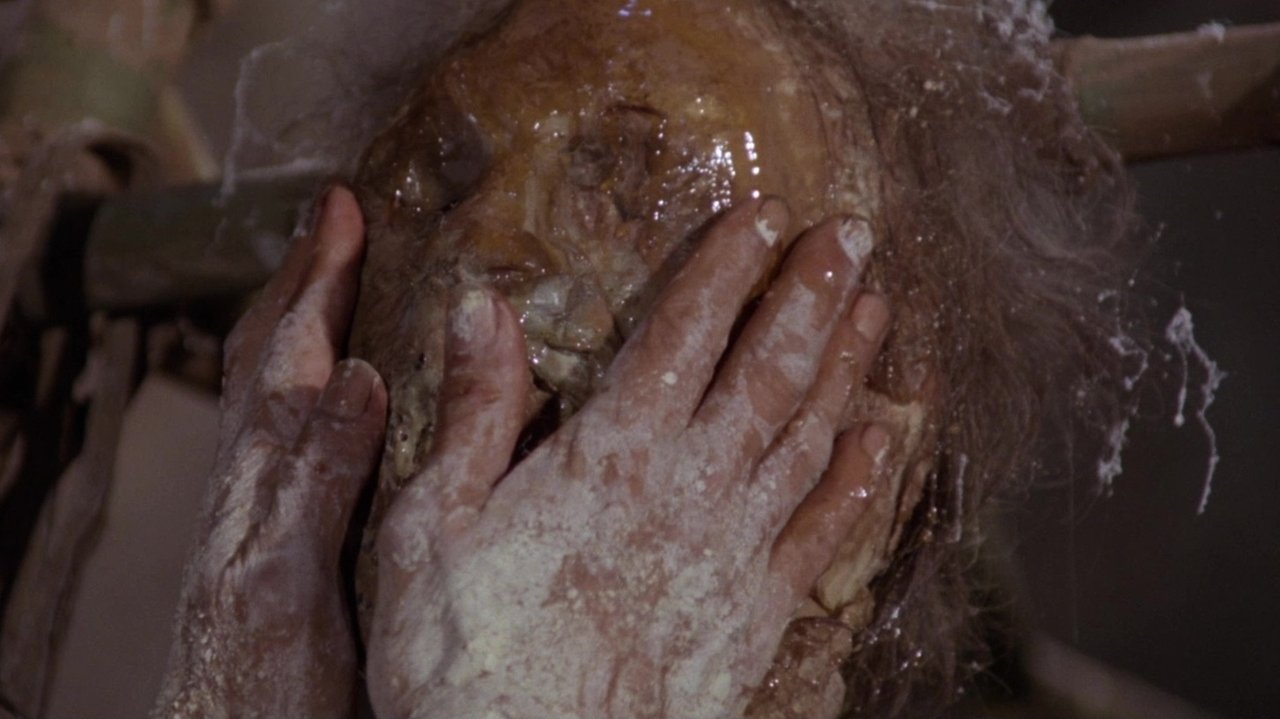
The casting remains one of the film's most fascinating aspects. What was Ursula Andress, a global superstar, doing here? And Stacy Keach, an actor respected for his dramatic work even then? Their presence elevates the proceedings beyond typical low-budget jungle schlock, creating a strange dissonance. Andress, despite the often-degrading situations her character endures, maintains an undeniable screen presence. Keach, meanwhile, delivers his lines with a conviction that occasionally feels hilariously out of sync with the lurid chaos surrounding him. Did his commitment perhaps stem from the chance to work in an exotic locale, or was it simply a paycheck gig between more prestigious projects? It adds another layer to the film's bizarre charm. Poor Claudio Cassinelli, the handsome hero, meets a particularly nasty end, a trope often seen in Martino's work where conventional leads don't always survive.
The Cannibal Legacy
Slave of the Cannibal God isn't sophisticated horror. It doesn't aim for psychological dread; it goes straight for the jugular with visceral shocks and taboo-breaking content. It’s part adventure yarn, part survival horror, and part ethnographic exploitation, all wrapped in a sweaty, grimy package. The score by Guido & Maurizio De Angelis pulses with a mix of tribal rhythms and suspenseful cues, effectively complementing the on-screen tension and occasional absurdity.
For those of us prowling the video stores in the 80s and early 90s, films like this represented a kind of forbidden fruit. They were nasty, excessive, and felt genuinely dangerous. Does it hold up? As a piece of well-crafted cinema, not entirely. Its narrative is thin, the pacing uneven, and the ethical baggage is significant. But as a time capsule of a specific, notorious moment in exploitation filmmaking, and as a memory of the kind of shocking discoveries the VHS era offered? It’s unforgettable.
VHS Heaven Rating: 5/10
Rating Explained: This score reflects the film's status as a moderately effective, if deeply problematic, entry in the Italian cannibal genre. It gets points for its atmospheric jungle setting, the bizarre star power of Andress and Keach, some genuinely gruesome (if dated) practical gore, and its sheer audacity. However, it loses significant points for the reprehensible animal cruelty, thin plot, and overall sleazy exploitation vibe that hasn't aged well ethically. It's a film more interesting to discuss as a cultural artifact than it is purely enjoyable to watch today, unless you have a specific taste for this brand of extreme retro horror.
Final Thought: Slave of the Cannibal God remains a potent cocktail of jungle adventure, graphic horror, and questionable taste – a film that perfectly encapsulates the wild, often unsettling, frontiers explored during the golden age of exploitation cinema found on dusty VHS tapes. It's a grimy relic, fascinating and repulsive in almost equal measure.