There's a particular brand of unease that crawls under your skin when horror bleeds into the outright bizarre, and few films pulled from the sticky shelves of the video store mastered this unsettling concoction quite like 1980's Mother's Day. Not to be confused with the slicker, later remake, this is the original, grimy article – a product of the infamous Troma Entertainment, directed and co-written by Charles Kaufman (brother of Troma head honcho Lloyd Kaufman). It carries that distinct Troma thumbprint: low-budget grit mixed with shocking violence and a streak of social commentary so warped it borders on the absurd. Forget polished dread; this is horror that feels like it clawed its way out of the dirt.
Deep Woods Wrong Turn
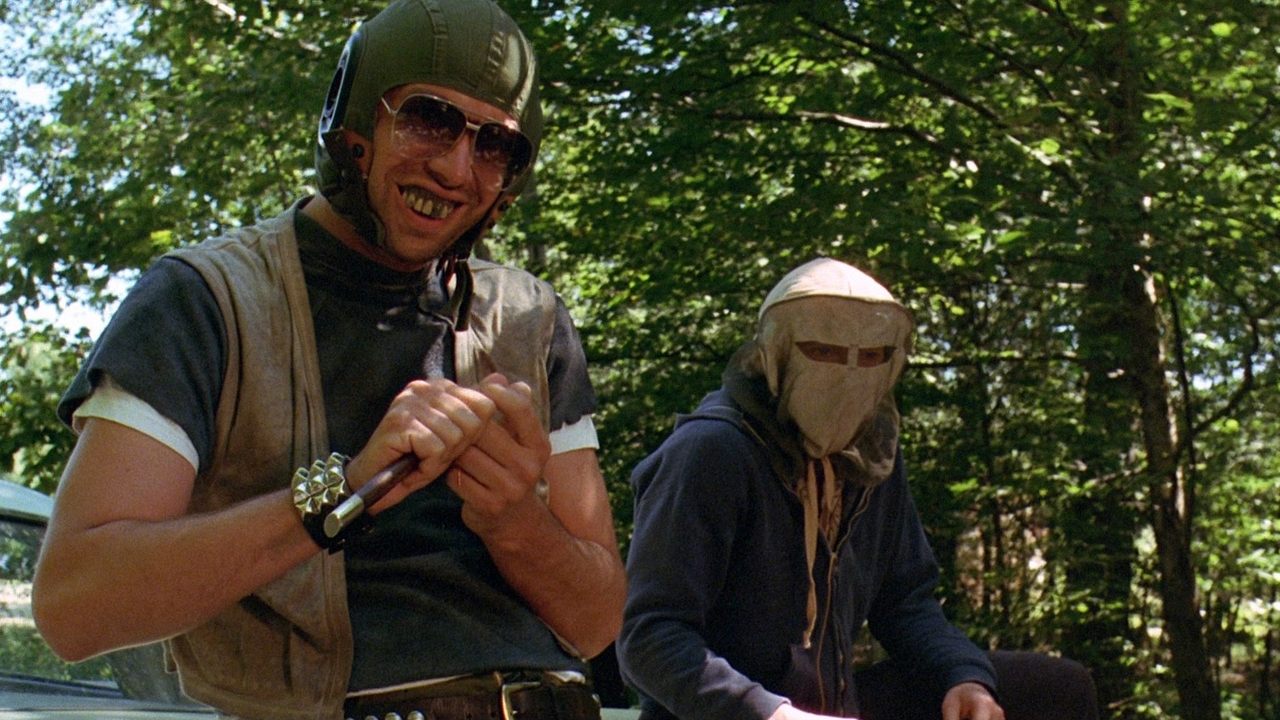
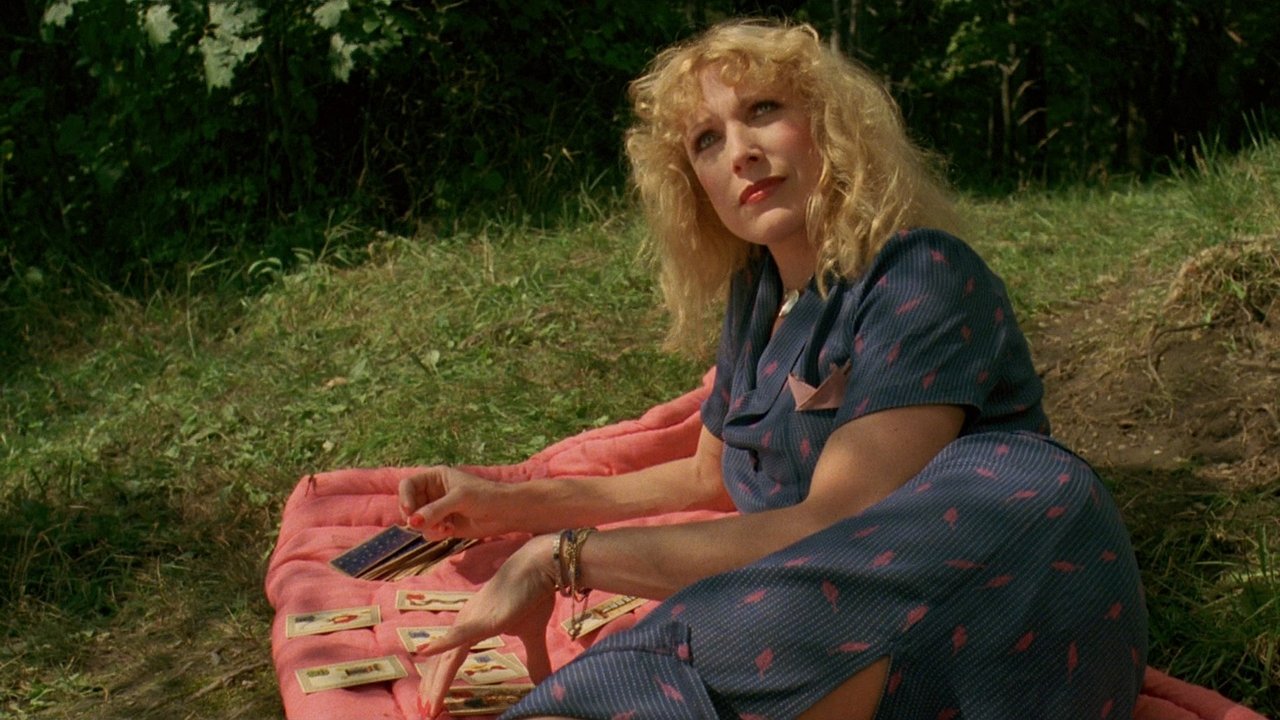
The premise starts simply enough, tapping into that familiar "city folk vs. menacing wilderness" trope. Three college friends – Abbey (Nancy Hendrickson), Jackie (Deborah Luce), and Trina (Tiana Pierce) – reunite for their annual camping trip, seeking escape and connection. What they find instead is a nightmare nestled deep in the woods: a dilapidated cabin inhabited by a truly unforgettable matriarch known only as Mother, and her two dangerously unhinged adult sons, Ike and Addley. These aren't your standard backwoods killers; they're products of Mother's twisted upbringing, trained through violence and bizarre rituals to perform horrific acts, seemingly for her perverse entertainment. The film wastes little time plunging these women into a harrowing ordeal of capture, torture, and psychological torment.
A Mother Only A Maniac Could Love
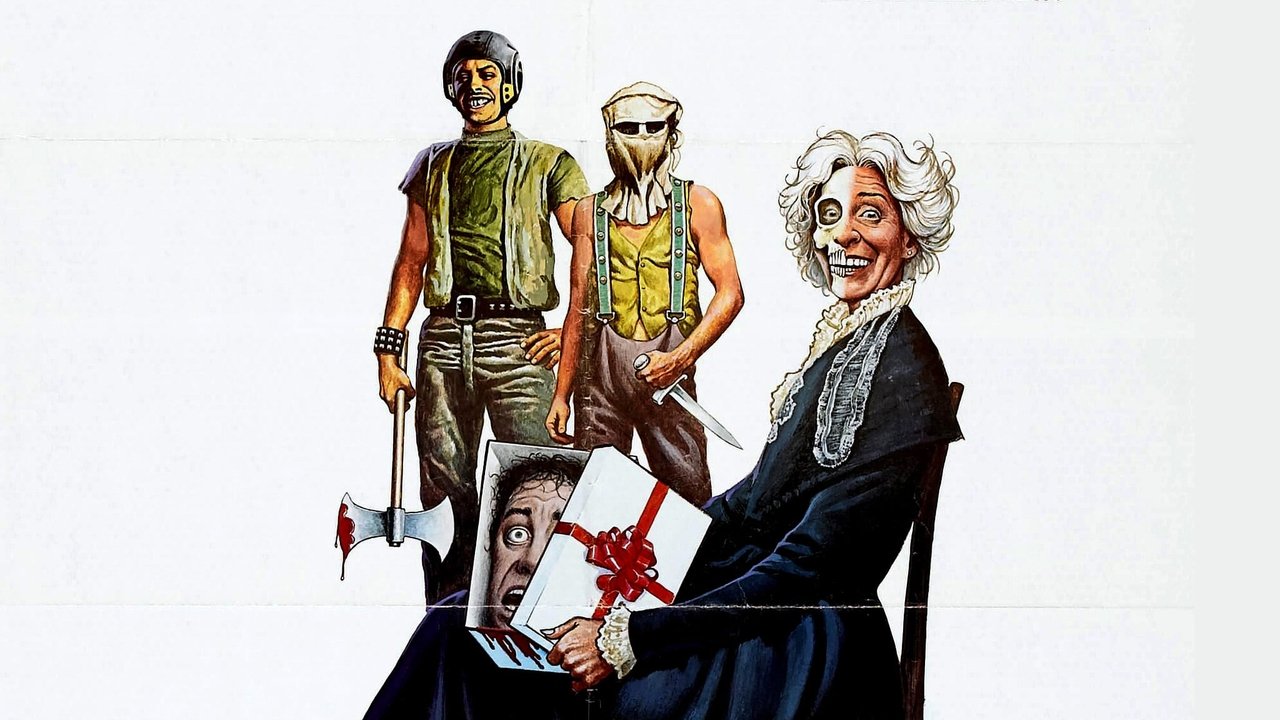
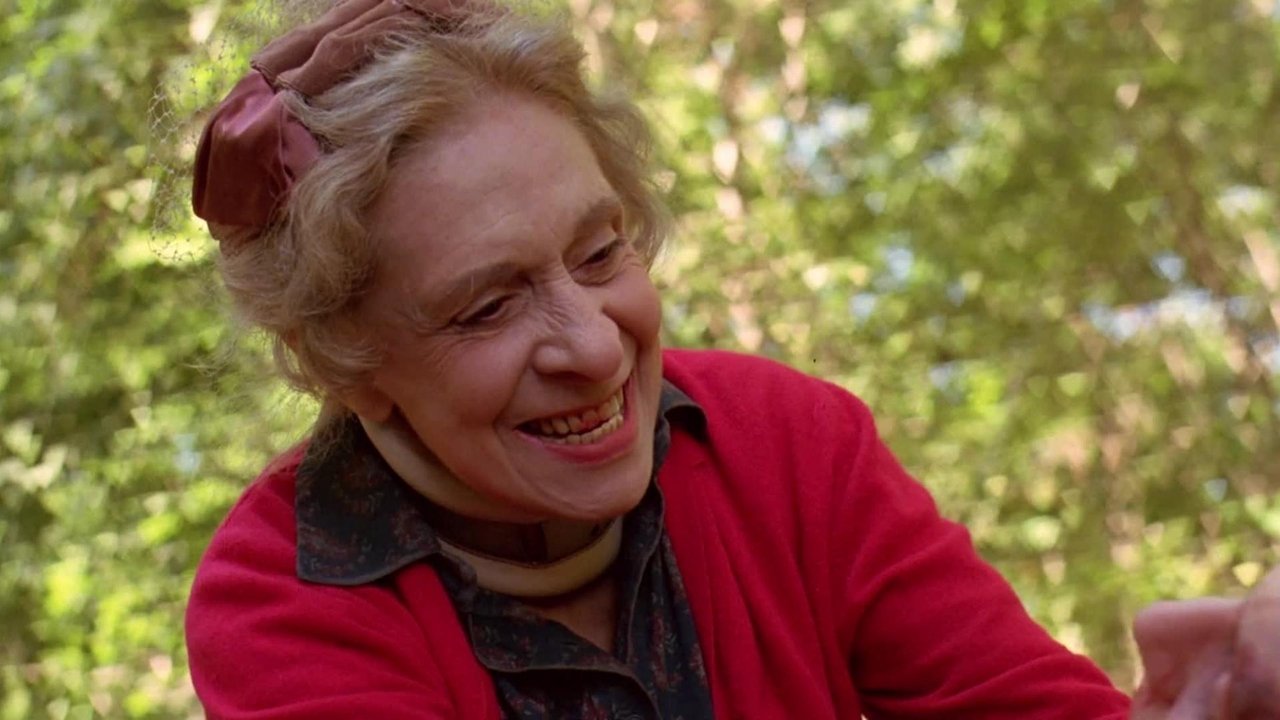
What elevates Mother's Day beyond standard exploitation fare is the central figure of Mother herself. Played with unnerving conviction by Beatrice Pons (credited as Rose Ross), she’s less a character and more a force of corrupted nature. She's the warped parody of maternal love, encouraging her boys' depravity, critiquing their methods ("Addley, you didn't rape her!"), and presiding over their gruesome "games" with a chilling blend of pride and disappointment. It’s a performance that sticks with you, oscillating between frail old lady and monstrous puppet master. Her sons, played with feral intensity by Frederick Coffin (Ike) and Michael McCleery (Addley), are equally disturbing – overgrown children enacting grotesque parodies of television shows and commercials between acts of brutality. This strange blend of the mundane and the monstrous is where the film generates much of its unique power to disturb. Doesn't that bizarre juxtaposition still feel uniquely unsettling?
Grit, Grime, and Gonzo Violence
Shot on a shoestring budget, Mother's Day possesses an undeniable raw energy. The grainy film stock, the unpolished practical effects, the remote woodland locations – it all contributes to a feeling of authenticity, making the violence feel less staged and more immediate. Some viewers might recall the practical effects feeling shockingly real back in the day, even if they appear dated now. There's a notorious scene involving Drano and another involving a television set that pushed boundaries for mainstream audiences at the time, contributing to its controversial reputation and run-ins with censors internationally. Charles Kaufman, who also brought us the equally strange When Nature Calls, directs with a kind of gonzo flair, unafraid to mix brutal horror with moments of pitch-black satire aimed at consumer culture and media influence, filtered through Mother's twisted worldview. Rumor has it the actors playing the sons genuinely terrified the actresses during some of the more intense chase sequences through the woods, adding an unwelcome layer of realism to the on-screen panic.
Legacy of Lunacy
While critically divisive upon release – often dismissed as just another piece of early 80s video nasty schlock – Mother's Day burrowed its way into cult status. It’s a film that feels dangerous, unpredictable, and genuinely weird. It doesn't just want to scare you; it wants to get under your skin, make you uncomfortable, and maybe even force a shocked laugh amidst the horror. It’s not a technically perfect film by any stretch; the pacing can lag, and some tonal shifts are jarring. Yet, its commitment to its bizarre premise and the unforgettable grotesquerie of Mother and her boys make it a standout in the annals of exploitation cinema. For those who discovered this gem lurking on a dusty VHS tape, perhaps rented on a dare, its specific brand of unsettling horror likely left a mark. It perfectly encapsulates that feeling of finding something genuinely transgressive in the pre-internet wilderness of the video store shelves.
***
Rating: 7/10
Justification: While undeniably rough around the edges and likely offensive to some sensibilities, Mother's Day earns its score through sheer audacity, memorable villains (especially Mother), and a uniquely disturbing atmosphere that blends brutal horror with warped satire. Its low-budget grit becomes a strength, enhancing the realism of its grim scenario, and its influence on the backwoods horror subgenre, while perhaps less acknowledged than giants like The Texas Chain Saw Massacre, is palpable for cult film fans. It's a challenging but rewarding watch for connoisseurs of 80s exploitation cinema.
Final Thought: Mother's Day remains a potent reminder that sometimes the most unsettling horror doesn't come from monsters or ghosts, but from the terrifyingly broken corners of the human – and maternal – psyche. A grimy, unforgettable trip back to the wild side of VHS horror.