Okay, grab your Guaraná Antarctica (or maybe just a soda), rewind that slightly worn tape in your mind, and let’s talk about a true Brazilian phenomenon that somehow found its way onto rental shelves far and wide: Os Saltimbancos Trapalhões (1981). Finding this tape back in the day felt like uncovering a secret handshake – a vibrant, chaotic, and utterly unique piece of cinema history powered by arguably the most famous comedy troupe in Brazil's history.
### When the Circus Came to Town (On Your TV)
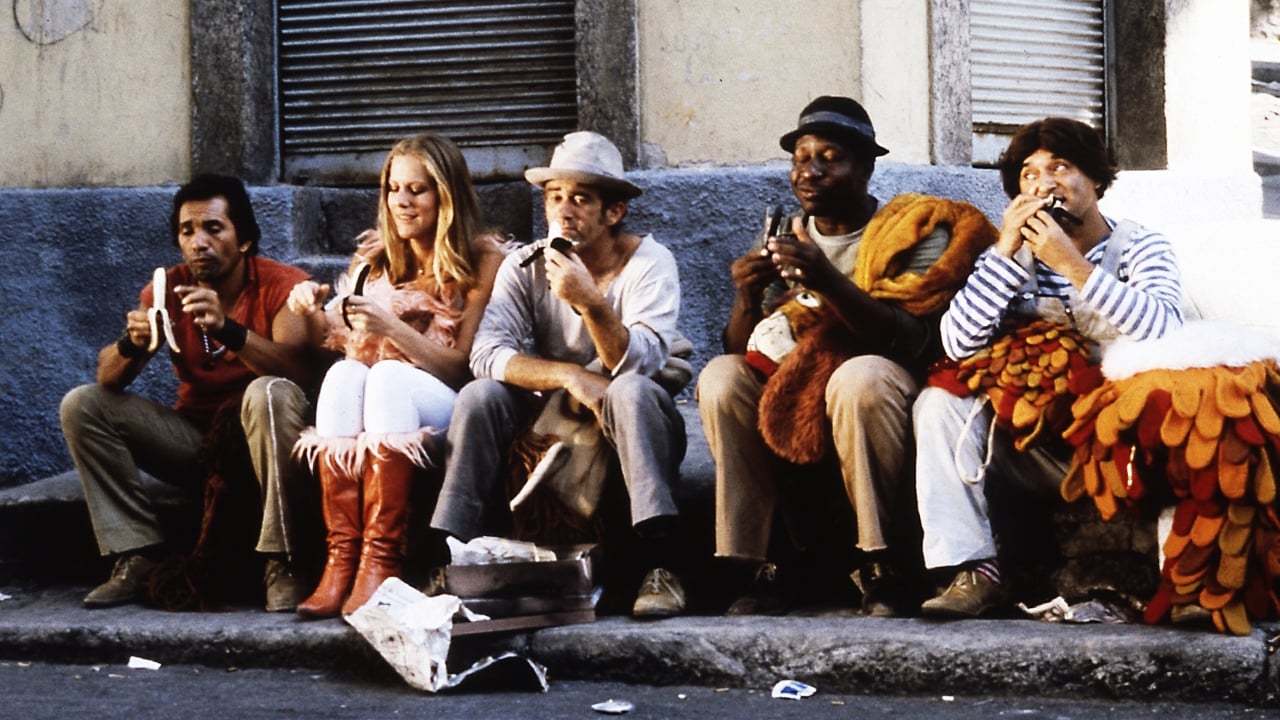
For the uninitiated, Os Trapalhões – typically Renato Aragão (the eternally childlike Didi), Dedé Santana (the straight man), Mussum (with his inimitable slang and charm), and Zacarias (the high-pitched laugh machine, though notably absent from this particular outing) – were titans. Their weekly TV show dominated Brazilian airwaves for decades, a blend of slapstick, social satire (sometimes surprisingly sharp), and pure, unadulterated silliness. This film catches them near their absolute peak, translating that manic energy to the big screen. Directed by frequent collaborator J.B. Tanko, a man who knew exactly how to frame the group's chaotic chemistry, the film wasn't just a movie; it was an event. We're talking a reported audience of over 5 million in Brazil alone – astronomical numbers that make it one of the most successful Brazilian films ever. Try finding that kind of local dominance today!
### More Than Just Pie Fights
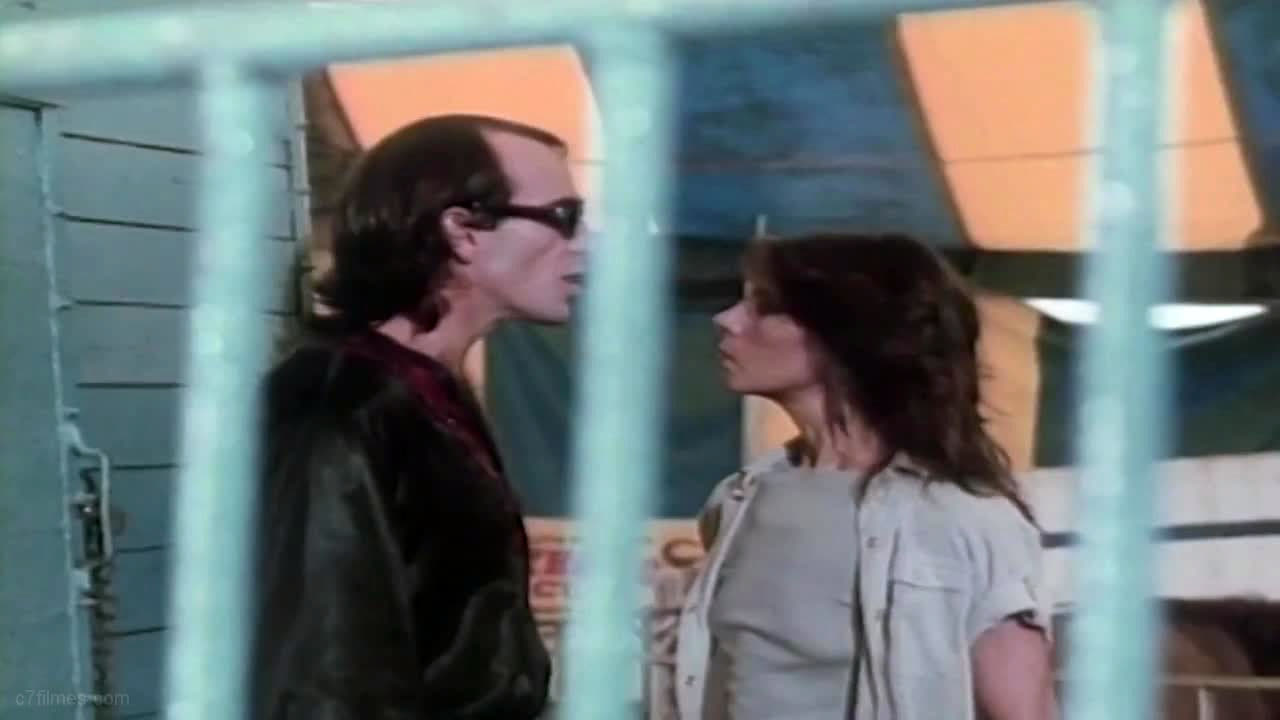
The premise borrows heavily from a beloved source: Os Saltimbancos, a hugely successful stage musical adapted by the legendary musician and writer Chico Buarque from an Italian version of the Brothers Grimm's "Town Musicians of Bremen". That lineage gives the film a surprising depth beneath the expected gags. Didi, Dedé, and Mussum play down-on-their-luck circus employees working for the cruel Baron Von Strudel (no, really). When the pompous ringmaster Assis Satã (a delightfully named antagonist!) tries to shut them down, they team up with other disillusioned performers – including the lovely Karina, played by singer/actress Lucinha Lins – to stage their own defiant show based on the Saltimbancos story: four outcast animals seeking freedom and a new life.
It’s this narrative backbone, courtesy of a script co-written by Tanko, comedy legend Chico Anysio, and, intriguingly, Maurício de Souza (the creator of the beloved Turma da Mônica / Monica's Gang comic strips!), that elevates it. There's a genuine sweetness here, a message about solidarity and finding your voice against oppression, themes that resonated subtly in Brazil during the final years of its military dictatorship, even wrapped in family-friendly farce.
### That Analog Spectacle
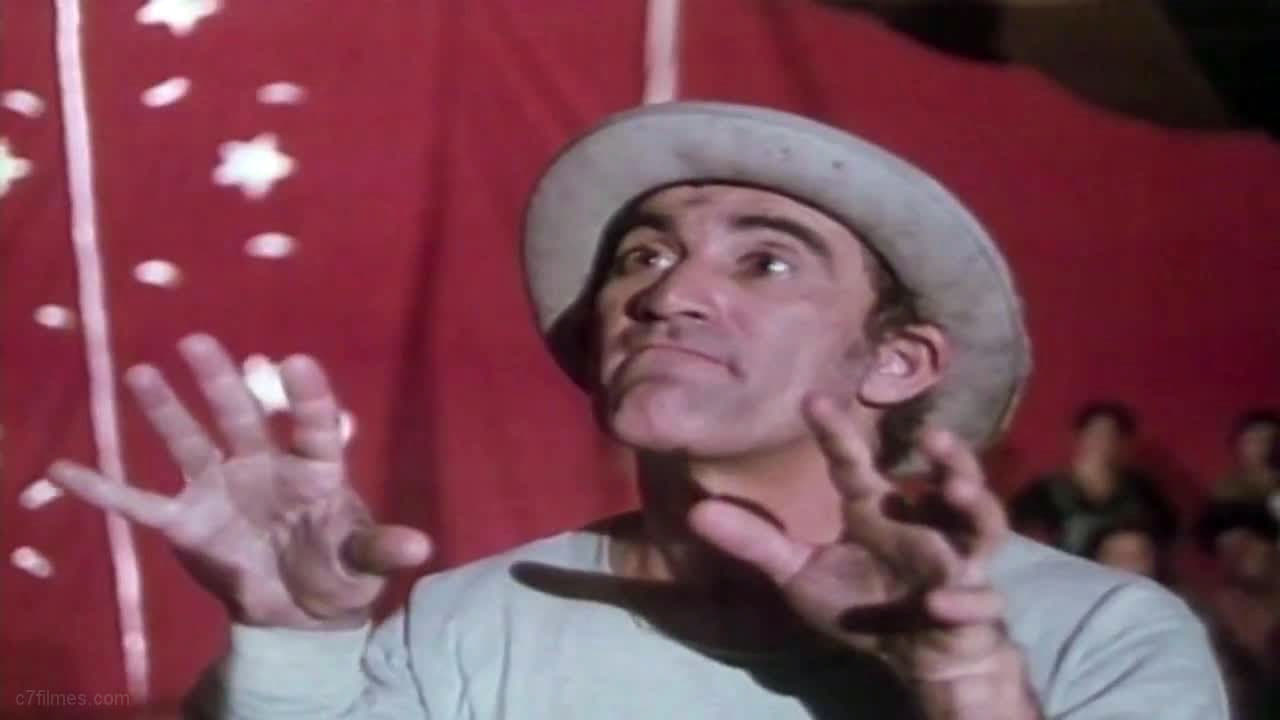
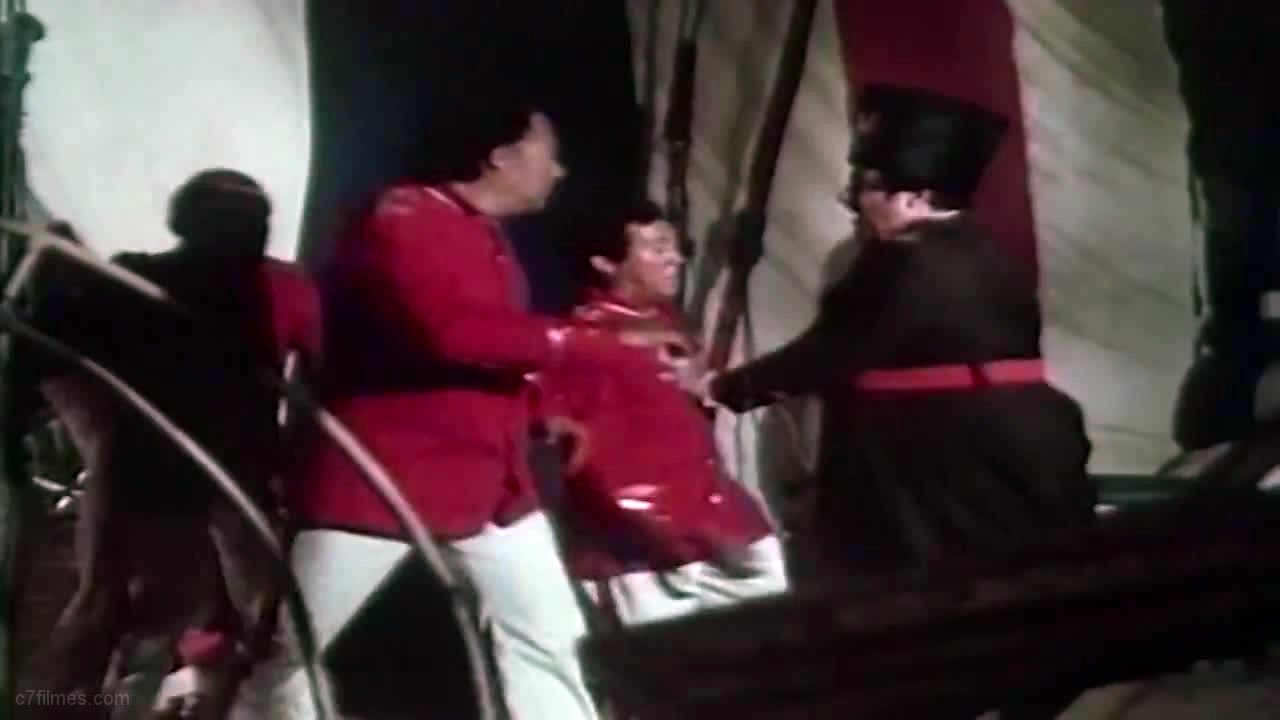
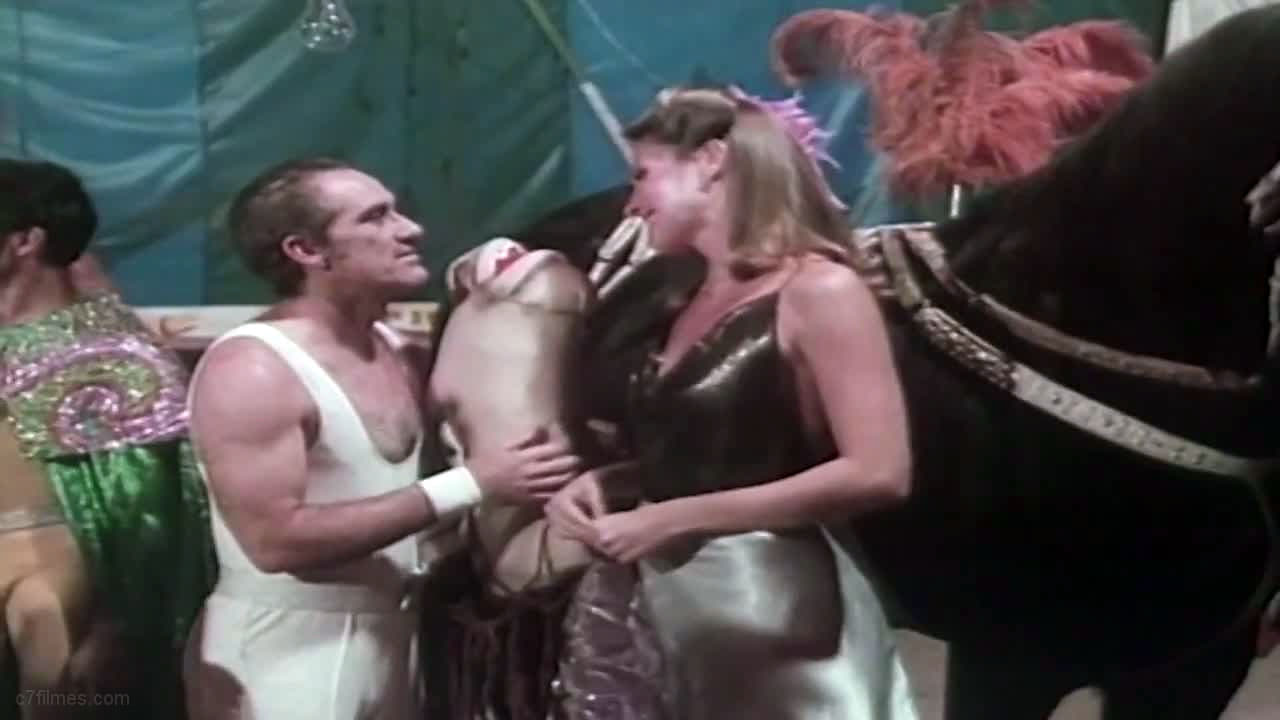
Forget sleek CGI jungles; this film throws you into the sawdust and spectacle of a real circus (or at least, a convincingly bustling set that feels entirely practical). The big musical numbers, featuring Chico Buarque's unforgettable songs, are staged with an earnest, almost theatrical energy. Remember how massive choreographed scenes felt before digital crowds? There's a tangible quality here – real performers, real (if slightly ramshackle) sets, real physical comedy.
The Trapalhões’ brand of humour is the special effect. It’s rooted in Vaudeville and silent film traditions – exaggerated reactions, impossible physics achieved through sheer commitment, and timing honed over years of working together. Renato Aragão's Didi, in particular, is a master of physical elasticity and wide-eyed innocence. Watching them bumble through routines, interact with animals (real ones, naturally), and eventually triumph feels grounded in a way modern, effects-heavy comedies often don't. There's a raw energy to their pratfalls and schemes that digital trickery can't replicate. Was the editing sometimes choppy? Sure. Did the sound occasionally have that slightly hollow VHS dub quality? Absolutely. But the feeling was immense.
### The Soundtrack of a Generation
You simply cannot talk about Os Saltimbancos Trapalhões without raving about the music. Chico Buarque's songs – like "História de Uma Gata" (Story of a Cat) or the defiant anthem "Todos Juntos" (All Together) – aren't just catchy; they are woven into the fabric of Brazilian pop culture. They carry the film's emotional weight and provide its most enduring moments. Hearing these tunes likely unlocks a core memory for millions, instantly transporting them back to childhood viewings, perhaps on a rainy afternoon with the VCR whirring reassuringly. It’s a soundtrack that stands entirely on its own, a testament to Buarque's genius.
### Still Worth the Price of Admission?
Look, let’s be honest. Is Os Saltimbancos Trapalhões high art? Not in the traditional sense. Some jokes haven’t aged perfectly, the pacing belongs to a different era, and its specific cultural references might fly over some heads. But its charm is undeniable. It’s a blast of pure, unpretentious entertainment made with heart and incredible talent. It captures a specific moment in time, showcasing Brazil's biggest comedy stars using their unique chemistry to tell a surprisingly resonant story, all set to an absolutely killer soundtrack. It’s a film powered by charisma, catchy songs, and the sheer joy of performance.
Rating: 8/10
Why the score? For its massive cultural impact in Brazil, the phenomenal Chico Buarque soundtrack that elevates the entire experience, the infectious energy of Os Trapalhões at their peak, and its successful blend of slapstick, music, and genuine heart within the framework of a beloved story. It loses a couple of points for dated elements and pacing that might test modern viewers, but its historical significance and sheer entertainment value shine through.
Final Take: This isn't just a movie; it's a vibrant slice of Brazilian pop culture history pressed onto magnetic tape. For pure, unadulterated 80s family entertainment with a uniquely Latin flavour and a soundtrack that slaps, Os Saltimbancos Trapalhões remains a joyous, slightly chaotic trip worth taking, fuzzy picture and all. They just don't make 'em like this anymore.