Okay, picture this: You’re wandering the aisles of the local video store, maybe late on a Friday night. The fluorescent lights hum overhead. You scan past the big hits, the familiar boxes, and then… this catches your eye. The cover art looks vaguely familiar, maybe echoes of something legendary, but it’s definitely weirder. You flip it over. Shock Treatment (1981). A sequel? A spin-off? Something else entirely? Curiosity piqued, you grab the tape, maybe noticing the slightly worn cardboard sleeve, a testament to previous brave renters. Little did you know you were in for one of the strangest, most fascinatingly flawed follow-ups in cult movie history.
### Denton U.S.A.: Now Under New Management
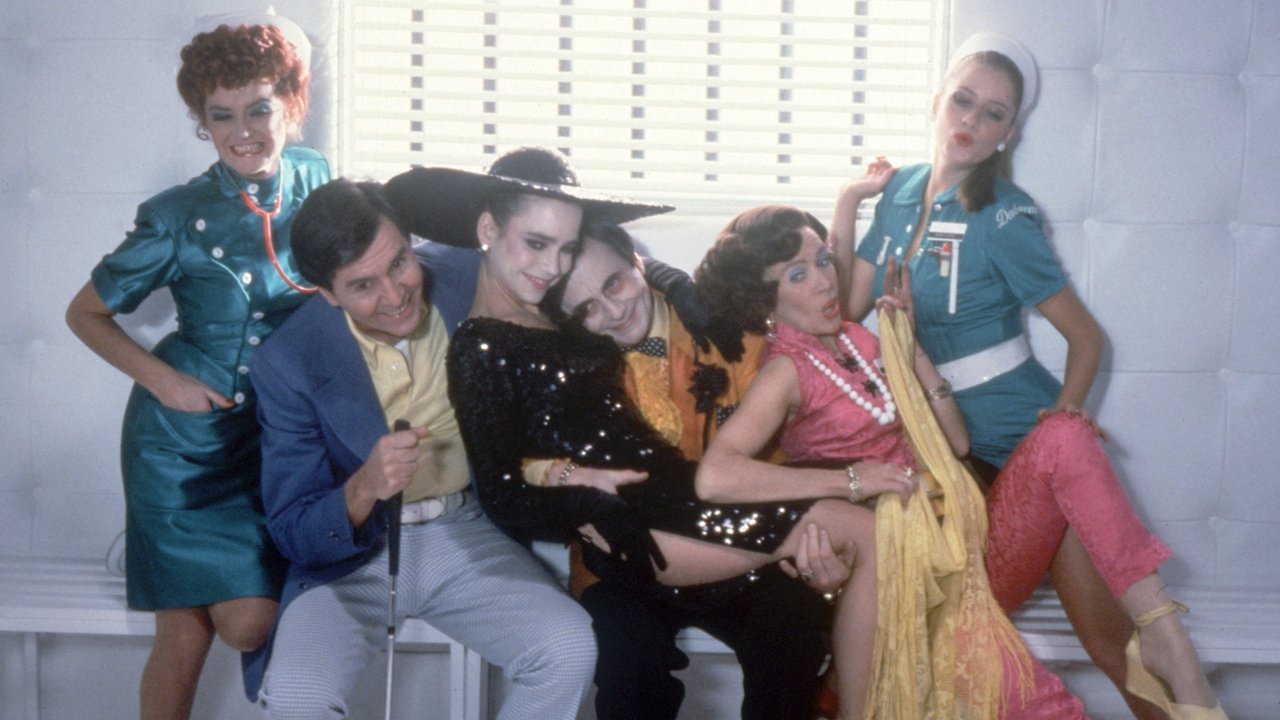
Forget the spooky castle; Shock Treatment ditches gothic horror parody for something arguably more terrifying in the long run: media saturation. Co-written by the original mastermind Richard O'Brien along with director Jim Sharman (the duo who gifted us The Rocky Horror Picture Show in 1975), this film throws Brad and Janet Majors (now played by Cliff De Young and the wonderful Jessica Harper) not into the clutches of a sweet transvestite, but into the neon-drenched nightmare of Denton, U.S.A. The entire town, it turns out, is a television studio, run by Farley Flavors (also Cliff De Young, pulling double duty). Brad is deemed "terminally drab" and locked away on a reality show called 'Dentonvale', while Janet is groomed for stardom, caught in the web of manipulative producers Cosmo and Nation McKinley (Richard O'Brien himself and Patricia Quinn, both Rocky Horror alumni in new roles).
It’s a premise that sounds utterly bonkers, and frankly, it is. Reportedly born from script ideas for a more direct Rocky Horror sequel (tentatively titled Rocky Horror Shows His Heels) that fell through when Tim Curry wasn't keen to return, Shock Treatment became its own peculiar beast. The absence of Curry, Susan Sarandon, and Barry Bostwick (though composer Richard Hartley returns) immediately sets it apart, forcing it to stand, or perhaps wobble, on its own merits. Filmed entirely on soundstages at Lee International Studios in Wembley, England, the movie creates this hermetically sealed world that feels both artificial and claustrophobic – a deliberate choice reflecting its themes.
### All Singing, All Dancing, All Sanitized?
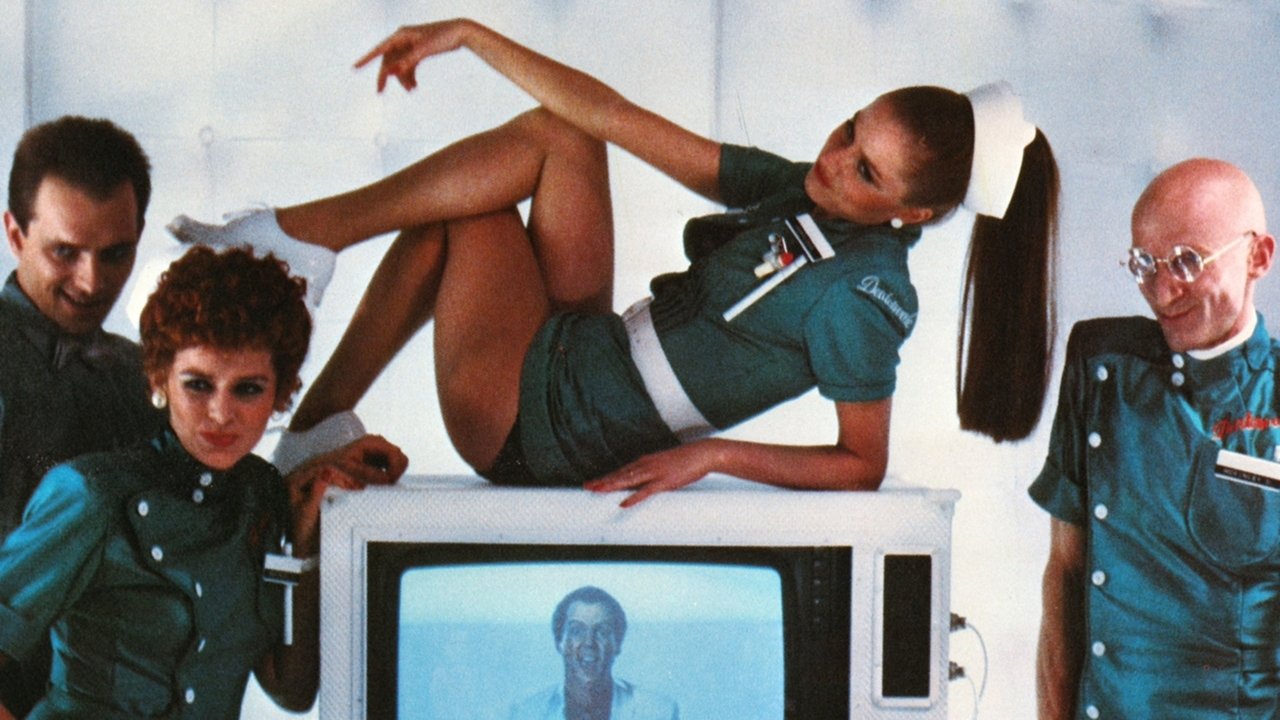
Instead of pelvic thrusts and callbacks, Shock Treatment offers catchy, synth-infused pop-rock numbers and critiques of conformity, consumerism, and the burgeoning obsession with fame. Jessica Harper, already a cult favourite from Brian De Palma's Phantom of the Paradise (1974) and Dario Argento's Suspiria (1977), is the anchor here. Her Janet is less naive victim, more susceptible participant slowly seduced by the promise of celebrity. She carries the film with a captivating blend of vulnerability and burgeoning ambition, and her singing voice is fantastic.
Cliff De Young has the tricky task of playing both the imprisoned, increasingly medicated Brad and the villainous, charismatic fast-food tycoon/media mogul Farley Flavors. He differentiates them well, though the script sometimes struggles to make either character fully compelling beyond their symbolic roles. And Richard O'Brien? As Cosmo McKinley, he brings his signature sneering eccentricity, delivering lines with that familiar archness, paired brilliantly with Patricia Quinn’s icy Nation. It’s a treat seeing them again, even if their roles feel slightly undercooked compared to Riff Raff and Magenta.
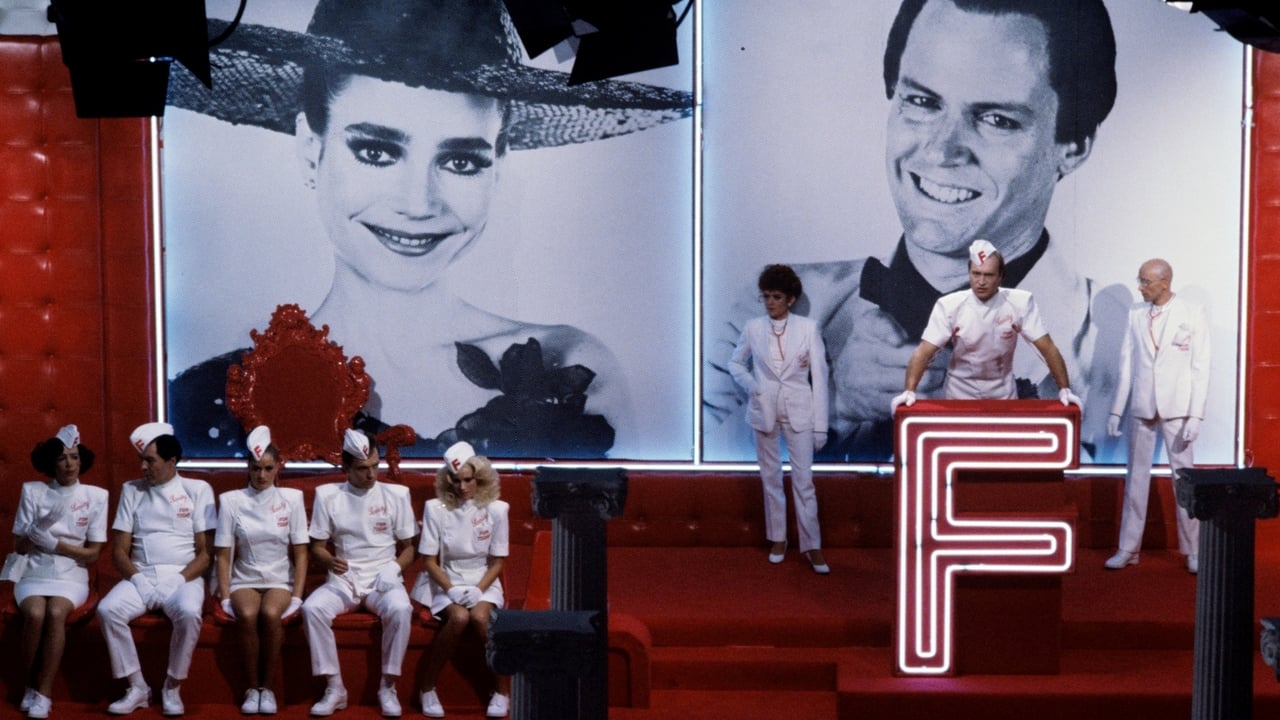
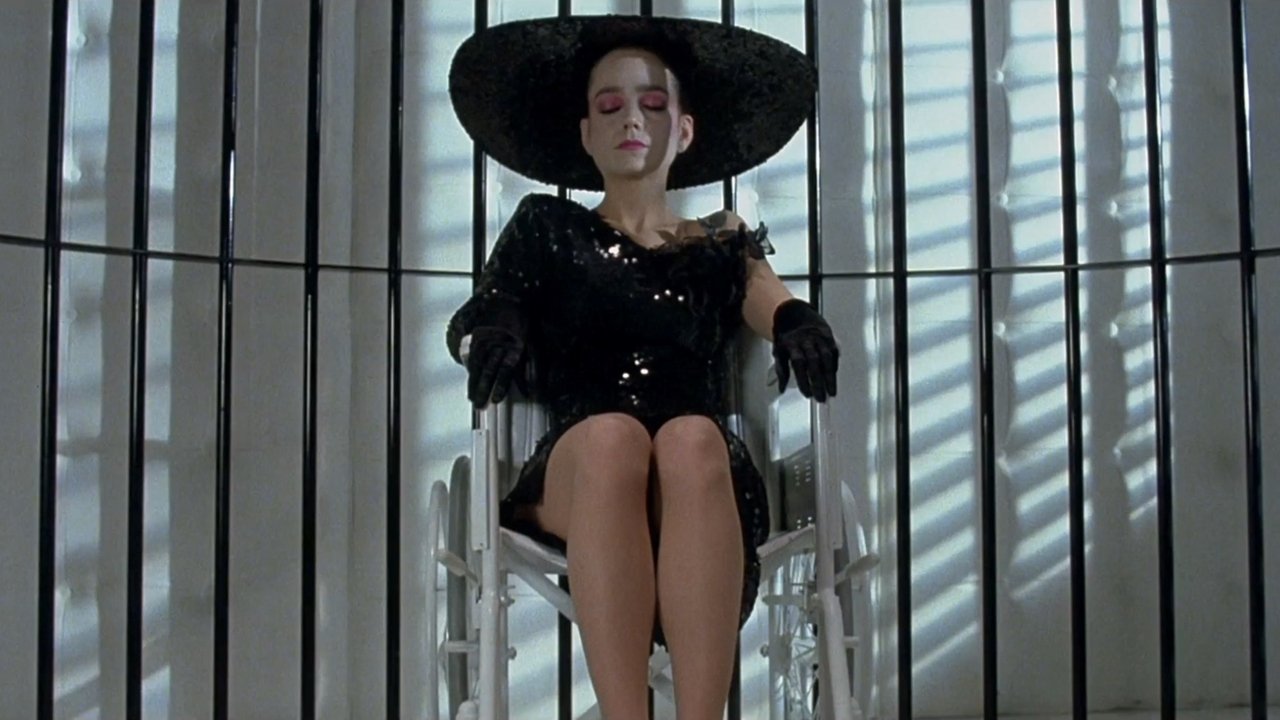
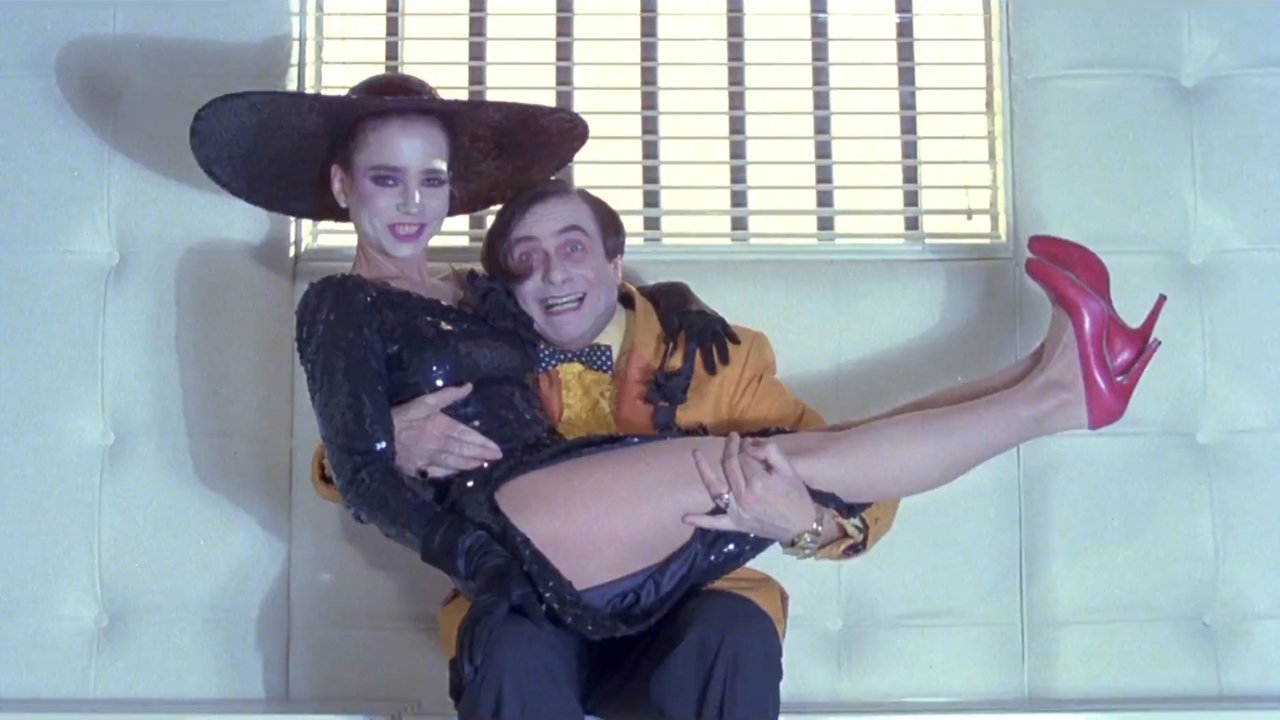
The songs, penned by Richard O'Brien, are genuinely good – maybe even great in places. "Denton U.S.A.," "Bitchin' in the Kitchen," "Little Black Dress," and the title track are infectious earworms. They lack the raw, rock 'n' roll edge of Rocky Horror's score, opting for a slicker, more produced 80s sound, which fits the film's themes of manufactured entertainment. The choreography is energetic, the sets are eye-poppingly colourful, and the sheer commitment to the concept is admirable. You can almost feel the production straining against its reported budgetary limitations, pouring every penny into the on-screen spectacle.
### Ahead of its Time, or Just Out of Step?
Here’s the kicker: Shock Treatment was a colossal bomb upon release. Critics savaged it, audiences expecting Rocky Horror Part 2 were baffled, and it barely received theatrical distribution, quickly vanishing into obscurity. There were no midnight screenings packed with fans dressing up as Farley Flavors. I distinctly remember finding the VHS years later, almost like discovering a secret footnote to a phenomenon.
But watching it now, especially through the lens of our reality TV-saturated world, the film feels eerily prescient. Its satire of manufactured narratives, instant celebrity, mental health commodification ("Mental Health is Mental Wealth!"), and the audience as both passive consumers and active participants feels startlingly relevant. Was it too ahead of its time? Or did its somewhat muddled plot and the insurmountable shadow of its predecessor doom it from the start? Maybe both.
It lacks the transgressive lightning-in-a-bottle energy of Rocky Horror. The edges feel sanded down, the danger replaced with a more cynical, albeit still campy, critique. There are no real practical effects marvels here in the traditional sense – no exploding labs or dramatic chases. The 'effect' is the environment itself – the overwhelming, non-stop television world built on those UK soundstages. The intensity comes from the relentless pace, the catchy but sometimes repetitive songs, and the sheer weirdness of watching familiar characters navigate this bizarre new landscape.
### The Verdict on Dentonvale
Shock Treatment is the definition of a cult curio. It’s messy, uneven, and will forever be compared unfavourably to its legendary sibling. Yet, it possesses a unique charm, some genuinely fantastic songs, a standout performance from Jessica Harper, and themes that resonate more strongly today than they did in 1981. It’s not a film you casually throw on; it demands a certain mood, perhaps a tolerance for 80s aesthetics pushed to their limits and a willingness to engage with its strange, satirical vision.
Rating: 6.5/10
Why this score? Points awarded for the killer soundtrack, Harper's performance, the ambitious (if flawed) satire, and its sheer cult audacity. Points deducted for the narrative inconsistencies, the slightly less charismatic leads compared to the original, and the fact that it doesn't quite stick the landing. It earns its cult status honestly – it’s a fascinating failure, but a failure bursting with ideas and catchy tunes.
Final Take: Forget Frank-N-Furter; this is the strange, slick, synth-pop cousin that showed up uninvited to the family reunion, baffled everyone, but left behind some surprisingly catchy tunes and a weirdly prophetic vision of the media landscape to come. Definitely worth digging out of the VHS archives if you want a dose of truly peculiar 80s filmmaking.