It’s hard to fully capture the atmosphere of the year 2000 for superhero cinema. We were post-Batman & Robin, still feeling the sting of neon and bat-nipples. While Blade (1998) had shown surprising grit, the idea of a serious, ensemble comic book movie felt like a gamble. Then came X-Men. It didn't arrive with the earth-shattering hype of today's blockbusters, but rather with a mix of fervent hope from hardcore fans and cautious curiosity from everyone else. Could Hollywood really pull off Marvel's complex mutants? The answer, delivered with surprising gravity and style, was a resounding yes.
### A New Breed of Hero
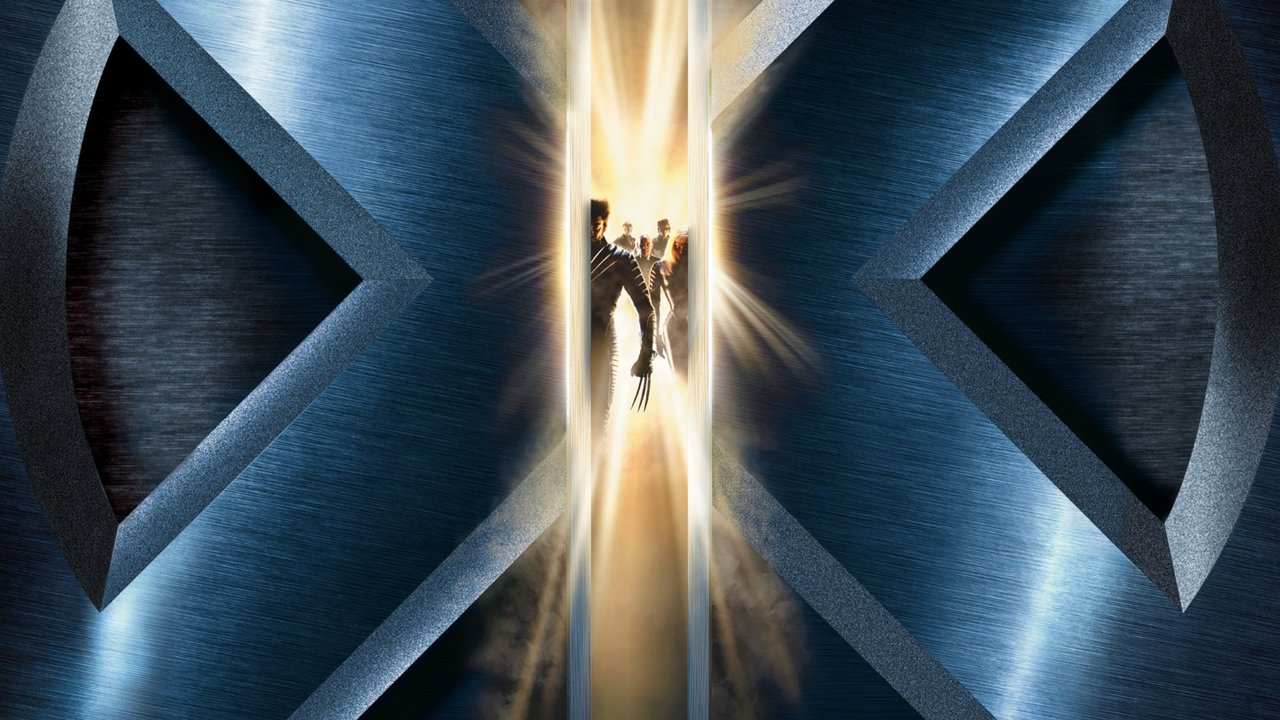
From its chilling opening scene in a 1944 Polish concentration camp, X-Men immediately signaled its intentions. Director Bryan Singer, known then for the intricate thriller The Usual Suspects (1995), wasn't aiming for campy fun. He, along with writers David Hayter (himself a massive comic fan, which undoubtedly helped) and Tom DeSanto, grounded the fantastical concept of mutants – humans born with extraordinary abilities – in relatable themes of prejudice, fear, and the struggle for acceptance. The film cleverly introduces us to this world through the eyes of two outsiders: the perpetually wandering, metal-clawed Logan/Wolverine (Hugh Jackman) and the young, power-draining runaway Rogue (Anna Paquin). Their journey leads them to Professor Charles Xavier's School for Gifted Youngsters, a haven for mutants learning to control their powers, and into the central conflict between Xavier's dream of peaceful coexistence and his former friend Erik Lehnsherr/Magneto's belief in mutant supremacy.
### Casting Perfection

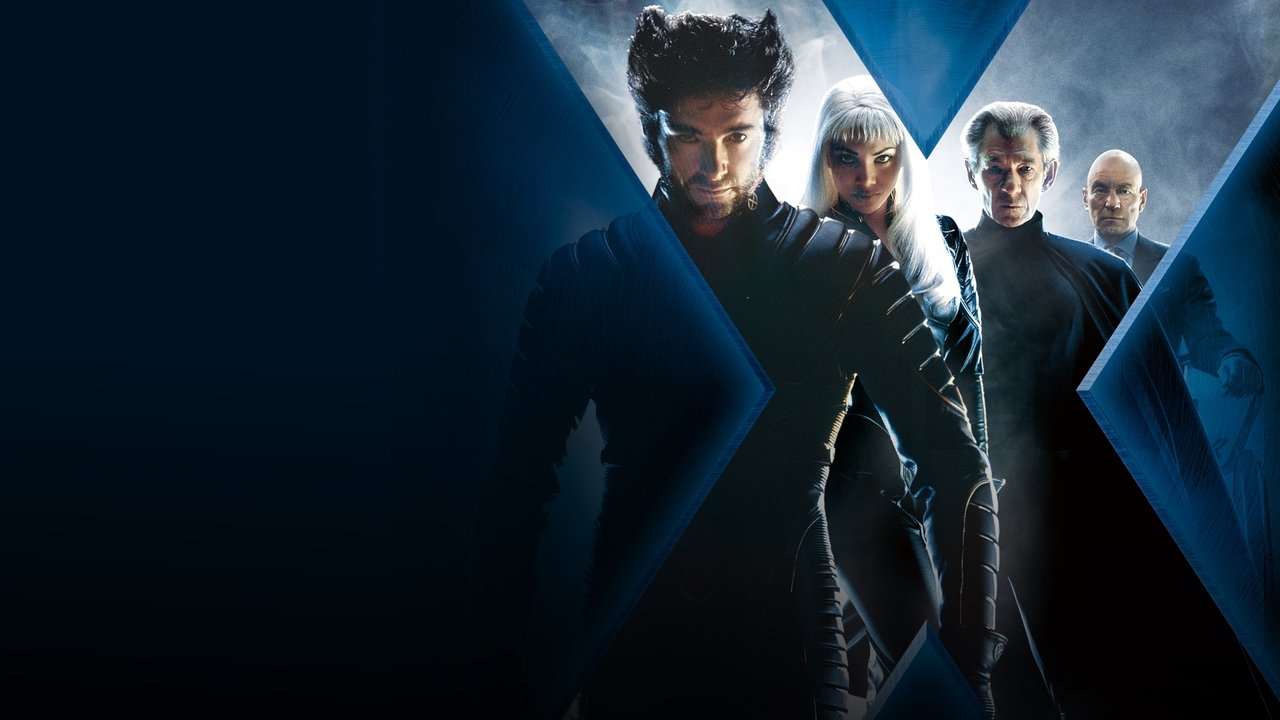
Much of X-Men's enduring power lies in its phenomenal casting, choices that felt less like actors playing roles and more like the characters themselves stepping off the page. Could anyone else possibly embody the quiet dignity and immense psychic power of Professor X other than Patrick Stewart? Already beloved by sci-fi fans as Captain Picard, he brought instant gravitas. And opposite him, the legendary Ian McKellen, fresh off an Oscar nomination for Gods and Monsters (1998), delivered a Magneto layered with tragedy, conviction, and terrifying power. Their shared history and philosophical conflict formed the film’s compelling core.
Then there was the casting coup that launched a superstar. Few knew Hugh Jackman outside of Australian theatre when he landed the role of Wolverine, famously stepping in late after Dougray Scott had scheduling conflicts due to Mission: Impossible 2 (2000). It’s one of Hollywood’s great ‘what ifs’. Jackman, who reportedly studied wolves and Mike Tyson fights to capture Logan’s feral energy and berserker rage, instantly became Wolverine. His gruff charisma, simmering intensity, and surprising vulnerability made him the breakout star and the anchor for much of the subsequent franchise. While perhaps less developed, the supporting cast including Halle Berry as Storm, Famke Janssen as Jean Grey, and James Marsden as Cyclops effectively rounded out the team dynamic, even if Cyclops arguably got the short end of the leadership stick on screen.
### Suits, Spectacle, and Substance
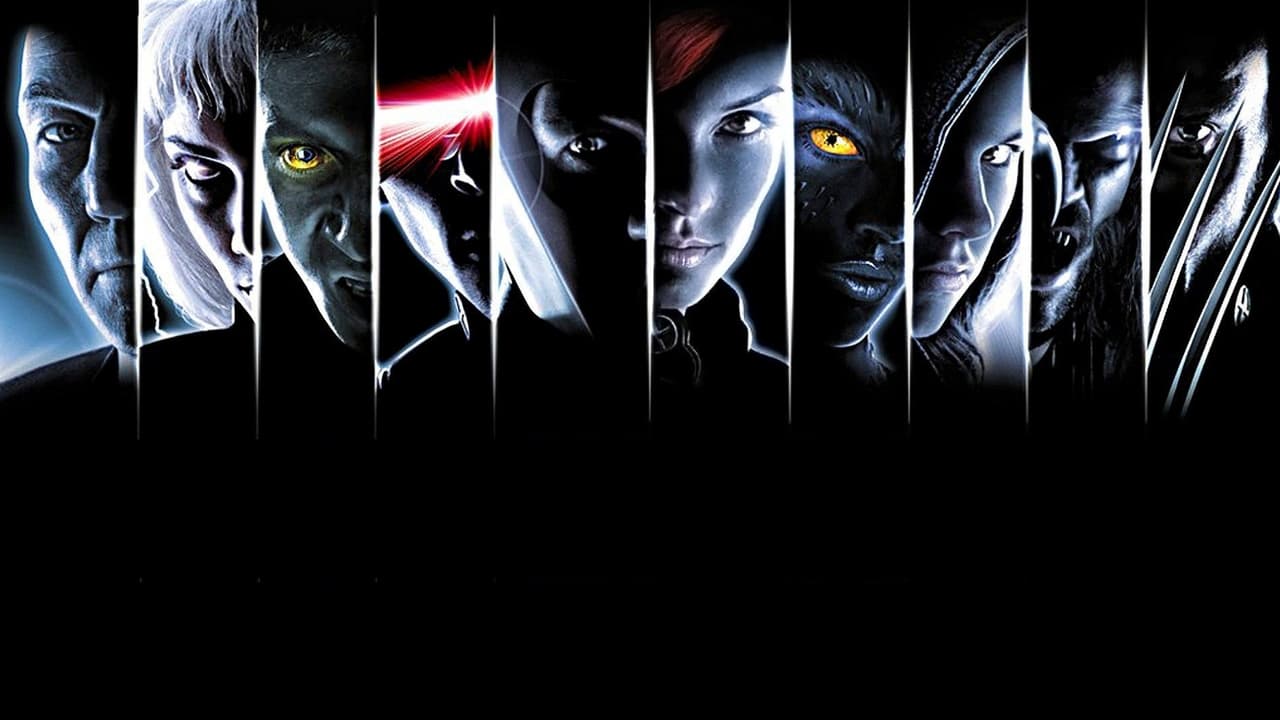
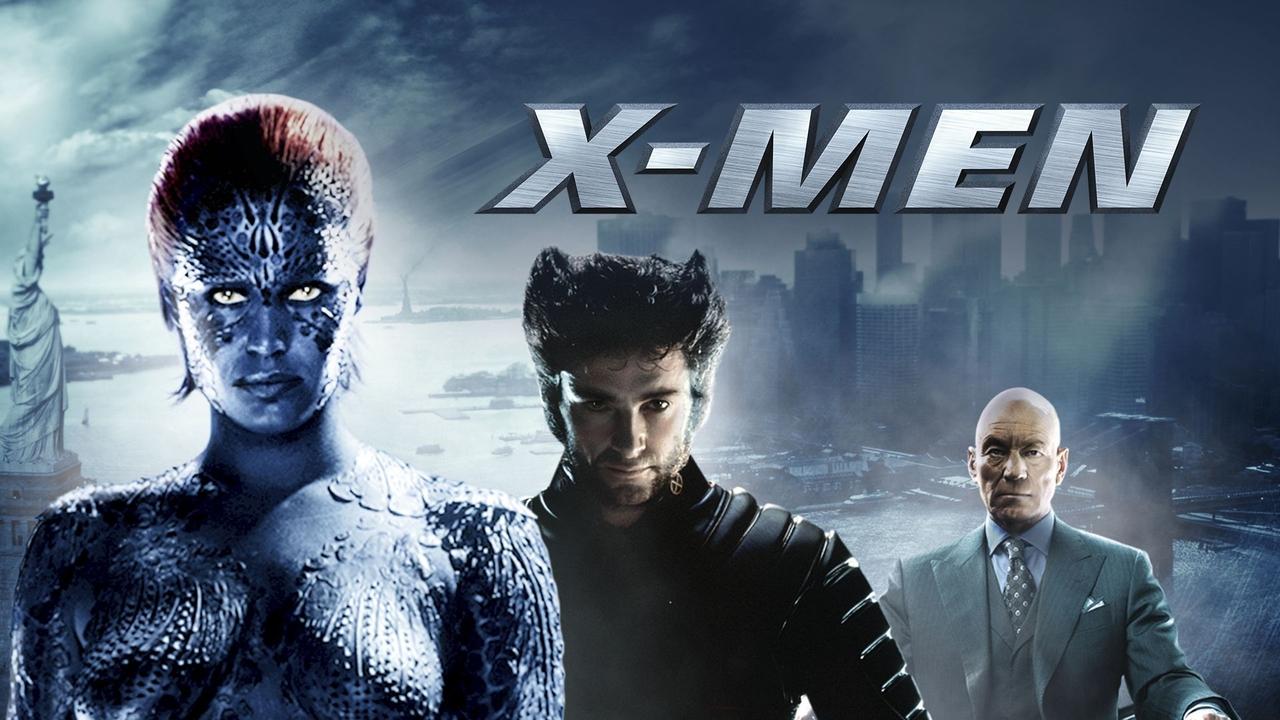
One of the most debated aspects at the time? The costumes. Gone were the bright yellow spandex and clunky helmets of the comics, replaced by functional, uniform black leather suits. While purists grumbled, it was a deliberate choice by Singer to lend a sense of real-world practicality and unity to the team, a visual shorthand that these weren't cartoon characters but a paramilitary unit operating in the shadows. It also cleverly sidestepped the potential silliness of translating some of the more outlandish comic designs directly.
Working with a budget of around $75 million – substantial for 2000 but modest by today's superhero standards – the film used its effects judiciously. The spectacle was there (Magneto ripping guns apart, Storm summoning lightning, Wolverine’s iconic claw snikt), but it always served the characters and story. Singer focused more on the tension, the ideological battle, and the emotional weight carried by these extraordinary individuals living in a world that fears and hates them. This focus on character drama over non-stop action was a key factor in its success, grossing over $296 million worldwide and proving audiences were ready for more mature comic book adaptations. It scored well with critics too, holding an 82% on Rotten Tomatoes and a 7.3 on IMDb, signalling a shift in perception.
### Retro Fun Facts & The Dawn of an Era
The journey to screen for X-Men was long and fraught, stretching back years with various scripts and directors attached. David Hayter's draft is often credited with finding the right balance between comic faithfulness and cinematic storytelling. One fascinating tidbit is how much the film leans on the Wolverine/Rogue relationship, making them the audience's entry point, a slight deviation from the comics' typical focus but one that worked beautifully for the narrative. Remember Magneto's elaborate machine on Liberty Island? The visual effects team had their work cut out for them, blending practical set pieces with nascent CGI to create that memorable climax. It’s also fun to recall the film’s simple but effective tagline: "Trust a few. Fear the rest."
X-Men didn't just succeed; it arguably kickstarted the modern superhero gold rush. Its serious tone and financial success demonstrated that these weren't just kids' properties. It showed respect for the source material's core themes, even while taking liberties with visuals. It laid the groundwork for Spider-Man (2002) and, eventually, the entire Marvel Cinematic Universe. Its influence is undeniable, spawning numerous sequels, prequels, and spin-offs of varying quality, but the impact of this first installment remains profound. It proved that mutants, and comic book movies, were ready for the mainstream.
Rating: 8.5/10
This rating reflects the film's groundbreaking impact, its superb core casting (Stewart, McKellen, Jackman), its mature themes, and its skillful direction that balanced action with character. It successfully translated the spirit of the X-Men to the big screen, overcoming immense expectations. While some supporting characters feel thin and certain effects show their age, its importance and overall quality shine through. It was a gamble that paid off magnificently, changing the cinematic landscape forever.
X-Men wasn't just another movie; it felt like a validation. It was the moment many of us realized these incredible stories we loved could be told on screen with the weight and respect they deserved. A true game-changer, straight outta the year 2000.