The static hiss fades, the tracking adjusts, and a logo flickers – not the one we’d come to know just a few years later, but something… else. Before the polished chrome of the Cerebro chamber in Singer's X-Men (2000), before the leather suits became standard issue, there was this: Generation X, a 1996 made-for-TV movie that landed on Fox like a transmission from an alternate timeline. Watching it again now feels like uncovering a strange, half-remembered dream, a relic from an era when bringing Marvel's mutants to life on screen was still uncharted, slightly perilous territory. It wasn't quite the X-Men we ordered, but perhaps, in its own peculiar way, it captured a certain 90s unease.

Mutant High, Budget Low
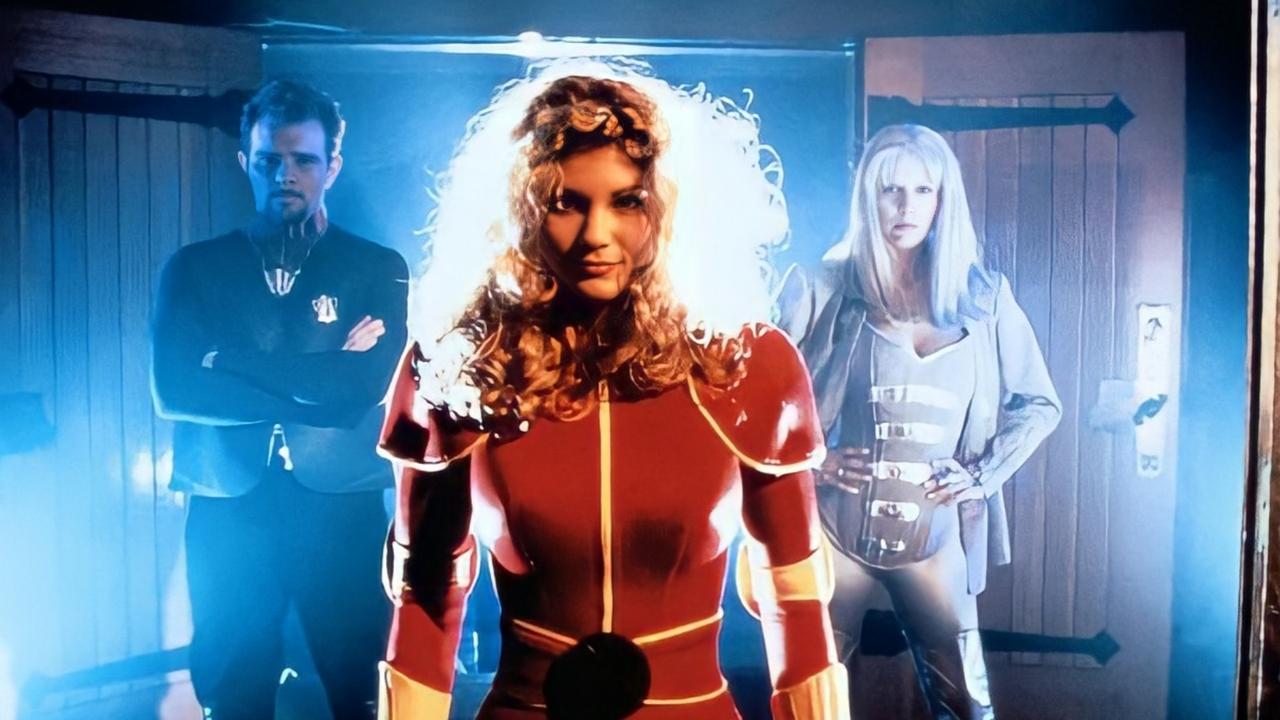
The setup is familiar enough, at least on paper. We find ourselves at Xavier's School for Gifted Youngsters, though it feels less like a bustling academy and more like a sparsely populated, slightly sterile tech campus. Leading the charge aren't Professor X or Cyclops, but rather Emma Frost, the White Queen (Finola Hughes, bringing a cool, detached presence miles away from her soap opera roots on General Hospital), and Sean Cassidy, aka Banshee (Jeremy Ratchford, years before chasing cold cases). They're mentoring a new class of young mutants – Jubilee, Skin, Mondo, M, and Buff – teenagers grappling with powers that often feel more like curses than gifts. The core idea, the alienation and discovery central to the X-Men mythos, is technically present, but filtered through the unmistakable lens of mid-90s television constraints. The vibe is less superheroics, more after-school special with occasional energy blasts.
Frewer's Mind Games
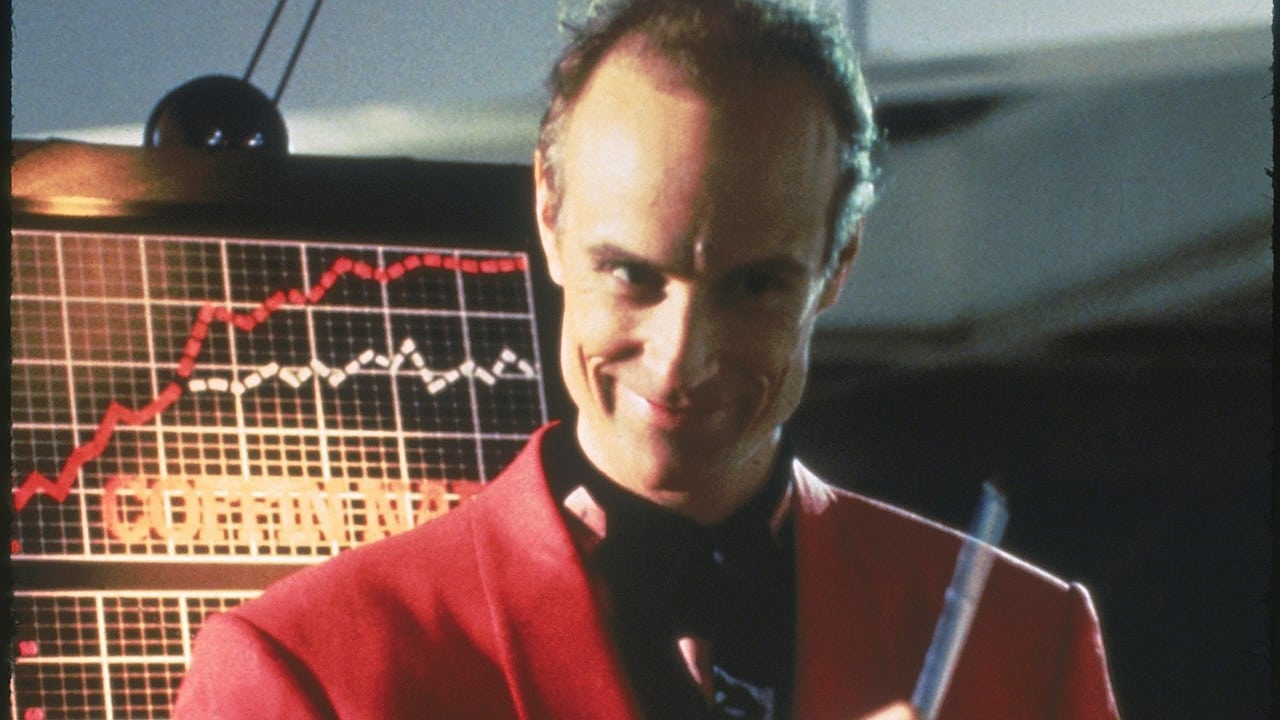
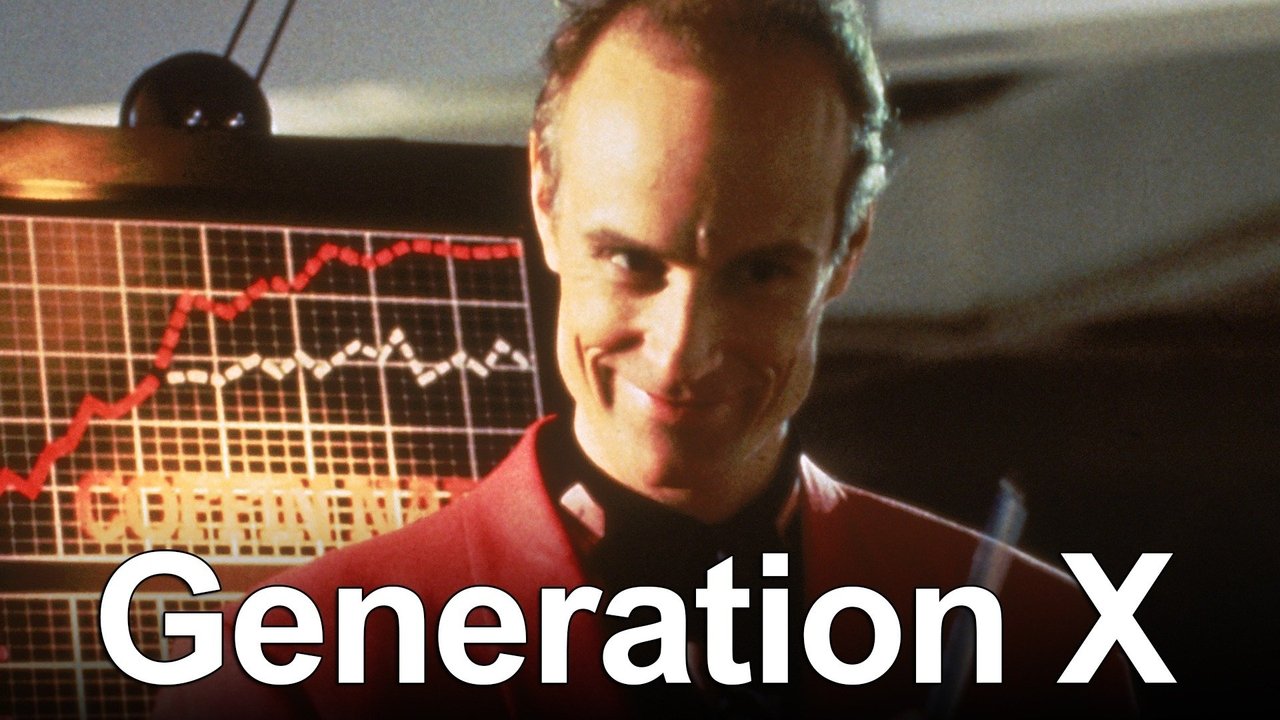
Where Generation X momentarily transcends its limitations is in its villain. Forget Magneto; the threat here is Russel Tresh, a mad scientist obsessed with tapping into the power of the dream dimension. And who better to embody this kind of cerebral creepiness than Matt Frewer? Fresh off his iconic, glitchy run as Max Headroom, Frewer dives into Tresh with a manic energy that feels both out of place and strangely perfect. He builds contraptions out of salvaged electronics, wears ludicrous goggles, and delivers lines about "surfing the dreamscape" with a conviction that borders on the hypnotic. There’s a genuine flicker of unease in his performance, a sense of a mind untethered, aiming for a psychological horror that the rest of the production can't quite support. Director Jack Sholder, who gave us the unsettling A Nightmare on Elm Street 2: Freddy's Revenge (1985) and the brilliant body-snatching thriller The Hidden (1987), clearly understands tension, but seems hampered here by the format and budget. Tresh's mind-invasion plot, while potentially chilling, often gets bogged down in dated virtual reality aesthetics that look more like screensavers than existential threats. Still, doesn't Frewer's unhinged portrayal lodge itself in your memory more than anything else from this flick?
Retro Fun Facts: The Pilot That Never Flew
This wasn't just a standalone movie; Generation X was conceived as a backdoor pilot for a potential Fox series. It's a fascinating "what if?" scenario. Imagine a weekly series with this cast and this budget – perhaps it's for the best it remained a one-off. Scott Lobdell, a prominent X-Men comics writer at the time, had a hand in the script, lending it a degree of comic authenticity, yet the final product significantly diverges. Key characters like Chamber and Husk were dropped, replaced by Buff and Refrax (who doesn't even appear but is mentioned). There were persistent whispers during production about the struggle to realize mutant powers convincingly on a TV movie budget – Jubilee’s "plasma fireworks" look more like party sparklers, and Banshee’s sonic scream is decidedly low-impact. Filmed primarily around Vancouver, Canada, the locations often feel generic, lacking the distinct character of the comic book settings. It landed on TV screens with little fanfare and quickly faded, becoming a curious footnote mentioned only when discussing the long road to the first major X-Men film.

The Look and Feel of Yesterday's Future
Visually, Generation X is pure 1996 television. The lighting is often flat, the sets functional rather than inspired, and the special effects… well, they exist. Skin stretching looks rubbery, energy powers have that distinctively fuzzy digital look, and the dream sequences rely heavily on distorted camera angles and pulsing lights. Yet, there's a certain nostalgic charm to it. Remember when this passed for cutting-edge visual storytelling on TV? The costumes eschew the classic comic book look entirely, opting for vaguely coordinated jumpsuits that scream "low-budget sci-fi" rather than "superhero team." It’s a far cry from the sleek black leather that would define the mutants just four years later, but it perfectly encapsulates the pre-blockbuster era of superhero adaptations.
A Glitch in the System
Watching Generation X today is an exercise in managing expectations. It’s clunky, undeniably cheesy in parts, and its grasp often exceeds its reach. The young cast tries hard but struggles with thin characterizations, and the central conflict feels underdeveloped. Yet, there's an earnestness to it, a snapshot of a time when studios were tentatively dipping their toes into the vast ocean of comic book properties. It represents a path not taken, a different potential future for live-action mutants that quickly got overwritten by bigger budgets and grander ambitions. I distinctly remember catching this late one night on Fox, perhaps after an episode of The X-Files, feeling a strange mix of mild disappointment and fascination. It wasn’t quite the X-Men epic I craved, but it was something, a flickering promise of what might be possible.
Rating: 4/10
Let's be honest, this is far from a hidden gem. The low budget, awkward script, and very dated effects severely limit its success as a superhero adventure. However, Matt Frewer's genuinely weird performance elevates it slightly, and its status as a historical curiosity – a failed pilot predating the modern superhero boom – gives it a certain nostalgic value for hardcore fans and collectors of obscure 90s ephemera. It earns a few points for ambition and for Frewer's commitment to the bit, but ultimately, it’s more interesting as a piece of trivia than as a piece of compelling television.
Generation X remains a fascinating artifact, a ghost in the machine of superhero adaptations. It’s a reminder of how far things have come, but also possesses that specific, slightly awkward charm unique to the made-for-TV movies of the VHS era – a fuzzy transmission from a future that never quite materialized.