Here we go, settling into the well-worn grooves of the couch, maybe popping the tab on a cold one, ready to revisit a film that arrived just as the new millennium dawned, yet feels like a warm hug from the decade before. Return to Me (2000) might technically fall outside our usual 80s/90s wheelhouse, but let's be honest, it carries the heart and soul of those gentler, character-driven romantic comedies we used to pluck eagerly from the video store shelves. It arrived on the cusp of DVD dominance, but its spirit? Pure, comfortable VHS rental fare.
More Than Just a High Concept
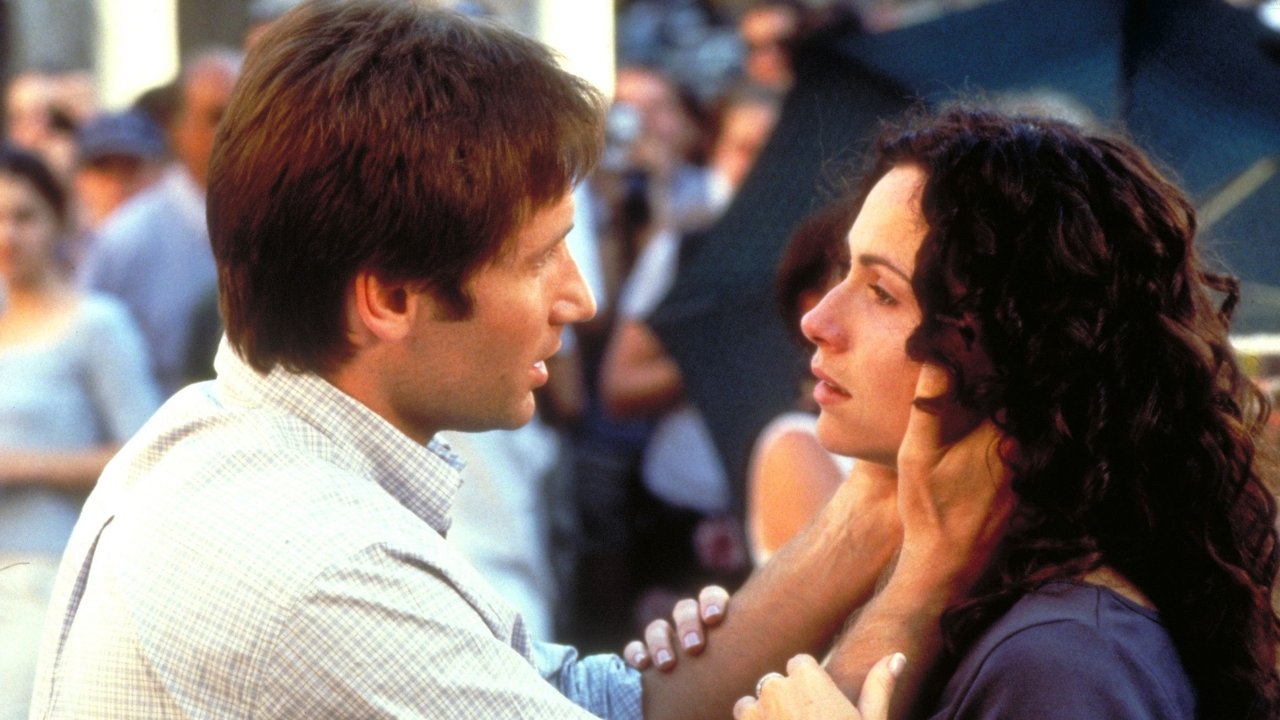
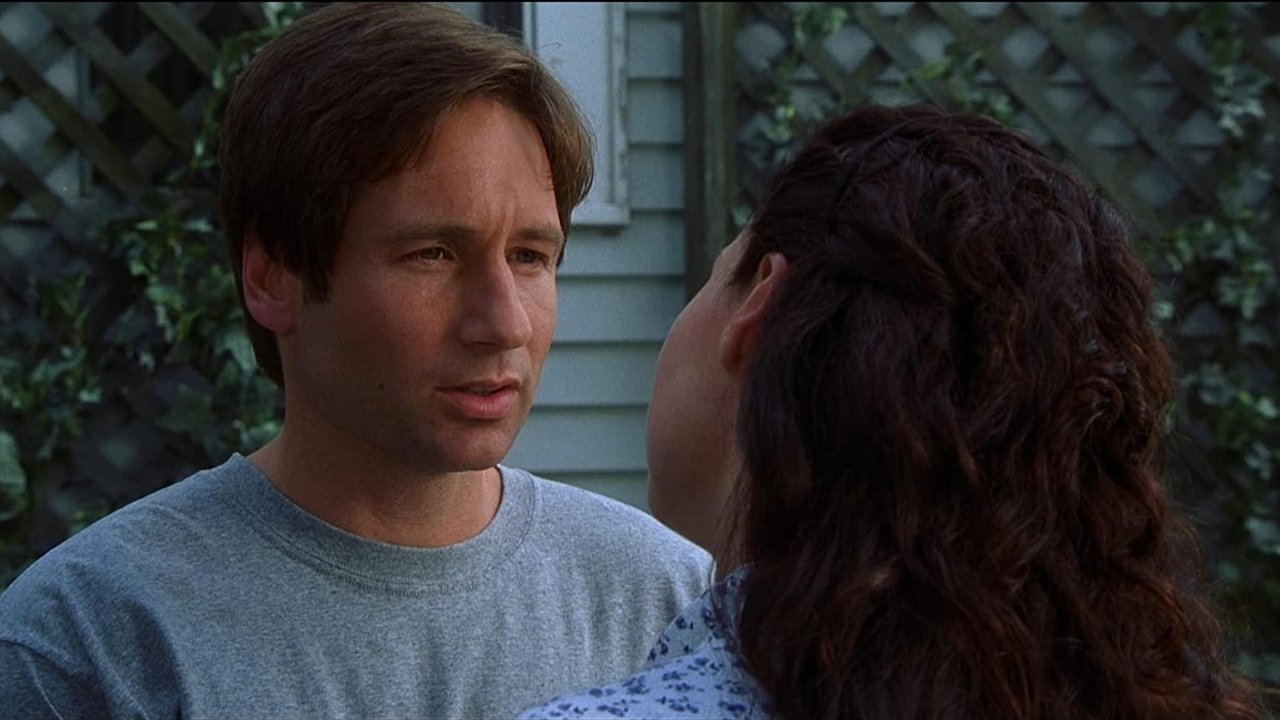
The premise, on paper, sounds almost like a dare: a grieving widower, Bob Rueland (David Duchovny), unknowingly falls for Grace Briggs (Minnie Driver), the very woman who received his late wife's transplanted heart. It's the kind of setup that could easily tip into schmaltz or uncomfortable contrivance. Yet, what unfolds is something surprisingly grounded, tender, and deeply rooted in character. This isn't a film about a medical miracle gimmick; it's about finding connection after loss, the unpredictable paths love takes, and the comforting embrace of family – both biological and found.
Much of this delicate balance rests on the shoulders of Bonnie Hunt, who not only directed but also co-wrote (with Don Lake) and co-starred. Known often for her sharp supporting roles, Hunt steps behind the camera for her directorial debut here, bringing an unexpected warmth and authenticity. Having worked as an oncology nurse before her comedy career took off, you can feel a certain lived-in reality in the film's hospital scenes, treating the medical aspect with respect rather than melodrama. It's a gentle touch that permeates the entire film.
Chicago Heartbeat
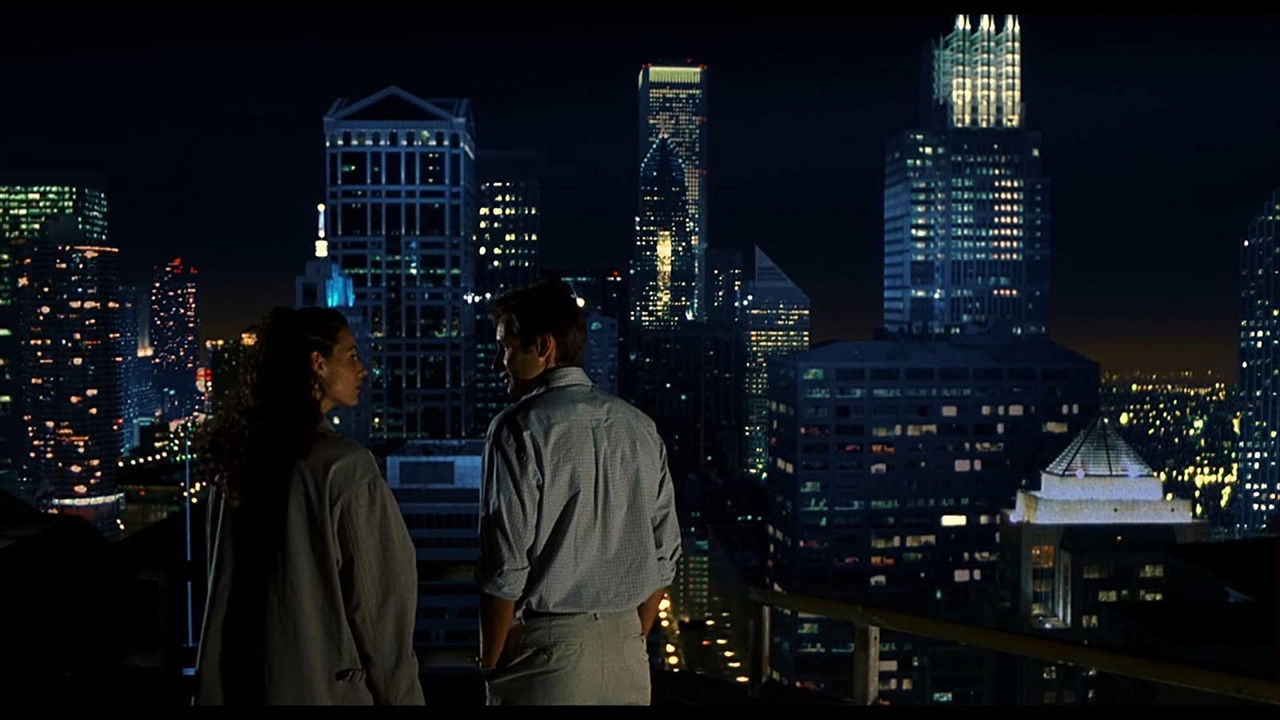
Setting the film in her native Chicago was clearly a personal choice for Hunt, and it pays off beautifully. The city isn't just a backdrop; it's a character. From the cozy neighborhood feel to the specific, loving portrayal of Grace's family's Irish-Italian restaurant, O'Reilly's (reportedly inspired by actual local spots), there's a tangible sense of place. This isn't glossy, generic Hollywood; it feels like stepping into a real community.
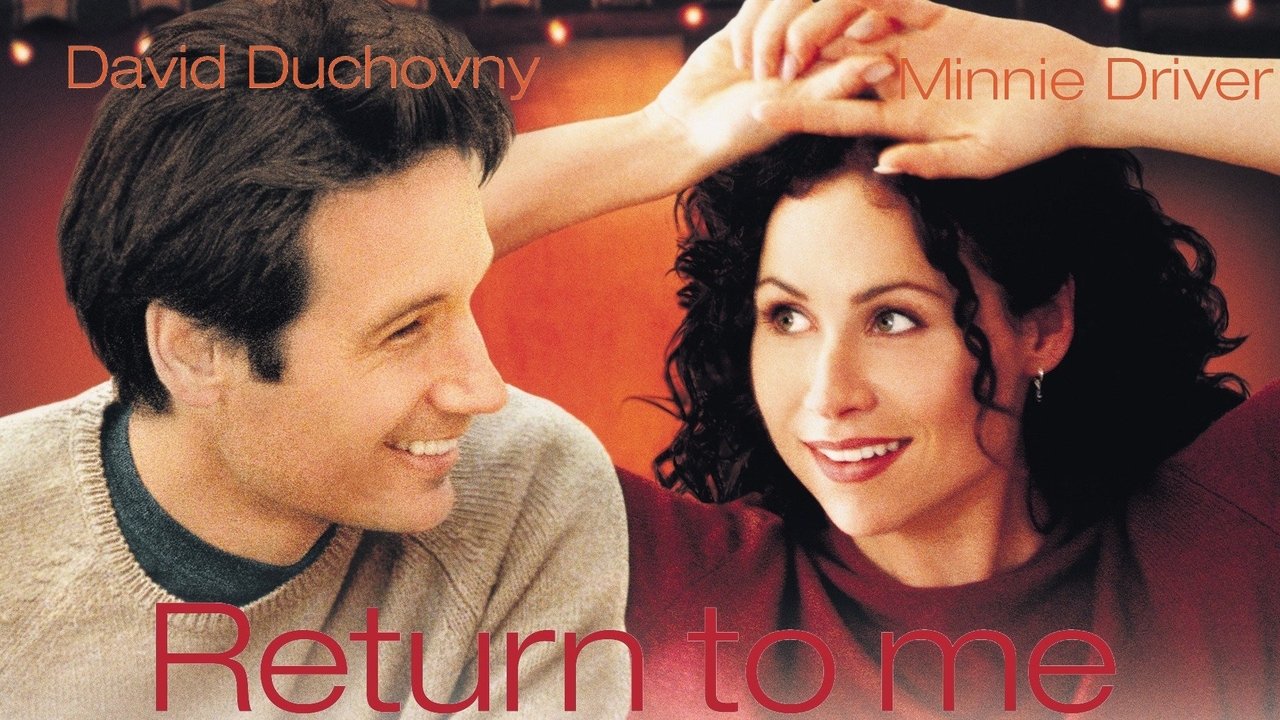
This commitment to authenticity extends to the cast. David Duchovny, stepping away from the relentless intensity of The X-Files (which was still airing its seventh season when this film released), reveals a softer, more vulnerable side as Bob. He captures the quiet ache of grief without letting it overwhelm the character's inherent decency. Opposite him, Minnie Driver, fresh off acclaim for films like Good Will Hunting (1997), radiates warmth and a slightly awkward charm as Grace. Her journey, navigating health scares and the tentative steps towards new love, feels entirely genuine. Their chemistry isn't the fiery, immediate spark of many rom-coms; it's a slow burn built on shared glances, easy conversation, and a palpable sense of two slightly wounded people finding solace in each other.
The Anchors of Family and Friendship
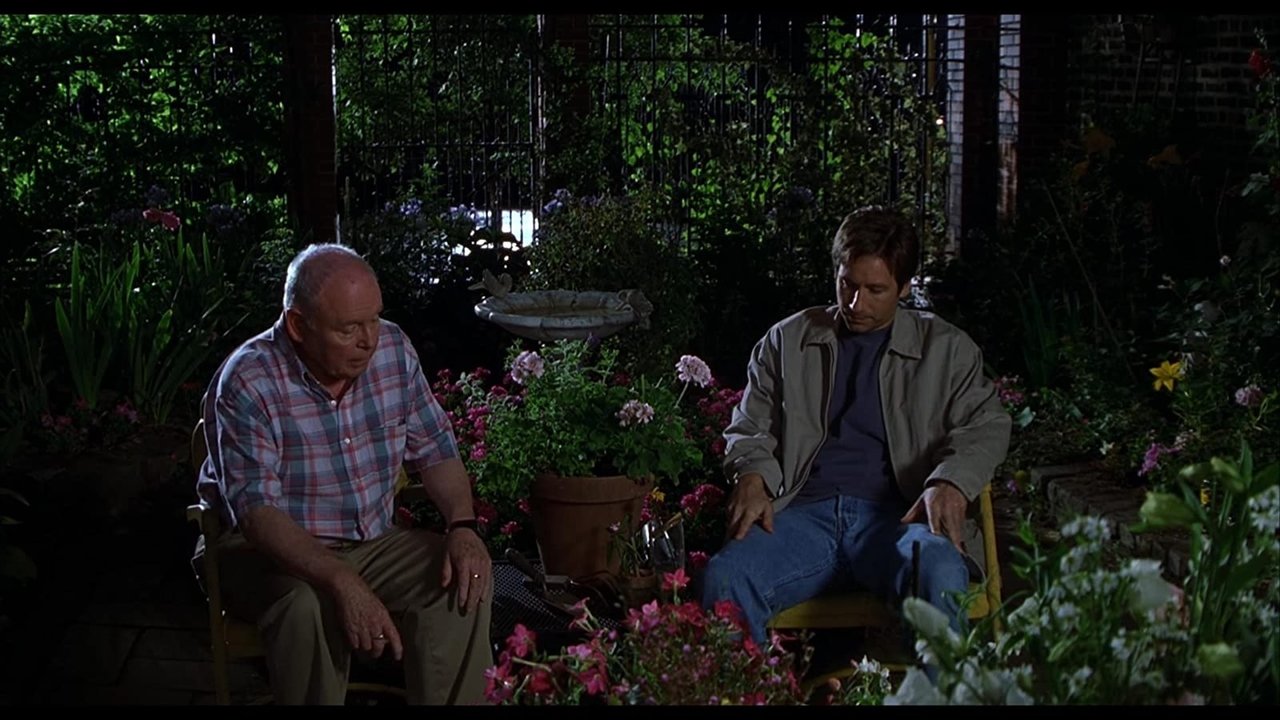
Where Return to Me truly sings, however, is in its incredible supporting cast, particularly the ensemble surrounding Grace. Her grandfather, Marty O'Reilly, is played by the legendary Carroll O'Connor in what would sadly be his final film role. O'Connor, forever etched in our minds as Archie Bunker, brings such immense heart, humor, and quiet wisdom to Marty. He’s the loving patriarch, the concerned guardian, and the heart of the family unit. His scenes, especially those shared with Driver, are deeply affecting, imbued with an extra layer of poignancy knowing it was his farewell performance.
Alongside him, Robert Loggia as Marty's Italian brother-in-law Angelo, Bonnie Hunt herself as Grace's best friend Megan, and David Alan Grier as Bob's loyal pal Charlie, create a rich tapestry of relationships. Their banter, particularly amongst the older gentlemen playing cards in the restaurant's back room, feels effortless and lived-in. These aren't just plot devices; they're fully realized people whose love and support ground the central romance. A fun little tidbit: the scene-stealing dog, Mel, actually belonged to Jim Belushi in real life, who makes a quick cameo as a character Grace briefly dates. It's these small touches, these layers of connection, that elevate the film.
Navigating the Premise with Grace
Yes, the central conceit is a potential minefield. How does the film handle the eventual reveal? (Minor Spoilers Ahead!) Thankfully, it leans into the emotional truth rather than manufactured drama. The conflict arises naturally from the situation, focusing on Grace's feelings of confusion and Bob's sense of disorientation, rather than resorting to cheap theatrics. It treats the characters' dilemmas with respect, allowing the resolution to feel earned rather than forced.
The film wasn't a massive blockbuster – made for around $24 million, it brought in about $32.7 million worldwide – but it found its audience, those who appreciated its gentle humor, its focus on decent people finding their way, and its unabashed sentimentality. It feels like a film made by adults, for adults, comfortable in its own skin and uninterested in chasing trends.
Rating: 8/10
Return to Me earns a solid 8 out of 10. It overcomes its potentially tricky premise through sheer warmth, authentic performances, and a beautifully realized sense of community, largely thanks to Bonnie Hunt's sensitive direction and writing. The central romance between Duchovny and Driver is sweet and believable, but it's the incredible supporting cast, anchored by a truly wonderful final turn from Carroll O'Connor, that makes the film resonate. It might lack the sharp edges or explosive moments of some contemporaries, but its gentle spirit and genuine heart feel deeply comforting, like revisiting an old friend on a cherished tape.
What lingers most, perhaps, is that feeling of quiet sincerity – a reminder that sometimes, the most affecting stories are simply about good people hoping for a second chance at happiness.