### A Day Drenched in Sunlight and Strangeness

There’s a bittersweet edge to revisiting certain films, isn't there? A knowledge that hangs in the air, separate from the narrative unfolding on screen. Watching Robert Downey Sr.’s 1997 film Hugo Pool (sometimes titled Pool Girl internationally) brings just such a feeling, primarily because of its dedication: "For Laura." Laura Ernst, Downey Sr.'s wife and the film's co-writer and producer, tragically passed away from ALS before its release. Knowing this casts a different light on the film's relentless, almost manic energy – perhaps a frantic attempt to capture life's absurdity, or maybe just a reflection of a chaotic production wrestling with impending loss. It's a film that doesn't sit easily, a sun-drenched L.A. story teeming with eccentricities that often threaten to capsize the whole endeavour.
### Hugo's Orbit of Oddballs
The premise is deceptively simple: we follow Hugo Dugay, played with remarkable patience and grounded presence by Alyssa Milano, through a single, overwhelming day running her pool cleaning business. Hugo Pool isn't just a company name; it's her life, a whirlwind of managing appointments, dealing with her gambling-addicted mother Minerva (Cathy Moriarty, chewing scenery with glorious abandon), and navigating a bizarre constellation of clients scattered across the Hollywood Hills. This isn't your typical day job drama; it's more like a loosely connected series of surreal vignettes, each client more peculiar than the last. We encounter Floyd (Patrick Dempsey), a filmmaker afflicted with ALS (a detail that gains immense poignancy given the dedication), the flamboyant Henry Dugay (Malcolm McDowell), and a parade of cameos seemingly pulled from Downey Sr.'s Rolodex, including Sean Penn as a strange hitchhiker, Richard Lewis as a neurotic film producer, and even Robert Downey Jr. popping in briefly.
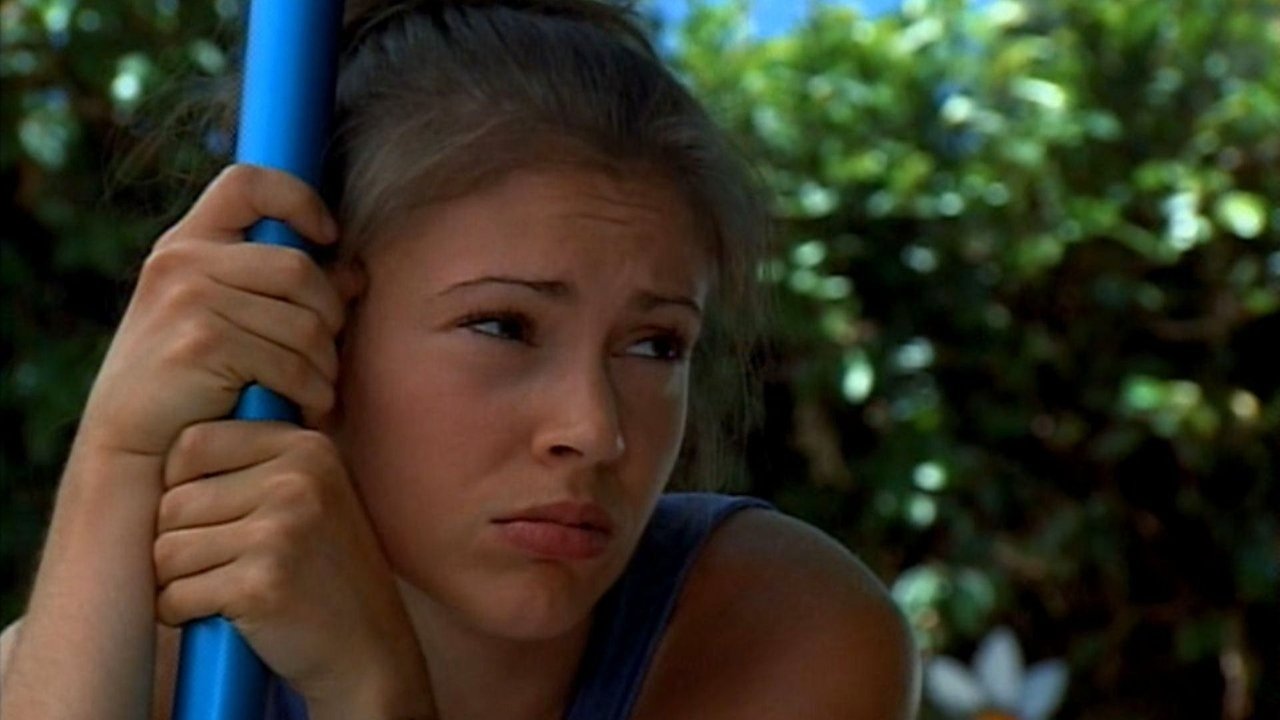
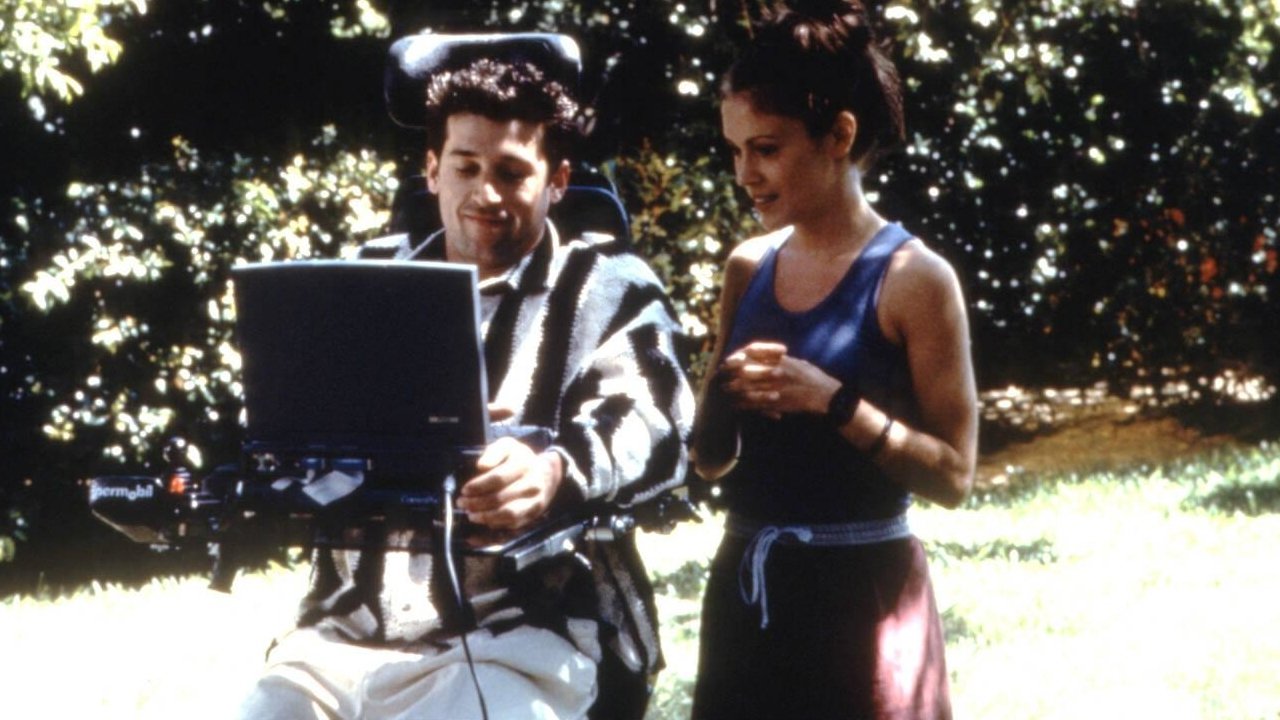
Milano, fresh off her Melrose Place fame, truly anchors the film. Amidst the escalating chaos and often cartoonish behaviour of those around her, Hugo remains relatable, if perpetually stressed. Her interactions, particularly the burgeoning, gentle connection with Dempsey's character, provide the film's few moments of genuine emotional resonance. It’s a performance that asks a lot – essentially reacting to escalating levels of weirdness – and she delivers a sense of weary perseverance that keeps the viewer tethered, however loosely, to the plot. Dempsey, too, handles his role with sensitivity, portraying Floyd's physical decline without resorting to melodrama, finding a quiet dignity amidst the surrounding circus.
### Downey Sr.'s Unmistakable Stamp
You can't discuss Hugo Pool without acknowledging the unmistakable directorial signature of Robert Downey Sr. Known for underground classics like Putney Swope (1969), his style is inherently anti-establishment, favouring improvisation, absurdism, and a kind of ragged, freewheeling energy. Hugo Pool feels very much like a Downey Sr. film transplanted, perhaps uneasily, into the slightly slicker independent film landscape of the late 90s. The humour is often broad, sometimes baffling, and the narrative deliberately shuns conventional structure. It feels less like a tightly plotted story and more like a collection of encounters, sketches bound together by Hugo’s increasingly frantic journey across L.A.
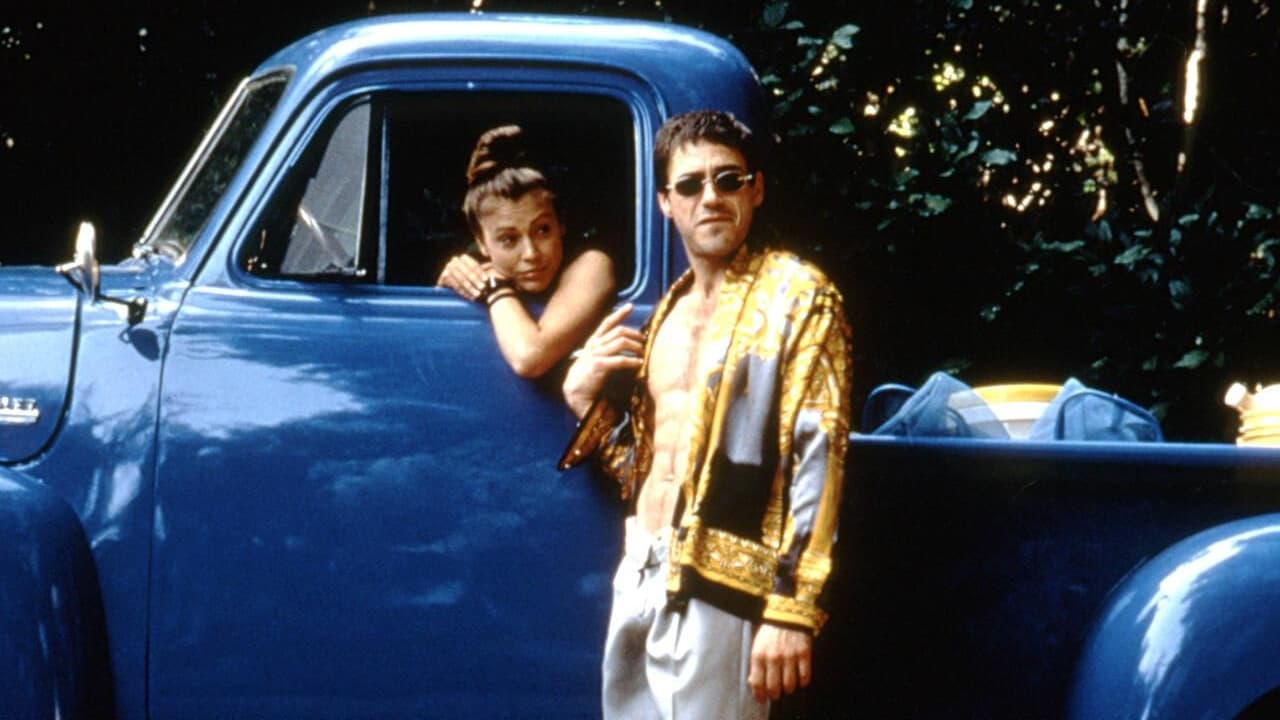
Retro Fun Fact: The sheer number of recognizable faces popping up for brief, often bizarre appearances wasn't just stunt casting. It reflected Downey Sr.'s collaborative, almost communal approach to filmmaking. He often worked with friends and family, creating a loose, improvisational atmosphere on set. Reports suggest the production itself was fairly chaotic, mirroring the film's plot – perhaps an intentional reflection, or simply the reality of pulling together such an unconventional project on a modest budget (reportedly around $2 million).
Another interesting tidbit involves the film's core inspiration. While fictionalized, the character of Hugo and her pool cleaning business stemmed from Laura Ernst's own experiences before she became fully involved in film production. This personal connection likely fueled both the screenplay's specific details and the deep sense of tribute that permeates the final product, even through its wackier moments. It adds a layer of truth beneath the exaggerated reality.
### More Curiosity Than Cohesion?
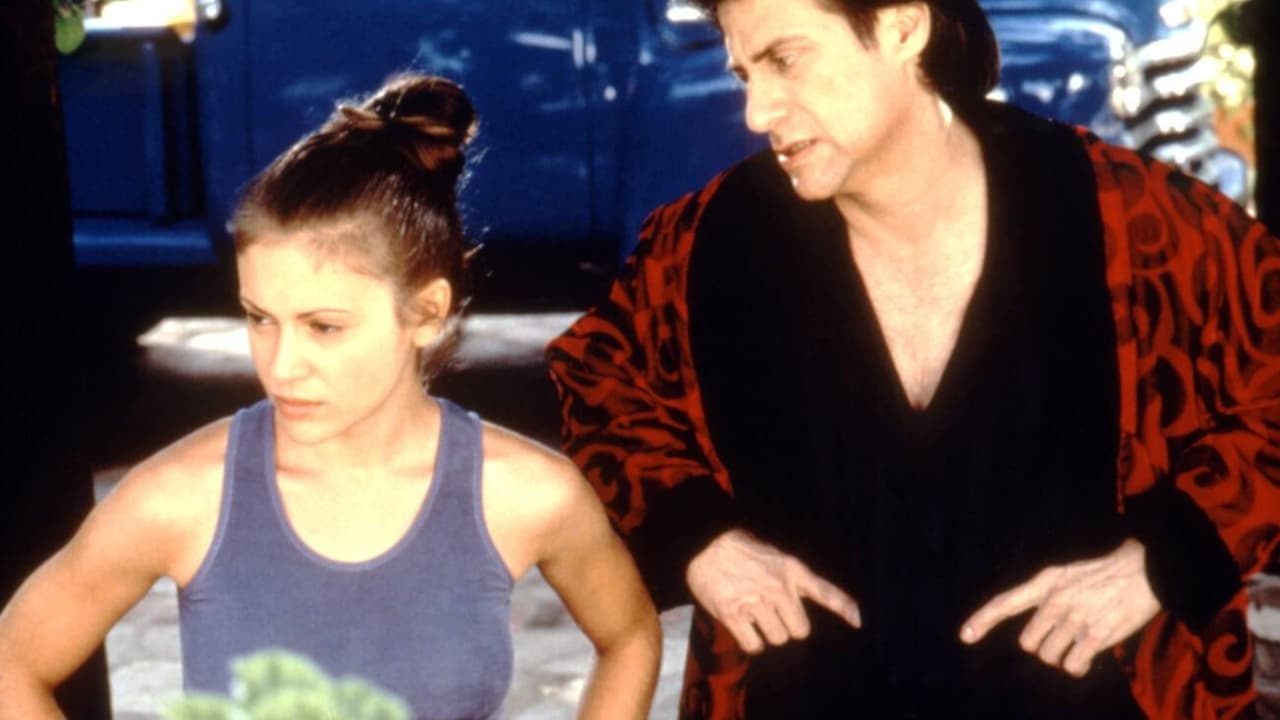
Does it all work? That's the question that lingers long after the credits roll. The film's episodic nature and tonal inconsistency can be jarring. Moments of quiet reflection, like Hugo’s conversations with Floyd, sit awkwardly alongside scenes of almost slapstick absurdity involving gangsters or McDowell's flamboyant pronouncements. It struggles to find a consistent rhythm, often feeling like it's pulling in too many different directions at once. The L.A. setting is palpable – the relentless sunshine, the sprawling geography navigated by Hugo's truck – but the city feels more like a backdrop for eccentricity than a character in itself.
It’s the kind of film that likely bewildered mainstream audiences in 1997, lacking the clear hooks or resolutions common even in independent cinema of the time. Its commercial performance was negligible, solidifying its status as a deep-cut curiosity primarily sought out by fans of Downey Sr.'s work or those intrigued by its eclectic cast. You could almost picture finding the slightly worn VHS tape tucked away in the "Cult" or "Comedy" section of a dimly lit video store, its cover hinting at something far stranger than your average Hollywood fare. Was stumbling upon oddities like this part of the magic of that era?
One final production note: The film's score, a blend of quirky instrumental cues and source music, tries to bridge the tonal gaps but sometimes adds to the slightly disjointed feel. It’s another element that feels distinctly Downey Sr. – idiosyncratic, sometimes abrasive, but undeniably part of the film's unique, if challenging, personality.
### Final Reflection & Rating
Hugo Pool is a difficult film to categorize and, frankly, a difficult one to universally recommend. It's messy, uneven, and its humour won't land for everyone. Yet, there's an undeniable sincerity beneath the chaos, particularly in Milano's performance and the touching portrayal of the relationship between Hugo and Floyd. The shadow of Laura Ernst's illness and passing lends it a poignancy that elevates it beyond mere quirky comedy. It feels personal, like flipping through a scrapbook filled with bizarre, funny, and sometimes heartbreaking snapshots. It’s a testament to a unique filmmaker’s vision and a tribute born from love and loss, filtered through a lens of pure absurdity.
Rating: 5/10
Justification: The score reflects the film's status as a fascinating but deeply flawed curiosity. Points are awarded for Alyssa Milano's grounding lead performance, the sensitive handling of Patrick Dempsey's character arc, the sheer audacity of its eccentric vision (Robert Downey Sr.'s unique style), and the poignant context surrounding its dedication to Laura Ernst. However, it loses significant points for its chaotic and often incoherent narrative structure, jarring tonal shifts, inconsistent humour, and ultimately limited appeal beyond dedicated cinephiles or fans of the cast/director. It’s memorable for its strangeness and heart, but struggles significantly as a cohesive piece of storytelling.
It remains a peculiar artifact of late 90s indie filmmaking, a sun-bleached L.A. fever dream that asks: how much weirdness can one pool cleaner handle in a day? The answer, much like the film itself, is complicated.