Okay, let's dim the lights, maybe pour something contemplative, and settle in. We're not talking neon-soaked action or synth-heavy sci-fi today. Instead, we're reaching for a tape that might have sat slightly apart on the rental shelf, perhaps in the "Foreign Films" or "Drama" section, radiating a quiet intensity: Marco Tullio Giordana's One Hundred Steps (original title: I Cento Passi), released in 2000. It arrived just as the VHS era was beginning its slow fade, but its power feels timeless, resonating long after the screen goes dark.
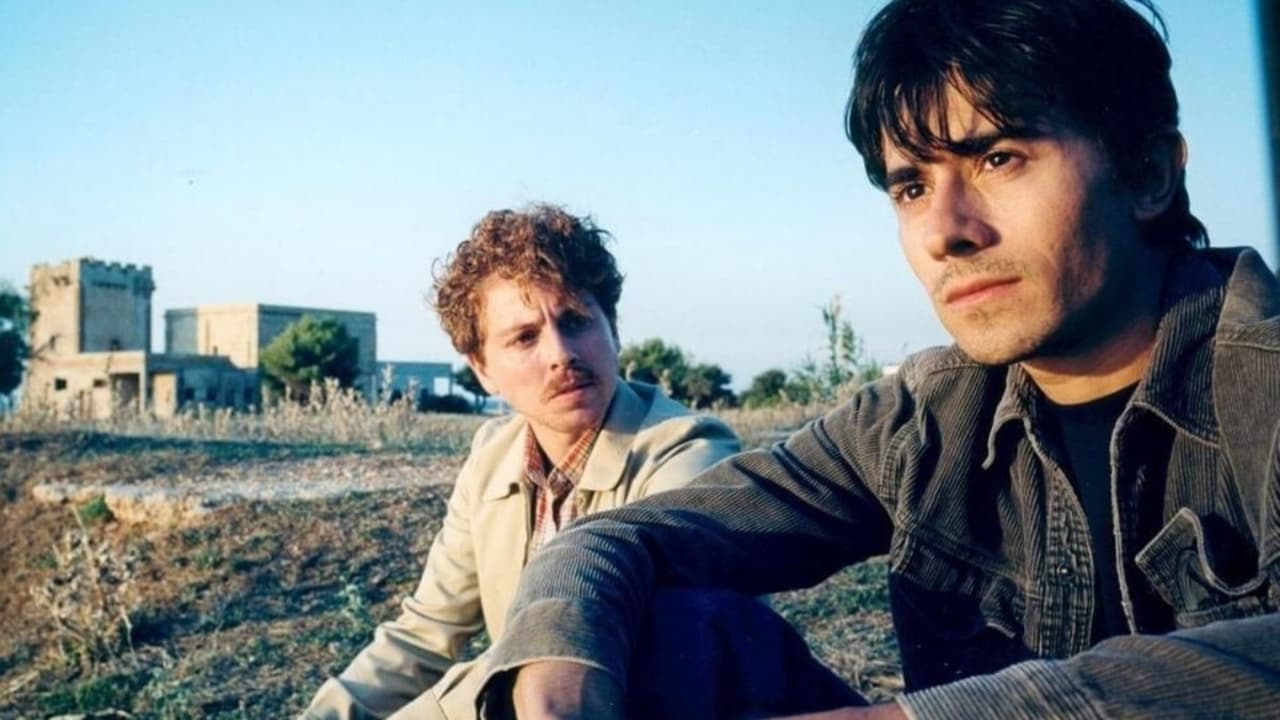
What truly haunts you about this film, perhaps days later, is the crushing weight of those titular steps. One hundred paces. That's the stark, almost unbelievable proximity between the family home of Peppino Impastato in Cinisi, Sicily, and the residence of Gaetano "Tano" Badalamenti, a powerful local Mafia boss. It's not just physical closeness; it's the suffocating nearness of corruption, silence, and deadly tradition. This isn't a stylized gangster epic; it's a raw, grounded immersion into a world where organized crime is woven into the very fabric of daily life, and defiance carries an almost unthinkable cost.
A Voice Against the Silence
The film chronicles the true story of Giuseppe "Peppino" Impastato, played with ferocious, unforgettable energy by Luigi Lo Cascio in his staggering feature film debut. We watch Peppino grow up within a family deeply connected to the Cosa Nostra; his own father is a member. Yet, witnessing the casual brutality and suffocating omertà (code of silence) around him ignites a spark of rebellion. This isn't a sudden superhero transformation; it's a gradual, believable political awakening fueled by outrage, idealism, and a fierce love for his community, even as he despises the poison running through it.
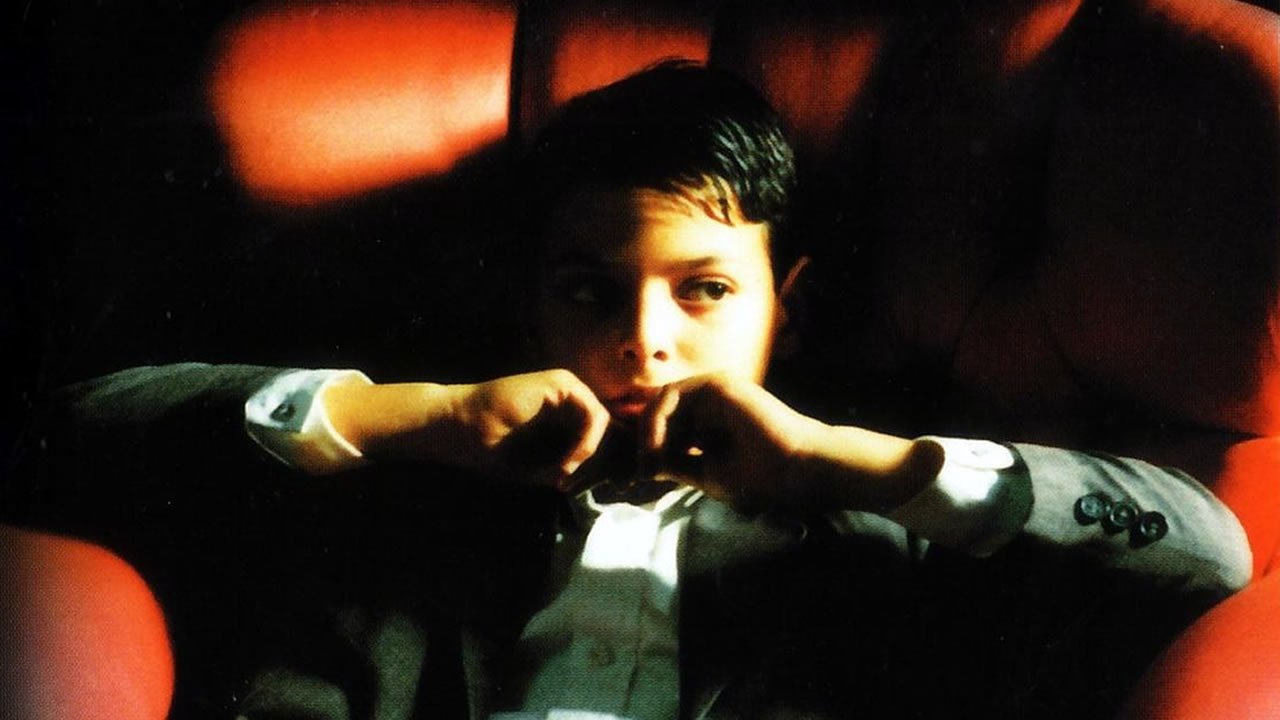
Lo Cascio embodies Peppino's journey with startling authenticity. He captures the restless energy, the sharp intellect, the defiant humor, and ultimately, the tragic weight of his chosen path. It’s a performance crackling with life, making Peppino feel not like a distant historical figure, but like someone vibrant, relatable, and achingly real. Watching him, you understand why he couldn’t stay silent, even when silence meant safety. Supporting players, like Luigi Maria Burruano as the chillingly pragmatic Tano Badalamenti and Lucia Sardo as Peppino's conflicted mother Felicia, provide the essential grounding, representing the complex web of loyalty, fear, and resignation Peppino rails against.
Radio Waves and Resistance
How does one fight an enemy deeply embedded in one's own family and town, an enemy who deals in violence and intimidation? Peppino finds his weapon in words, broadcast over the airwaves. He establishes Radio Aut, a fiercely independent, satirical pirate radio station. The scenes depicting the station's broadcasts are some of the film's most compelling. Using sharp wit, mimicry, and fearless reporting, Peppino and his friends openly mock the local Mafia bosses, exposing their corruption and challenging their authority in a way previously unthinkable. It’s a potent reminder of the power of grassroots activism and the courage it takes to speak truth to power, especially when that power resides just one hundred steps away.
This wasn't just cinematic invention. Peppino Impastato's Radio Aut was real, a thorn in the side of the Cinisi Mafia. Giordana, working from a script co-written with Claudio Fava (son of Giuseppe Fava, another journalist murdered by the Mafia – a poignant connection adding another layer of gravity) and Monica Zapelli, doesn't shy away from the danger. The humour of the broadcasts is constantly undercut by the palpable threat Peppino courts with every word.
More Than Just a Movie
One Hundred Steps transcends being merely a well-crafted biopic or political drama. Filming in Cinisi itself lends an undeniable authenticity, the landscape becoming almost a character in its own right. It’s a story about the complexities of family, the suffocating grip of tradition, and the devastating cost of idealism in the face of entrenched power. It forces us to ask uncomfortable questions: What does it truly mean to stand up for what's right? What price is too high?
The film's impact extended far beyond the cinema. Peppino Impastato was murdered in 1978, his death initially dismissed as a suicide or an accident involving explosives he was supposedly planting. One Hundred Steps, released over two decades later, played a significant role in reigniting public interest and putting pressure on the Italian justice system. Its critical acclaim, including a Best Screenplay award at the Venice Film Festival and an Academy Award nomination for Best Foreign Language Film, brought international attention to the case. Ultimately, Gaetano Badalamenti was convicted for Peppino's murder in 2002. It’s a rare, powerful example of cinema not just reflecting reality, but actively contributing to a belated sense of justice. I remember seeking this out on DVD after missing it on its limited theatrical run, having heard whispers of its power. It felt like discovering a hidden testament to courage on the shelf.
Rating: 9/10
This is a near-perfect film, anchored by Luigi Lo Cascio's phenomenal debut and Marco Tullio Giordana's sensitive, unflinching direction. Its power lies in its authenticity, its refusal to romanticize either the struggle or the enemy, and its profound respect for the bravery of its subject. The pacing is deliberate, allowing the tension and emotional weight to build organically. It earns its high rating through sheer dramatic force, historical significance, and a central performance that burns itself into your memory.
One Hundred Steps lingers because it’s not just about the Mafia; it’s about the courage required to break cycles of silence, wherever they exist. It leaves you contemplating those hundred paces – a short distance, perhaps, but representing an immense, terrifying gulf that Peppino Impastato dared to cross. A vital, unforgettable piece of cinema.