The silence after the credits roll is different with this one. It’s not the heavy, contemplative quiet left by a masterpiece, nor the buzzing adrenaline of a perfect action flick. It’s the slightly hollow echo of potential squandered, the ghost of a better film lingering in the recycled plot beats and the undeniable, yet weary, presence of its star. Fortress 2: Re-Entry (2000) arrives not with the brutalist efficiency of its predecessor, but with the resigned sigh of a direct-to-video sequel trying desperately to recapture lightning in a bottle... this time in orbit.

They said the original Fortress was inescapable. A subterranean hellhole run by the insidious Men-Tel corporation, where minds were wiped and bodies implanted with agonizing 'Intestinators'. John Brennick, played with gravelly determination by Christopher Lambert (Highlander, Mortal Kombat), broke out. But freedom, it seems, is fleeting. Fortress 2 posits an even more ludicrously secure prison, because, well, sequel. This time, Brennick finds himself nabbed years later and shipped off to – wait for it – a Fortress in space. Yes, the stakes are literally higher, floating in zero gravity, run by a new smarmy corporate stooge (a perfectly serviceable Patrick Malahide).
From Underground Grime to Orbital Shine (Sort Of)
The change in director is immediately apparent. Gone is the grimy, body-horror-adjacent touch of Stuart Gordon (Re-Animator, From Beyond), who helmed the surprisingly effective 1992 original. In his place is Geoff Murphy, a journeyman director with solid action credentials like Young Guns II (1990) and Under Siege 2: Dark Territory (1995). Murphy delivers competent action set pieces, squeezing tension from corridors and firefights, but the unique, oppressive atmosphere of the first film feels diluted. The shift to a space setting, ambitious for its likely modest DTV budget (filming took place primarily in Luxembourg and Germany, often a sign of budget-conscious production), results in visuals that feel simultaneously cleaner and less impactful. Remember the claustrophobic dread of the original's tunnels and cells? Here, the threat feels more abstract, the environment less tangibly menacing despite the void outside the windows.

Lambert Returns, But Does the Magic?
Christopher Lambert slips back into Brennick’s boots easily enough. The squint, the raspy voice, the air of a man perpetually wronged by futuristic corporations – it’s all there. Yet, there’s a sense of going through the motions. Brennick’s drive in the first film felt primal; here, it feels obligatory. He’s escaping again, facing treacherous fellow inmates again, battling intrusive surveillance tech again. The script, credited to a quartet of writers, essentially remixes the greatest hits of the first movie in a new location. It lacks the spark of invention that made the original Fortress stand out amongst its dystopian sci-fi brethren.
One welcome addition is the legendary Pam Grier (Foxy Brown, Jackie Brown) as fellow prisoner Susan Mendenhall. Fresh off her Tarantino-fueled career resurgence, Grier brings her inherent toughness and charisma to the role. However, she feels somewhat underutilized, another capable pawn in Brennick’s inevitable escape plan rather than a fully fleshed-out character driving the narrative in unexpected directions. Doesn't her presence alone promise more than the film ultimately delivers?

The Echoes of Escapism
What Fortress 2 does retain is a certain relentless B-movie energy. The pacing is brisk, the action frequent, and the villains adequately hissable. There are nods to the first film’s tech – upgraded security cameras, deadlier weaponry – but nothing quite matches the visceral unease of the original Intestinators. The effects are a mixed bag, typical of the late 90s/early 2000s transition period. Some of the space station exteriors look decent for the budget, while other CGI elements haven't aged quite as gracefully. It lacks the satisfying crunch of the practical effects that often defined the best genre films of the preceding decade.
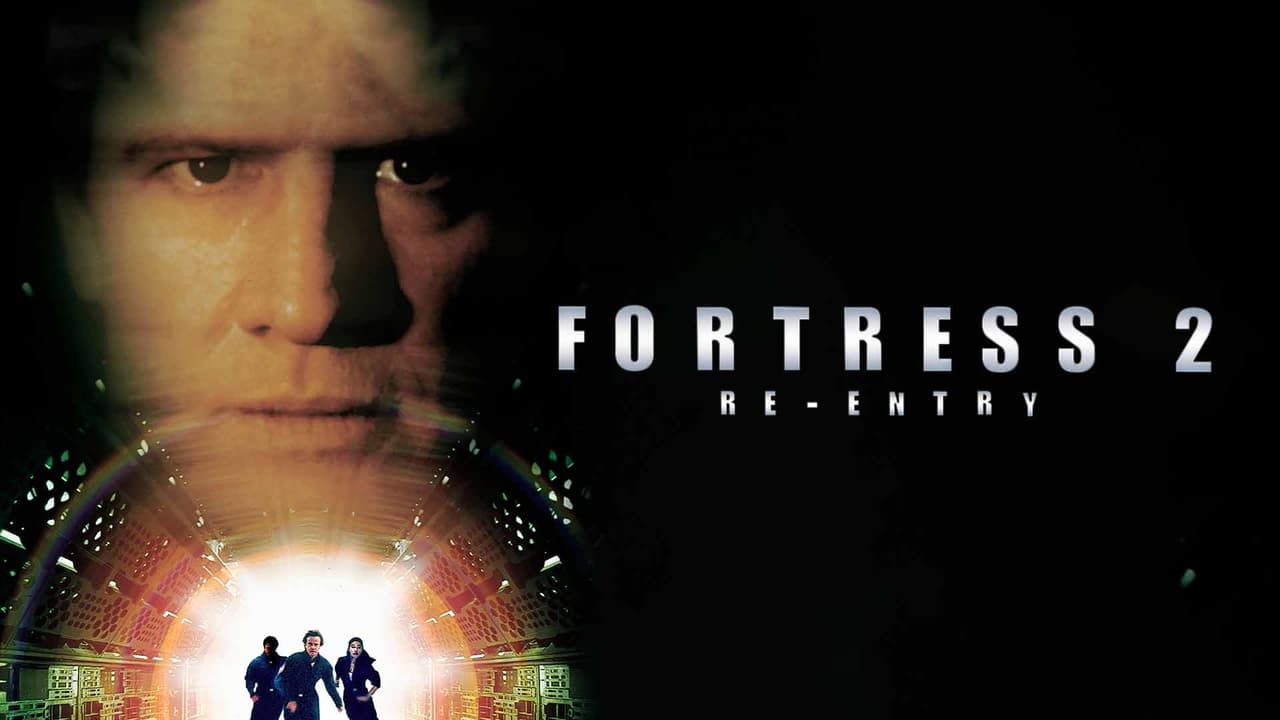
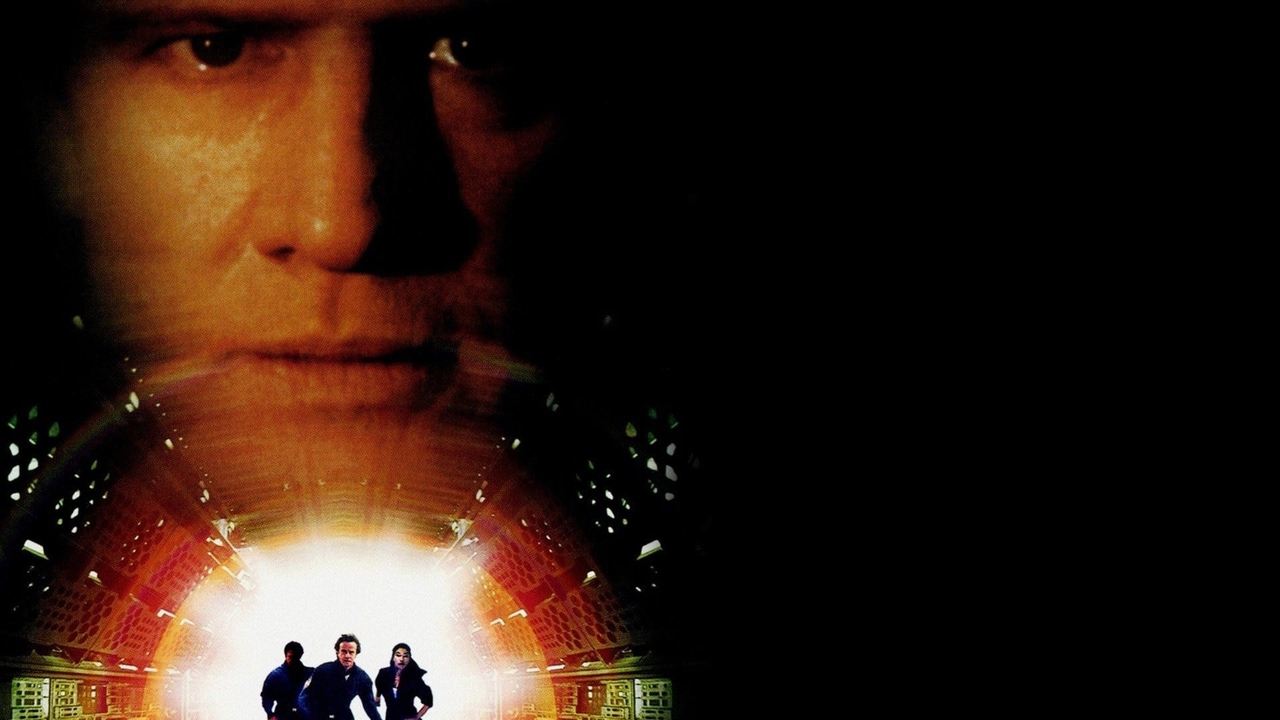
I remember seeing this on the shelf at the video store, nestled amongst other DTV hopefuls. The cover art, promising high-tech thrills and Lambert’s iconic glare, was enough to secure a rental. Did it live up to the original? Not quite. But as a late-night slice of sci-fi action, viewed through the forgiving haze of CRT static, it offered a familiar comfort. It’s the cinematic equivalent of a cover band playing the hits – competent, recognizable, but missing the soul of the original artist. It hits the expected notes: the daring plan, the double-crosses, the explosive climax. You know where it's going, but sometimes, the journey is still worth taking, even if you've travelled a similar path before.
Final Verdict
Fortress 2: Re-Entry is a quintessential example of a late-era DTV sequel. It leverages the name recognition and star power of its predecessor but pares back the originality and gritty atmosphere in favour of a more formulaic action structure. Christopher Lambert is watchable, Pam Grier is a welcome sight, and Geoff Murphy directs the action competently. However, the repetitive plot and less inspired production design keep it firmly in the shadow of the original. It’s not a disaster, just disappointingly familiar. For fans of Lambert or the first film, it’s a mild curiosity, a passable weekend rental from a bygone era.
Rating: 4/10 - This score reflects a film that functions adequately as a DTV actioner but fails to recapture the oppressive atmosphere or inventive spark of the original Fortress. While Lambert's return and Grier's presence add some value, the derivative plot and less memorable execution make it a largely forgettable sequel, competent but ultimately unnecessary.
It remains a testament to the video store era, where a familiar face and a high-concept premise could guarantee another trip to a world you’d visited before, even if the return journey felt a little less thrilling.