Okay, settle in. Sometimes a film doesn't just entertain or thrill; it reaches through the screen, grabs you by the collar, and demands you look. Not just watch, but truly see. That's the lasting echo of Marc Singer's 2000 documentary, Dark Days. While technically kicking off a new millennium, its grainy, monochrome soul feels utterly rooted in the raw, unfiltered aesthetic we often chased down the aisles of the video store in the late 90s – a potent reminder of lives lived just out of sight, captured with startling intimacy. Finding this one felt like uncovering a hidden track, something vital and urgent smuggled onto the end of a mixtape.
### Echoes in the Underground
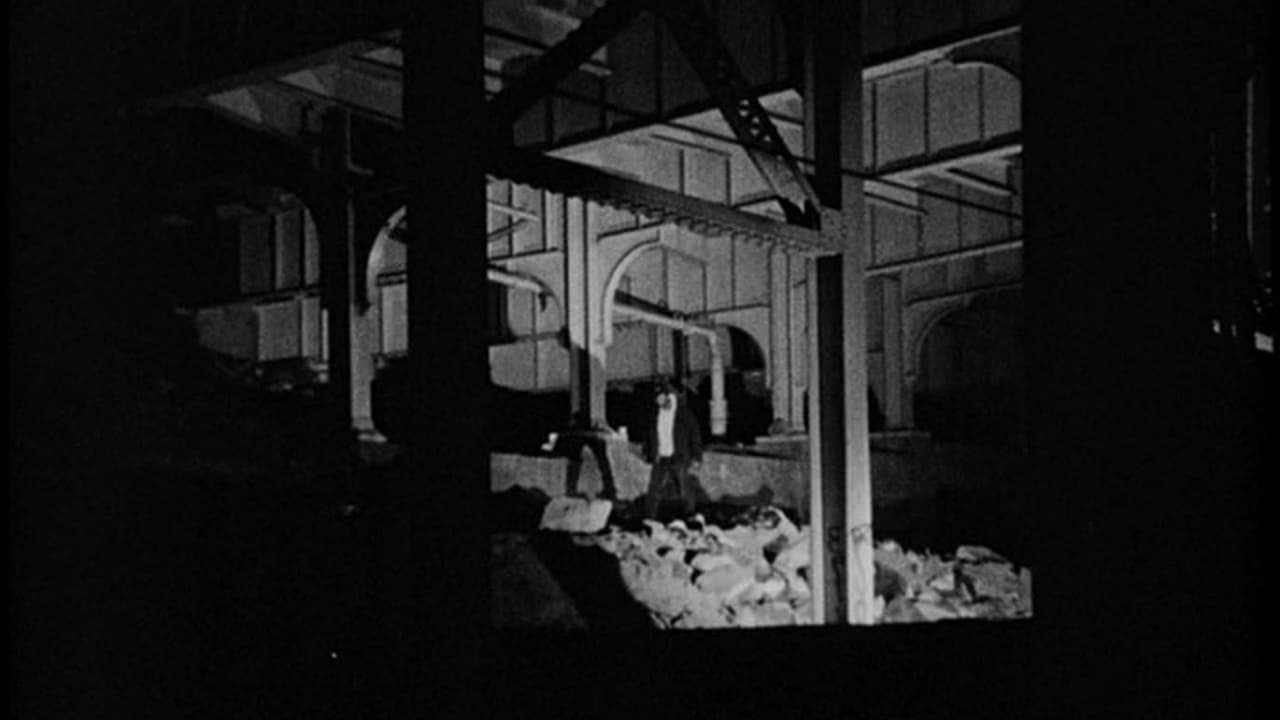
What stays with you, long after the credits (backed by DJ Shadow’s hauntingly perfect score) roll, isn't just the shocking imagery, but the profound sense of community Singer uncovers. Dark Days plunges us into the Amtrak Freedom Tunnel beneath Manhattan's Riverside Park, home to a resilient community of unhoused individuals who’ve constructed elaborate, makeshift dwellings amidst the subterranean darkness and the thunder of passing trains. It’s a world away from the city bustling just feet above, a stark visual metaphor for societal neglect. Singer doesn't just observe; he immerses himself, and us, in this challenging reality.
### Life Illuminated in Shadow
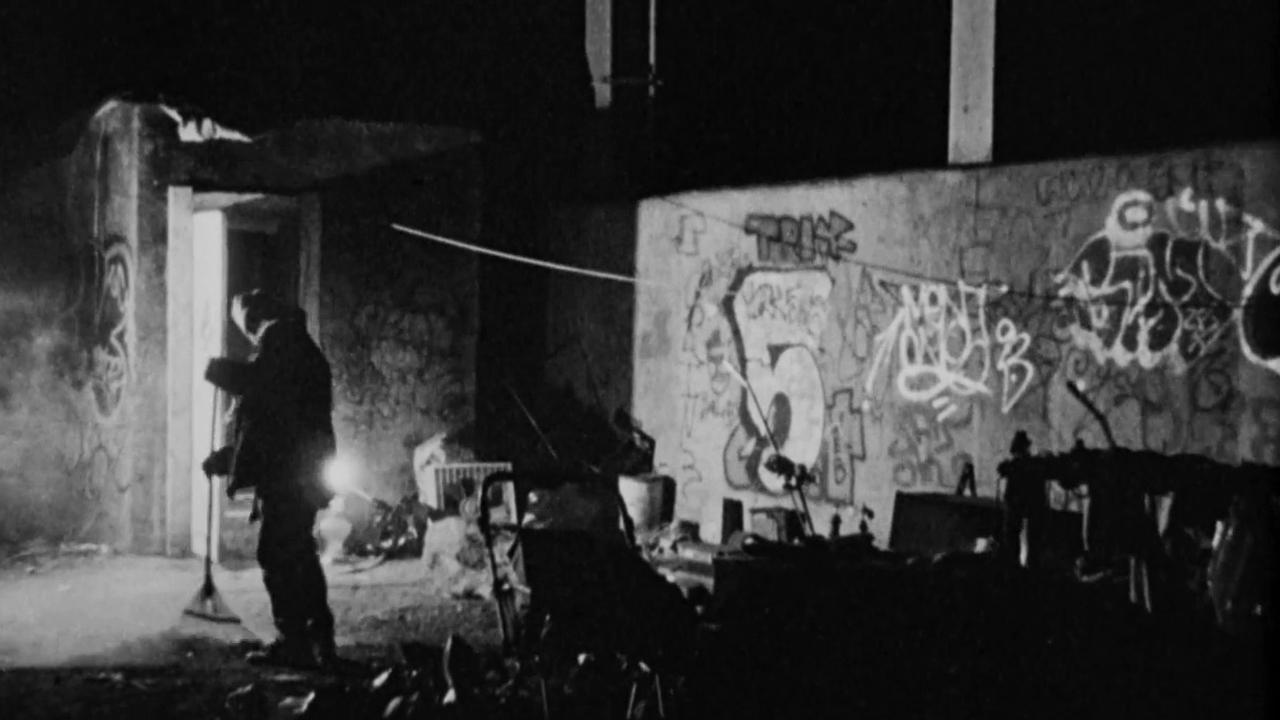
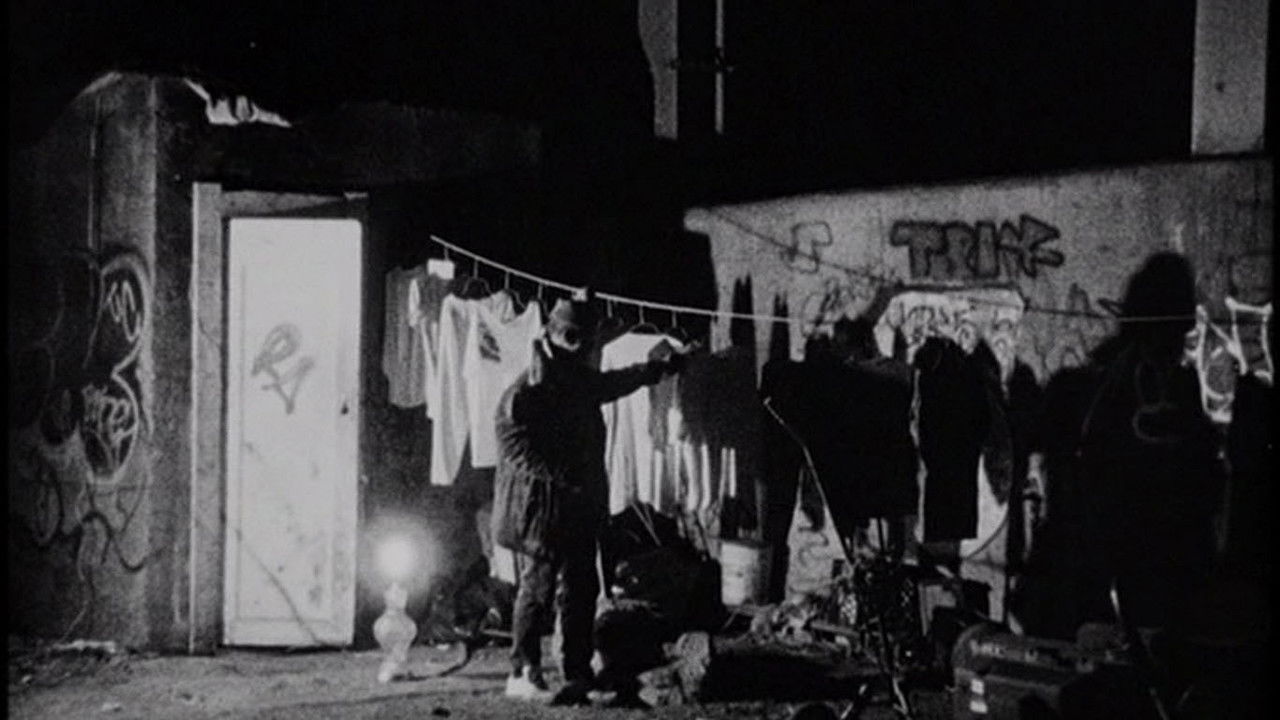
The choice to shoot in stark black and white 16mm wasn't merely an aesthetic flourish – though it certainly lends the film a timeless, almost spectral quality. It was a practical necessity born from the low-light conditions and budgetary constraints. Yet, this limitation becomes one of the film's greatest strengths. The chiaroscuro visuals – flickering fires casting long shadows, the glint of eyes in the near-darkness, the sudden blinding light of an approaching train – amplify the claustrophobia and the resilience of the inhabitants. There’s a raw poetry here, capturing the harshness without stripping the subjects of their dignity. We meet individuals like Ralph, Dee, Henry, Tommy, and Greg – not as statistics or stereotypes, but as people navigating extraordinary circumstances with ingenuity, humor, and a fierce desire for self-determination. Their openness is staggering. How did Singer achieve such trust?
### More Than a Film Crew
Here’s where Dark Days transcends typical documentary filmmaking and becomes something truly remarkable. Marc Singer, a Londoner with no prior film experience, didn't just parachute in with a camera. He lived in the tunnels alongside his subjects for over two years. Even more astonishingly, the residents themselves became the film crew. Singer taught them how to operate the camera, manage lighting (often just flashlights and clamp lights powered by siphoned electricity), and record sound. This wasn't just observation; it was collaboration. It’s an incredible testament to the trust built and the shared goal of telling their story authentically. You can feel that shared ownership in every frame; it bypasses voyeurism and achieves genuine empathy. Think about that: people battling daily survival took on the extra burden of learning filmmaking to ensure their voices were heard accurately. It’s profoundly moving.
The budget, or lack thereof initially, is another piece of the story. Singer reportedly maxed out credit cards to get the project started, using donated or found film stock. The involvement of DJ Shadow is another fascinating anecdote; apparently, he was so moved by a rough cut that he offered his evocative, trip-hop infused music for the soundtrack, essentially for free. It complements the visuals perfectly, adding layers of melancholy and unease without ever overwhelming the human stories.
### Beyond the Tunnel: A Legacy of Change
Dark Days is more than just a powerful piece of cinema; it had tangible real-world consequences. The film's visibility, particularly after winning three major awards at the 2000 Sundance Film Festival (the Audience Award for Documentary, Excellence in Cinematography Award, and the Freedom of Expression Award), put pressure on Amtrak and the city. Working with the Coalition for the Homeless, Singer and the film played a direct role in securing housing vouchers and relocating the tunnel's residents before Amtrak permanently sealed off the encampments. It’s a rare, inspiring instance where art directly catalyzed social action. Seeing those final scenes, knowing the film helped facilitate that transition, adds another layer of emotional weight.
The film’s influence didn’t stop there. Its raw, immersive style arguably paved the way for other documentaries that sought similar intimacy and immediacy with their subjects. It stands as a benchmark for ethical, participant-driven documentary filmmaking.
Rating: 9/10
This rating reflects the film's undeniable power, its innovative and deeply ethical production process, its stunning visual and auditory presentation, and its lasting social impact. It’s a challenging watch, certainly – the conditions depicted are harsh, the realities unflinching. But the humanity, resilience, and sense of community captured are extraordinary. Dark Days doesn't just show you a forgotten world; it makes you feel it, forcing a reckoning with the lives lived in the shadows. It reminds us that even in the darkest places, the human spirit finds ways to build homes, forge connections, and demand to be seen. A truly essential piece of filmmaking that resonates long after the VCR clicks off.