It begins, perhaps, with the voice of Dorian Corey, calmly explaining the art of the read, the necessity of shade. There’s a wisdom there, hard-earned on the streets and stages of Harlem, that immediately pulls you past the glitter and the spectacle. Renting Jennie Livingston's Paris Is Burning (1991) back in the day, maybe snagging the last copy from the documentary shelf at Blockbuster, felt like uncovering a secret world. It wasn't just a film; it felt like being granted entry into a vibrant, defiant, and often heartbreaking subculture that thrived under the shadows of mainstream society.
A Different Kind of Catwalk
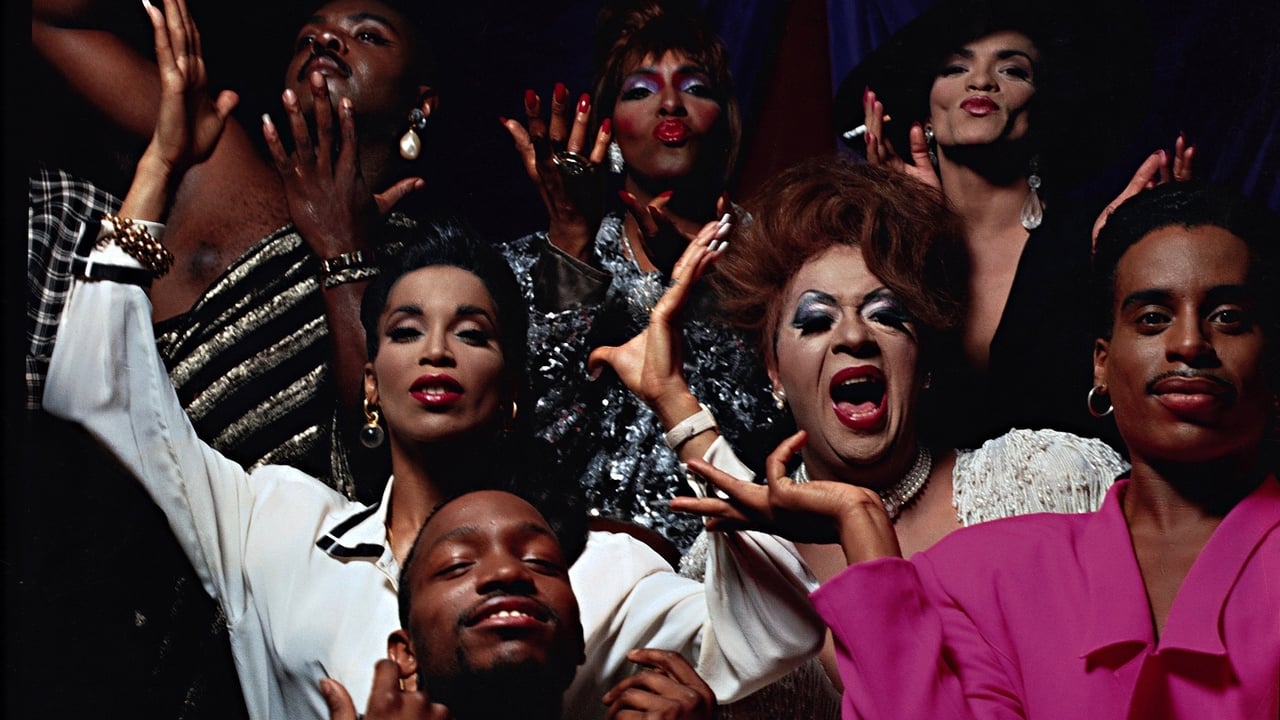
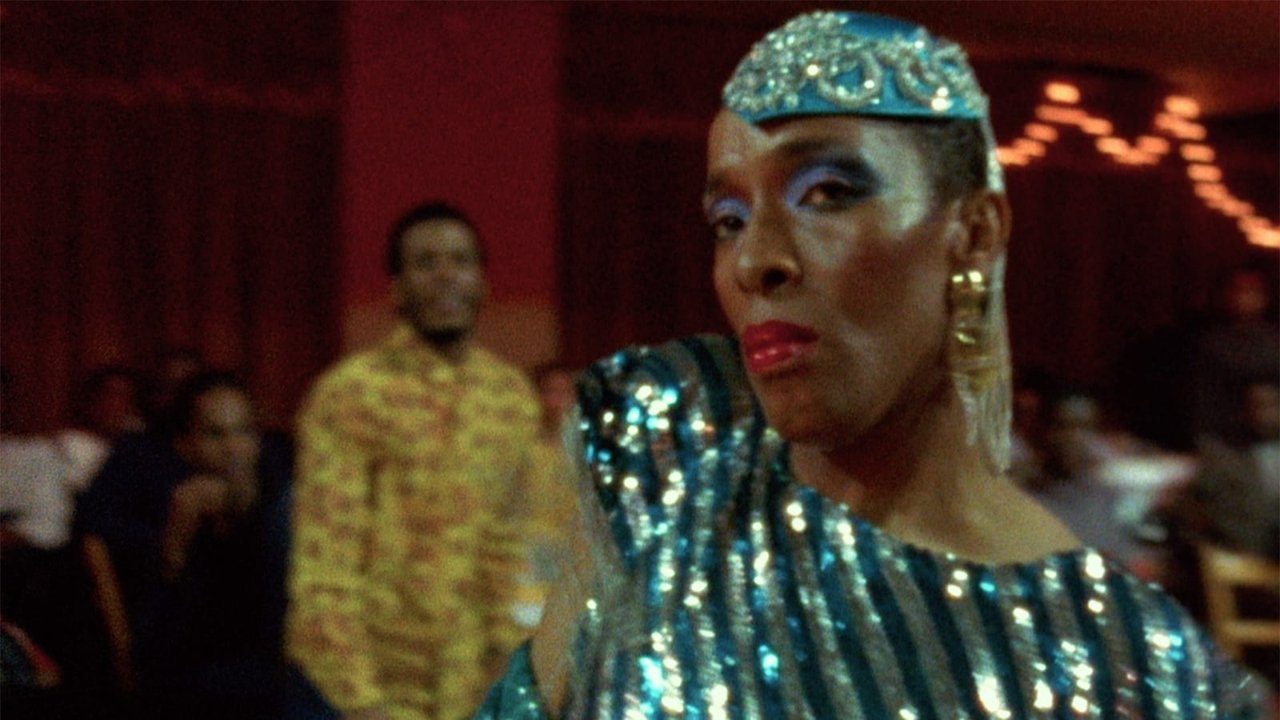
Shot over seven years in the mid-to-late 80s, Livingston, who began the project as an NYU film student, documents the intricate world of New York City's drag balls. This wasn't just about performance; it was about survival, community, and the desperate, dazzling pursuit of "realness." The balls were elaborate pageants where Black and Latino gay men, trans women, and drag queens competed in various categories – Military, Executive Realness, Schoolgirl/Schoolboy, High Fashion Model – embodying archetypes of a society from which they were largely excluded. These weren't just costumes; they were aspirations made flesh, brief moments of living a dream under the hot lights. The film introduces us to the legendary "houses" – House of LaBeija, House of Xtravaganza, House of Ninja – which served as surrogate families, providing support, guidance, and belonging under the leadership of house "mothers" and "fathers" like the regal Pepper LaBeija or the sharp Angie Xtravaganza.
Voices That Linger
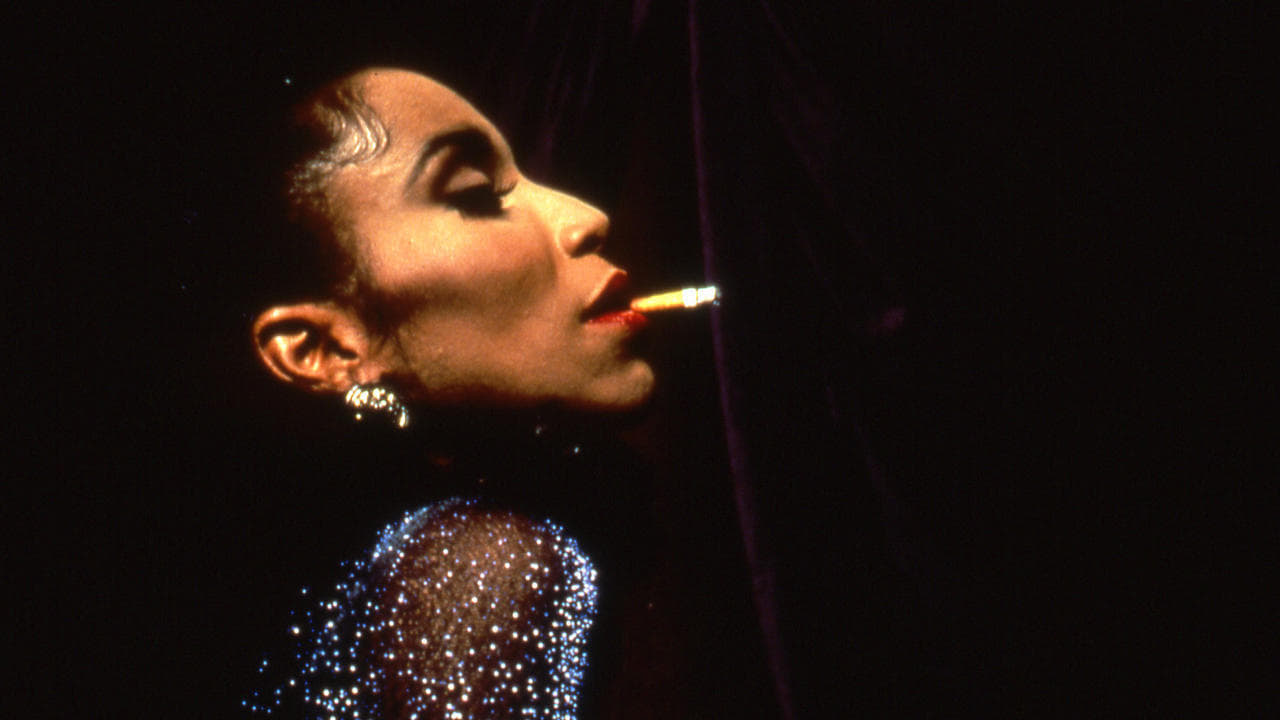
What elevates Paris Is Burning beyond mere documentation are the voices. The extended interviews allow the subjects to articulate their philosophies, their dreams, and their pain with astonishing candor. Dorian Corey, a veteran queen, offers wry, profound commentary on life, identity, and the nuances of shade ("If you’re not hitting the nail on the head, the other person’s not going to know you’re reading them"). The legendary Willi Ninja, founder of the House of Ninja, explains voguing not just as dance, but as an art form derived from hieroglyphics and high fashion poses – a language of the body. And then there's the younger generation, like the hopeful, heartbreaking Venus Xtravaganza, who dreams of a simple life as a "spoiled, rich white girl," a poignant symbol of the yearning for acceptance and security that feels perpetually out of reach. Their vulnerability is palpable, their resilience astonishing. These aren't performances for the camera; they feel like confessions, shared histories whispered across Formica tables in cramped apartments.
Behind the Glitter: A Labour of Love and Controversy
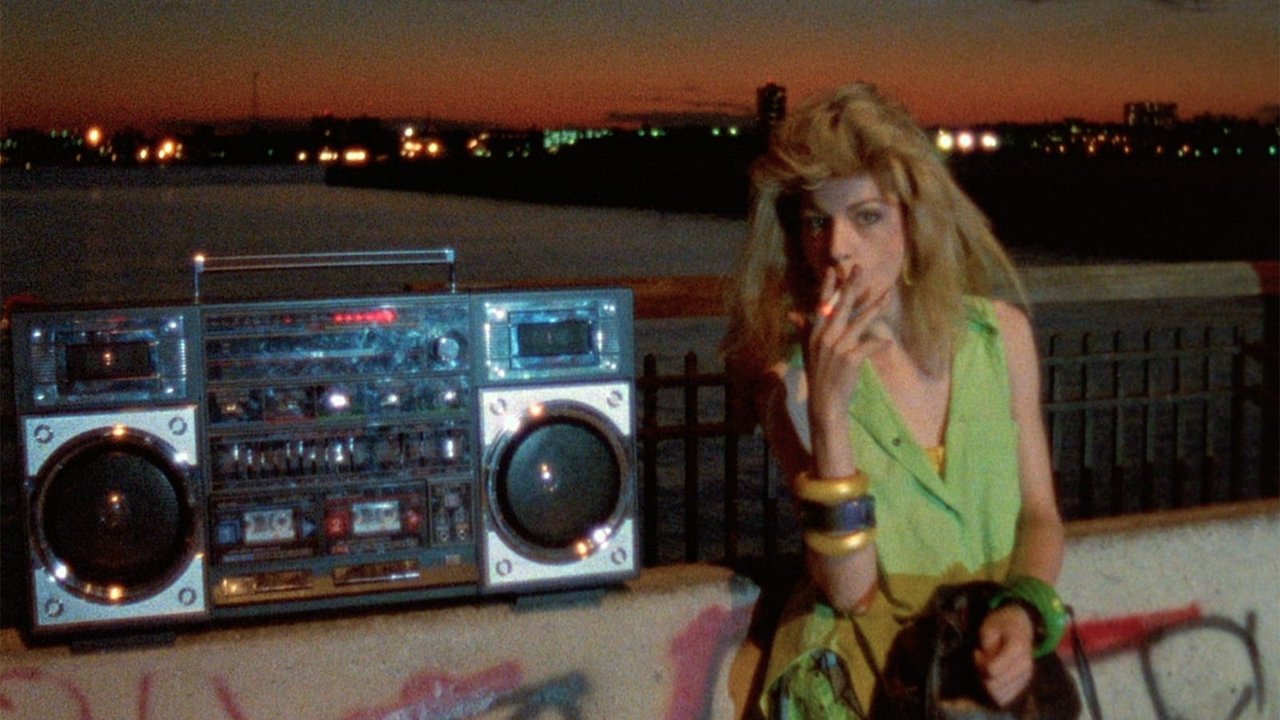
Getting this window into their world wasn't easy. Livingston navigated the complexities of gaining trust within a marginalized community, often wary of outsiders. Funding the film was a Herculean task, pieced together over its long production from various grants and loans, eventually costing around $500,000 – a shoestring even then. You can feel the intimacy born from that long gestation period in the interviews. The film captures lightning in a bottle – the raw energy of the balls, the precise language ("reading," "shade," "voguing," "realness" itself) that the film helped introduce to a wider lexicon, the specific textures of late-80s New York. It’s a time capsule, filmed primarily on 16mm, giving it a grainy immediacy that felt right at home on our buzzing CRT TVs back then.

However, the film's success (including the Grand Jury Prize for Documentary at the 1991 Sundance Film Festival) also brought controversy. Several participants felt they hadn't been fairly compensated for their contribution to a film that gained significant acclaim and cultural cachet. Lawsuits followed, though they were largely unsuccessful. This debate about representation, compensation, and the ethics of documenting marginalized lives remains tethered to the film's legacy, adding a layer of complexity to its viewing experience. It forces us to ask: Who gets to tell whose story, and what responsibilities come with that?
The Enduring Echo
Watching Paris Is Burning today, its power hasn't diminished. If anything, its themes feel tragically resonant. The struggles for identity, the fight against poverty and prejudice (racism, homophobia, transphobia), the creation of chosen families, the yearning for visibility and acceptance – these are battles still being fought. The film became a seminal text in LGBTQ+ cinema and cultural studies, its influence visible in everything from Madonna's "Vogue" (though voguing existed long before her hit) to contemporary shows like Pose (which directly involves figures from the ballroom scene). It was added to the prestigious National Film Registry by the Library of Congress in 2016, cementing its status as a culturally, historically, and aesthetically significant work.
For many of us who first encountered it on a worn-out VHS tape, Paris Is Burning was more than entertainment. It was an education, an empathy engine. It challenged perceptions and opened a dialogue, showcasing resilience and creativity flourishing in the face of immense adversity.
Rating: 9/10
This rating reflects the film's undeniable power, its historical significance as a landmark documentary, and the unforgettable humanity of its subjects. It captures a specific time and place with raw honesty and vibrant energy. The points deducted acknowledge the valid ethical questions surrounding its production and aftermath, which are an inseparable part of its complex legacy.
Paris Is Burning remains essential viewing, a poignant, powerful reminder of the human need to be seen, to belong, and to leave one's mark, even if only for a fleeting moment on a makeshift runway. What endures most is the fierce assertion of self, the creation of beauty and family against staggering odds – a testament that still catches the breath.