Okay, settle in, fellow tape travelers. Let's rewind to a slightly different spot on the timeline today – right around the turn of the millennium, when DVDs were nudging their way onto shelves, but the spirit of discovering something truly different in the video store still lingered. I remember stumbling upon a copy of Komm, süßer Tod (or Come, Sweet Death as it was often known internationally) from 2000. It wasn't your typical Hollywood fare, radiating a distinctly European, specifically Austrian, blend of world-weariness and pitch-black humor that felt both jarring and strangely compelling. What stays with you isn't necessarily a high-octane thrill ride, but the pervasive sense of exhaustion emanating from its central figure, a feeling that somehow mirrored the end of an era itself.
### Rescuing the Dead, Ignoring the Living
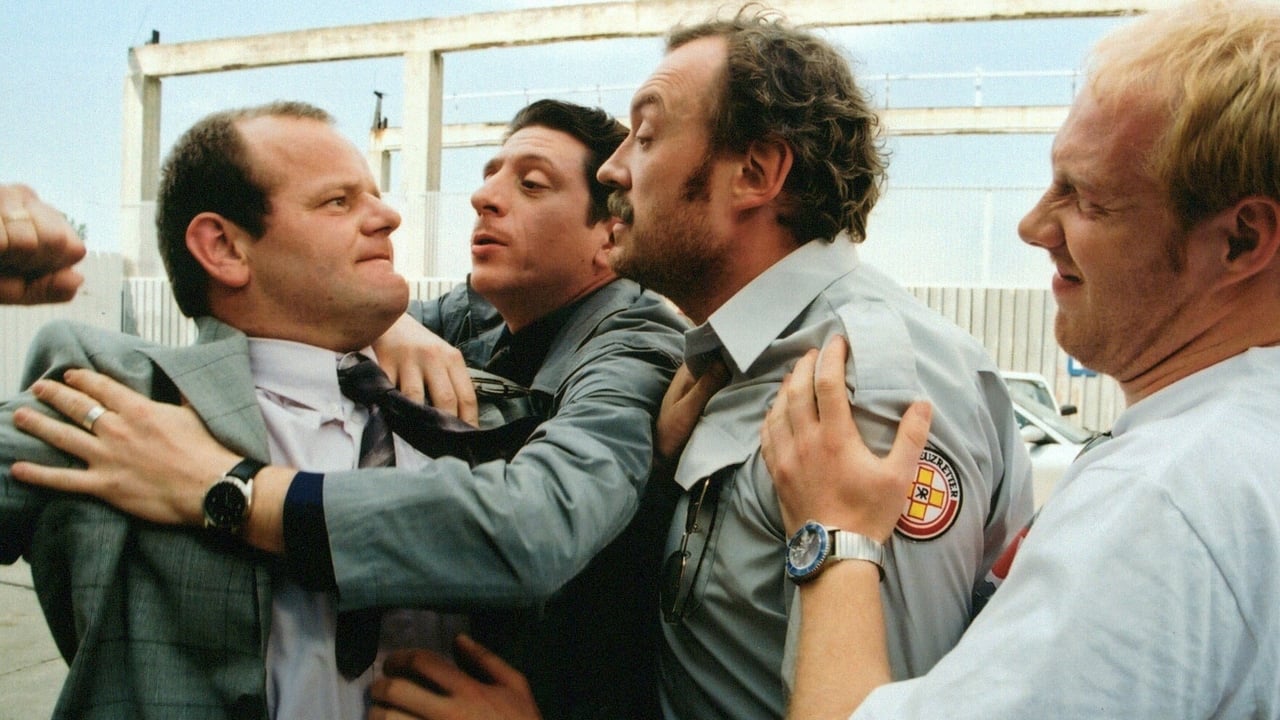
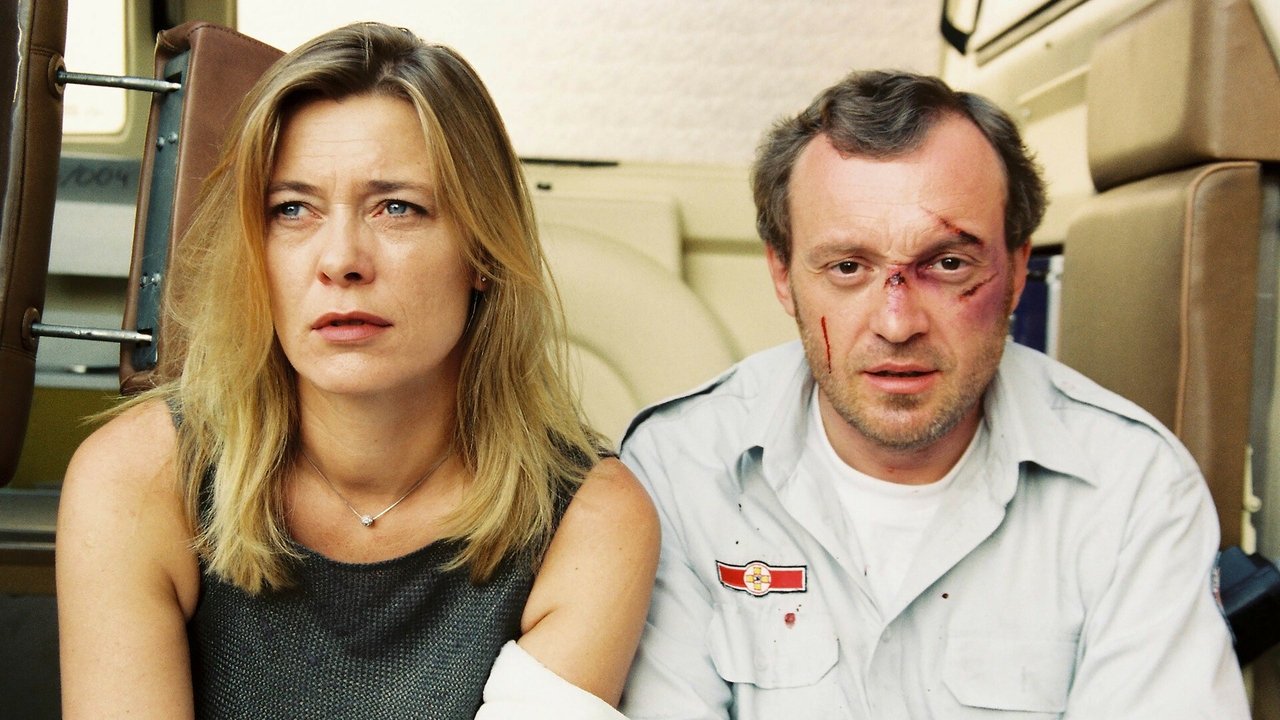
At the heart of Come, Sweet Death is Simon Brenner, played with masterful lethargy and cynical insight by Josef Hader. Hader, who also co-wrote the screenplay based on Wolf Haas's popular novel, is Brenner – a former police detective now scraping by as an ambulance driver for a private company called "The Crusaders." It’s a job fraught with petty rivalries, bureaucratic absurdity, and the constant, grim reality of human suffering. This isn't the heroic paramedic dashing to save lives we often see; it's about navigating traffic, dealing with drunks, and competing fiercely with a rival service, "The Corps," for calls, often arriving just in time to confirm the inevitable. Doesn't that mundanity somehow make the darkness that follows feel even starker?
The film, directed by Wolfgang Murnberger (who would helm several Brenner adaptations), excels in establishing this atmosphere. Vienna isn't presented as a city of imperial grandeur, but as a place of tired streets, dingy apartments, and the sterile environments of hospitals and ambulance depots. The plot kicks into gear when Brenner, through his sheer proximity to misfortune, stumbles upon suspicious deaths – first an elderly patient, then his own estranged girlfriend. He’s drawn back into the investigative mindset he tried to leave behind, navigating a conspiracy that feels less like a grand scheme and more like a series of desperate, grubby acts.
### The Weight of Weariness
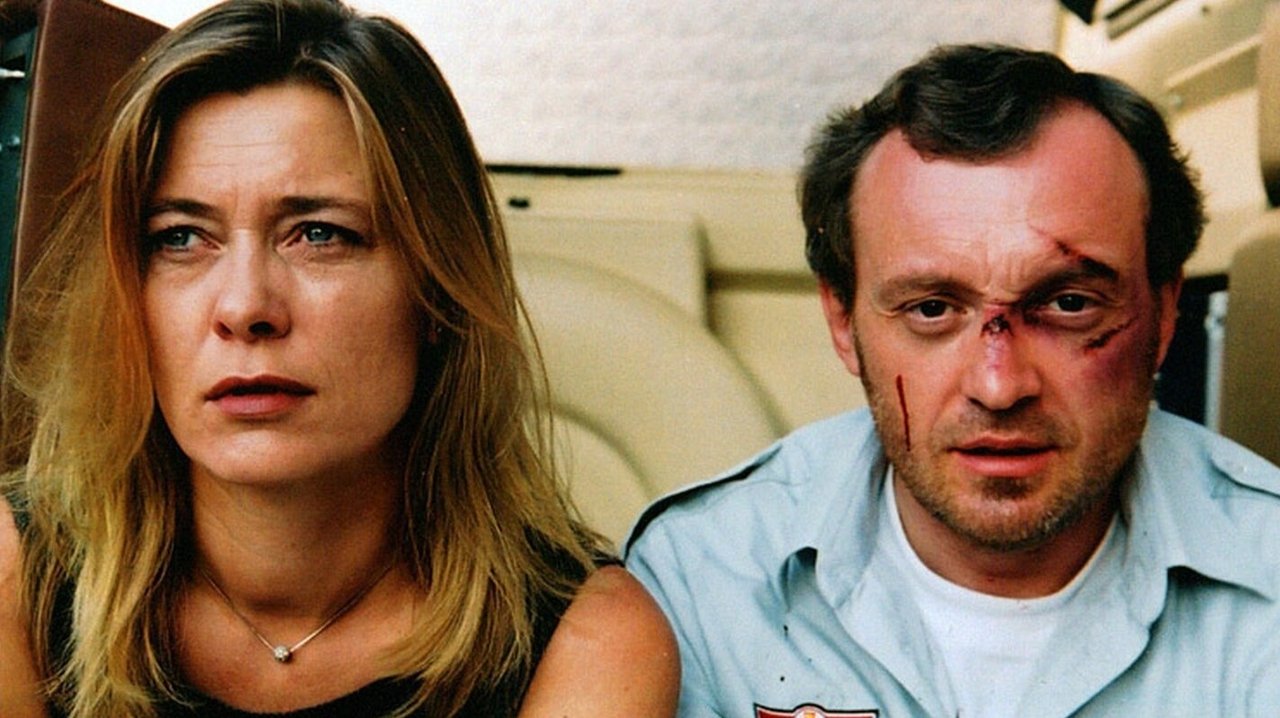
What elevates Come, Sweet Death beyond a standard Euro-thriller is Josef Hader's performance. His Brenner is a man running on fumes, his wit as dry as Saharan dust. He observes the absurdity around him with a detached amusement that barely masks a deep-seated disillusionment. There's no heroic posturing, no sudden bursts of action-hero competence. His investigation proceeds in fits and starts, often propelled by chance encounters or reluctant conversations. He’s constantly tired, often hungover, and his primary motivation seems less about justice and more about a stubborn curiosity he can’t quite shake. It's a performance built on nuance – a slumped shoulder, a weary sigh, a perfectly timed deadpan retort. It feels incredibly real, capturing a certain kind of burnout that resonates far beyond the specific context of the film. Remember those characters who felt less like movie inventions and more like people you might actually know, carrying the weight of their choices and circumstances? Brenner is one of those.
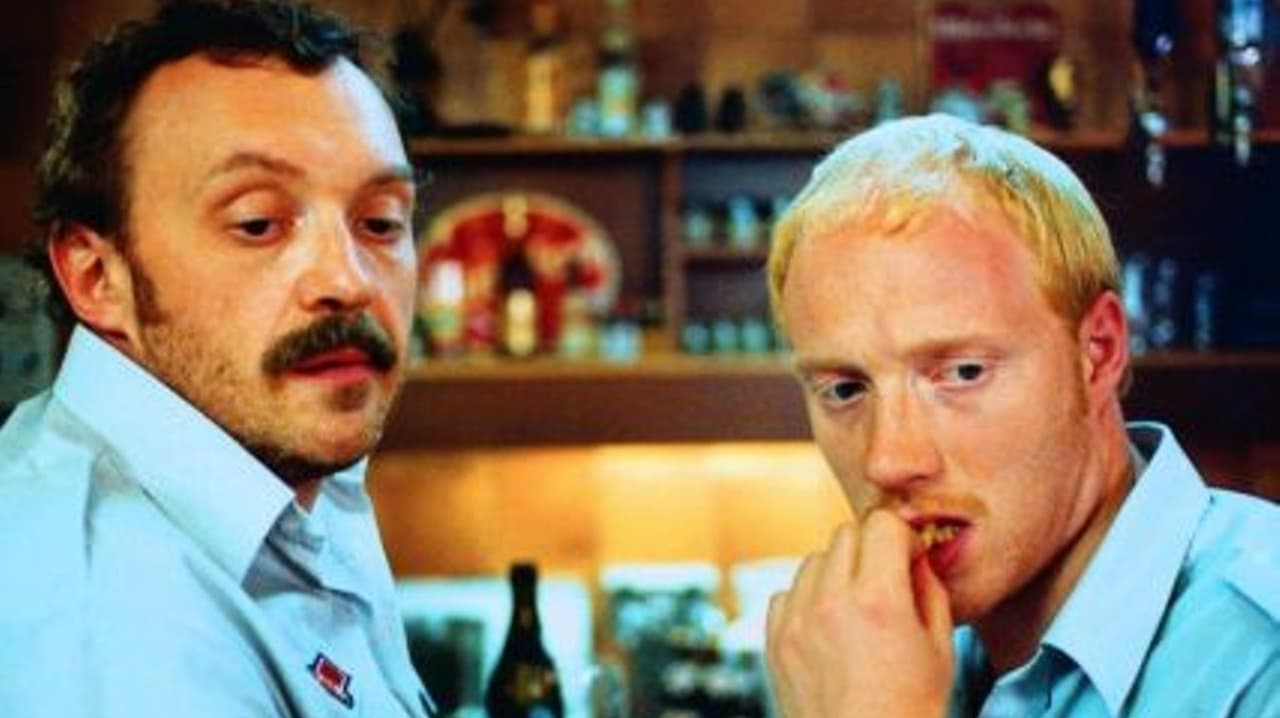
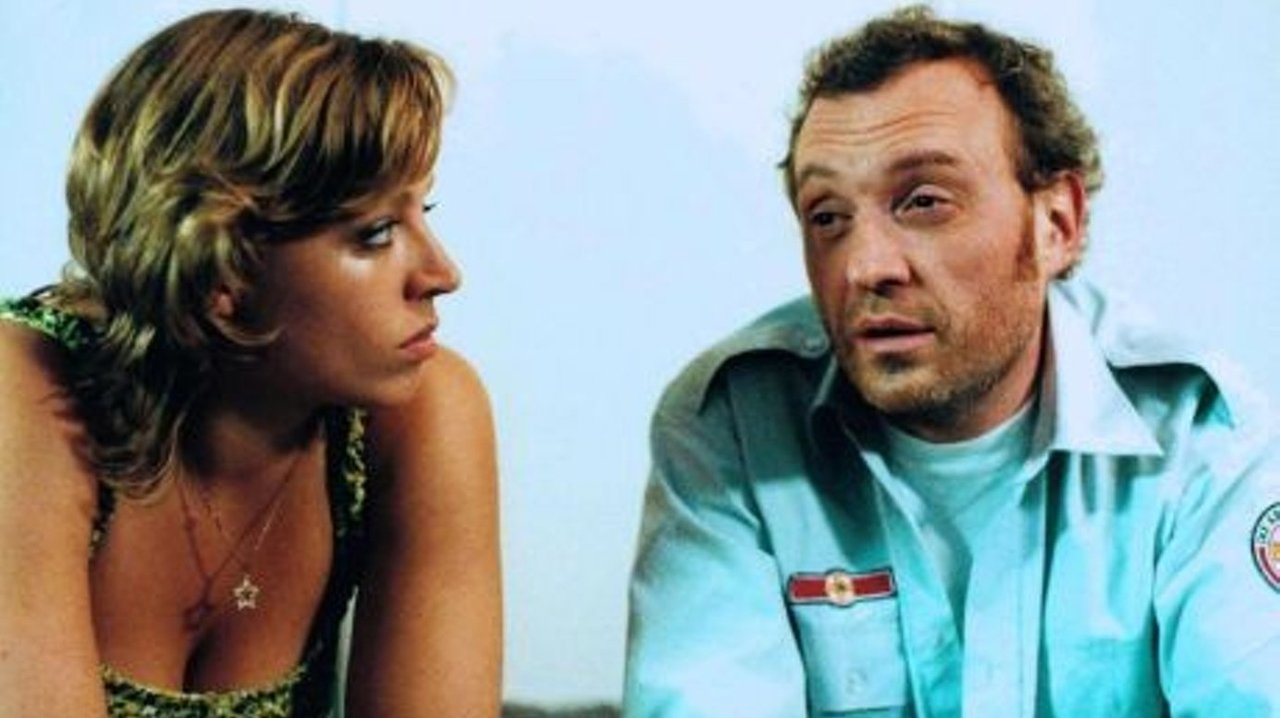
Alongside Hader, Simon Schwarz as Berti, Brenner's perpetually stressed and slightly dimwitted partner, provides a necessary counterpoint. Their interactions, oscillating between genuine camaraderie and exasperated tolerance, ground the film and provide much of its dark humor. Barbara Rudnik, as the enigmatic nurse Klara, adds another layer of intrigue, her relationship with Brenner feeling as complicated and unresolved as everything else in his life.
### From Page to Screen (and Tape)
It's worth noting that Come, Sweet Death is the first cinematic adaptation of Wolf Haas's highly successful series of Brenner novels. These books are celebrated in the German-speaking world for their unique narrative voice and bleak humor, qualities the film captures remarkably well. While perhaps not a VHS staple in North American blockbuster stores, it certainly found its audience on tape and DVD in Europe and among world cinema enthusiasts. It reportedly cost around 30 million Austrian Schillings (roughly €2.2 million then, maybe €3.5 million or $3.8 million today) and became a significant box office success in Austria, proving there was an appetite for this kind of homegrown, cynical crime story. Did its success surprise anyone, given the dark subject matter? Perhaps, but it tapped into a particular vein of Austrian cultural identity, finding humor in the morbid and the mundane.
The film doesn't rely on flashy effects or elaborate set pieces. Its strength lies in its script, its performances, and its pervasive mood. The "action," when it comes, feels clumsy and desperate, fitting the overall tone. It’s a reminder that sometimes the most compelling stories aren't about superheroes, but about flawed individuals navigating grim realities. The production feels authentic, capturing the less glamorous side of emergency services – a world away from the slick portrayals often seen elsewhere.
### Lingering Questions in the Static
Come, Sweet Death isn't a feel-good movie. It leaves you with a certain unease, a sense of the absurdity and fragility of life viewed through Brenner’s exhausted eyes. It’s a character study wrapped in a crime plot, more concerned with exploring a state of being than delivering neat resolutions. For those seeking straightforward thrills, it might feel slow or meandering. But for viewers who appreciate sharp dialogue, atmospheric storytelling, and a protagonist who feels achingly human in his cynicism, it's a deeply rewarding, if melancholic, watch. It’s one of those films that might have sat quietly on the shelf, easily overlooked, but offered a potent dose of something different – a reminder of the unique voices and perspectives waiting to be discovered just beyond the mainstream glow.
Rating: 8/10 - This score reflects the film's exceptional success in capturing the specific tone and dark humor of its source material, anchored by a truly defining performance from Josef Hader. Its strength lies in its atmospheric realism, sharp writing, and unapologetically cynical worldview. It loses a couple of points perhaps for pacing that might test some viewers and a plot that occasionally feels secondary to the character study, but as a piece of Austrian noir, it's remarkably effective and distinctive.
It makes you wonder, doesn't it? How many other weary heroes are out there, just trying to get through the shift, stumbling into darkness not out of bravery, but sheer, unavoidable proximity?