Okay, settle in. Let's dim the lights, maybe imagine the satisfying clunk of a VHS tape sliding into the machine. Tonight, we're revisiting a corner of the 90s catalogue that perhaps doesn't get pulled off the shelf as often as the action blockbusters or teen comedies, but holds a power entirely its own: Oliver Parker's 1995 adaptation of Othello. There’s a certain weight that comes with tackling Shakespeare, isn't there? A sense of navigating hallowed ground. Parker's film met that challenge head-on, offering an accessible, yet intensely focused version of the tragedy that still resonates.
Distilling the Poison
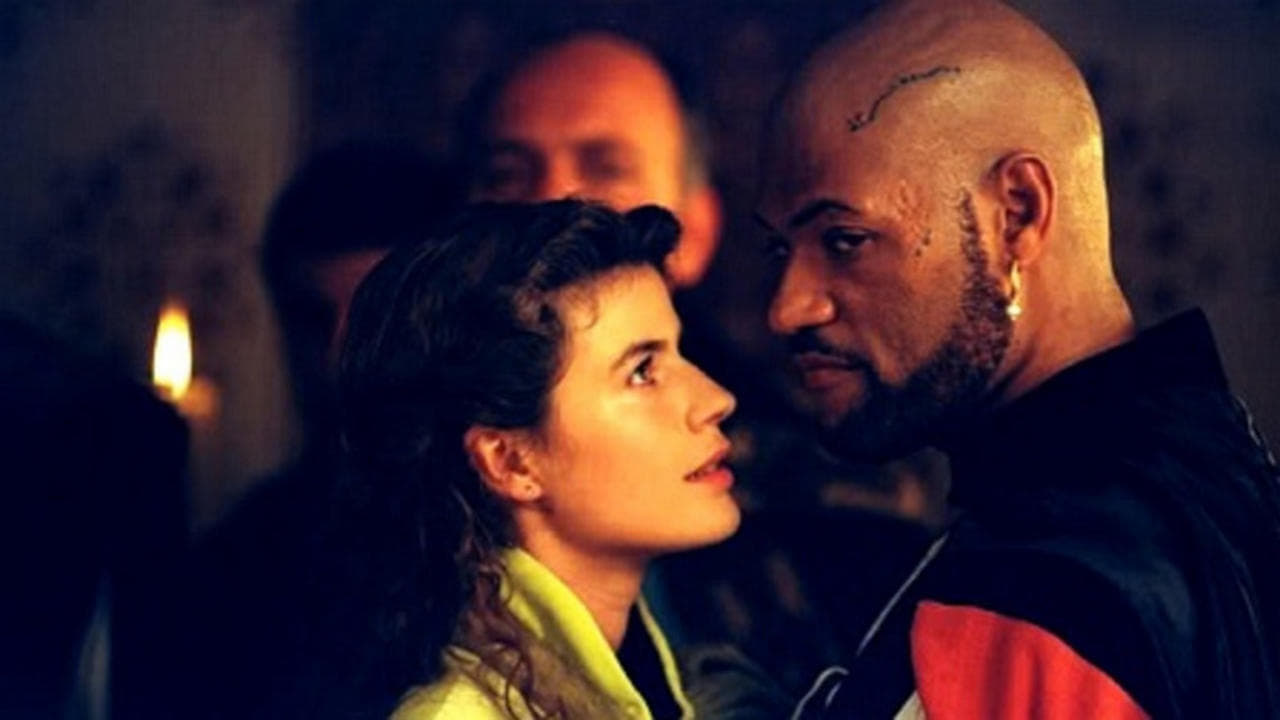
Adapting the Bard for the screen is always a balancing act, especially for a 90s audience perhaps more accustomed to quick cuts and contemporary dialogue. Parker, who also penned the screenplay, made the bold choice to significantly trim Shakespeare's text. While purists might balk, this decision serves the cinematic experience surprisingly well. It concentrates the narrative, honing in on the lethal triangle of Othello, Desdemona, and Iago, making the inexorable descent into jealousy and violence feel immediate and deeply claustrophobic. There’s less room for poetic meandering, perhaps, but the emotional core – the raw, destructive power of suspicion – hits with bruising force. This wasn't trying to be the definitive stage Othello on film; it was aiming for something leaner, more visceral, tailored for the intimacy of the camera.
A Triumvirate of Tragedy
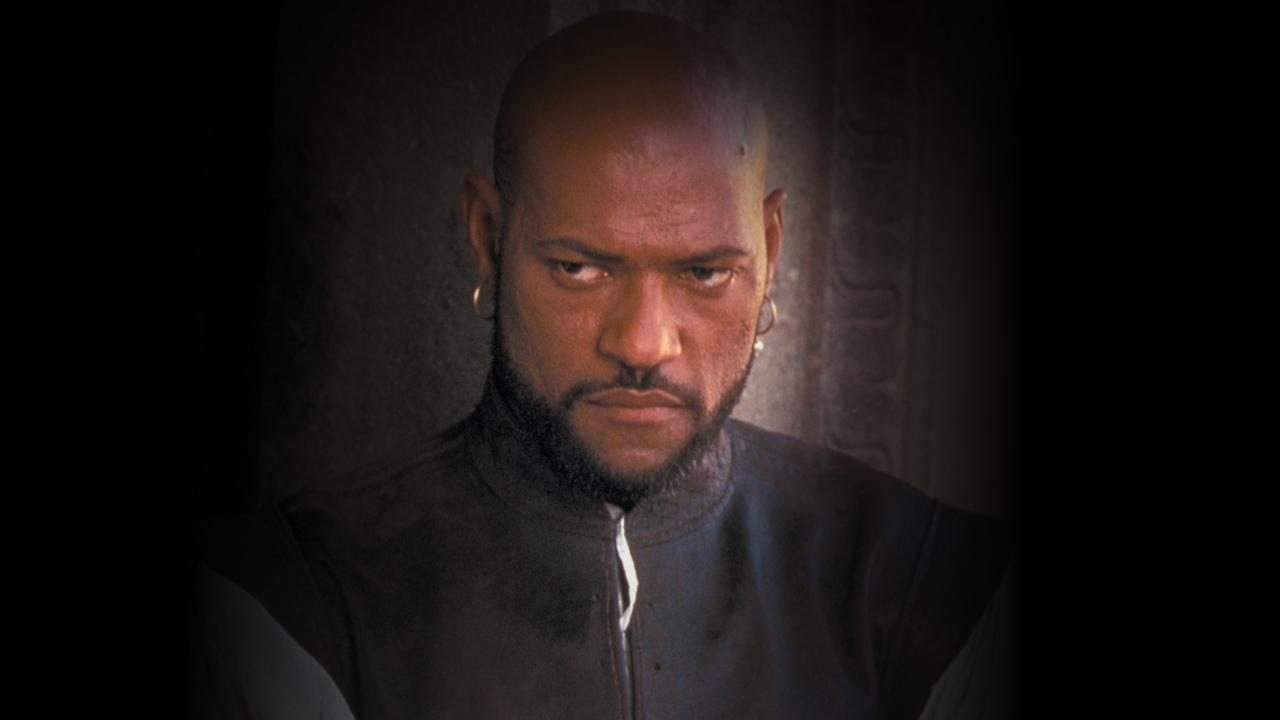
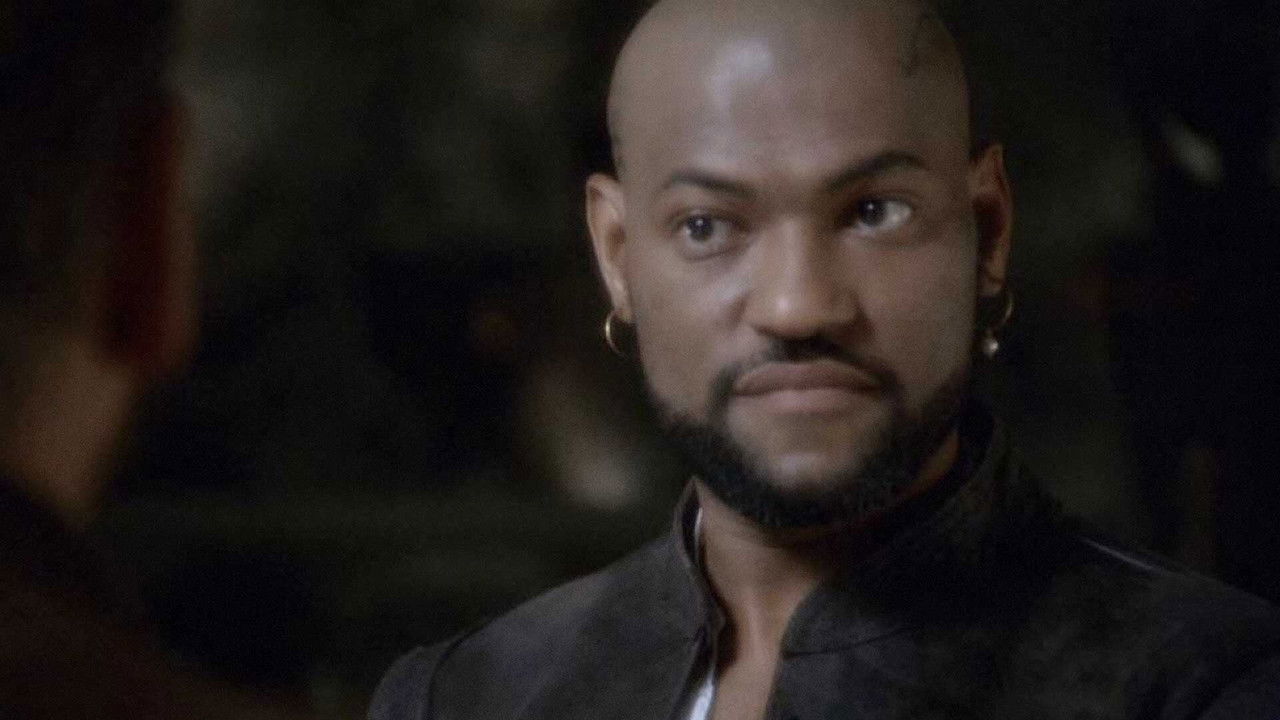
The film rests squarely on the shoulders of its three leads, and thankfully, they carry the weight magnificently. Laurence Fishburne, stepping into the title role, brought a commanding physical presence combined with a profound vulnerability. His Othello is noble, accomplished, a respected general, yet you see the cracks appear, the insidious whispers of Iago eroding his certainty, his love, his very sanity. Fishburne portrays this disintegration not with theatrical raving, but with a simmering internal torment that’s often heartbreaking to watch. It's worth remembering the significance of this casting; Fishburne became the first African American actor to play Othello in a major studio film release, a landmark moment that added another layer of resonance to the themes of prejudice and otherness inherent in the text. He embodies the tragic hero brought low by forces both internal and external.
Opposite him, Kenneth Branagh delivers an Iago for the ages. Having already established himself as a leading interpreter of Shakespeare on film with efforts like Henry V (1989) and Much Ado About Nothing (1993), taking on the villain here felt like a masterstroke. Branagh resists the urge to play Iago as a cackling fiend. Instead, his Machiavellian manipulator is chillingly charming, almost reasonable. He confides in the audience through direct address, pulling us into his poisonous plotting with a conspiratorial wink. It’s a performance of calculated understatement, making Iago’s seemingly motiveless malignity all the more terrifying. You understand precisely how he fools everyone; the mask of the loyal soldier is so utterly convincing. Watching Fishburne and Branagh circle each other, one descending into madness, the other calmly orchestrating it, is the dark heart of the film.
And caught between them is Irène Jacob as Desdemona. Known for her luminous work with Kieslowski in films like The Double Life of Véronique (1991), Jacob brings an essential innocence and quiet strength to the role. She’s not merely a passive victim; there’s a genuine warmth and intelligence there, which makes her confusion and ultimate fate all the more devastating. Her chemistry with Fishburne in the early scenes effectively sells the deep love that Iago so ruthlessly destroys.
Visuals and Vipers
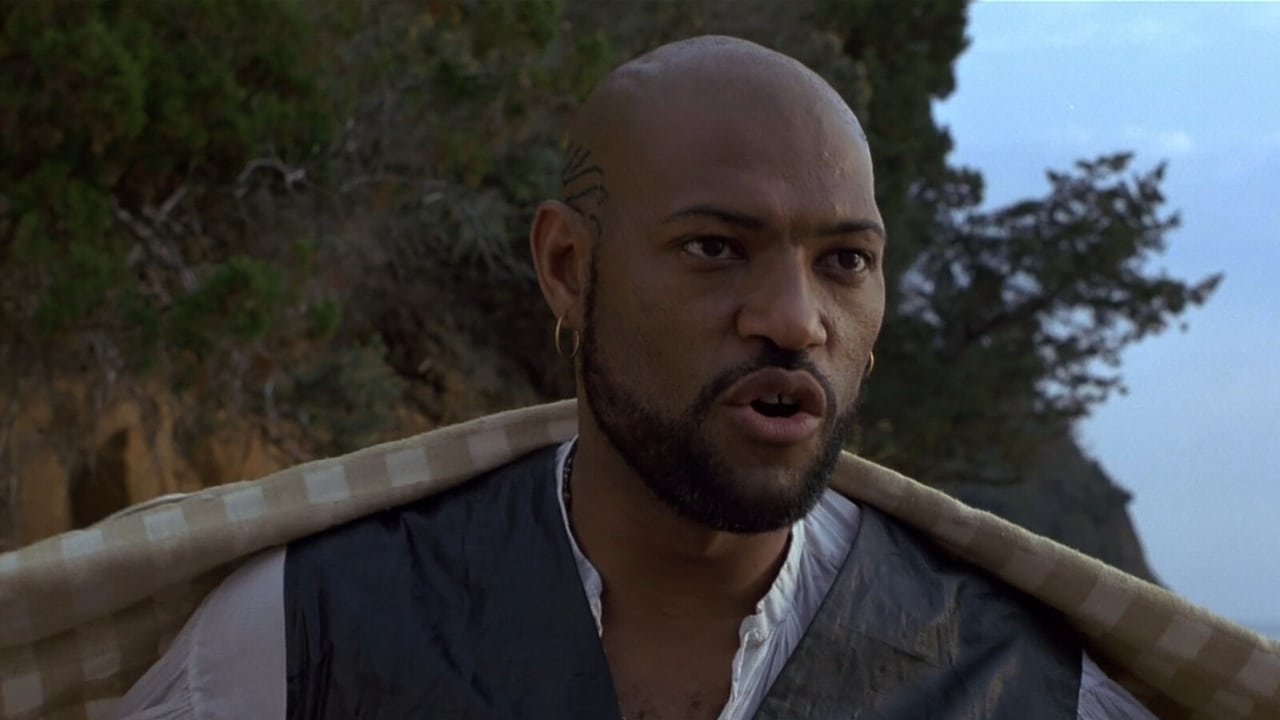
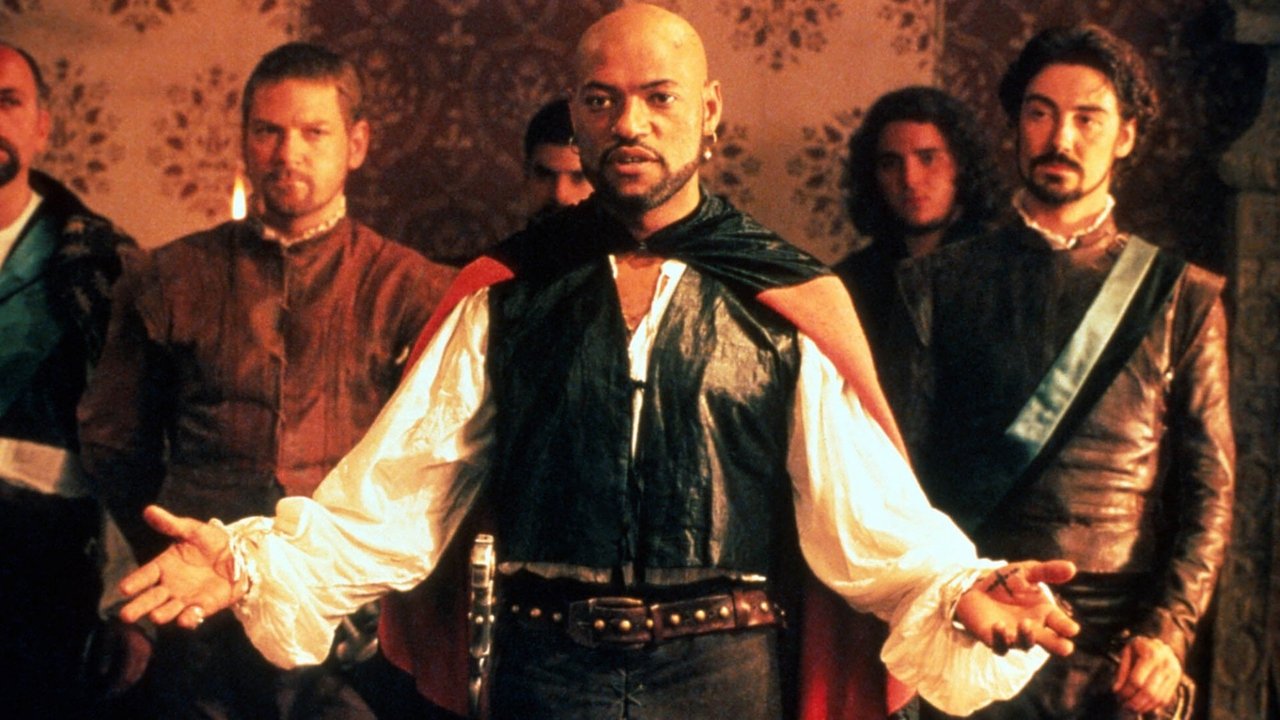
Parker, aided by cinematographer David Johnson, crafts a visually rich film. The early scenes in Venice possess a requisite grandeur, but it’s on the more isolated setting of Cyprus that the atmosphere truly tightens. The camera often pushes in close on the actors’ faces, capturing every flicker of doubt, every veiled threat. This intimacy aligns perfectly with the script's focus, making the psychological drama paramount. Charlie Mole's score effectively underscores the rising tension and tragic inevitability without overwhelming the performances.
Interestingly, the production, while looking quite lush, operated on a relatively modest budget of around $11 million. Filmed primarily in Italy, including some evocative locations in Rome and Venice doubling for Shakespeare's settings, Parker had to be efficient. This perhaps contributes to the film's focused intensity – there's little fat here, narratively or visually. The critical reception at the time was generally strong, particularly praising Branagh's Iago, though the film itself wasn't a massive box office hit. It found its audience, like many classics, on home video – becoming one of those slightly more 'serious' rentals you might have picked up from Blockbuster when you were feeling adventurous.
The Lingering Shadow
Does Parker's Othello stand the test of time? I think so. It remains a powerful and accessible entry point into one of Shakespeare's most harrowing tragedies. While it streamlines the text, it does so with clear purpose, amplifying the emotional devastation. The central performances, particularly Fishburne's pained dignity and Branagh's chillingly rational evil, are unforgettable. It avoids the sometimes-stilted feel of older adaptations and possesses a cinematic energy that still engages. It asks uncomfortable questions about trust, prejudice, and the terrifying ease with which love can curdle into hate. What is it about Iago’s whispers that finds such fertile ground in Othello’s heart? Is it a universal human frailty, or something more specific to his position as an outsider? The film doesn't offer easy answers, letting the tragedy speak for itself.
Rating: 8/10
This score reflects a compelling, well-acted, and visually assured adaptation that successfully translates the core emotional power of Shakespeare's tragedy for a film audience. While the necessary script trimming might disappoint purists, it creates a focused and intensely gripping cinematic experience. The landmark casting of Laurence Fishburne and Kenneth Branagh's unforgettable Iago make this a significant and highly recommended version.