Okay, dust off that VCR head cleaner and settle in. Remember that feeling in the late 90s when blockbusters started getting really fun again? There was a certain magic brewing, a return to grand adventure that felt both nostalgic and thrillingly new. And smack dab in the middle of it all, rising from the sands like its titular terror, was 1999’s The Mummy. This wasn't your grandpa's slow-shuffling Universal monster; this was a full-throttle, guns-blazing, romantic, hilarious thrill ride that practically burst off the screen (and later, the VHS tape).
### Adventure Has a New Name (and a Killer Smile)
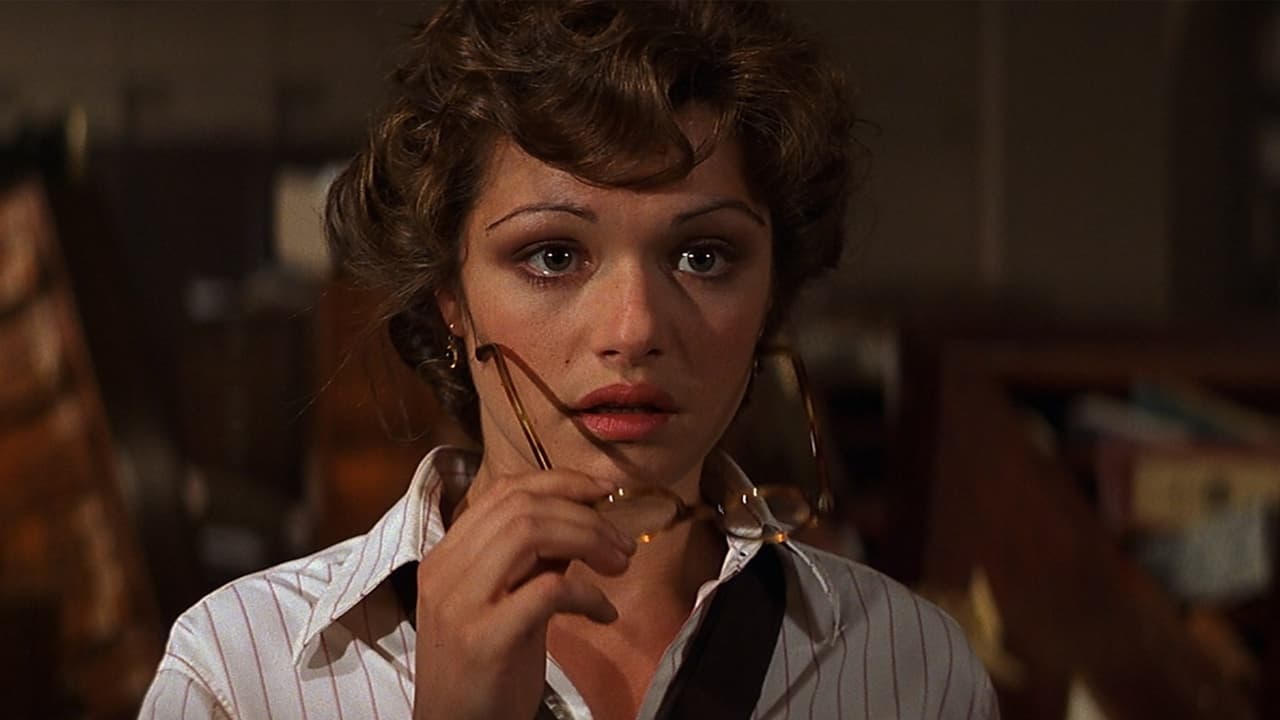
Directed and co-written by Stephen Sommers, who clearly had a love for old-school Hollywood adventure pulsing through his veins, The Mummy reimagined the 1932 Boris Karloff classic not as gothic horror, but as a spiritual successor to Indiana Jones. Set in the sun-drenched, mysterious Egypt of the 1920s, the plot kicks off when librarian and aspiring Egyptologist Evelyn "Evie" Carnahan (Rachel Weisz, utterly charming and smart) teams up with her roguish brother Jonathan (John Hannah, stealing scenes with perfect comic timing) and the rugged American adventurer Rick O'Connell (Brendan Fraser, cementing his movie star status) to find the legendary lost city of Hamunaptra. Of course, what they awaken is far more than treasure – it's the cursed high priest Imhotep (Arnold Vosloo, menacingly regal), accidentally resurrected and ready to unleash plagues upon Egypt while trying to revive his long-lost love.
It sounds like standard monster fare, but Sommers’ genius was in the execution. He perfectly balanced genuine peril (those flesh-eating scarabs still give me the creeps!) with swashbuckling action sequences and, crucially, laugh-out-loud humor. The chemistry between the leads crackles; Fraser’s Rick is all heroic bravado masking a decent heart, while Weisz’s Evie is no damsel in distress, matching wits and courage with the best of them. Their banter-filled romance feels earned amidst the chaos, and Hannah’s Jonathan provides constant, welcome relief as the charmingly greedy opportunist.
### Bringing Ancient Curses to Life (with 90s Tech)
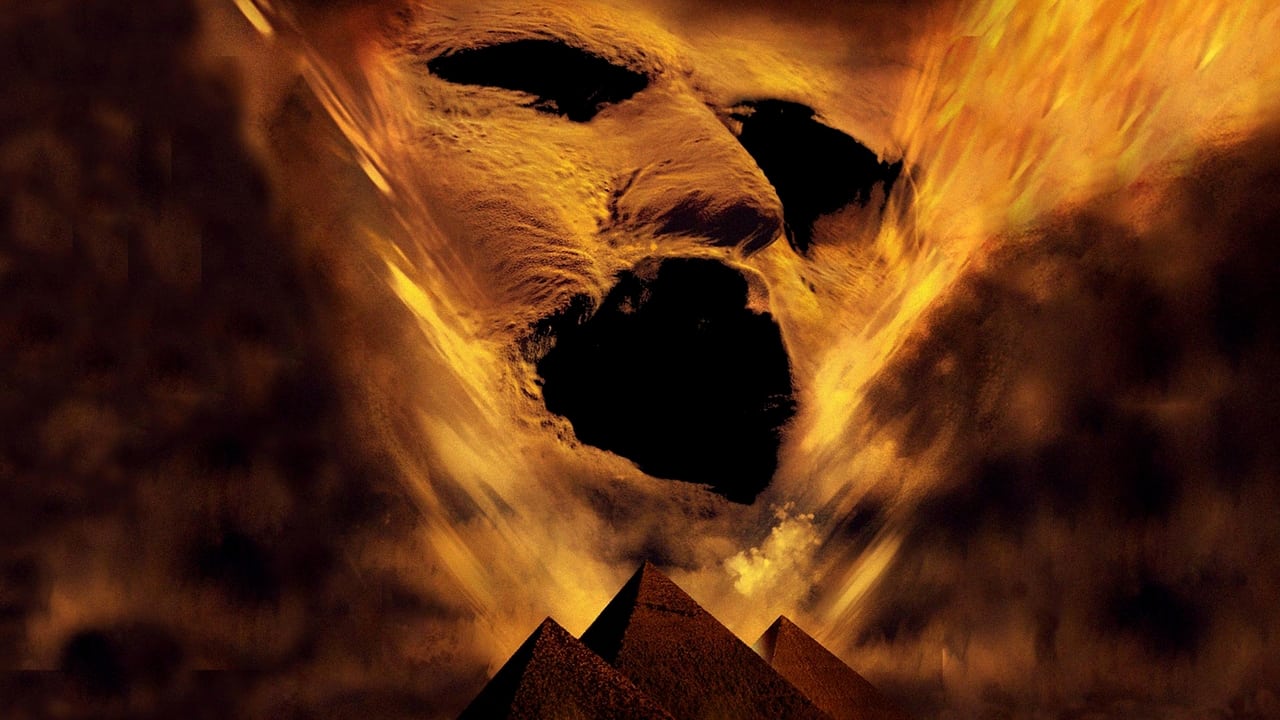
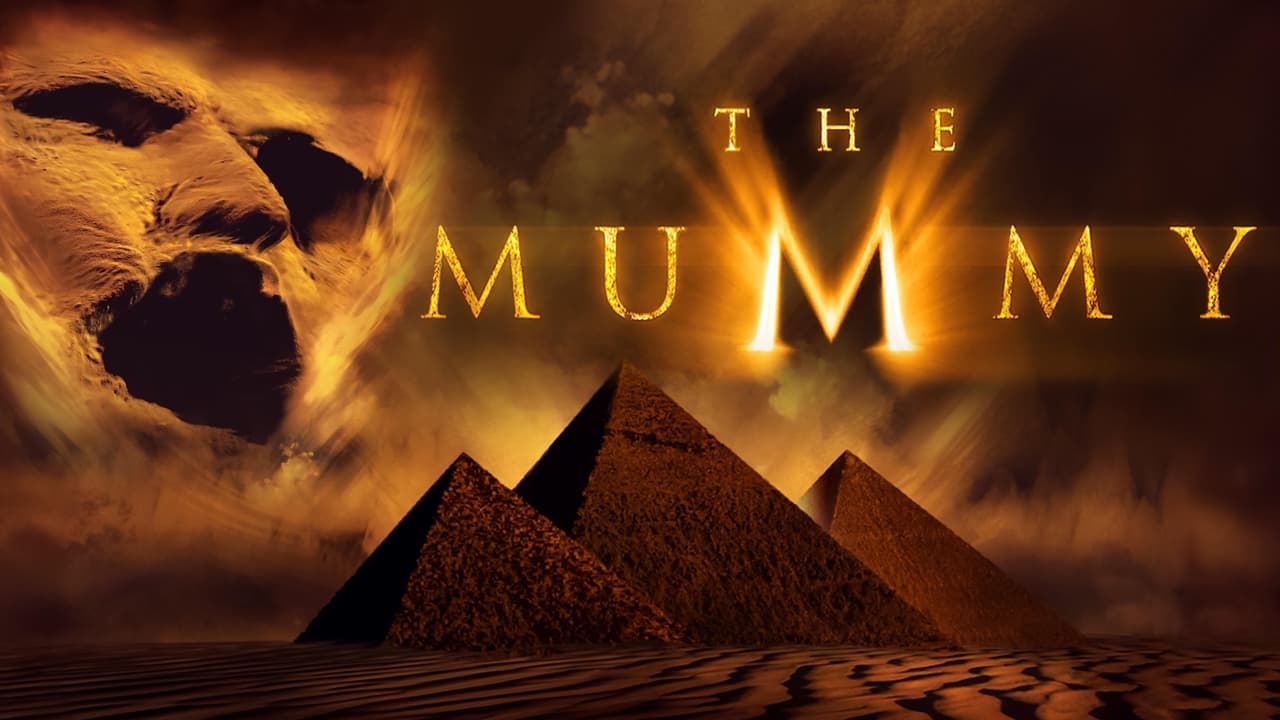
Let's talk spectacle. The Mummy was a feast for the eyes back in '99. While filmed primarily in Morocco (Marrakech and the Sahara desert provided stunning backdrops), the production design convincingly conjured up the mystique of ancient Egypt. It skillfully blended practical effects – creaking sarcophagi, crumbling tombs, elaborate costumes – with what was then state-of-the-art CGI. Imhotep’s regeneration, the swirling sandstorm face, the hordes of scarabs... these moments were pure movie magic on the CRT screen. Sure, looking back with 2024 eyes, some of the digital effects show their age, bearing that distinct late-90s sheen. But honestly? It hardly matters. The spirit behind them, the sheer ambition to create something wondrous and terrifying, still shines through. It adds to the film’s charm, a testament to the era's adventurous filmmaking.
Retro Fun Facts: Bringing this blend of old and new wasn't easy. Sommers had to fight to get his more action-oriented vision approved over a lower-budget horror approach. The gamble paid off – the film, made for around $80 million, raked in a massive $415 million+ globally, surprising many and proving audiences were hungry for this kind of adventure. It currently holds a respectable 7.1 on IMDb and a 61% on Rotten Tomatoes, reflecting its crowd-pleasing nature more than critical darling status. And Brendan Fraser? He committed wholeheartedly, performing many of his own stunts, including the harrowing hanging scene at the film's start where he reportedly actually lost consciousness for a moment. Talk about dedication! It's also fun to note that before Fraser landed the iconic role of Rick, names like Tom Cruise and Ben Affleck were apparently in the running. It's hard to imagine anyone else nailing that blend of grit and charm quite like Fraser, though.
### More Than Just Sand and Scares
What makes The Mummy endure isn't just the action or the effects; it's the heart. There's a genuine sense of camaraderie between the heroes, a lightheartedness that permeates even the darkest moments. Jerry Goldsmith's sweeping, adventurous score perfectly captures this spirit, swelling at just the right moments to heighten the excitement or romance. It's a film that doesn't take itself too seriously, inviting the audience to just buckle up and enjoy the ride. Remember discovering the hidden compartment in the Book of the Dead puzzle box? Or the sheer chaos of the library scene? These moments are pure, unadulterated fun.
Its success inevitably led to sequels like The Mummy Returns (2001) and The Mummy: Tomb of the Dragon Emperor (2008), plus the spin-off The Scorpion King (2002) starring Dwayne "The Rock" Johnson. While the sequels had their moments, they never quite recaptured the perfect blend of elements that made the 1999 original such a delightful surprise. It remains a standout, a film that arrived at just the right time to remind us how exhilarating a trip to the movies (or the video store!) could be.
### The Verdict
The Mummy (1999) is pure, escapist entertainment crafted with infectious energy and charm. It successfully blended horror tropes, Indiana Jones-style adventure, romance, and comedy into a near-perfect blockbuster package. The lead performances are charismatic, the action is exciting, and the sense of fun is palpable throughout. While some visual effects mark it as a product of its time, its spirit remains timeless. It’s the kind of film that felt like a major event when you rented that VHS, a grand adventure waiting to unfold on your TV screen.
Rating: 9/10
This score reflects the film's masterful blend of genres, fantastic casting chemistry, thrilling action, and sheer rewatchability. It achieves exactly what it sets out to do – deliver a rollicking good time – with infectious enthusiasm, even if a few digital seams show decades later. It's a high point of late-90s blockbuster filmmaking, earning its place as a beloved modern classic.