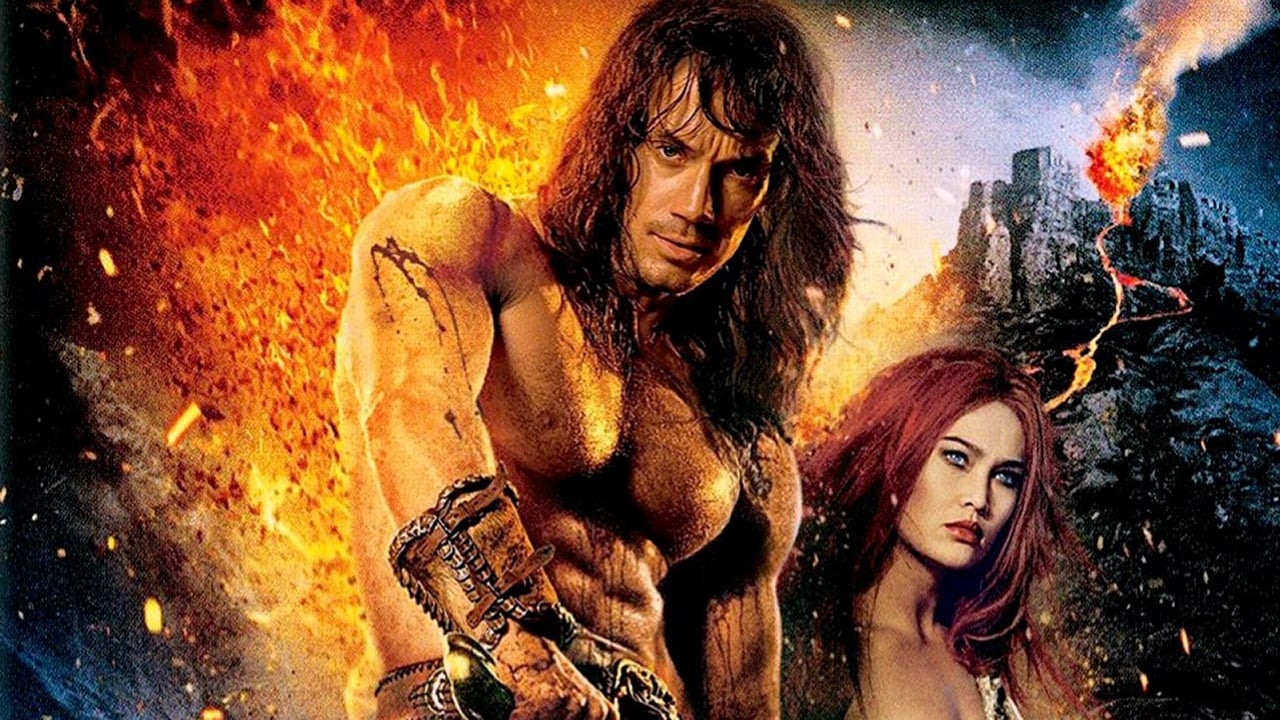
Alright, settle in, grab your preferred beverage (maybe something you used to sneak during late-night movie sessions?), and let’s talk about a sword-and-sorcery flick that landed on rental shelves with a certain… familiar heft. Remember spotting that cover for Kull the Conqueror back in '97? Maybe right next to the Hercules tapes? There was Kevin Sorbo, fresh off his legendary journeys, swinging an axe instead of just flashing that charming grin. It felt like a big deal, even if it wasn't quite the Second Coming of Conan.

### From Cimmeria to Valusia (Almost)
Here’s a slice of retro gold for you: Kull wasn't originally Kull. This movie started life as Conan the Conqueror, intended as the third installment in the Arnold Schwarzenegger saga. Producer Dino De Laurentiis had the script, penned by Charles Edward Pogue (who also wrote the script for 1996's surprisingly heartfelt Dragonheart), ready to go. But Arnie wasn't available or interested, and after bouncing around development hell (at one point, Ralf Moeller, who played Conan in the short-lived TV series, was attached), the script was reworked. Conan became Kull (another Robert E. Howard creation, technically predating Conan!), Cimmeria became Valusia, and TV’s Hercules, Kevin Sorbo, stepped into the loincloth. Knowing this backstory kind of clicks everything into place, doesn't it? It explains that epic scale ambition, even if the final product feels a little… well, let's get into it.
### Hail to the King, Baby!
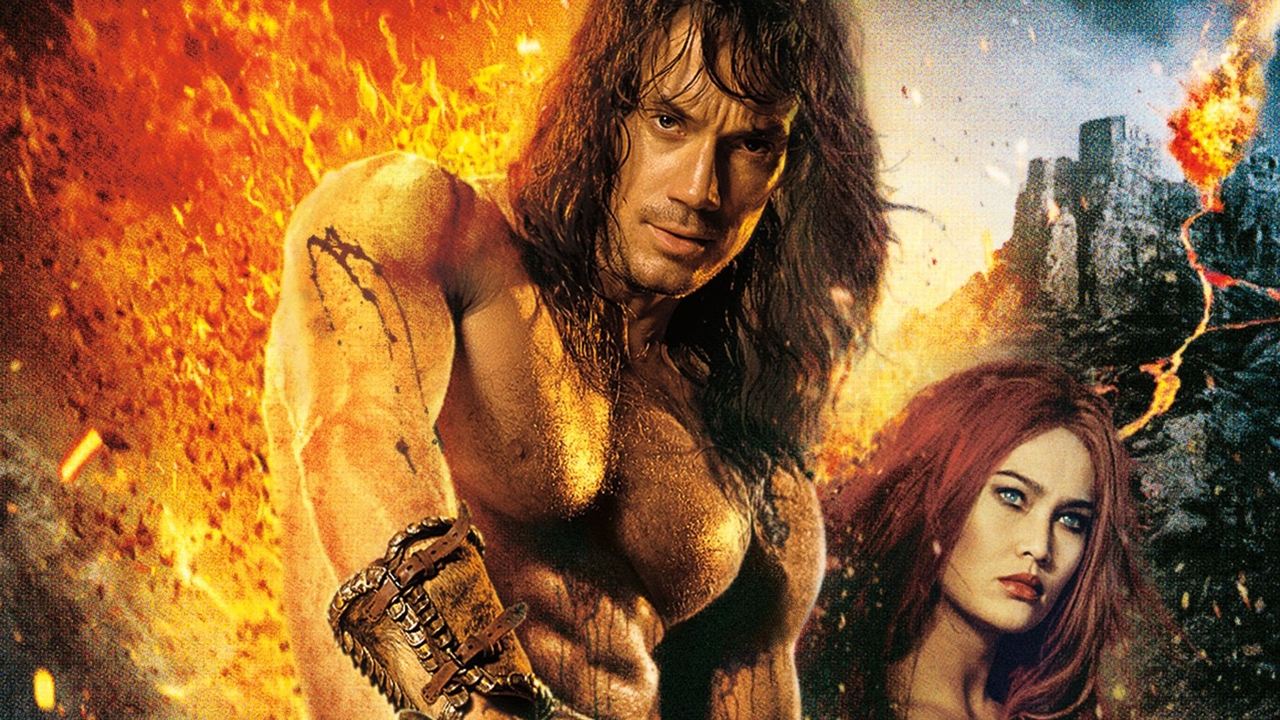
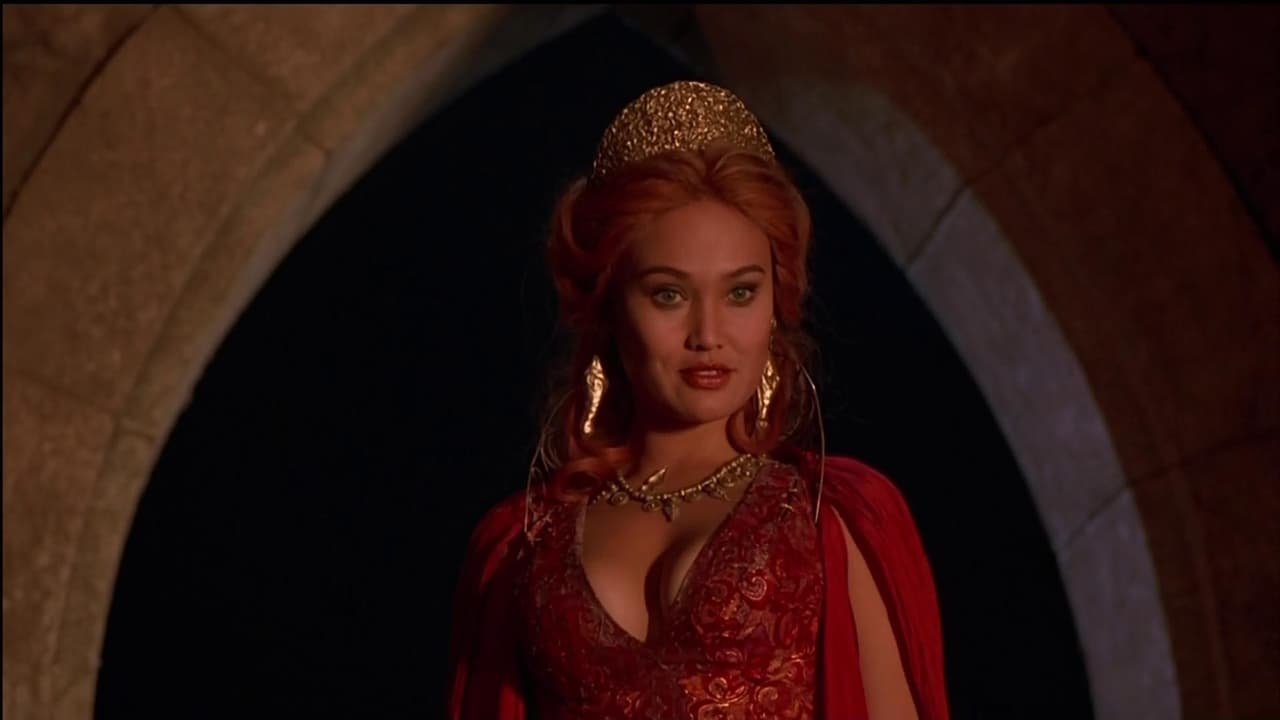
The plot kicks off fast: Kull, a charismatic barbarian outsider (sound familiar?), accidentally offs the decadent King Borna of Valusia in self-defense and, thanks to an ancient law and the dying king's decree, inherits the throne. Just like that! Naturally, the established nobles, led by the scheming General Taligaro (Thomas Ian Griffith, channeling peak 90s villainy – remember him as the toxic waste-dumping baddie Terry Silver in The Karate Kid Part III?), aren't thrilled. Their plan? Resurrect the ancient, evil sorceress queen Akivasha, played with sultry menace by the undeniably striking Tia Carrere (fresh off roles like Wayne's World (1992) and True Lies (1994)).
Sorbo brings his undeniable TV-honed charisma to Kull. He’s less brooding muscle and more approachable adventurer-king. He looks the part, swings the axe convincingly, and handles the often-clunky dialogue with the same earnestness that made Hercules a global hit. Is he Arnold? No. But he makes Kull his own – a slightly more thoughtful, perhaps less primal, barbarian ruler. You believed him as a hero people would follow, even if his path to the throne was ridiculously abrupt.
### Swords, Sorcery, and That Late-90s Sheen
Let’s talk action and effects, the stuff that really popped on our trusty CRT screens. Directed by John Nicolella, whose background included stylish TV work like Miami Vice, Kull delivers a decent amount of sword-clanging goodness. The fights feel grounded for the most part, relying on stunt performers and practical choreography rather than digital doubles. Remember that feeling? The weight of the swords, the sparks flying – it felt real in a way that often gets smoothed out today. There's a certain raw energy to the physical clashes.
Of course, this being 1997, we also get a glimpse of burgeoning CGI. Akivasha’s transformations and demonic forms are pure late-90s digital sorcery – ambitious for the time, perhaps a little rubbery or plasticky looking now, but undeniably part of its period charm. It’s that fascinating cusp where practical makeup effects (some of which are still pretty gnarly!) met the digital frontier. That fiery finale clash? A definite highlight that mixed pyrotechnics with the arcane.
The supporting cast adds flavor. Litefoot as Ascalante, the priest who becomes Kull's ally, brings a quiet dignity. Roy Brocksmith offers some comic relief as the loyal Tu, and listen closely – that’s Harvey Fierstein voicing the flamboyant slave trader Juba! It’s an eclectic mix typical of the era's fantasy epics. Joel Goldsmith's score swells appropriately, hitting those heroic and ominous notes, even if it doesn't quite achieve the iconic status of Basil Poledouris's Conan themes.
### Box Office Barbarian Bust?
Despite the star power and recognizable fantasy tropes, Kull the Conqueror didn't exactly conquer the box office. Made for a reported $35 million, it barely scraped past $6 million domestically. Ouch. Critics weren't particularly kind either, often dismissing it as a Conan knock-off (which, technically, it kind of was, just not in the way they meant!). But for those of us cruising the video store aisles, it found its audience. It was exactly the kind of movie you'd grab for a weekend fantasy fix – big adventure, cool monsters (sort of), a likable hero, and a hissable villainess. It delivered on the promise of its cover art, even if it wasn't destined for cinematic greatness.
Rating: 6/10
Why this score? Kull the Conqueror earns points for its earnest ambition, Kevin Sorbo's genuine charm, some fun practical action sequences, and Tia Carrere clearly having a blast as the evil queen. It perfectly captures that mid-to-late 90s fantasy aesthetic. However, it loses points for a sometimes clunky script inherited from its Conan origins, dated CGI, and a plot that feels both rushed (the ascension) and padded (the quest). It's undeniably flawed, but its heart is in the right place, and the nostalgia factor is strong for those who remember renting it.
Final Thought: A quintessential late-90s VHS fantasy find – not quite legendary, but a whole lot more fun than its reputation suggests, especially if you appreciate the days when barbarians were heroic, sorceresses were seductive, and CGI was still figuring itself out. Press play, don't adjust your tracking too much.