### Shifting Fears in the Static
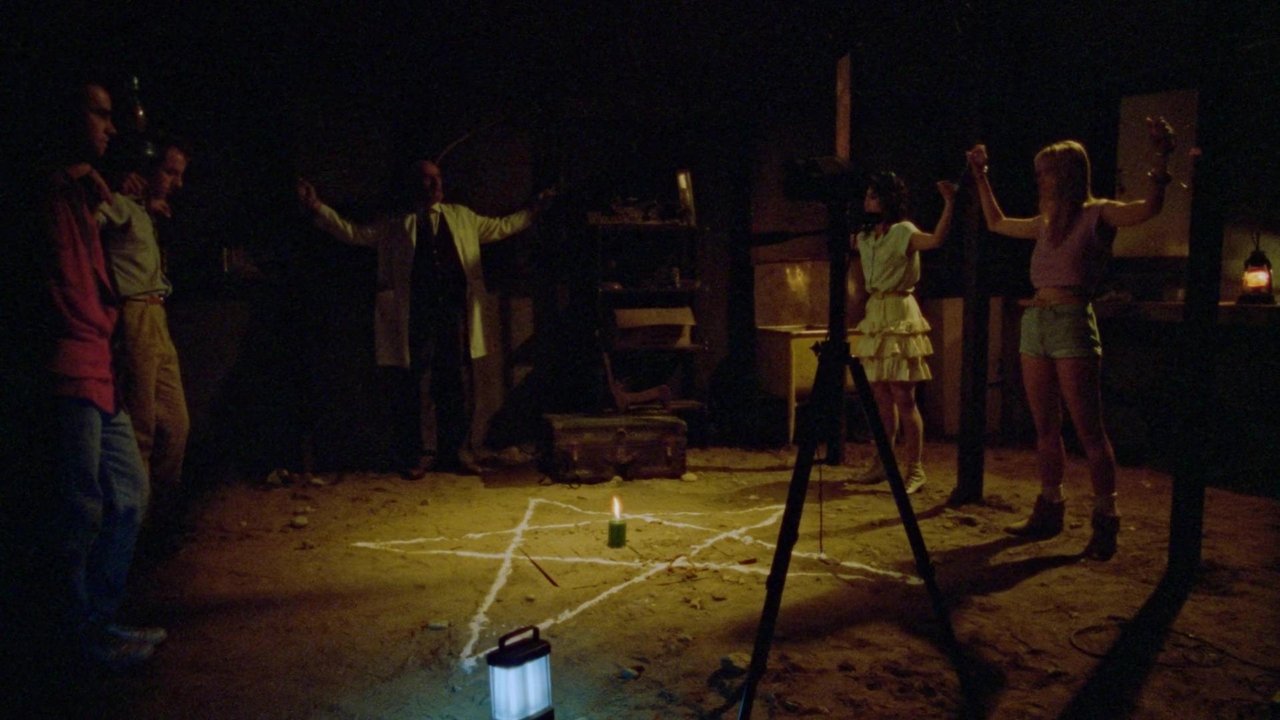
There's a peculiar texture to the fear in Nightwish, a 1989 oddity that likely haunted the back shelves of many a video store. It starts with the familiar – psychic phenomena, ghost hunting students, a remote cabin – but something colder, more invasive, soon bleeds through the static. It’s not just bumps in the night; it’s the chilling suggestion that the darkness holds something far more calculating, and perhaps, not of this world at all. This film burrows under your skin not with jump scares, but with a creeping dread born from its ambitious, if sometimes bewildering, collision of genres.
### Cabin Fever Dreams
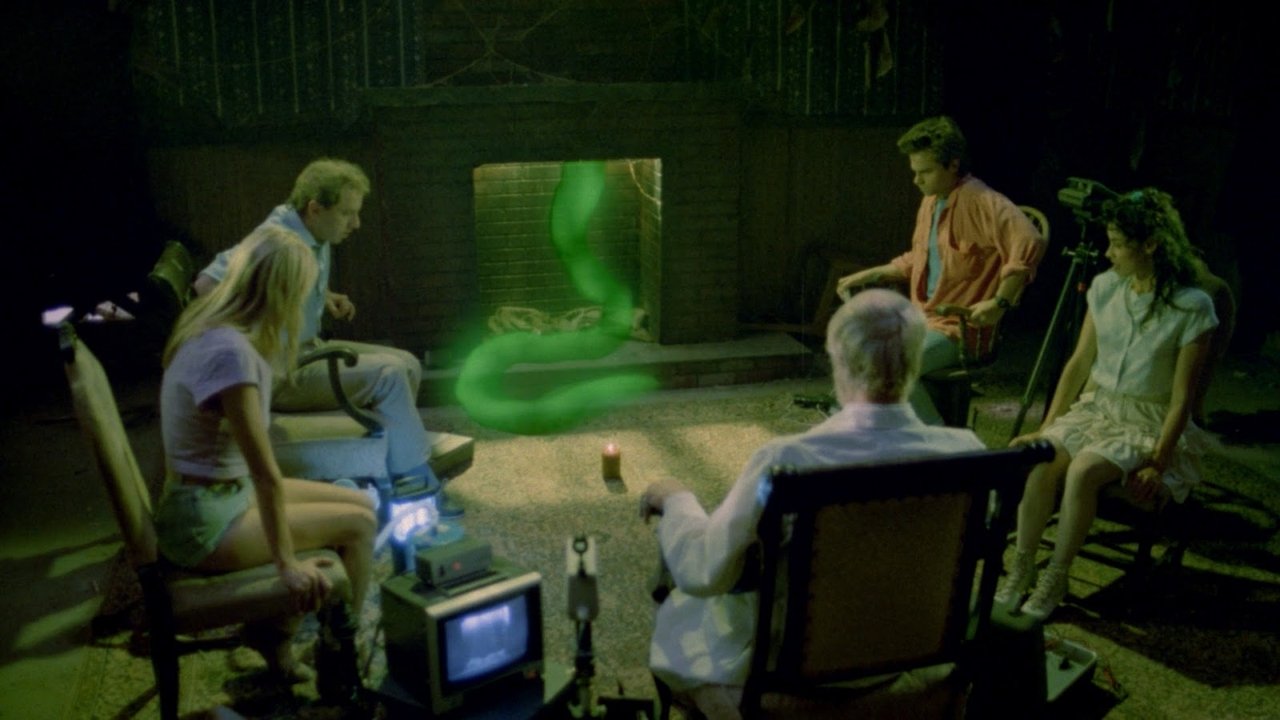
Writer-director Bruce R. Cook sets up a classic scenario: four parapsychology students, led by their professor, venture into the isolated mountains to investigate supposed paranormal activity at an eerie property. We have the earnest researchers, the requisite romantic subplot, and the initial spectral investigations. But Nightwish quickly pivots. The ghostly whispers give way to grotesque visions, physical transformations, and the unnerving presence of figures who are clearly not ethereal spirits. The script throws paranormal investigation, alien experimentation, government conspiracy, and even shades of body horror into a blender, hitting puree. It’s a heady, sometimes confusing mix, demanding the viewer piece together fragments glimpsed through pulsing lights and disorienting edits, much like trying to decipher a nightmare upon waking.
### Mountain Dread and Practical Nightmares
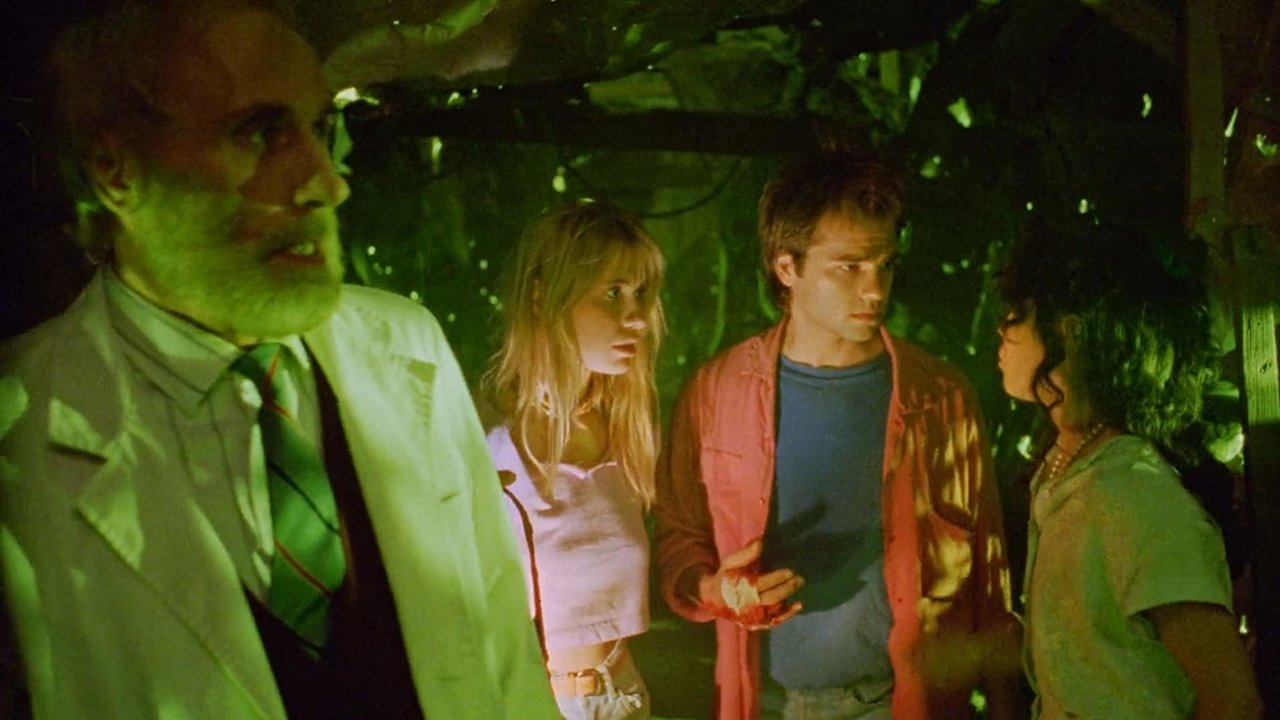
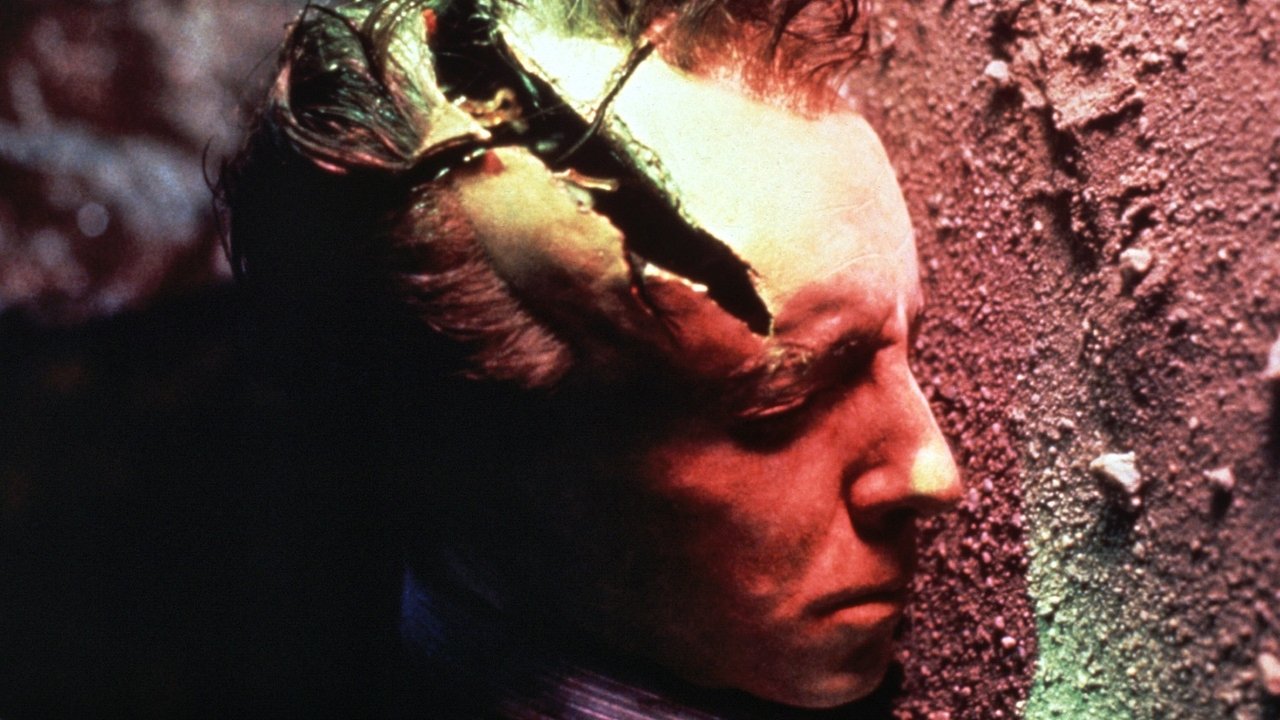
Filmed amidst the pines and shadows of Idyllwild, California, the film leverages its remote setting effectively. The isolation feels palpable, amplifying the sense that help isn't coming. Cook, pulling triple duty as writer, director, and producer, clearly stretched his budget, but directs his resources towards what truly matters in a film like this: atmosphere and effects. The score pulses with synthetic dread, a quintessential late-80s soundscape that enhances the unease. But it's the practical effects that leave their slimy mark. Remember the visceral quality of seeing those disturbing make-up jobs and creature effects rewinded and paused on VHS? Nightwish delivers some memorably grotesque moments – melting faces, strange alien probes, and mutated figures that, while perhaps dated now, carried a tangible, unsettling weight back then. There's a certain charm, a palpable effort, in seeing these low-budget nightmares brought squirming to life.
### Familiar Faces in Unfamiliar Territory
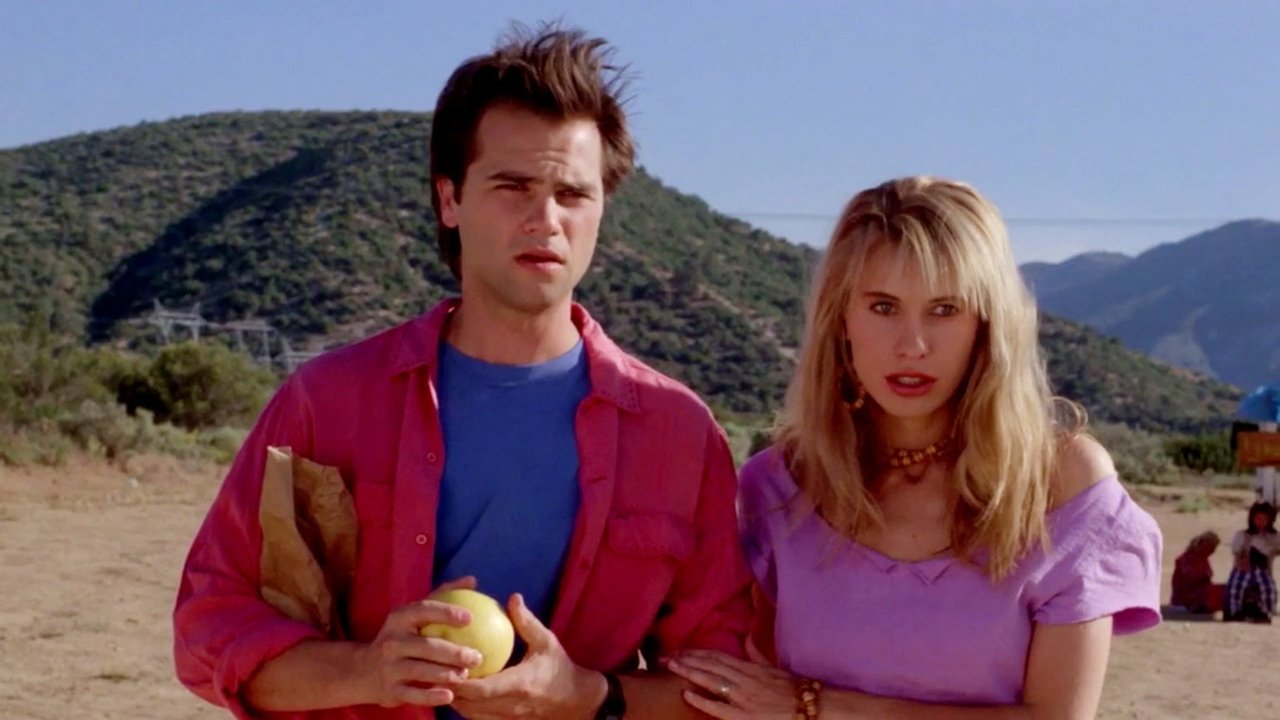
The cast features faces familiar to any seasoned genre fan browsing the video aisles. The imposing Brian Thompson, often typecast as villains (think Cobra or his memorable turn as the Night Slayer on Star Trek: The Next Generation), brings his signature menace here as… well, revealing his exact role ventures into spoiler territory, but suffice it to say, his presence significantly ramps up the physical threat. We also see Elizabeth Kaitan, a recognizable face from horror staples like Friday the 13th Part VII: The New Blood and the infamous Silent Night, Deadly Night Part 2, navigating the escalating chaos. Perhaps most poignant is the appearance of Jack Starrett as the determined professor. Known more for his gritty directorial work on films like the cult classic Race with the Devil (1975) or Cleopatra Jones (1973), and his memorable role as the hard-nosed deputy Galt opposite Stallone in First Blood (1982), Nightwish marked one of his final acting performances before his passing in March 1989, the same year the film saw its release. His gruff presence lends a certain gravitas to the initial investigation setup.
### A Cult Curio Unearthed
Nightwish wasn't a multiplex sensation; it was pure video store fodder, the kind of tape you might rent on a whim, drawn in by the lurid cover art promising otherworldly horrors. Its ambition often outstrips its execution, leading to a plot that can feel fragmented and occasionally nonsensical. You might find yourself rewinding certain scenes, not just to savor a gory effect, but to try and figure out exactly what just happened. Yet, this very confusion, combined with its striking practical effects and pervasive sense of dread, is part of its weird charm. It feels like a genuine attempt to create something unique within the crowded late-80s horror landscape, even if it doesn't always stick the landing. It’s a film that feels like a transmission from a slightly stranger dimension of B-movie filmmaking.
### Final Verdict
Nightwish is a fascinating, flawed artifact of the direct-to-video era. It bites off more than it can perhaps chew thematically, blending psychic phenomena with alien conspiracies in a way that can leave viewers scratching their heads. However, its commitment to practical effects, its genuinely unsettling atmosphere at times, and strong genre casting (especially Brian Thompson and the final appearance of Jack Starrett) make it a memorable watch for enthusiasts of weird 80s horror. Did its ambitious genre mashup entirely work? Perhaps not seamlessly. But doesn't that slightly unhinged, everything-but-the-kitchen-sink approach feel perfectly representative of certain corners of the VHS market back then?
Rating: 6/10 - Points awarded for its ambitious concept, memorable practical effects, strong atmospheric moments, and cult appeal, docked for plot incoherence and uneven execution. It’s a prime example of a late-80s sci-fi/horror hybrid that aimed high on a low budget, delivering a uniquely strange and sometimes chilling viewing experience that feels perfectly preserved on those grainy magnetic tapes.