Ah, Slayers. Just hearing the name conjures images of ridiculously oversized shoulder pads, fireballs galore, and a level of gleeful destruction rarely matched in fantasy anime. Finding a Slayers tape at the local rental spot back in the day felt like unearthing pure, chaotic gold. And tucked within that treasure trove was Slayers Return (1996), the second theatrical outing for our favourite sorcery-slinging, bandit-robbing heroine, Lina Inverse. It wasn’t a sequel picking up from the TV series cliffhanger; instead, it dropped us right back into that glorious sweet spot: a standalone adventure featuring Lina paired with her eternally laughing, scantily-clad rival, Naga the Serpent. Prepare for trouble, and make it double… trouble involving ancient conspiracies, secret villages, and, naturally, lots of things going boom.
### Double the Trouble, Double the Fun
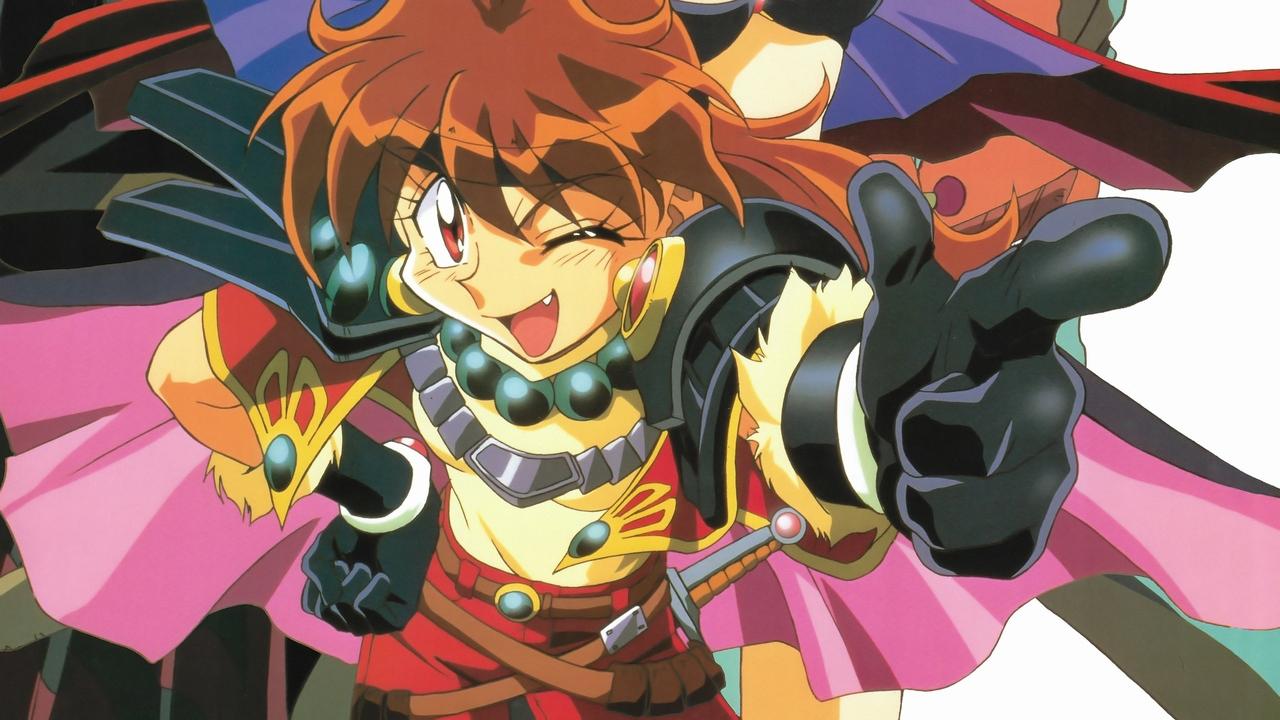
The setup is classic Slayers: Lina Inverse, the notoriously powerful (and greedy) sorceress voiced with fiery perfection by the legendary Megumi Hayashibara (whose voice also brought Rei Ayanami in Evangelion and Faye Valentine in Cowboy Bebop to life), and her equally powerful (but arguably more annoying) companion Naga the Serpent, voiced with that unforgettable booming laugh by Maria Kawamura (Cham Huau in Aura Battler Dunbine), are looking for their next meal… or rather, their next score. They stumble upon the village of Biaz, where girls are being mysteriously kidnapped. A hefty reward is offered to act as bodyguards for a young woman named Saleena, daughter of the village elder. Simple enough, right? Of course not. This is Lina and Naga we’re talking about. What starts as a protection detail quickly escalates into uncovering a plot involving ancient elfin weapons, a group seeking world domination (aren't they always?), and plenty of opportunities for our heroines to unleash spectacular magic and cause immense collateral damage. It's a plot structure familiar to fans of the Slayers OVAs and movies, often focusing on these earlier adventures of Lina and Naga, as chronicled in Hajime Kanzaka's original light novels that started it all.
### The Lina & Naga Show
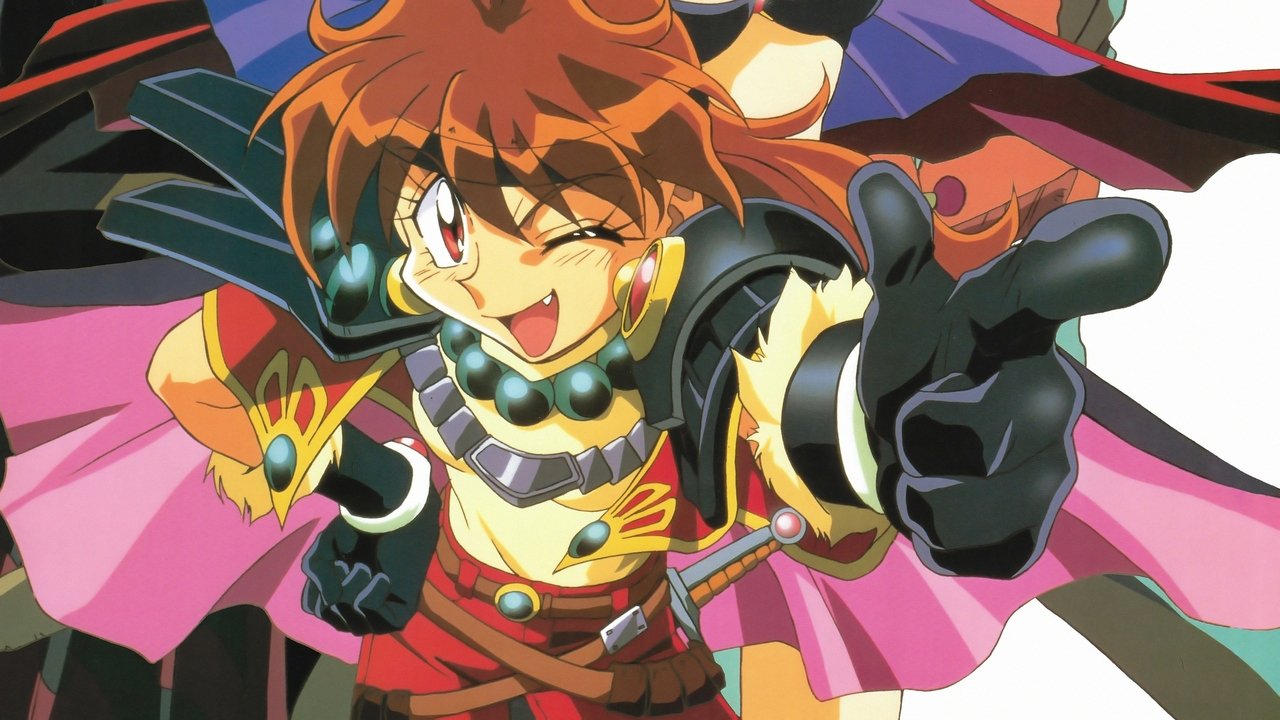
Let's be honest, while Gourry, Zelgadis, and Amelia are beloved companions from the TV series, the dynamic between Lina and Naga is its own special brand of magic. Slayers Return leans heavily into this, showcasing their constant bickering, one-upmanship, and grudging respect (buried very deep down). Megumi Hayashibara embodies Lina's mix of arrogance, surprising competence, and sheer panic when things get really out of hand. Maria Kawamura's Naga is bombastic, overly confident, and possesses that laugh – oh, that laugh! – which could probably shatter glass at fifty paces. Their chemistry, honed across several OVAs and movies, is the engine that drives the film. You watch less for the intricacies of the plot (which is enjoyable but straightforward fantasy fare) and more for their interactions, the snappy dialogue penned by screenwriter Shōji Yonemura (who later worked on Pokémon and Fairy Tail), and the inevitable magical duels they somehow always get into, often with each other.
### 90s Anime Aesthetics and Explosions
Visually, Slayers Return is a perfect time capsule of mid-90s anime feature production. Helmed by directors Kunihiko Yuyama (a name synonymous with the Pokémon anime franchise) and Hiroshi Watanabe, the animation, likely handled by studio J.C.Staff who produced the TV series, is a step up from the television show, with more fluid action sequences and detailed backgrounds typical of theatrical releases. The character designs are pure 90s fantasy – big hair, expressive faces, and those aforementioned shoulder pads. The magic effects, particularly Lina's iconic Dragon Slave, have that satisfyingly destructive, hand-drawn energy that defined the era. Sure, it might not have the slick digital polish of modern anime, but there's a tangible quality, a certain weight to the animation and effects work, that feels incredibly nostalgic. You can almost feel the heat coming off those explosions through the CRT screen. It perfectly captured the slightly goofy, high-energy fantasy world Hajime Kanzaka created.
### Retro Fun Facts & Franchise Charm
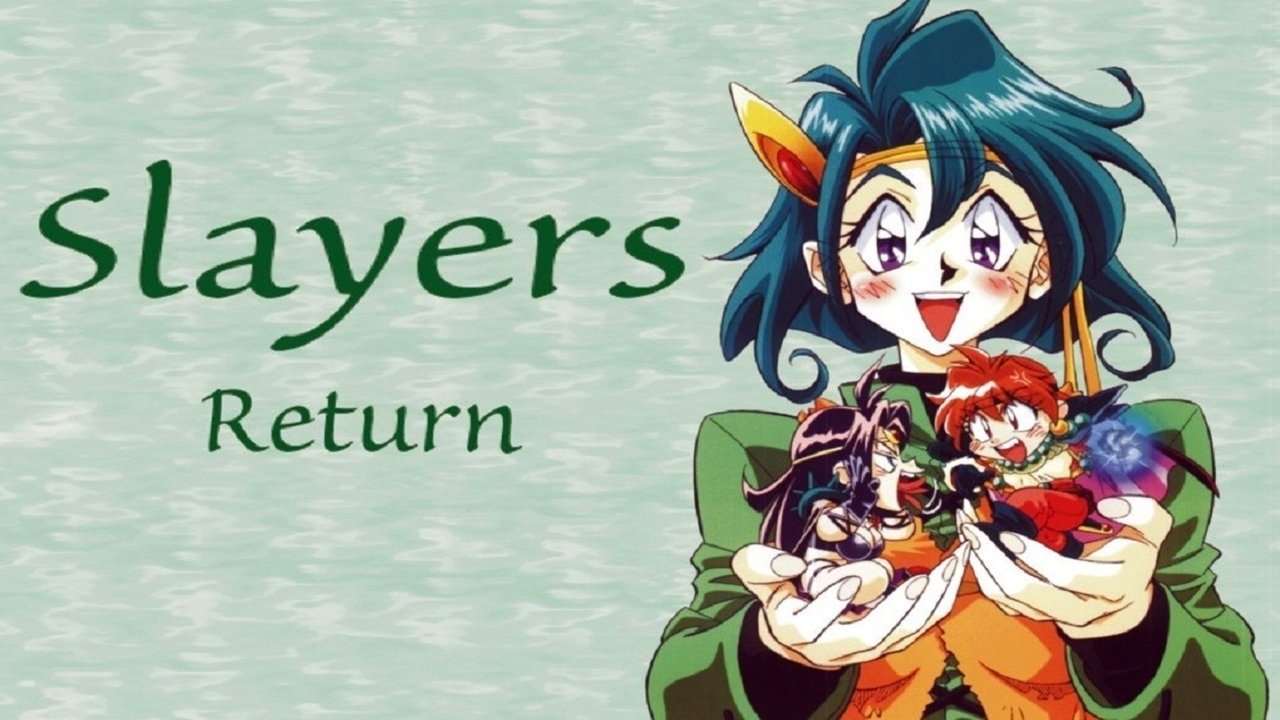
Slayers Return arrived at a time when the Slayers franchise was hitting its stride. Released between the second (Slayers Next) and third (Slayers Try) TV seasons, it provided fans with a welcome dose of Lina and Naga's earlier, often sillier escapades. These movie/OVA adventures often adapted stories from the Slayers Special light novels, focusing on this specific pairing before Lina met Gourry and the others. It’s a formula that works: drop Lina and Naga into a situation, add some quirky supporting characters, a vaguely threatening magical McGuffin, and let the sparks (and spells) fly. There's a comfortable predictability to it, but the execution is always energetic and funny. One charming aspect is how these standalone stories allowed the creators to experiment slightly without disrupting the main TV series continuity, focusing purely on comedy and action. Did you know Naga's infamous laugh was reportedly something Maria Kawamura developed specifically to be as distinct and, well, annoying as possible? Mission accomplished, brilliantly so!
### Still Casting a Spell?
Watching Slayers Return today is like digging out a favourite mixtape. Some elements feel distinctly of their time – the pacing might seem brisk compared to more decompressed modern narratives, and the humour relies heavily on slapstick and running gags that were hallmarks of 90s anime comedy. But the core appeal remains incredibly strong. The sheer force of personality from Lina and Naga, the vibrant world, the unpretentious commitment to fun and adventure – it’s infectious. It reminds you of a time when fantasy anime didn’t always have to be deadly serious; it could be loud, goofy, and utterly entertaining. It's the kind of movie that made rainy Saturday afternoons spent parked in front of the VCR feel like epic quests. We might not have lusted after their specific gear (those outfits!), but the sheer magical power Lina wielded? Yeah, maybe we fantasized about that just a little.
VHS Heaven Rating: 7.5/10
Slayers Return doesn't reinvent the fantasy wheel, nor does it try to. It delivers exactly what fans wanted: 60 minutes of concentrated Lina and Naga chaos, packed with sharp banter, explosive magic, and that signature Slayers blend of high fantasy stakes and lowbrow comedy. The animation holds up as a solid example of 90s anime filmmaking, and the voice acting is top-notch, capturing the iconic characters perfectly. It's pure comfort food for the 90s anime fan, a standalone blast that requires no prior knowledge beyond "sorceresses like treasure and blowing things up."
Fire up the metaphorical VCR for this one – it’s a reliably fun trip back to when anime adventures felt bright, loud, and wonderfully unrestrained. Just maybe turn the volume down slightly when Naga starts laughing.