It begins with a discovery, innocuous yet deeply unsettling: a shared diary, bound in purple, found dropped on the steps of an ordinary all-girls high school. Inside, confessions spiral into obsession, love twists into something desperate, and spectral whispers seem to cling to the very pages. This isn't just a forgotten notebook; it's the catalyst for Memento Mori (1999), a film that arrived like a melancholic sigh amidst the burgeoning wave of Korean horror, proving that the genre could be as much about profound sadness as visceral shocks.
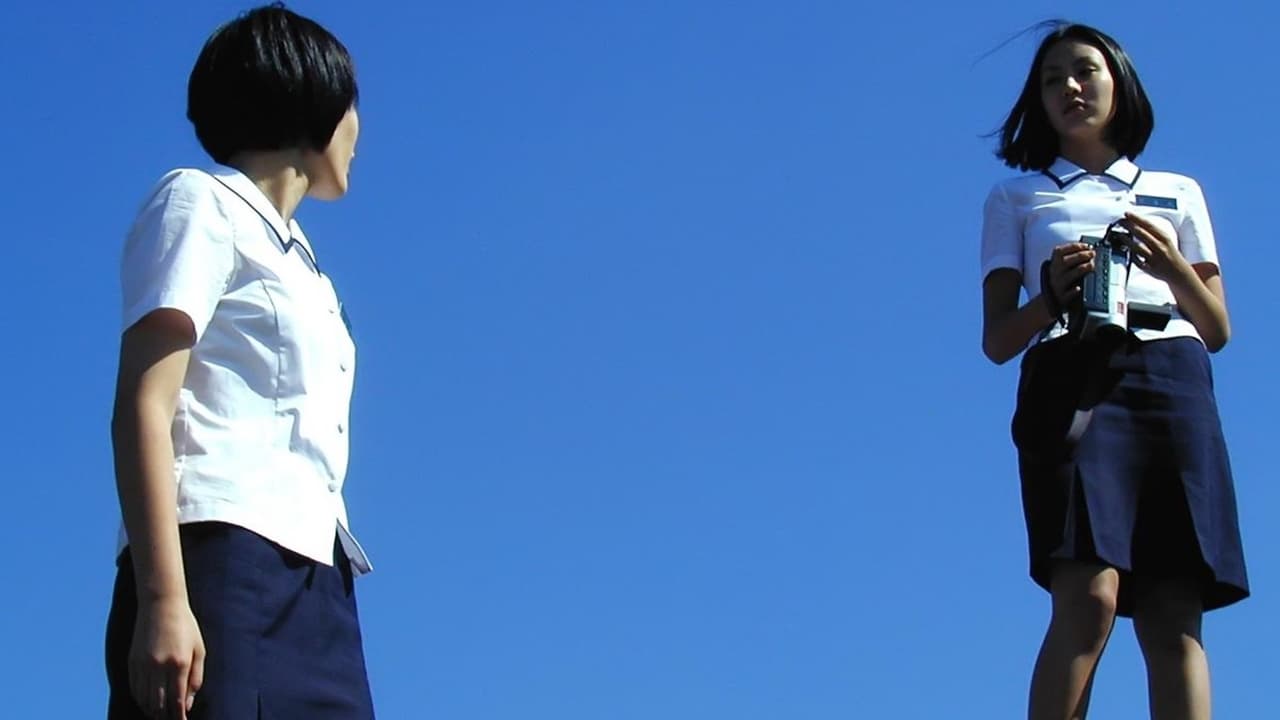
For those of us trawling the 'World Cinema' or 'Horror' aisles of the video store (or perhaps discovering it slightly later on DVD as K-Horror gained traction), Memento Mori felt different. It wasn't loud or frantic like many of its Western contemporaries. Instead, it built its dread slowly, weaving a complex, non-linear narrative that demanded attention, rewarding the patient viewer with a story far richer and more poignant than its 'ghost story' premise might initially suggest.
A Haunting Held in Ink
The film, directed and written by newcomers Kim Tae-yong and Min Kyu-dong, unfolds around Min-ah (Lee Young-jin), the sensitive student who finds the diary belonging to classmates Hyo-shin (Park Ye-jin) and Shi-eun (Kim Min-sun). As Min-ah delves deeper into their intense, intimate, and ultimately tragic relationship documented within, strange occurrences ripple through the school. The diary seems to possess a lingering consciousness, a chilling echo of past events that refuses to stay buried. But is it a vengeful spirit, or something more complex – the psychic residue of unbearable pain and societal rejection?
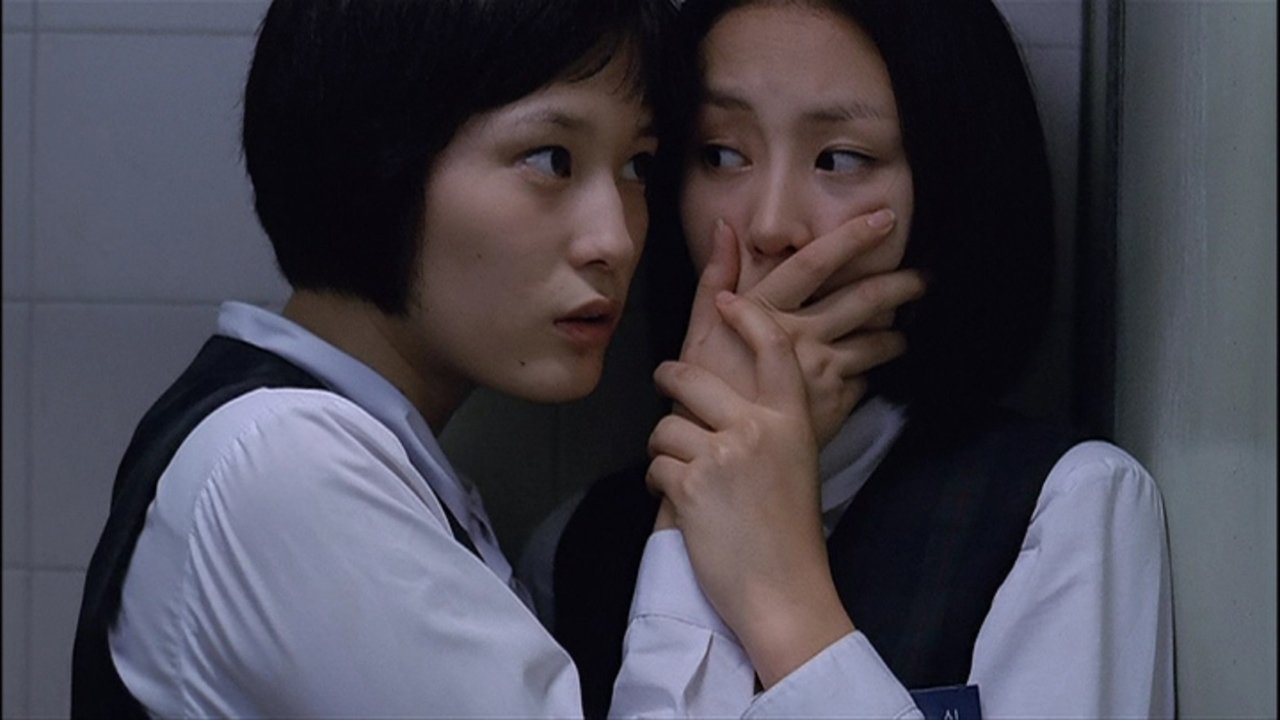
What truly sets Memento Mori apart is its atmosphere. The directors masterfully capture the stifling conformity and intense emotional pressure cooker of the Korean high school environment. Sunlight streams through classroom windows, illuminating floating dust motes, yet casting long shadows. The mundane routines – classes, chores, whispered gossip – become imbued with an underlying tension, a sense that something deeply wrong festers just beneath the surface. This isn't horror that leaps out from the darkness, but horror that seeps in through the cracks of the everyday.
Whispers of Forbidden Feelings
While marketed as the second installment in the popular Whispering Corridors series (though not a direct sequel to the 1998 original), Memento Mori carves its own distinct path. Its true power lies not in spectral figures, but in its courageous and sensitive exploration of adolescent lesbian love in a society where such feelings were, especially in 1999, largely unacknowledged or condemned. The relationship between Hyo-shin and Shi-eun is portrayed with aching tenderness and raw vulnerability. Their connection feels genuine, making the societal forces that push them towards tragedy all the more heartbreaking.
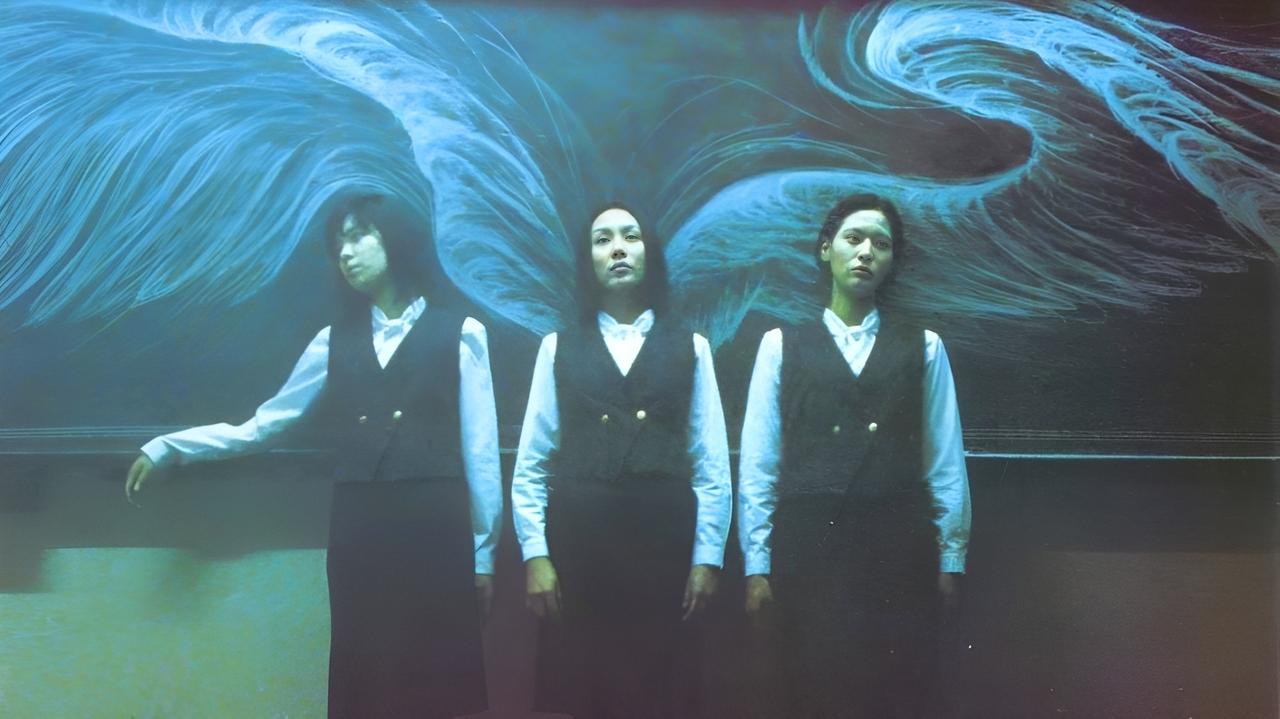
The young cast delivers performances of remarkable depth. Park Ye-jin as the intense, artistic Hyo-shin is captivating, radiating a volatile mix of passion and despair. Kim Min-sun brings a quieter, more conflicted energy to Shi-eun, embodying the struggle between personal desire and societal expectation. And Lee Young-jin anchors the film as Min-ah, our surrogate, navigating the unfolding mystery with a palpable sense of empathy and dawning horror. Their interactions feel authentic, capturing the fleeting intensity and crushing weight of teenage emotions. There's a truthfulness here that resonates long after the credits roll.
More Than Just a Ghost Story
It’s fascinating to look back, knowing this was the feature debut for both Kim Tae-yong and Min Kyu-dong. They demonstrate a confidence in visual storytelling and thematic exploration that belies their experience. The non-linear structure, initially disorienting, ultimately mirrors the fractured nature of memory and trauma itself. We piece together the story alongside Min-ah, feeling the weight of revelation as past and present blur. This wasn't a film simply trying to cash in on the K-Horror trend; it was using the genre framework to ask profound questions about memory, repression, love, and the devastating consequences when society refuses to see or accept certain truths.
Were there challenges making a film with such overt LGBTQ+ themes in Korea at the time? Undoubtedly. Yet, the directors handle it with grace, focusing on the emotional core rather than sensationalism. It's a testament to the script and performances that the supernatural elements feel like organic extensions of the characters' psychological states, rather than mere plot devices. The title itself, "Memento Mori" – "Remember you must die" – takes on a layered meaning. It's a reminder of mortality, yes, but also perhaps a plea to remember those whose lives and loves are erased or ignored.
This film was never destined for blockbuster status, requiring a different kind of engagement than your typical jump-scare fest. It demands empathy. I recall finding it tucked away, perhaps recommended by a store clerk who saw past the 'horror' label. It felt like uncovering a secret – a beautifully melancholic, deeply affecting piece of cinema that lingered, asking questions about connection and loss that felt far more significant than the standard genre fare. It was proof that horror could break your heart.
Rating: 8.5/10
This score reflects Memento Mori's profound emotional depth, its sensitive handling of complex themes, haunting atmosphere, and strong performances. While its non-linear narrative might challenge some viewers, its artistic ambition and lasting emotional impact make it a standout piece of late-90s Korean cinema and a crucial entry in the thoughtful horror canon. It doesn't just scare; it resonates, leaving you contemplating the ghosts born not of myth, but of human cruelty and neglected love. A quiet whisper that, once heard, is difficult to forget.