Dust motes dance in the gaslight glow, illuminating velvet curtains and the weary face of a man claiming centuries. "I was dying," he says, his voice a low murmur against the San Francisco night, "And I wanted it." Thus begins the confession, not of sins perhaps, but of an existence stretched taut between exquisite suffering and monstrous necessity. Neil Jordan's Interview with the Vampire (1994) wasn't just another creature feature hitting Blockbuster shelves; it felt like forbidden literature brought to opulent, tragic life. It sunk its teeth into the burgeoning gothic sensibility of the mid-90s and left a mark that still aches with a strange beauty.
### A Tapestry of Damnation
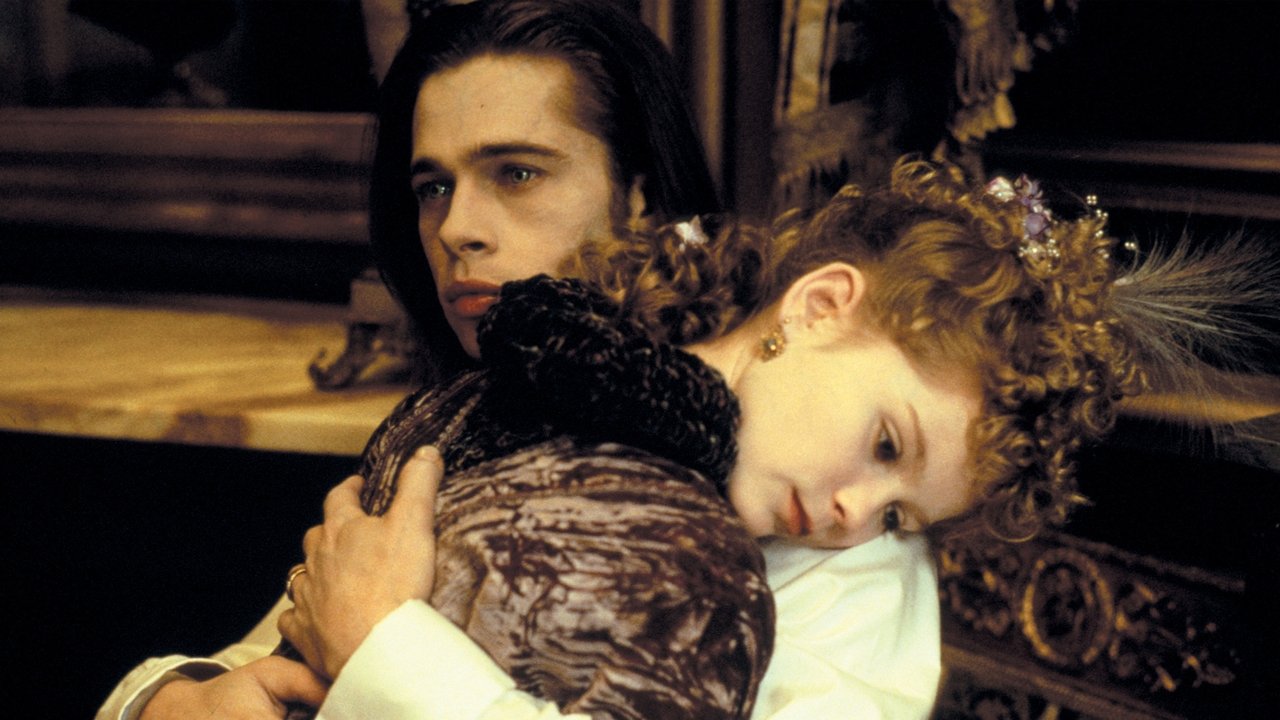
Forget jump scares. The dread here is existential, woven into the very fabric of the film. Adapted by Anne Rice herself from her seminal novel, the story unfolds as Louis de Pointe du Lac (Brad Pitt) recounts his transformation into a creature of the night by the charismatic, cruel, and utterly captivating Lestat de Lioncourt (Tom Cruise). We follow their intertwined fates across decades, from the pestilent alleys of New Orleans to the decadent salons of Paris, witnessing Louis' perpetual wrestling match with his own predatory nature, a struggle Lestat finds endlessly amusing. The film doesn't shy away from the inherent horror of their existence – the constant thirst, the loss of humanity, the crushing weight of immortality. It's a horror steeped in melancholy, gorgeously rendered by Philippe Rousselot's painterly cinematography and Dante Ferretti's astonishing production design. Remember the crumbling grandeur of Louis' plantation, or the Theatre des Vampires in Paris? It was less a set and more a portal to a decaying dreamscape.
### The Devil You Know
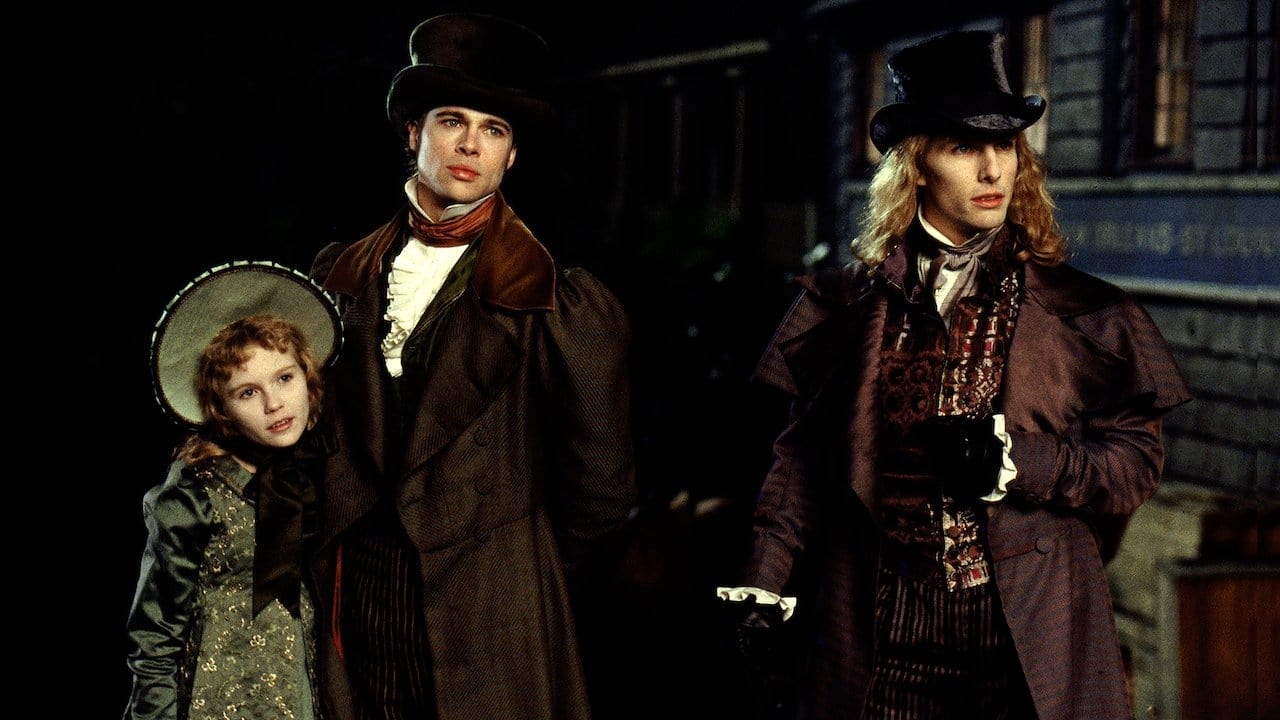
The casting of Tom Cruise as Lestat initially sent shockwaves through the passionate fanbase of Rice's novels – Rice herself was famously vocal in her disapproval, envisioning Rutger Hauer or Julian Sands. Yet, watching it now, it's hard to imagine anyone else embodying Lestat's particular brand of rockstar vampire swagger and casual cruelty. Cruise threw himself into the role, capturing the seductive danger, the theatricality, and the profound loneliness beneath the bravado. Anne Rice later famously retracted her criticism after seeing the film, even taking out full-page ads praising his performance. Brad Pitt, meanwhile, perfectly embodies Louis' brooding sorrow. His performance is often internalized, a mask of perpetual grief that contrasts sharply with Lestat's flamboyance. Some found it one-note back then, but looking back, it feels essential – he's the anchor of conscience in a sea of damnation. Does that constant vampiric angst still resonate, or does it feel like a product of its time?
Then there's Kirsten Dunst. Barely twelve years old, she delivers a performance as Claudia that remains utterly chilling. Trapped eternally in the body of a child but possessing the cunning and bitterness of centuries, Dunst steals every scene she's in. The complex dynamic between her, Louis, and Lestat – part family, part captors, part prey – forms the tormented heart of the film. Her eventual fate is one of the film's most genuinely upsetting moments, a testament to both Dunst's portrayal and Jordan's unflinching direction. It's said Dunst found the infamous kissing scene with Pitt quite uncomfortable, a relatable human reaction amidst the gothic horror she so masterfully portrayed.
### Crafting the Eternal Night

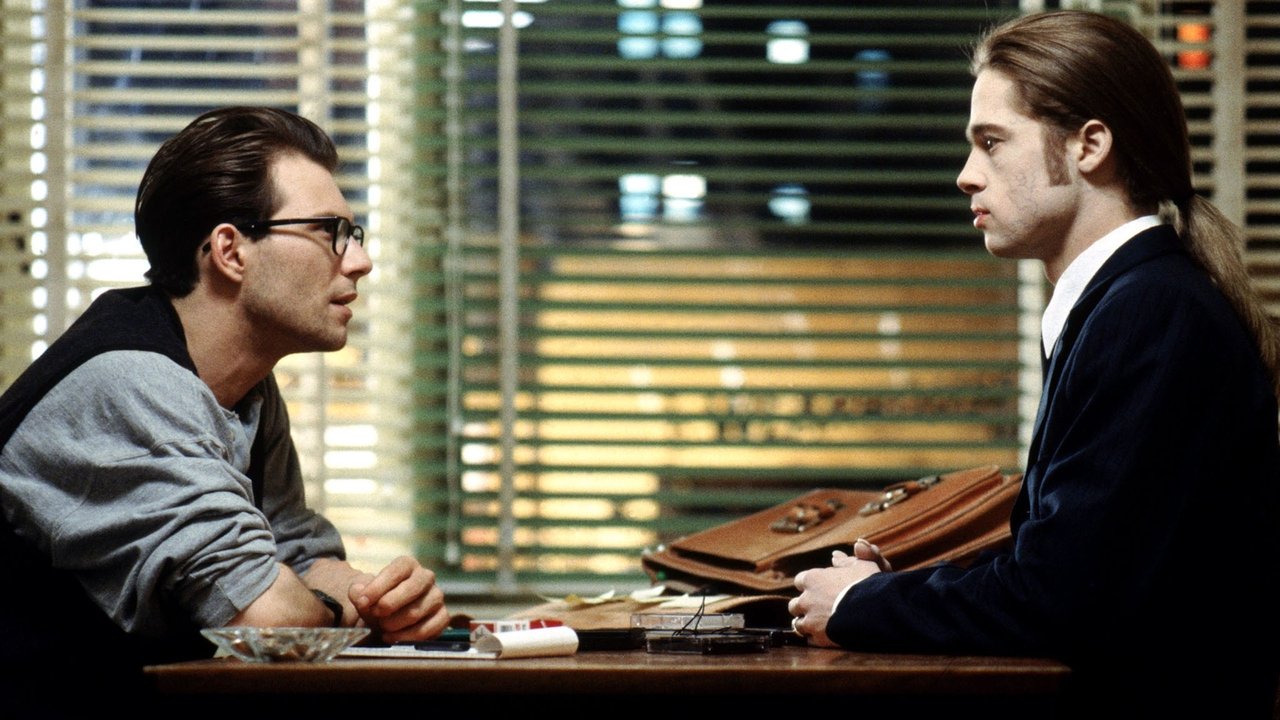
Neil Jordan, fresh off the critical success of The Crying Game (1992), brought an art-house sensibility to what could have been a standard horror flick. He leans into the atmosphere, letting scenes breathe, focusing on the textures of velvet, decaying lace, and spilled blood. The practical makeup effects, particularly the subtle veining under the skin as the vampires feed, felt disturbingly real on those fuzzy CRT screens. Coupled with Elliot Goldenthal's haunting, operatic score, the film achieves a sustained mood of luxurious decay. One fascinating detail often overlooked is the tragic context surrounding the role of the interviewer, Daniel Molloy. Originally cast with River Phoenix, the part went to Christian Slater following Phoenix's untimely death just weeks before filming began. Slater reportedly donated his entire salary for the film to Phoenix's favourite charities – a poignant footnote to the production's story.
The film wasn't cheap, clocking in at a $60 million budget (around $125 million today), a significant sum for a gothic horror film in 1994. But it paid off, grossing over $223 million worldwide and proving that audiences had an appetite for vampires who grappled with philosophy as much as they did with feeding. It tapped into something – a yearning for romance mixed with darkness, a fascination with the tragic anti-hero that felt very specific to the 90s.
### Lasting Bite
Interview with the Vampire stands as a high watermark for gothic horror cinema. It treated its source material with respect, wasn't afraid to be literary and character-driven, and delivered visuals that were both ravishing and disturbing. While the pacing might feel deliberate to modern audiences accustomed to quicker cuts, its power lies in that immersion, that slow descent into Louis' beautifully cursed world. It captured the specific blend of sensuality and monstrosity that made Rice's vampires so compelling. Did it perfectly capture the book? Perhaps not for every purist, but as a cinematic translation, it remains potent and visually unforgettable. Renting this tape felt like an event, a promise of something dark, adult, and intoxicatingly different.
Rating: 9/10
Justification: The film earns this high score for its stunning production design and cinematography, Neil Jordan's masterful direction creating an unparalleled gothic atmosphere, Tom Cruise's iconic (and initially controversial) performance as Lestat, Kirsten Dunst's breakout chilling role, and its largely faithful, emotionally resonant adaptation of a beloved novel. While Brad Pitt's portrayal is fittingly melancholic, it occasionally borders on monotonous for some. However, the film's overall artistic achievement and lasting cultural impact within the genre are undeniable.
Final Thought: Decades later, the chill of Interview with the Vampire isn't just nostalgia; it's the lingering echo of beautiful monsters contemplating eternity in the flickering gaslight, a reminder that sometimes the most profound horror lies not in death, but in endless life.