It arrives not with the thunderous divinity of distant epics, but with the quiet vulnerability of a man wrestling with an impossible destiny. What resonates most deeply long after the final frame of the 1999 miniseries Jesus isn’t necessarily the spectacle, though it possessed a scale impressive for television at the time, but the deliberate, often affecting effort to portray its central figure as profoundly human. This wasn't just another retelling; it felt like an attempt to understand the man from Nazareth, not just the icon etched in stone and scripture.
### A Familiar Story, A Different Gaze
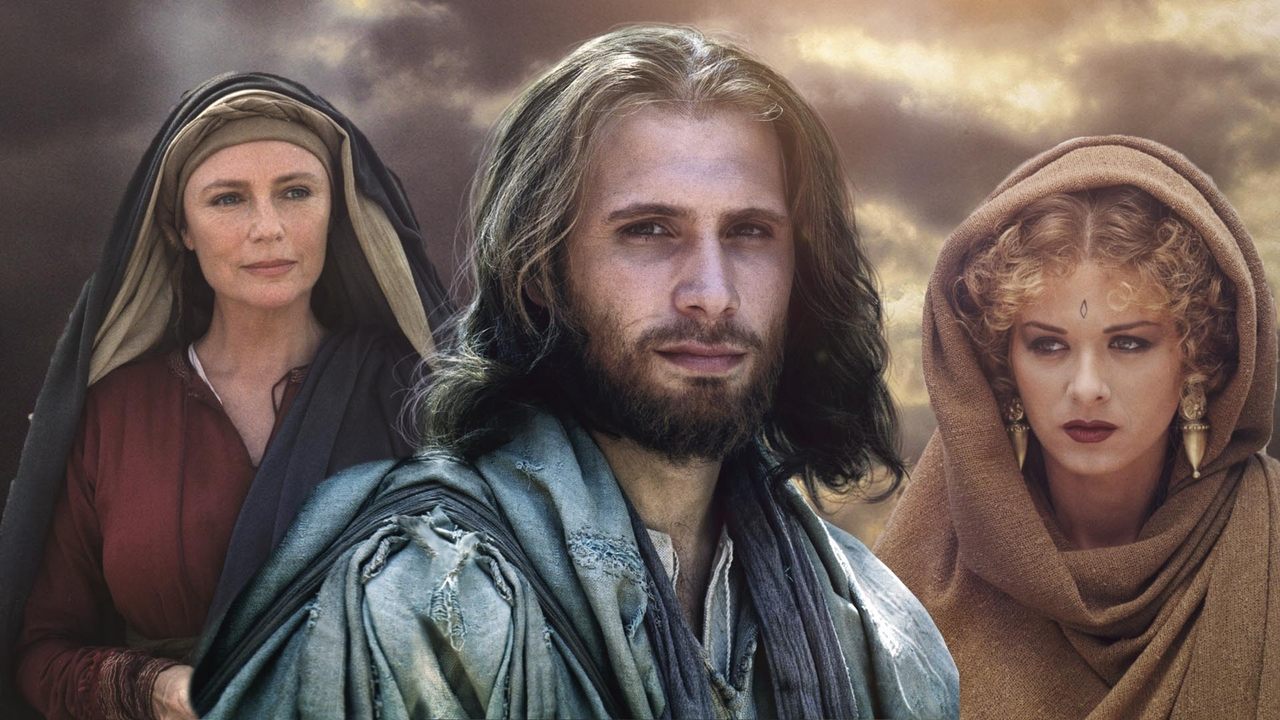
Directed by Roger Young, a steady hand known for navigating large-scale television dramas like Joseph (1995) and Moses (1995), this ambitious production aimed for something distinct. Penned by Suzette Couture, the script dares to explore Jesus's internal life – his joys, his doubts, his relationships – with a focus that felt fresh, particularly for a mainstream audience perhaps more accustomed to the serene, almost detached portrayal cemented by earlier screen adaptations. We see his connection with his mother Mary (played with warmth by Jacqueline Bisset) and his earthly father Joseph (Armin Mueller-Stahl lending his customary gravitas). This focus on the familial, the relational, grounds the extraordinary story in something deeply relatable.
I recall watching this when it first aired, likely spread over two nights on CBS, a genuine television event back when such things felt more communal. The anticipation was palpable. How would this version stack up? Could anyone truly follow in the footsteps of Robert Powell from Zeffirelli's landmark Jesus of Nazareth (1977)? The answer, perhaps wisely, was that this production wasn't trying to replicate that monumental series, but rather offer a different perspective.
### The Face of a More Approachable Christ
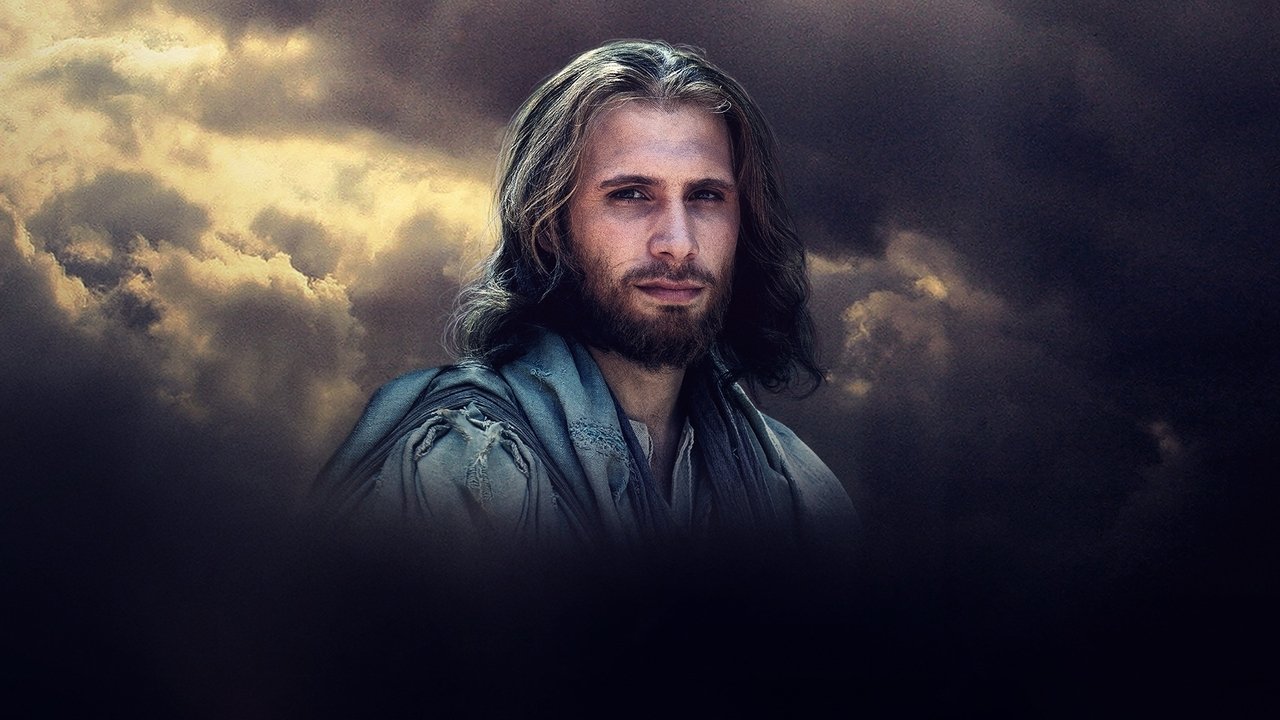
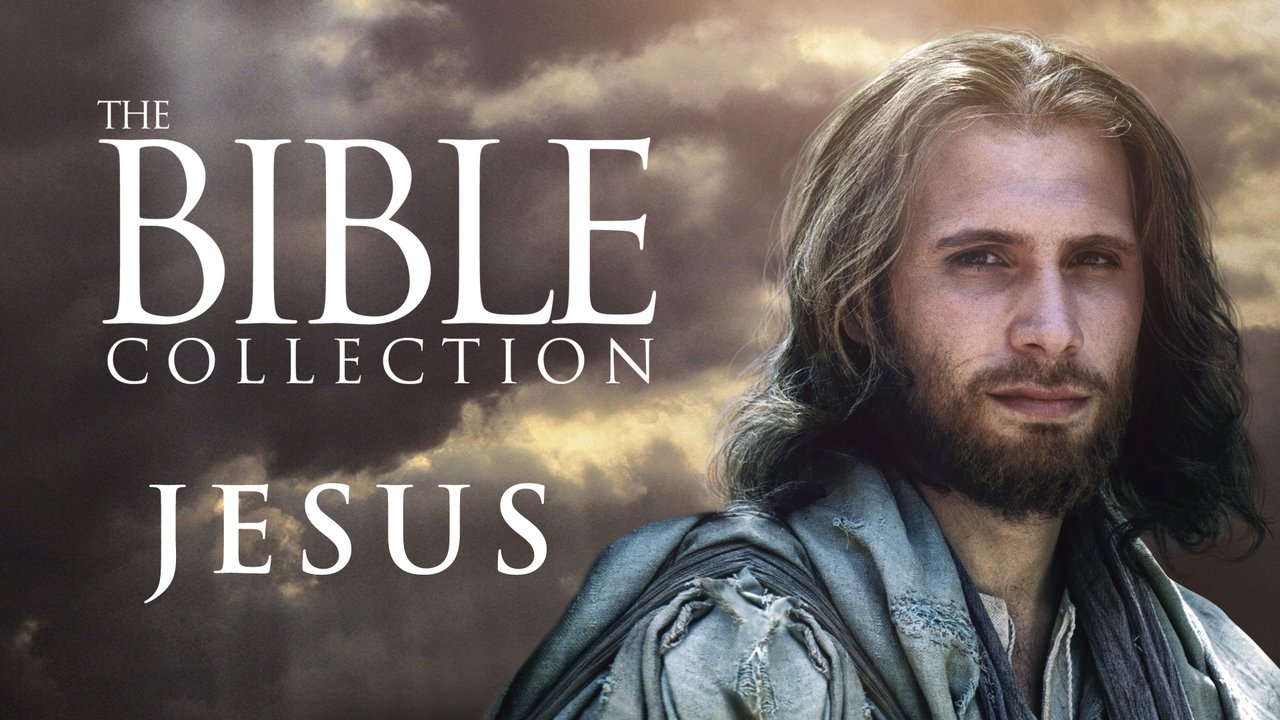
Casting Jeremy Sisto in the title role was a key part of this approach. Younger, less classically imposing than some predecessors, Sisto brought an earnestness and accessibility to Jesus. His portrayal emphasizes the teacher, the friend, the son, sometimes seemingly overwhelmed by the weight of his calling. There are moments of quiet power, certainly, but also flashes of uncertainty and deep compassion that feel authentic. It wasn't a performance designed to immediately inspire awe, but rather empathy, a connection built on shared humanity. This choice was reportedly deliberate; the producers sought an actor who could convey approachability, someone audiences could imagine speaking with, rather than a figure kept at a divine distance. Sisto himself spoke about the immense pressure and the research undertaken, including studying historical context and various theological interpretations, to shape his portrayal.
Alongside him, the supporting cast brought considerable weight. Debra Messing, then riding high on the success of Will & Grace, took on the complex role of Mary Magdalene. The series presented her not merely as the repentant sinner, but as an intelligent, devoted follower, a confidante wrestling with her own understanding of Jesus' mission. It was a performance that showcased Messing’s dramatic range beyond the sitcom persona many knew her for. And then there's Gary Oldman. His Pontius Pilate is a masterclass in weary pragmatism and political maneuvering. Oldman doesn't play him as a mustache-twirling villain, but as a Roman governor trapped by circumstance, duty, and a profound inability to grasp the significance of the man standing before him. His scenes crackle with tension and provide some of the miniseries' most memorable moments.
### Scale and Scope on the Small Screen
Filmed across the striking landscapes of Morocco and Malta – locations that lend an undeniable authenticity to the biblical setting – Jesus boasted production values that were truly impressive for a television movie budgeted around $20 million (a significant sum for TV back then, roughly equivalent to over $36 million today). The costumes felt lived-in, the sets expansive, and the crowd scenes managed to convey a sense of scale without feeling overwhelming. Roger Young’s direction is assured, keeping the narrative moving across its considerable runtime (often aired in two parts, totaling around four hours). The score by Patrick Williams effectively underscores the emotional beats without becoming intrusive.
One fascinating production tidbit involved the sheer logistics of managing large casts and crews in remote locations, often coordinating extras who spoke multiple languages. It required meticulous planning, reminiscent of old Hollywood epics but achieved on a (comparatively) tighter television schedule and budget. There were also debates during production, as there often are with biblical subjects, about the interpretation of certain events and dialogue, striving for a balance between scriptural accounts and dramatic necessity.
### Lingering Questions
Does Jesus (1999) entirely succeed? As with any depiction of such a monumental figure, it invites debate. Some may find Sisto's portrayal occasionally lacking the gravitas they expect, while others will appreciate its very human focus. The pacing, typical of miniseries designed for commercial breaks, can sometimes feel uneven. Yet, its strengths are considerable: the commitment to exploring Jesus's emotional landscape, the high production quality for its time, and standout performances, particularly from Oldman and Mueller-Stahl.
What lingers, perhaps, is the series' core question: how do we reconcile the divine with the everyday struggles of being human? By choosing to emphasize the latter, Jesus offers a portrait that, for many viewers tuning in back in '99, felt immediate and deeply resonant. It wasn’t just a story from millennia ago; it was framed as a journey of faith, doubt, love, and sacrifice that speaks to timeless human experiences. It reminds us that even figures of immense historical and spiritual significance walked the earth, felt the sun, and faced choices that echo through our own lives.

Rating: 7/10
Justification: While perhaps not reaching the iconic status of Zeffirelli's masterpiece, Jesus (1999) stands as a thoughtful, well-crafted, and impressively produced television event. Its strength lies in its humanizing portrayal of Jesus, bolstered by strong supporting performances (especially Oldman) and high production values for its era. It successfully offers a different, more accessible lens on a familiar story, even if the central performance might not resonate universally and the miniseries format leads to occasional pacing lulls.
Final Thought: More than just another biblical epic, this late-90s Jesus remains memorable for its earnest attempt to bridge the divine and the relatable, leaving viewers to ponder the profound weight carried by the man from Galilee.