Okay, fellow travelers of the magnetic tape, let’s dim the lights, maybe check under the furniture just in case, and rewind to a time when the Disney Channel decided to give its audience something a little… different. We’re talking about 1999’s Don't Look Under the Bed, a film that landed in the Disney Channel Original Movie (DCOM) lineup like a mischievous gremlin crashing a slumber party. It promised spooky fun but delivered moments that genuinely burrowed under the skin, leaving a surprising chill that lingered long after the credits rolled.
### Not Your Average DCOM
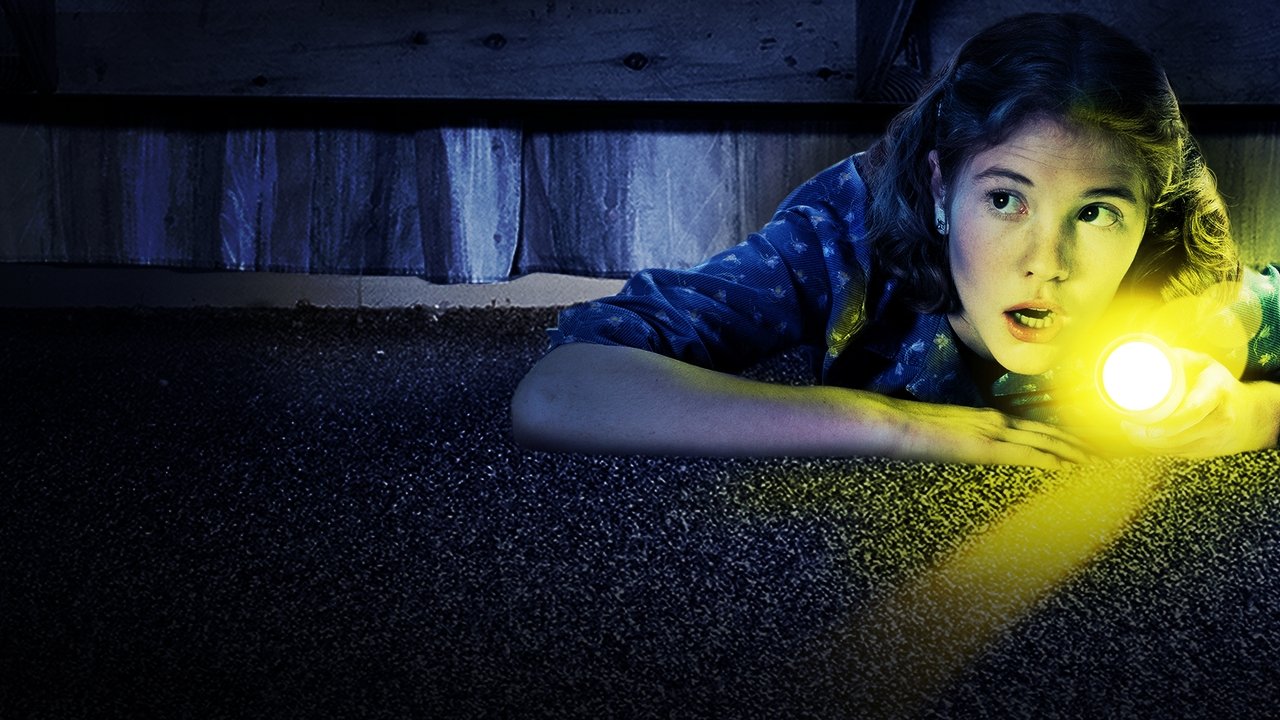
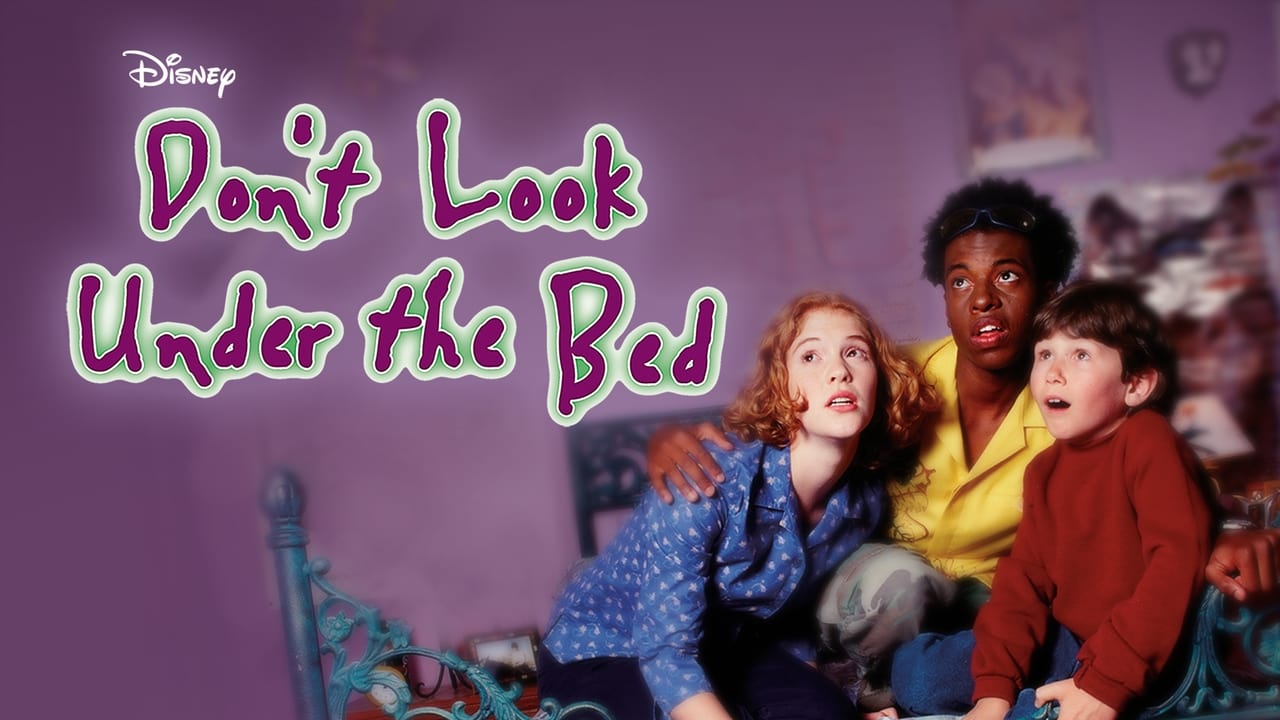
Remember settling in for a Friday night DCOM premiere? Usually, you knew what to expect: relatable teen drama, maybe some light fantasy or sci-fi hijinks, a catchy pop song or two. Then came Don't Look Under the Bed. It starts familiarly enough in the idyllic town of Middleberg, where logical, science-minded teenager Frances McCausland (Erin Chambers) finds her perfectly ordered world thrown into chaos. Alarm clocks go off hours early, dogs appear on rooftops, gelatin fills the school swimming pool – harmless pranks, perhaps? But soon, things escalate, becoming decidedly more sinister, and all evidence points squarely at Frances. It captured that specific anxiety of being blamed for things spiraling wildly out of control, a feeling many of us likely remember from our own awkward teen years.
### Enter the Imaginary (?) Friend
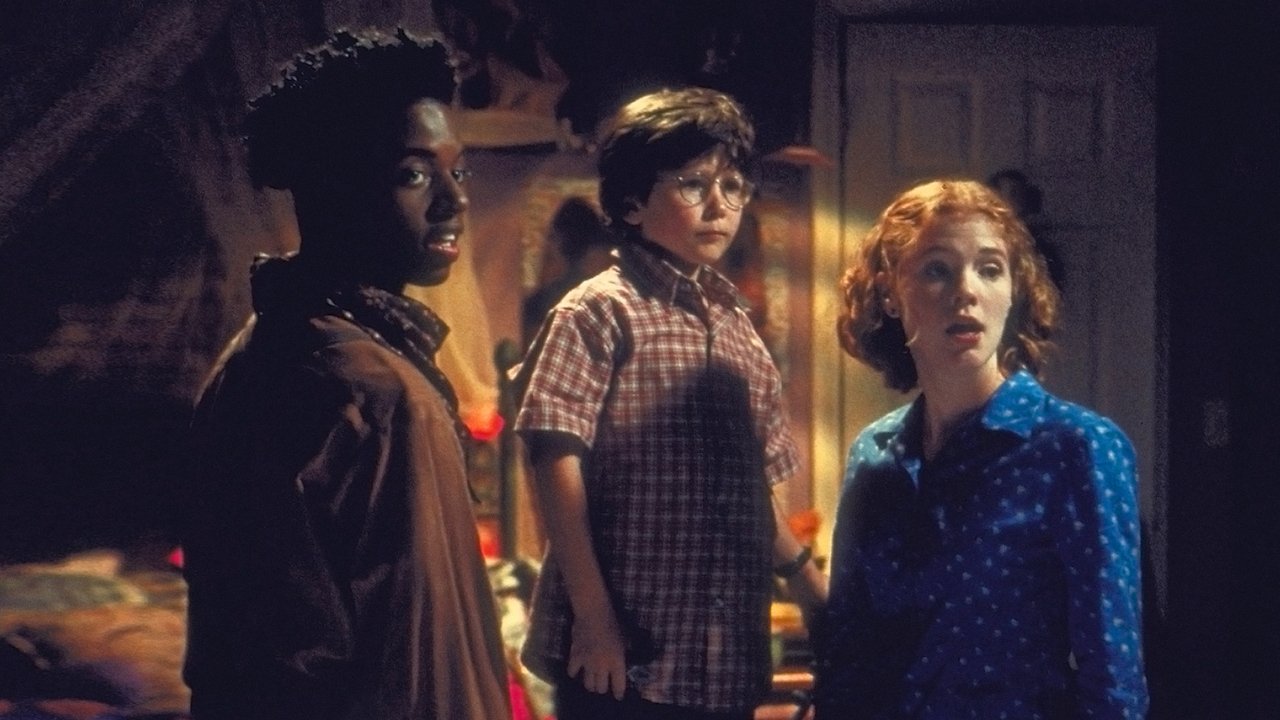
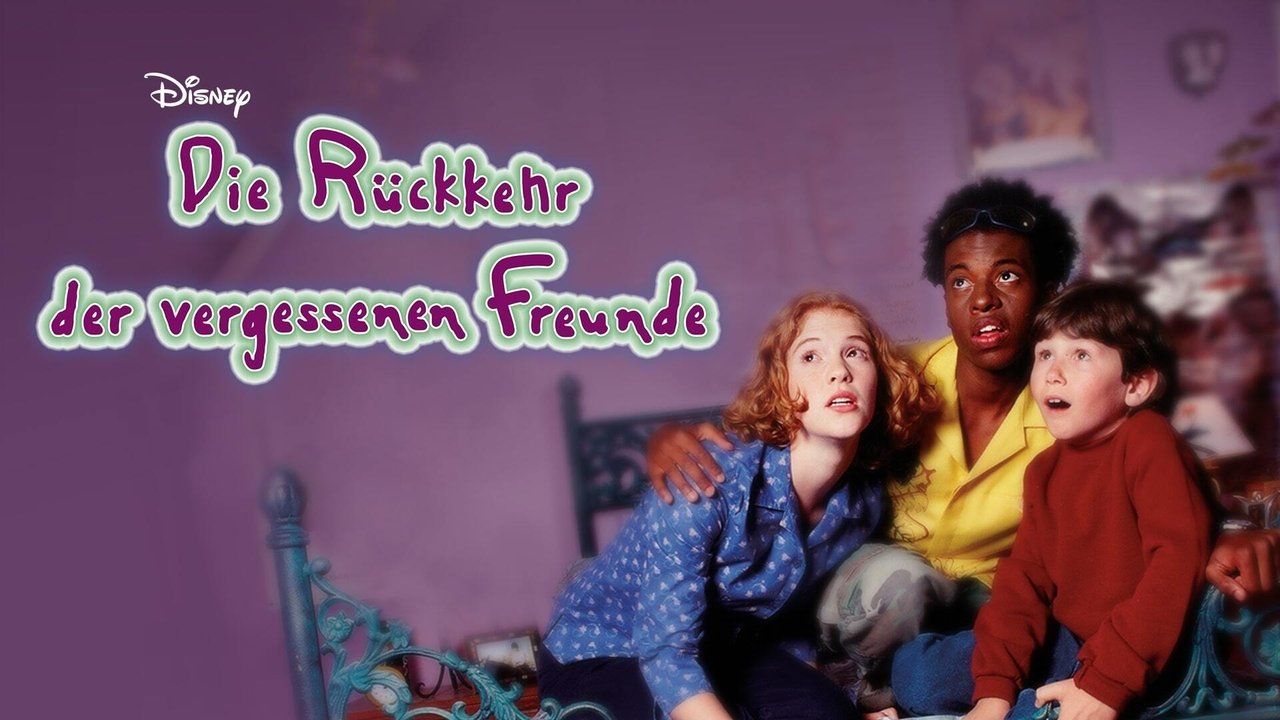
The only one who seems to understand, or at least believe Frances isn't losing her mind, is Larry Houdini (Eric "Ty" Hodges II), a brightly dressed, slightly goofy young man nobody else can see. Larry, it turns out, is an imaginary friend – or rather, was the imaginary friend of Frances's younger brother, Darwin (Jake Epstein). Hodges II brings an infectious, slightly manic energy to Larry, the perfect counterpoint to Chambers’ increasingly desperate pragmatism. Their dynamic forms the heart of the film, a reluctant alliance against a creeping darkness. The concept itself – that forgotten imaginary friends can curdle into malevolent Boogeymen – was a surprisingly poignant and creepy idea for a kids' movie, tapping into the bittersweet melancholy of outgrowing childhood beliefs.
### That Boogeyman Though...
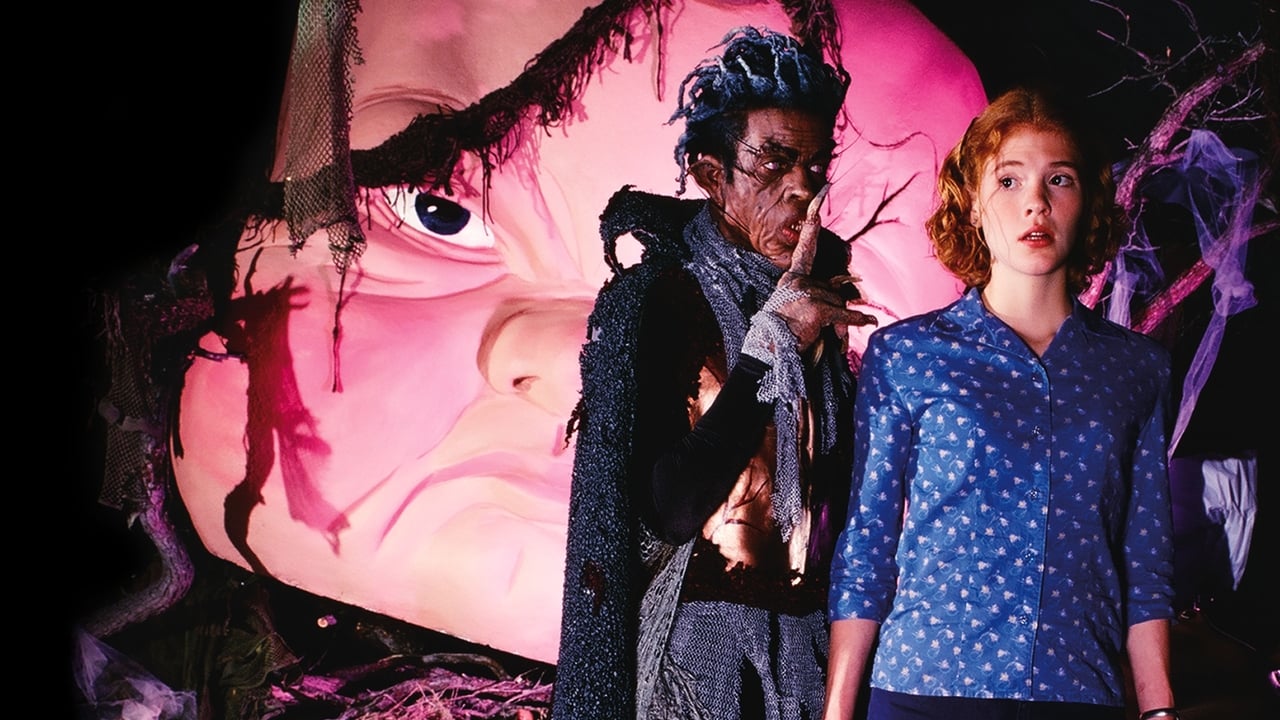
Let's be honest, the real reason Don't Look Under the Bed etched itself into the memory banks of a generation was the Boogeyman. This wasn't some cartoonish ghoul; the creature design here was genuinely unnerving, especially for younger viewers tuning into what they thought was standard Disney fare. Long, spindly fingers, glowing eyes, a distorted face hiding in shadows – it felt legitimately threatening. It’s perhaps less surprising when you learn the film was directed by Kenneth Johnson, the creative mind behind darker, more adult genre television like the original V miniseries and The Incredible Hulk TV show. He brought a level of atmospheric tension and creature-feature competence rarely seen in DCOMs. The script, penned by Mark Edward Edens (who ironically wrote for many Saturday morning cartoons like X-Men and Teenage Mutant Ninja Turtles), also didn't shy away from exploring slightly more complex themes of fear, change, and confronting the 'monsters' we create.
### Retro Fun Facts: When Disney Got Dark(ish)
The production lore surrounding Don't Look Under the Bed is almost as intriguing as the film itself. Rumors have persisted for years that it was deemed too scary by parents, leading Disney to quietly pull it from frequent rotation – a stark contrast to perpetually rerunning DCOM hits. Whether entirely true or not, the legend feeds into its cult status among those who remember being properly spooked by it. Adding to the creature's effectiveness, the Boogeyman effects weren't just CGI guesswork; they involved impressive practical work from Alterian, Inc., the same studio that contributed to gnarly visuals in films like Army of Darkness (1992) and the Child's Play series! Knowing that the creator of the decidedly adult sci-fi thriller V was calling the shots, and that effects wizards known for R-rated horror were crafting the monster, suddenly makes the film's unsettling vibe make a lot more sense. It was a unique convergence of talent for a made-for-TV family movie.
### Growing Pains and Shadowy Realms
Beneath the spooky happenings, the film touches on the anxieties of adolescence – Frances is dealing with her family's potential move and the pressures of growing up, while her brother is navigating illness and the fading magic of childhood. The Boogeyman becomes a manifestation of these fears, a literal monster born from negative emotions and neglect. While it operates within the relatively safe confines of a Disney movie (don't expect gore or existential dread), the themes are surprisingly resonant. Erin Chambers carries the film admirably as Frances, grounding the fantastical elements with a relatable portrayal of a logical person forced to accept the illogical. The journey into the Boogeyman's shadowy 'under-the-bed' dimension is also visually distinct, a darker, distorted reflection of the real world that showcased some creative, albeit budget-conscious, production design.
### A DCOM Anomaly Worth Revisiting
Don't Look Under the Bed occupies a curious and memorable space in the vast DCOM library. It dared to be genuinely scary, pushing the boundaries of what was typical for the platform at the time. While some effects or plot points might seem a bit dated now, the core concept remains compelling, and the Boogeyman design holds up surprisingly well, thanks to that expert practical touch. It taps into universal childhood fears with unusual sincerity for its format.
Rating: 7/10
This score reflects its status as a standout DCOM that genuinely delivered on atmosphere and memorable scares within its family-friendly constraints. It’s surprisingly effective thanks to Kenneth Johnson's direction and solid practical effects work, even if the plot follows some familiar beats. It loses points for some typical TV-movie pacing and dialogue moments, but gains them back for sheer audacity and lasting nostalgic impact – it really felt like something special and slightly forbidden back in '99.
For those seeking a hit of late-90s nostalgia with an unexpected edge, Don't Look Under the Bed is a trip worth taking. Just maybe leave a nightlight on afterwards, you know, for old times' sake.