"Look closer... you may never know who the woman sitting next to you might really be." That chilling kernel, delivered with grandmotherly certainty by the wonderful Mai Zetterling as Helga, plants a seed of dread early in Nicolas Roeg's 1990 adaptation of Roald Dahl's The Witches, and it blossoms into something genuinely unsettling. Forget the saccharine sweetness often ladled onto children's tales; this film, viewed through the grainy magic of a well-worn VHS tape, feels like a forbidden secret, a glimpse into a world where pure, unadulterated malice hides behind polite smiles and sensible shoes.
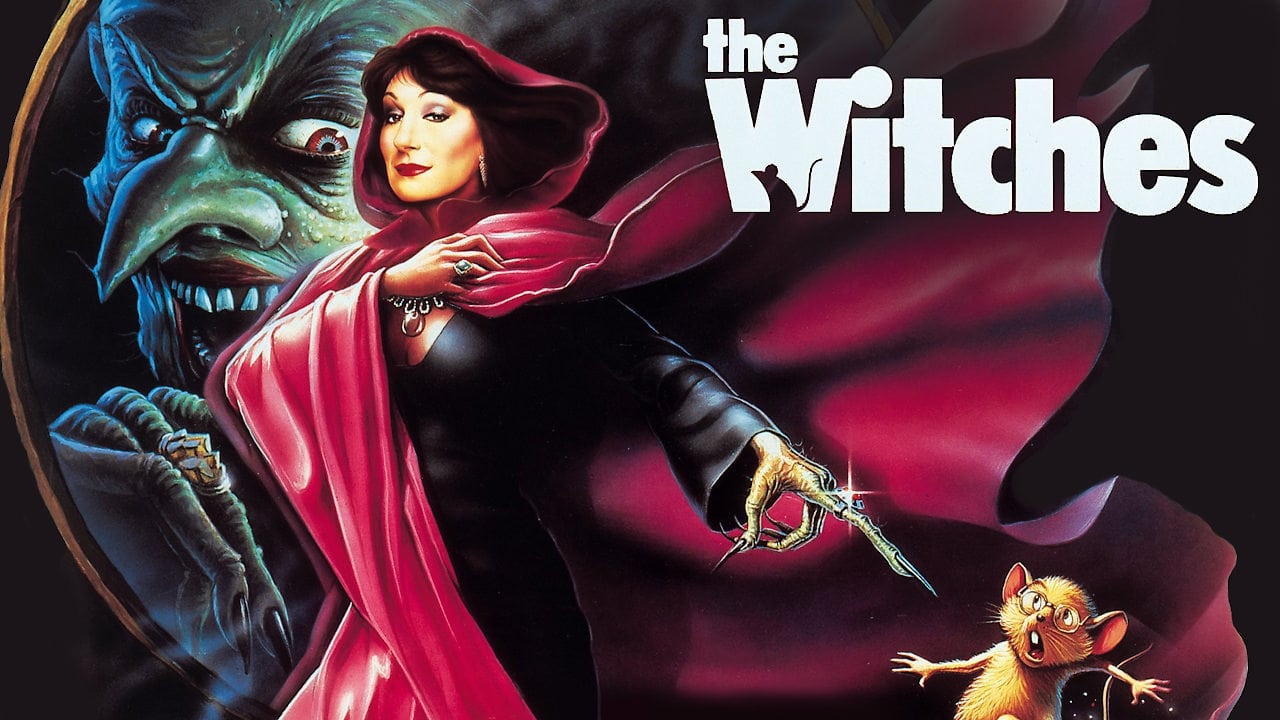
Roeg, a director never shy of darkness (think Don't Look Now), brought an unexpected, almost arthouse sensibility to this ostensibly family-friendly material. The result is a film steeped in a peculiar, pervasive unease. It doesn't just rely on jump scares; it cultivates a creeping fear born from the mundane twisted into the monstrous. The very idea of ordinary-looking women harbouring a genocidal hatred for children, meeting in a blandly luxurious seaside hotel for their annual convention, is profoundly disturbing in its plausibility. I distinctly remember renting this from the local video store, drawn by the promise of Henson creatures, and being utterly unprepared for the sophisticated chill it delivered.
Beneath the Skin
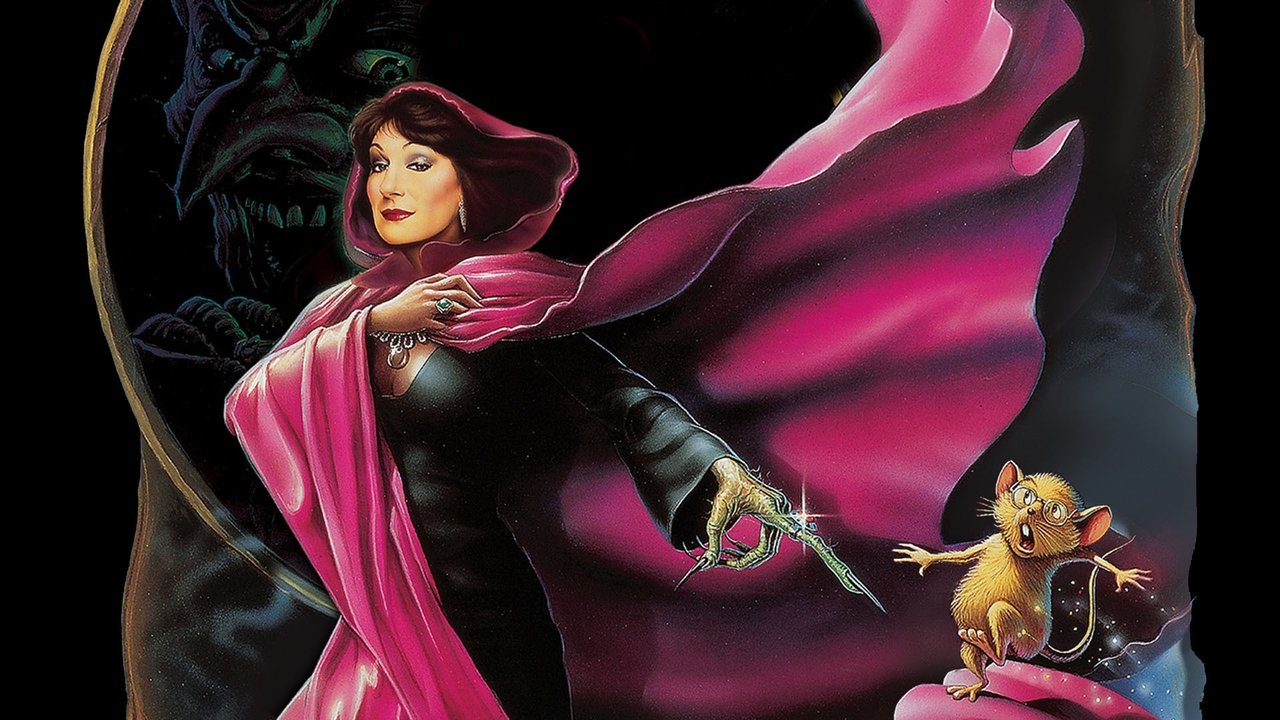
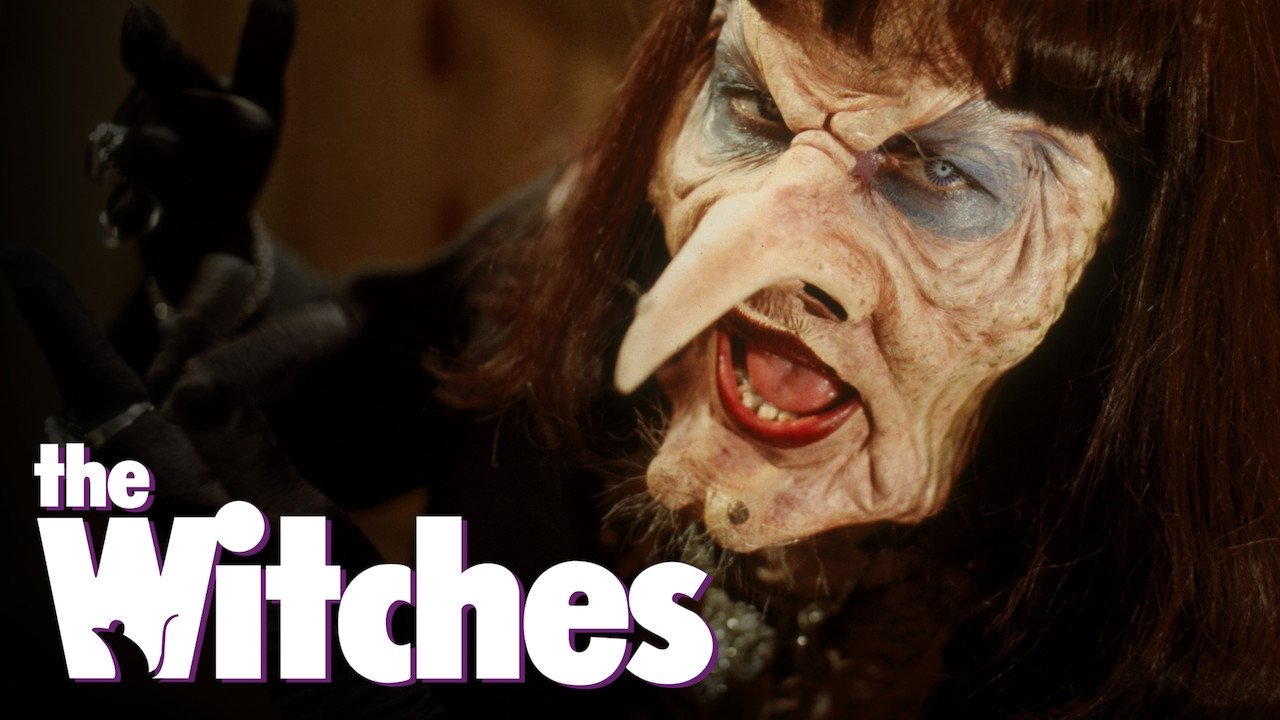
At the dark heart of the film is, of course, Anjelica Huston's unforgettable turn as the Grand High Witch, Eva Ernst. Regal, charismatic, and radiating pure evil, Huston crafts a villain for the ages. Her transformation scene, where she peels back her human disguise to reveal the grotesque creature beneath, is a masterclass in practical effects and performance. It’s etched into the minds of anyone who saw it young. The sheer dedication involved is staggering; Huston reportedly endured 5-8 hours of makeup application, including uncomfortable contact lenses and prosthetics, yet never lets the latex mask obscure the sheer contempt flashing in her eyes. It's a performance that's simultaneously campy and terrifying, a balancing act few could achieve. Her delivery of lines like "You may remove your shoes!" is pure, delicious menace.
Henson's Final Magic
The film stands as the final cinematic project overseen by the legendary Jim Henson before his untimely passing. His Creature Shop provides the tangible magic that grounds the fantasy. The transformation effects, particularly when children are turned into mice, possess a grotesque physicality that CGI often lacks. The mice themselves, expressive puppets navigating oversized human environments, are imbued with personality and vulnerability, making their plight genuinely tense. Watching young Luke Eveshim (Jasen Fisher) navigate the hotel's corridors and dining rooms as a tiny rodent generates real suspense. Henson’s team truly pushed the boundaries of puppetry here, creating moments – like the witches stomping after the mice – that felt alarmingly real on those old CRT screens. Doesn't that practical ingenuity still feel impressive?
Dahl's Bite, Roeg's Shadow
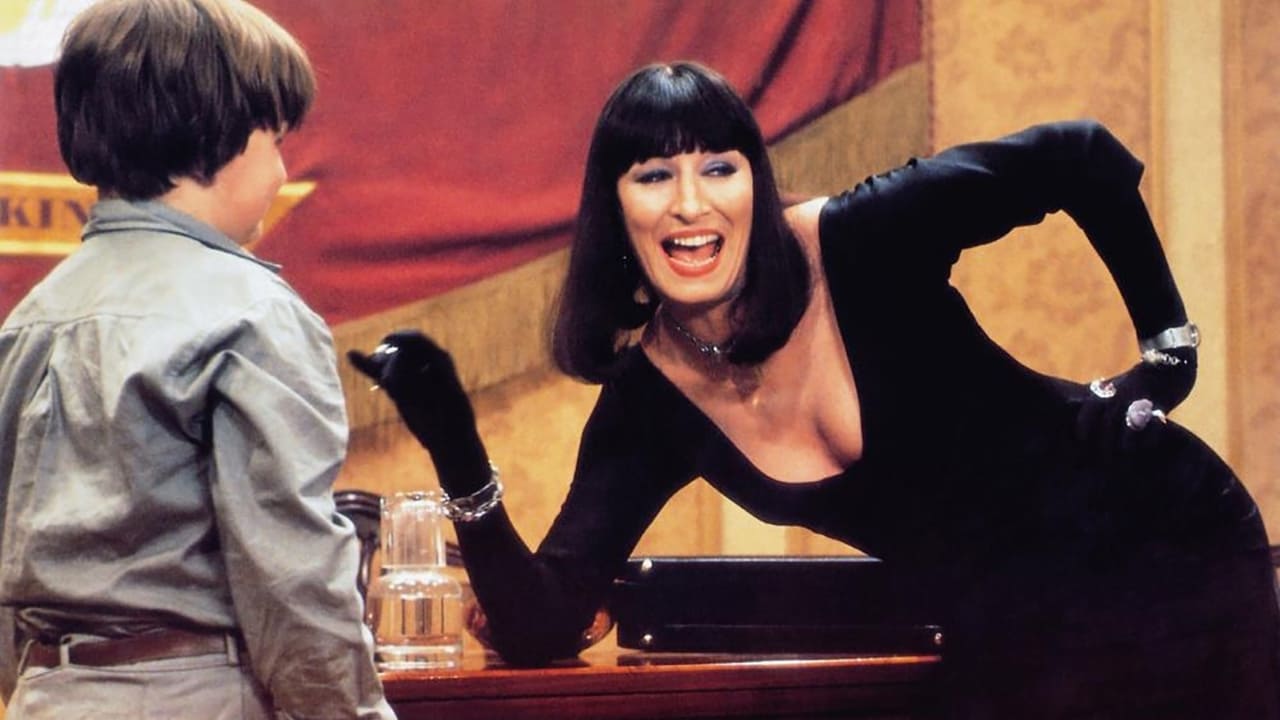

Roald Dahl famously detested the film's altered ending, which deviates significantly from his book's much bleaker conclusion. (Spoiler Alert!) Where Dahl leaves Luke permanently a mouse, content but forever changed, the film opts for a more conventionally happy Hollywood ending where a reformed witch (Jane Horrocks) restores him to human form. While Dahl's fury is understandable – his original ending is arguably more thematically potent – the film still retains much of the source material's inherent darkness and subversive spirit. Roeg's direction ensures this; the framing, the slightly off-kilter pacing, the lingering shots on unsettling details – it all contributes to an atmosphere far removed from typical family fare. The film walks a tightrope, capturing Dahl's unique blend of whimsical fantasy and surprisingly grim horror, even if it ultimately pulls back from the book’s final, devastating punch. The production itself wasn't without its challenges, shot primarily at the imposing Headland Hotel in Newquay, Cornwall, its Victorian grandeur lending itself perfectly to the film's atmosphere. Despite its pedigree, the film surprisingly underperformed at the US box office upon release, pulling in around $10.4 million against an $11 million budget, only later finding its devoted audience on home video.
A Darkly Enduring Spell
The Witches remains a standout piece of dark fantasy from the era. It’s genuinely scary in ways many contemporary children's films wouldn't dare attempt, tackling themes of loss, difference, and hidden evil with surprising maturity. Huston's iconic performance, Henson's creature work, and Roeg's atmospheric direction combine to create something truly unique – a children's film filtered through the lens of a sophisticated horror sensibility. It sparked minor controversy at the time for being too intense for younger viewers, a testament to its effectiveness.
Rating: 9/10
This rating reflects the film's exceptional craft, Huston's towering performance, Henson's brilliant effects work, and its sheer audacity in bringing such dark material to the screen. It might soften Dahl's ending, but it retains his spirit and adds Roeg's unique visual dread. For many who grew up in the VHS era, The Witches wasn't just a movie; it was a formative cinematic experience, a deliciously terrifying introduction to the idea that monsters might look just like everybody else. It’s a dark gem that still casts a potent spell.