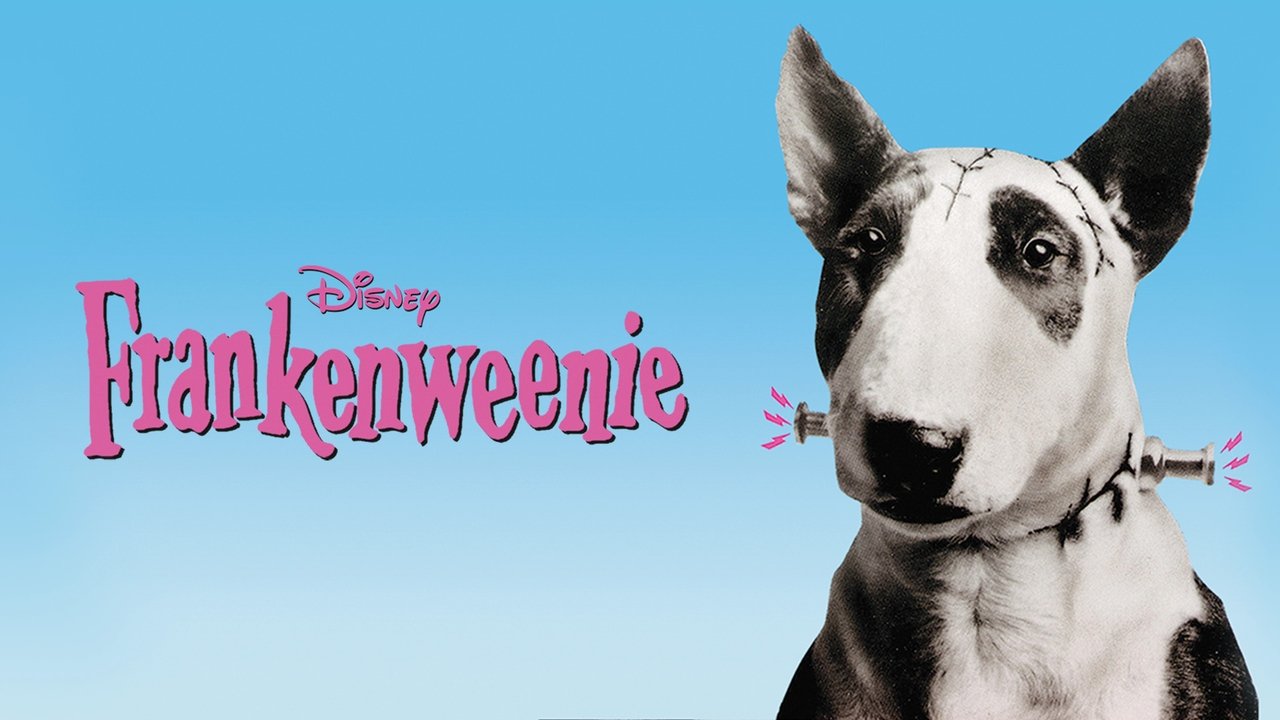
It's hard to imagine now, given his status as a gothic fantasist extraordinaire, but there was a time when Tim Burton was toiling away within the cheerful confines of Walt Disney Productions. And it was there, amidst the bright colours and talking animals, that a strange little seed of suburban macabre took root, resulting in a film so uniquely Burton that it famously contributed to his departure from the House of Mouse. We're talking, of course, about the original 1984 live-action short, Frankenweenie.
### A Different Kind of Disney Magic
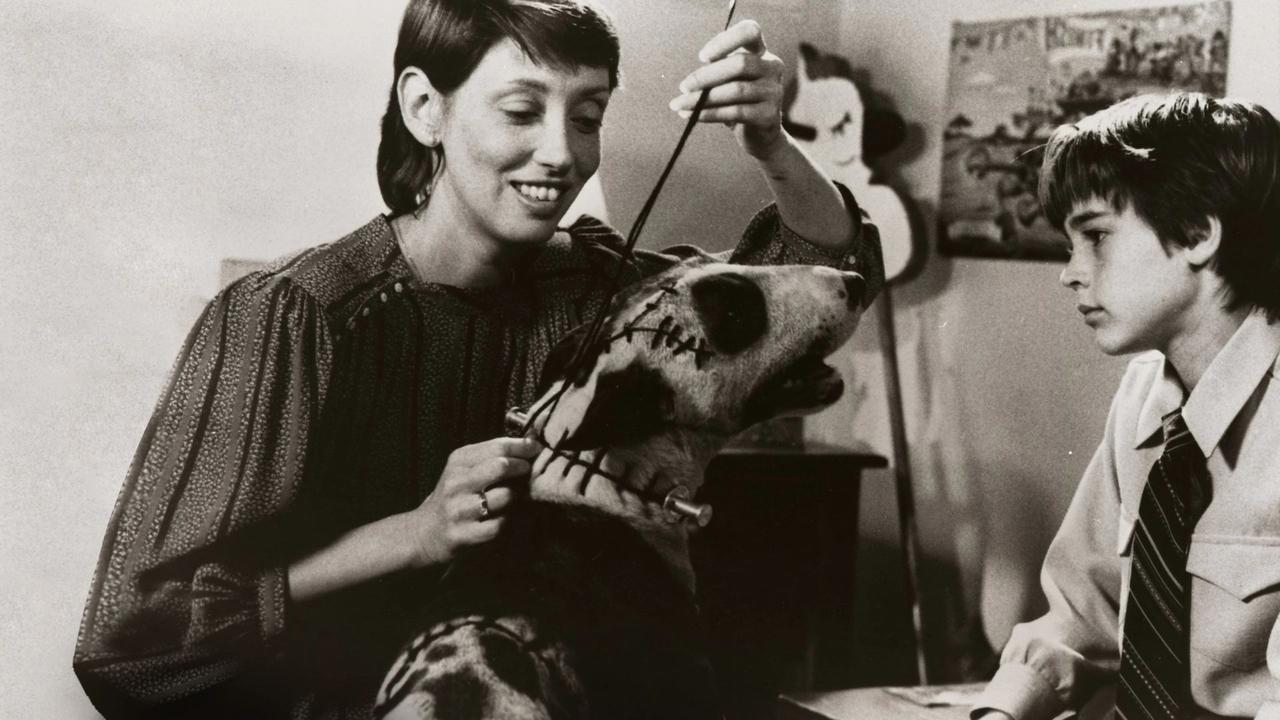
Forget the sweeping fairy tales for a moment. Frankenweenie transports us to a familiar yet slightly skewed vision of American suburbia, rendered in crisp black and white – a bold choice even then, especially for a Disney-funded project. It tells the simple, heartfelt story of young Victor Frankenstein (Barret Oliver, who many will instantly recognise from the same year's The NeverEnding Story), a budding filmmaker and science whiz whose beloved bull terrier, Sparky, meets an untimely end. Devastated, Victor takes inspiration from his science class's demonstration of electricity's effect on muscle tissue and decides to bring his best friend back from the dead. What follows is a charming, slightly spooky, and surprisingly tender homage to the classic Universal monster movies, particularly James Whale's 1931 Frankenstein.
The film, written by Lenny Ripps based on Burton's original treatment and story, captures that specific childhood intensity of loving a pet. Oliver plays Victor with a wonderful earnestness, his grief palpable and his determination oddly heroic. We completely buy into his desperate, slightly mad plan because his love for Sparky feels so real. Playing his supportive, slightly bewildered parents are Shelley Duvall (bringing a gentle quirkiness honed in films like Popeye (1980) and, more intensely, The Shining (1980)) and Daniel Stern (just before he became a household name as one of the Wet Bandits in Home Alone (1990)), who ground the fantastical elements with relatable parental concern.
### Birth of the Burtonesque
Watching Frankenweenie today is like looking at the preliminary sketches for a masterpiece. All the hallmarks of Burton's signature style are present in nascent form: the sympathy for the 'monster', the celebration of the eccentric outsider, the slightly twisted take on suburban conformity, and that unmistakable visual flair. The black and white cinematography isn't just a gimmick; it evokes the classic horror films Burton clearly adores and lends the everyday settings a wonderfully gothic atmosphere. The production design, though constrained by a relatively modest budget (reportedly around $1 million), is full of clever touches, from Victor's attic laboratory filled with Rube Goldberg-esque contraptions to the instantly iconic look of the reanimated Sparky, stitched together and sporting neck bolts.
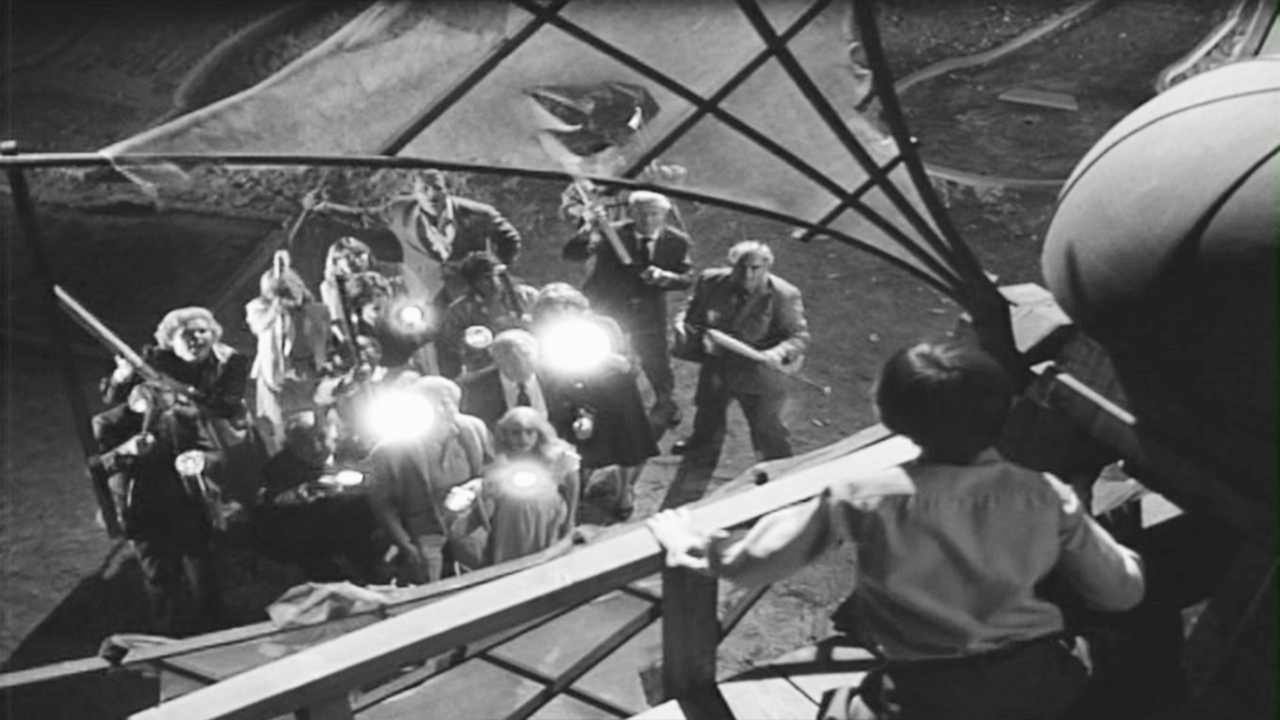
The practical effects, particularly Sparky's reanimation and subsequent 'monstrous' moments, have that wonderful, tangible quality so characteristic of the era. You can almost feel the crackle of the miniature Jacob's ladder and smell the ozone. It's a world away from slick CGI, possessing a handmade charm that feels perfectly suited to the story's innocent heart. The climactic scene at the miniature golf course, with its windmill obstacle becoming a stand-in for the iconic burning windmill from Frankenstein, is pure Burton genius – simultaneously funny, thrilling, and touchingly absurd.
### Retro Fun Facts: Too Weird for Disney?
The story behind Frankenweenie's creation is almost as fascinating as the film itself. Burton, then working as an animator and concept artist at Disney on films like The Fox and the Hound (1981) and The Black Cauldron (1985), poured his own childhood memories and love for monster movies into this personal project. He reportedly based Sparky on his own dearly departed childhood dog. However, upon completion, Disney executives were reportedly spooked. They felt the film, despite its underlying sweetness, was too dark and frightening for the young audiences they primarily targeted.
This creative clash, coupled with the perceived expense of the short, led to Burton being let go from Disney in 1984. It's a classic Hollywood irony: the very project that got him fired showcased the unique vision that would soon make him one of the industry's most sought-after directors with hits like Pee-wee's Big Adventure (1985) and Beetlejuice (1988). Disney shelved Frankenweenie for years, though it did receive a limited theatrical release in the UK and, occasionally, stateside, often paired somewhat bizarrely with a re-release of Pinocchio. For many of us growing up, finding a copy on VHS felt like uncovering a secret treasure, a hidden gem from a director we were just starting to idolize. It eventually found a wider audience through home video releases and later, Disney+.
### A Short Film with a Long Leash
Despite its troubled beginnings and short runtime (around 30 minutes), Frankenweenie's influence lingered. It demonstrated Burton's ability to blend heartwarming sentiment with macabre visuals, a combination that would define much of his career. Its cult status grew over the years, fueled by fans sharing grainy VHS copies and celebrating its quirky charm. The story eventually came full circle when Burton, now a major cinematic force, returned to Disney to direct a feature-length, black-and-white, stop-motion animated version of Frankenweenie in 2012, finally realizing his original vision on a grander scale. While the feature is excellent in its own right, there's an undeniable magic to the 1984 original – a raw energy and heartfelt simplicity that’s utterly captivating.
Rating: 8/10
This rating reflects the film's sheer creativity, its surprising emotional depth packed into a short format, and its historical significance as a key stepping stone in Tim Burton's career. While its low budget and short length might leave you wanting more, what's there is pure, undiluted Burtonesque magic. It perfectly balances its homages to classic horror with a genuinely touching story about a boy and his dog, showcasing the director's unique voice even at this early stage. The fact that it felt 'dangerous' to Disney back then only adds to its enduring cult appeal.
For fans of Tim Burton, classic monster movies, or just uniquely charming 80s filmmaking, the original Frankenweenie is essential viewing – a delightful jolt of creative energy straight from the heart (and the electrodes). It's a reminder that sometimes, the strangest experiments yield the most wonderful results.