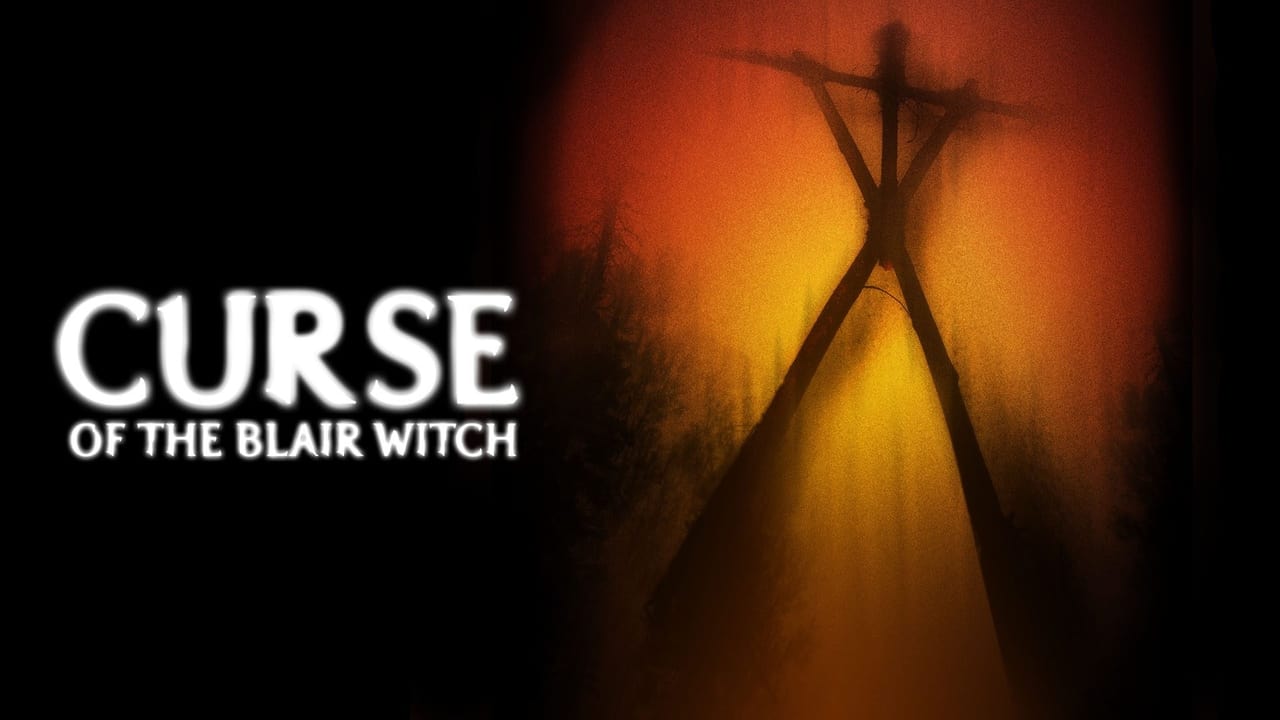
Curse of the Blair Witch
It wasn't the film itself, not yet. It was the whisper that came before it, flickering across the Sci-Fi Channel late one night in the summer of '99. A grainy, unsettling dispatch titled Curse of the Blair Witch. For many of us, this wasn't just a movie preview; it was the first chilling seed of doubt planted in our minds. Was this story… real? That unsettling ambiguity, the feeling that you were watching something forbidden, something tragically factual – that was the insidious magic of this precursor piece.
Forging the Folklore
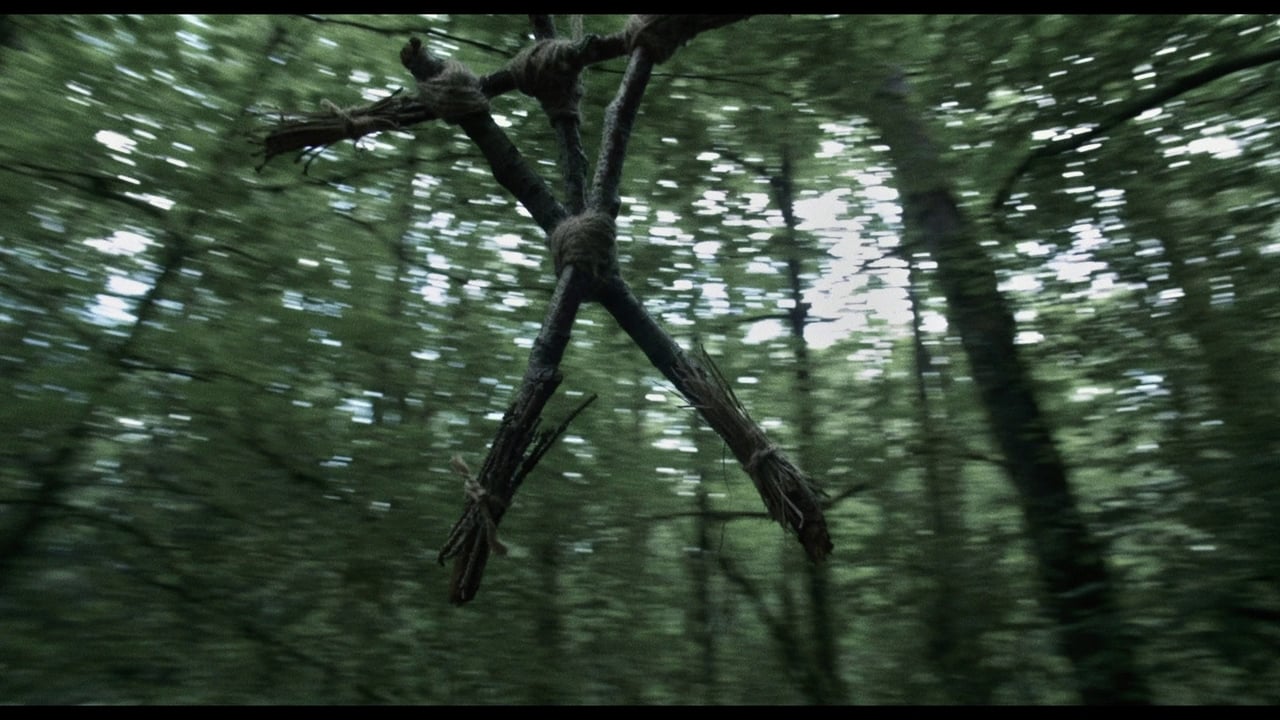
Directed by Kevin J. Foxe and born from the minds of The Blair Witch Project creators Daniel Myrick and Eduardo Sánchez, Curse wasn't designed as a standalone masterpiece. It was something far more cunning: a meticulously crafted piece of mythology, an extended prologue disguised as a sober television documentary. Airing strategically before the main feature film hit wide release, its purpose was clear – to lay the grim groundwork, to steep the audience in the bleak history of Burkittsville, Maryland (formerly Blair), and the spectral entity said to haunt its woods.
The special unfolds with a deliberate, almost academic dryness that only enhances the creeping dread. We get interviews with faux historians, local folklorists, and supposed experts, all discussing the legend of Elly Kedward, the alleged witch banished and left for dead in the 18th century. Then comes the truly disturbing chapter: the tale of Rustin Parr, the hermit who, in the 1940s, abducted seven children and murdered them in his secluded cabin, claiming he was acting under the orders of an "old woman ghost." The grainy, black-and-white "archival" footage and feigned news reports surrounding Parr are remarkably effective, lending a disturbing verisimilitude to the proceedings. Didn't that grainy footage of Parr's house feel disturbingly authentic back then?
Masters of Mockumentary Misdirection
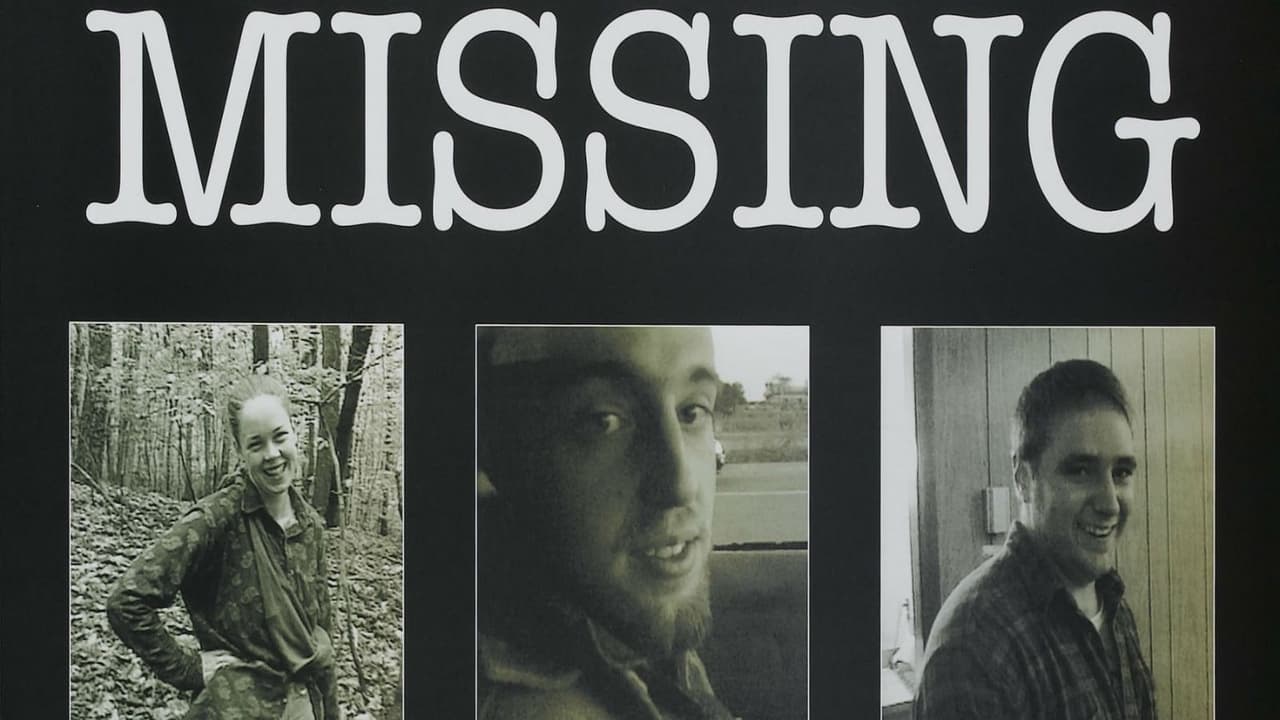
This hour-long special masterfully used the tropes of true crime documentaries – the somber narration, the concerned talking heads, the slightly-off archival materials – to build a cohesive and terrifying backstory. It introduced us to the central mystery: the disappearance of three student filmmakers, Heather Donahue, Michael C. Williams, and Joshua Leonard, who ventured into the Black Hills Forest in 1994 to make a documentary about the Blair Witch legend and were never seen again. The special presents their project, snippets of their footage (teasing what was to come in the main film), and interviews with figures supposedly connected to the search, like the perplexed (and fictional) Sheriff Ron Cravens.
The genius here was multiplicative. Not only did Curse establish the lore, but it also seeded the central conceit of the "found footage" that would define The Blair Witch Project. It treated the students' disappearance as established fact, grounding the upcoming film in a layer of perceived reality. This was viral marketing before the term had fully taken root, leveraging the nascent power of the internet (the film's accompanying website was a masterstroke of lore-building) and cable TV to create an unprecedented buzz. Remember the debates in chat rooms and forums? The sheer uncertainty it generated was palpable. The entire Blair Witch phenomenon, starting with this special and the cryptic website, was reportedly birthed from an initial concept budget rumoured to be as low as $60,000 for the main film, eventually exploding into a $248 million global sensation – arguably one of the most successful independent film stories ever.
The Chill Lingers
Watching Curse of the Blair Witch today, detached from the initial hype and the shock of the main film, is a different experience. The seams of the mockumentary format are perhaps more visible. Yet, it retains a potent atmospheric quality. The low-fidelity aesthetic, the unsettling historical accounts, the sheer commitment to the grim facade – it all still works to create a genuine sense of unease. It functions less as a documentary now and more as a perfectly pitched ghost story told around a digital campfire. The special knew exactly how to manipulate the medium, using grainy visuals and understated sound design to suggest horrors far worse than anything explicitly shown.
It’s a fascinating time capsule, capturing a moment when the lines between fiction and reality could be so effectively blurred through clever media manipulation. It perfectly primed audiences, ensuring that when those shaky, first-person images from Heather Donahue’s camera finally flickered onto cinema screens, we were already believers, already unsettled, already convinced that something terrible had happened in those woods. I remember renting The Blair Witch Project shortly after its VHS release, the memory of this special still vivid, adding an extra layer of dread to the tape sliding into the VCR.
Rating: 8/10
Curse of the Blair Witch might technically be a television special, a marketing tool, but it transcends its origins. It’s a remarkably effective piece of atmospheric horror storytelling in its own right, a masterclass in building dread through suggestion and fabricated history. Its success lay not just in what it told us, but in how it told it, leaving us questioning, unnerved, and perfectly poised for the cinematic phenomenon it heralded. It remains a vital piece of the Blair Witch puzzle and a landmark moment in horror promotion, proving that sometimes the most terrifying stories are the ones whispered beforehand.