It's a curious thing, memory. Especially the morning-after kind, fractured and unreliable, pieced together from flashes of neon, echoes of laughter, and the lingering taste of cheap alcohol. Some films capture that hazy uncertainty, but few weaponize it quite like Michael Cristofer's Body Shots (1999). This wasn't your typical late-90s romp through L.A. nightlife; emerging from the rental store shelves, often nestled between slicker thrillers and goofball comedies, it promised something glossier than the raw, unsettling examination of consent and consequence it delivered.
A Night Out, Shattered
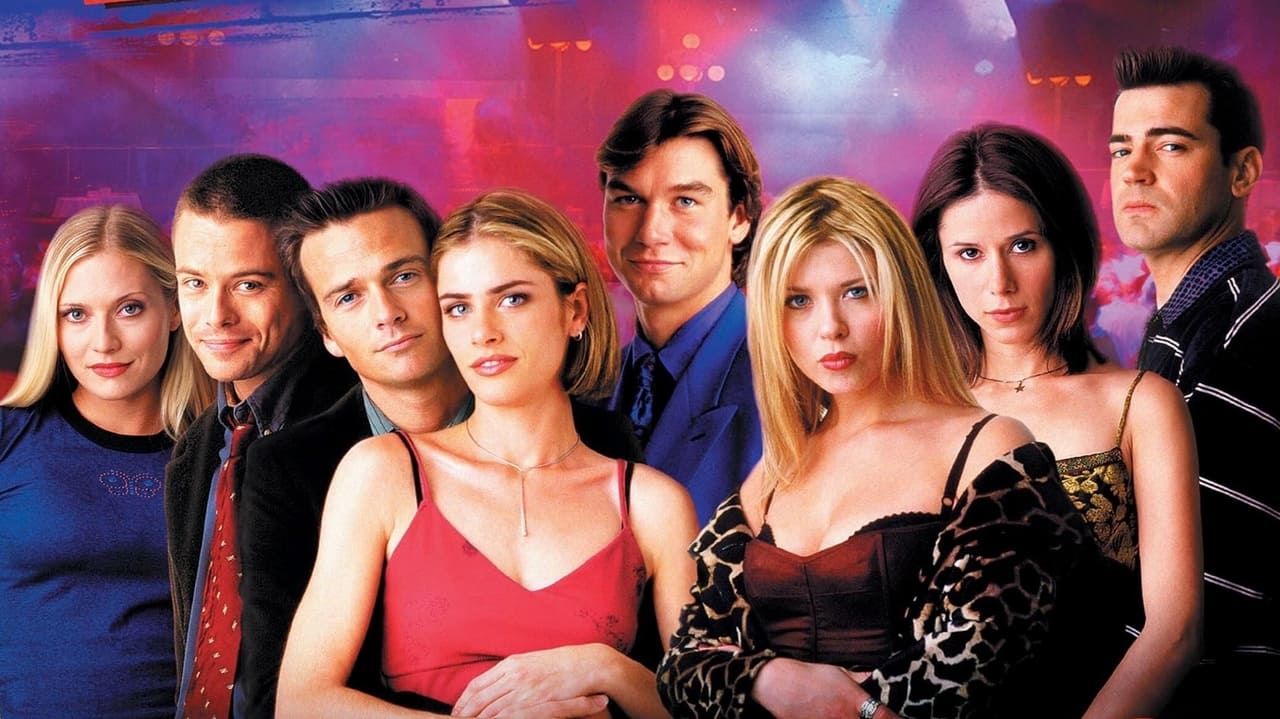
The premise sounds familiar enough: a group of twenty-somethings—Rick (Sean Patrick Flanery), Trent (Jerry O'Connell), Sara (Amanda Peet), Jane (Tara Reid), Michael (Brad Rowe), Emma (Emily Procter), and Shawn (Ron Livingston)—collide during a booze-fueled night on the town. Hookups are initiated, signals are crossed, regrets bloom under the harsh light of dawn. But Body Shots quickly deviates from the expected path. Writer David McKenna, hot off the searing script for American History X (1998), employs a Rashomon-style structure. The night unfolds not as a single narrative, but as a series of conflicting flashbacks recounted to unseen investigators (or perhaps just to themselves, trying to make sense of it all). The central event? A potential sexual assault, leaving the audience grappling with wildly different versions of what transpired between Rick and Sara.
Through a Glass, Darkly
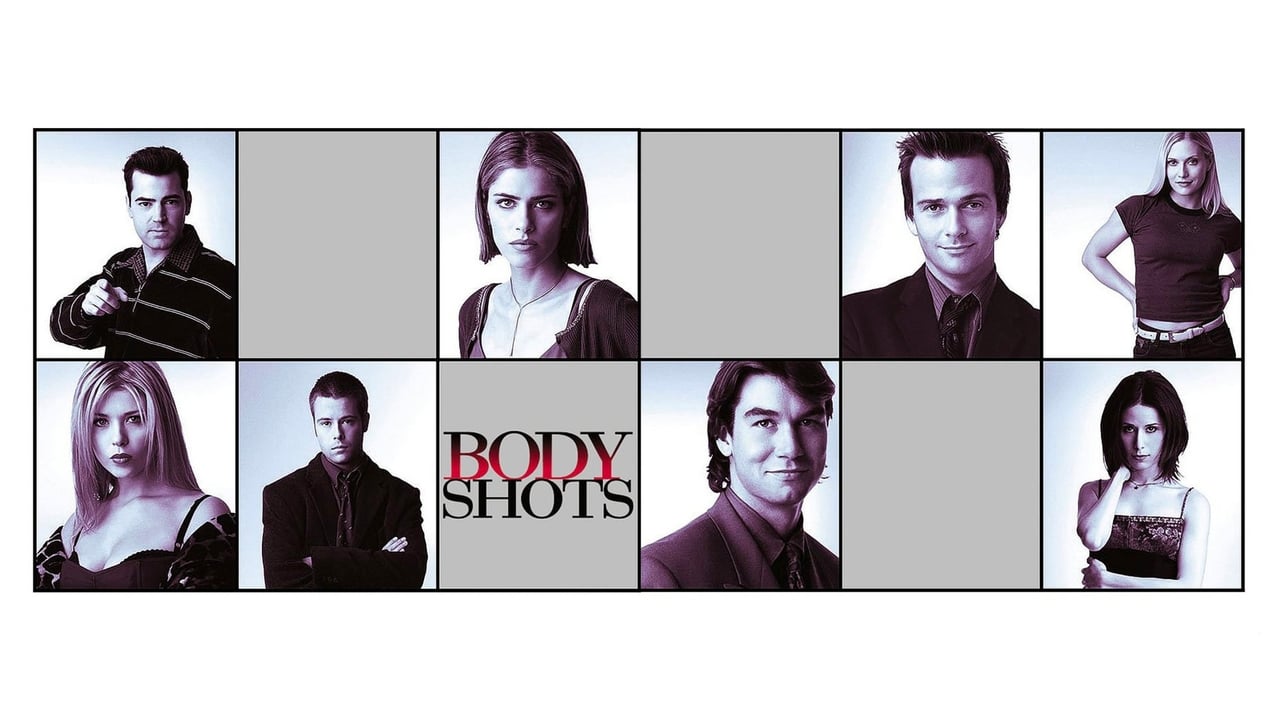
This narrative fragmentation is the film's masterstroke and its most challenging aspect. We see the initial flirtation, the escalating drinks, the club scenes thick with predatory energy and hopeful glances. Then, we revisit key moments through different eyes. Was Rick dangerously aggressive or just clumsily persistent? Was Sara a willing participant who later changed her mind, or a victim whose protests were ignored? The film refuses easy answers, forcing us to confront the uncomfortable ambiguity that often clouds such encounters. McKenna reportedly based the script on interviews and real stories, lending a chilling authenticity to the dialogue and the characters' rationalizations. It’s a structure that mirrors the very nature of trauma and contested memory – how perspective fundamentally shapes perceived reality. Does this make for comfortable viewing? Absolutely not. But it certainly makes for a thought-provoking one.
Faces in the Crowd
The ensemble cast, mostly composed of actors then on the cusp of wider recognition, navigates this tricky terrain admirably. Sean Patrick Flanery brings a coiled intensity to Rick; even in his character's version of events, there's an unsettling edge. Jerry O'Connell leans into Trent's casual misogyny and bravado, a perfect encapsulation of a certain kind of late-90s toxic masculinity that feels depressingly timeless. Amanda Peet, in a particularly difficult role, conveys Sara's confusion, vulnerability, and eventual anger with striking honesty. Her portrayal anchors the film's emotional core, ensuring the central question never feels merely academic. Supporting players like Tara Reid and Ron Livingston effectively sketch other facets of this nocturnal ecosystem. It’s their grounded performances that sell the conflicting narratives; we believe each version as it’s presented, making the lack of a definitive truth all the more potent.
Retro Fun Facts: Behind the Night
- Body Shots was a tough sell, even in the edgier late 90s. Made on a modest budget of around $6 million, it struggled at the box office, pulling in only about $4.6 million domestically. Perhaps audiences, lured by provocative marketing ("It began with a look... Ended with the truth... Caught somewhere in between."), weren't prepared for its challenging structure and subject matter.
- Director Michael Cristofer was already known for exploring complex female characters and difficult themes, having directed Angelina Jolie in her breakout, Golden Globe-winning role in Gia (1998) just a year prior. He brought a slick, sometimes unsettlingly voyeuristic style to Body Shots.
- David McKenna's script deliberately aimed to provoke discussion about the 'grey areas' of consent, a conversation that feels incredibly prescient viewed through a post-#MeToo lens. The film doesn't shy away from showing how easily lines can be blurred and intentions misinterpreted, especially under the influence.
Last Call
Watching Body Shots today is an interesting experience. Certain elements – the fashion, the specific club vibes – feel distinctly of their time. The dialogue occasionally dips into the didactic, explicitly stating themes that the narrative already powerfully implies. Yet, its central concerns about communication, responsibility, and the often-vast gulf between male and female perspectives on sexual encounters remain startlingly relevant. It’s not a feel-good movie, nor is it necessarily one you’d rush to rewatch for sheer entertainment. I remember renting this back in the day, likely drawn by the cast or the promise of an edgy thriller, and being left deeply unsettled, forced to ponder questions I hadn't expected a Hollywood film to ask so bluntly. It doesn’t offer catharsis, but it demands reflection.
Rating: 6/10
Body Shots earns its score through its narrative ambition, strong ensemble performances grappling with difficult material, and its unflinching (if sometimes heavy-handed) exploration of themes that were ahead of their time for mainstream cinema. It's docked points for uneven execution in places and a slightly preachy tone that can undercut the power of its ambiguity. Still, it’s a film that sticks with you, a challenging artifact from the tail-end of the VHS era that dared to dissect the darker side of the mating game.
It leaves you wondering: how many stories remain trapped in those conflicting perspectives, lost somewhere between the party and the harsh light of morning?