Alright, settle back into that comfy armchair, maybe grab a bowl of something crunchy, and let’s rewind the tape to 1992. There are certain moments etched into the collective memory of 90s kids, and hearing Tom and Jerry speak for the first time in Tom and Jerry: The Movie is definitely one of them. It landed with the kind of bewildered surprise usually reserved for finding out your quiet neighbour is secretly a world-champion yodeller. For decades, Hanna-Barbera's iconic cat and mouse duo communicated entirely through shrieks, elaborate traps, and the universal language of cartoon violence. Suddenly, they were not only talking, but singing and embarking on a quest driven by… altruism? It was a bold swing, a cinematic curveball that still sparks debate among animation fans today.

When Rivals Became Roommates (and Talked About It)
The premise itself felt like a departure from the comfortable chaos of the classic shorts. After their house is demolished (in a surprisingly melancholy opening sequence), Tom and Jerry find themselves homeless and, crucially, forced to actually communicate to survive the mean city streets. This fragile truce is quickly tested when they encounter Robyn Starling (Anndi McAfee), a sweet young orphan escaping her wicked guardian, Aunt Figg (Charlotte Rae, beloved as Mrs. Garrett from The Facts of Life), and her conniving lawyer, Lickboot (Tony Jay, whose voice would later grace Disney's The Hunchback of Notre Dame as Frollo). Suddenly, our lifelong nemeses find common cause: helping Robyn find her lost explorer father.
Directed by animation veteran Phil Roman, whose studio Film Roman was a powerhouse behind shows like Garfield and Friends and early seasons of The Simpsons, the film aimed for a broader, perhaps more Disney-esque appeal. The animation itself is competent, certainly a step up from standard television fare of the era, but it sometimes lacks the kinetic, rubber-hose energy that defined Tom and Jerry’s golden age under William Hanna and Joseph Barbera (both served as creative consultants here). The shift wasn't just in dialogue; it was in the very fabric of their relationship.

Giving Voice to the Voiceless
The decision to give Tom and Jerry spoken dialogue was, undoubtedly, the film’s most controversial move. Providing the voices were Richard Kind (later known for Spin City and countless voice roles) as a surprisingly articulate Tom, and the talented Dana Hill as Jerry. Hill, known for her distinctively raspy voice (a result of childhood Type 1 diabetes affecting her growth) and roles in films like National Lampoon's European Vacation (1985), brought a certain plucky energy to Jerry. Hearing them chat, however, often felt… well, wrong. Part of the genius of the original shorts was their universality; the comedy transcended language barriers. Giving them specific voices and personalities grounded them in a way that arguably diminished their anarchic charm. Joseph Barbera himself reportedly defended the choice, hoping it would open up new storytelling avenues, but for many, it felt like a betrayal of the characters' core essence.
Retro Fun Facts: The Talking Point

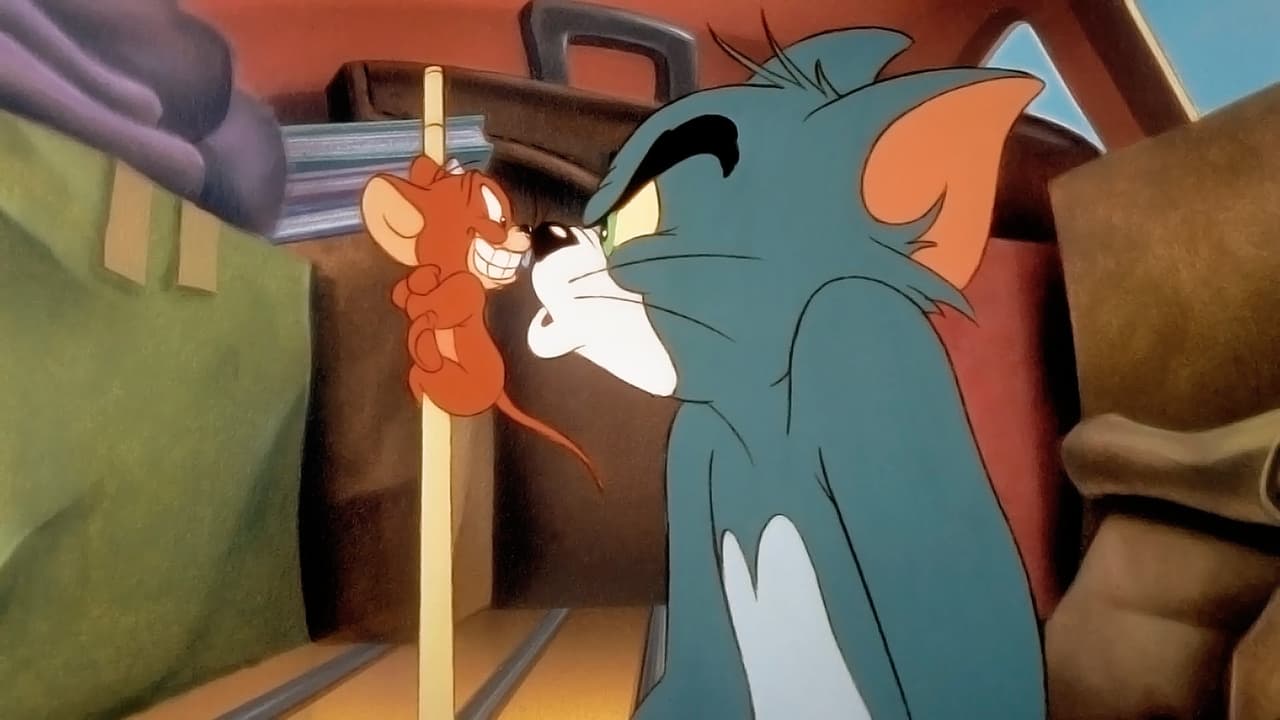
- This wasn't just a Tom and Jerry movie; it was their first-ever feature-length theatrical release, a major event after decades on TV and in short subjects.
- The film carried a relatively modest budget, often cited around $3.5 million. Unfortunately, it struggled to find its audience, grossing only about $3.6 million in the US – a significant box office disappointment that likely scuppered any immediate plans for further theatrical outings. Adjusted for inflation, that's like making back just over $7.8 million today on a $7.6 million budget - barely breaking even before marketing costs.
- The critical reception at the time was largely negative, echoing fan sentiments about the talking, the songs, and the perceived 'softening' of the characters. It currently sits at a frosty 14% on Rotten Tomatoes based on historical reviews.
- Tragically, this was one of the final film roles for Dana Hill, who passed away due to complications from her diabetes in 1996 at the young age of 32. Her unique voice remains a memorable part of 80s and 90s animation history.
Suddenly, a Musical!
As if talking wasn’t enough, Tom and Jerry: The Movie is also a full-blown musical. With songs composed by Henry Mancini (yes, the legendary composer of The Pink Panther Theme!) and lyrics by Leslie Bricusse (Willy Wonka & the Chocolate Factory), the pedigree was there. Yet, the musical numbers, like "Friends to the End" or "(Money is Such) A Beautiful Word," often feel shoehorned in. While pleasant enough, they rarely elevate the story or feel organically tied to the characters we knew. It added another layer of deviation that felt less like classic Tom and Jerry and more like an attempt to mimic the successful Disney Renaissance formula happening concurrently.
Nostalgia Goggles vs. Critical Lens
Watching Tom and Jerry: The Movie today is a curious experience. If you encountered it as a young child back in the 90s, perhaps renting the VHS from Blockbuster completely unaware of the controversy, you might remember it with a degree of fondness. Robyn's plight is genuinely sympathetic, Aunt Figg is a classically hissable villain, and there are moments of visual flair. I distinctly recall renting this one, drawn in by the familiar faces on the cover, only to be utterly bewildered five minutes in.
However, viewed through the lens of the characters' rich history, the film feels like a misguided experiment. The slapstick takes a backseat to plot and sentimentality, the dialogue often feels unnecessary, and the core dynamic that made Tom and Jerry timeless – that relentless, inventive, dialogue-free chase – is largely absent. It trades comedic anarchy for a fairly standard animated adventure plot.
An Oddity in the Catalog
Ultimately, Tom and Jerry: The Movie exists as a fascinating, if flawed, footnote in the vast history of its titular characters. It dared to do something different, even if that difference alienated a large portion of its built-in audience. Subsequent Tom and Jerry projects, particularly the successful run of direct-to-video movies starting in the 2000s, wisely returned the pair largely to their non-verbal roots, proving that some formulas just don't need fixing.
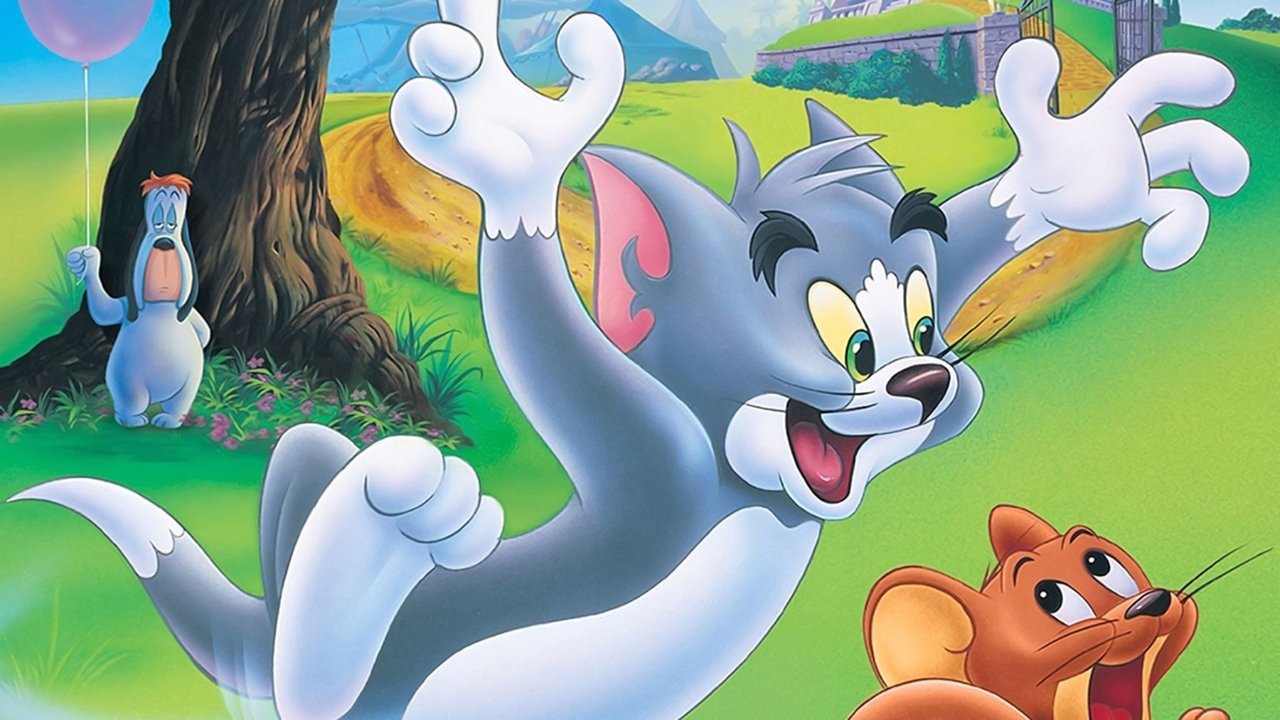
VHS Heaven Rating: 4/10
This rating reflects the film's status as a significant departure that didn't quite land. While the animation is decent for its time and the voice cast features notable talents, the core decisions to make Tom and Jerry talk and sing fundamentally altered their appeal, resulting in a film that feels more like a generic 90s animated feature than a true Tom and Jerry adventure. It earns points for ambition and as a historical curiosity, but loses significant ground for straying too far from the magic that made the originals great.
It remains a testament to the fact that sometimes, silence (punctuated by the occasional yelp or crash) truly is golden, especially in the world of cartoon cats and mice. A weird, baffling, but undeniably memorable trip down the rabbit hole of 90s animation experiments.