Okay, fellow tape travellers, let’s rewind to a time when event television still felt truly eventful. Forget streaming queues; I’m talking about gathering the family, maybe even setting the VCR, because something special was about to unfold on the trusty old CRT. And in 1999, one such event dropped us headfirst down a rabbit hole that felt both familiar and surprisingly fresh: Nick Willing's ambitious TV adaptation of Alice in Wonderland. This wasn't quite the Disney cartoon etched into our collective childhoods, nor was it a stuffy literary rendition. No, this was something else – a lavish, slightly peculiar, and utterly unforgettable trip brought to life by the wizards at Jim Henson's Creature Shop.
### A Wonderland Unlike Any Other
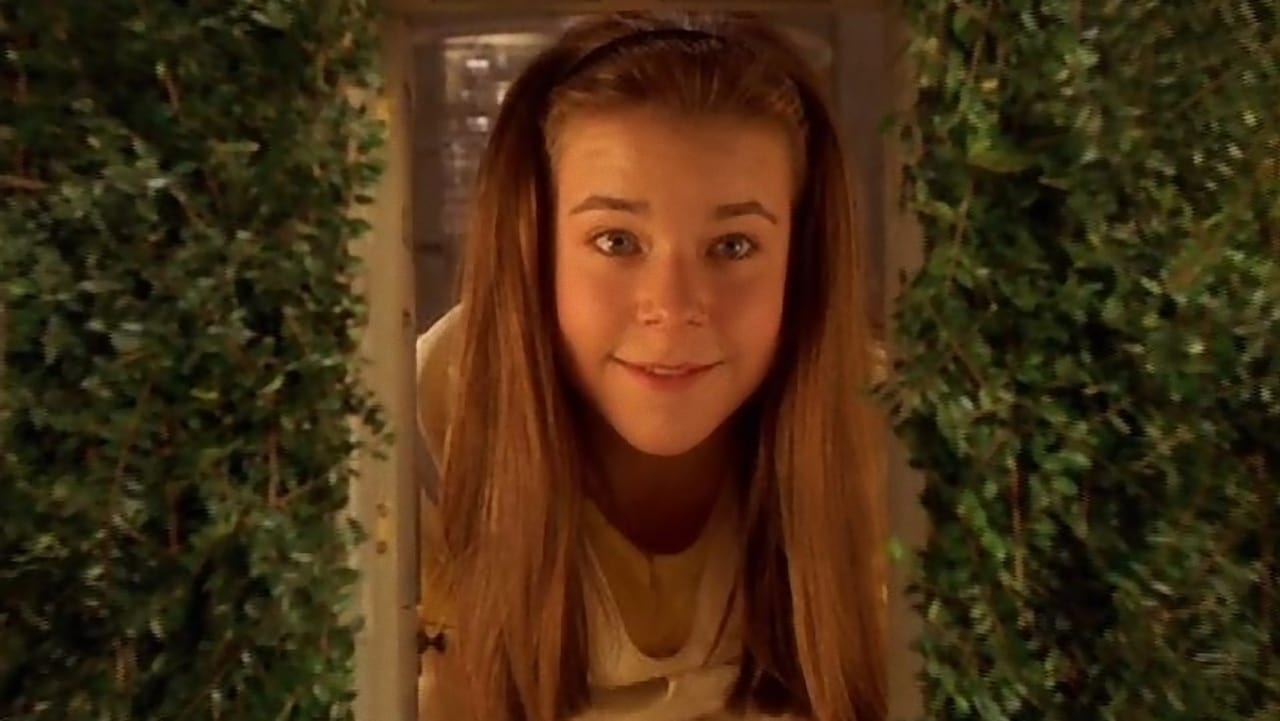
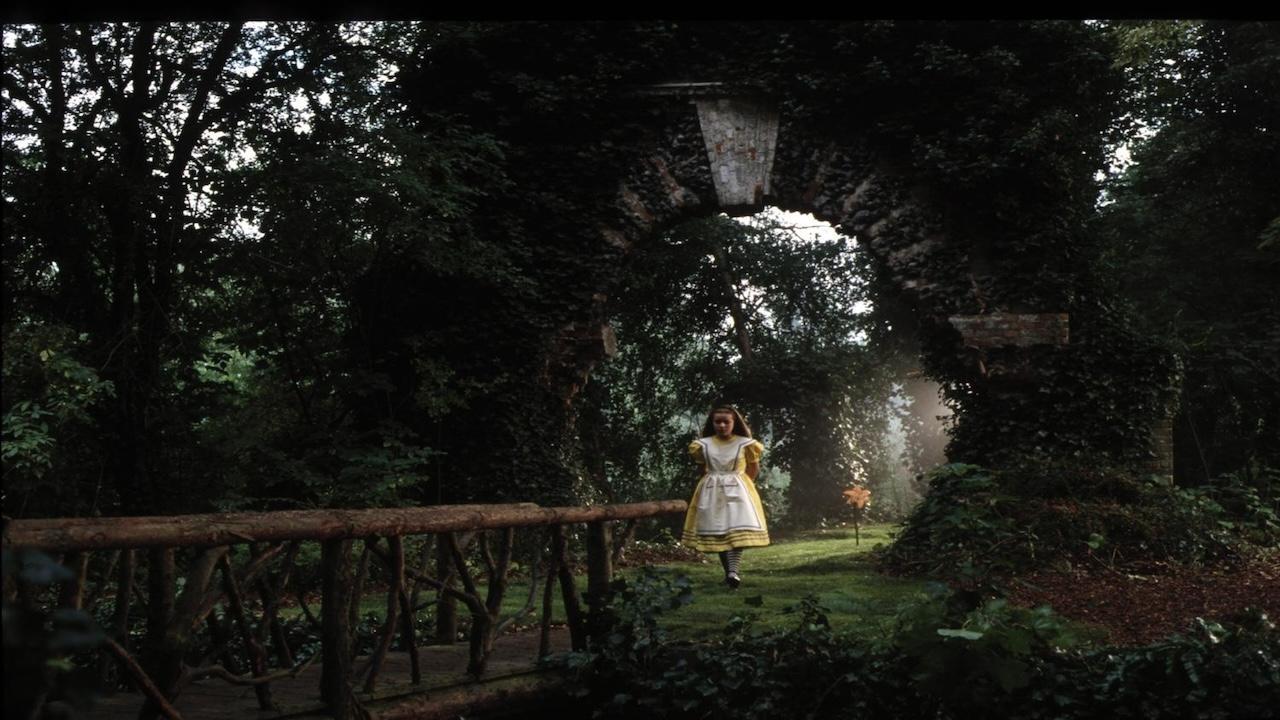
Right from the start, this Alice felt different. Premiering on NBC and produced by Hallmark Entertainment, it carried a budget reportedly around $21 million – a king's ransom for television back then – and every penny seemed aimed at creating a Wonderland brimming with tangible, often bizarre, life. Based on a script by the acclaimed playwright Peter Barnes, adapting Lewis Carroll's timeless tales, this version leans into the surreal, slightly melancholic undercurrents of the books. It presents Wonderland not just as whimsical, but as a place of genuine emotional discovery for Alice, a young girl grappling with stage fright and the pressures of growing up. It captures that dreamlike logic, or lack thereof, that makes Carroll’s work so enduringly strange and fascinating.
### Through the Looking Glass with Tina Majorino
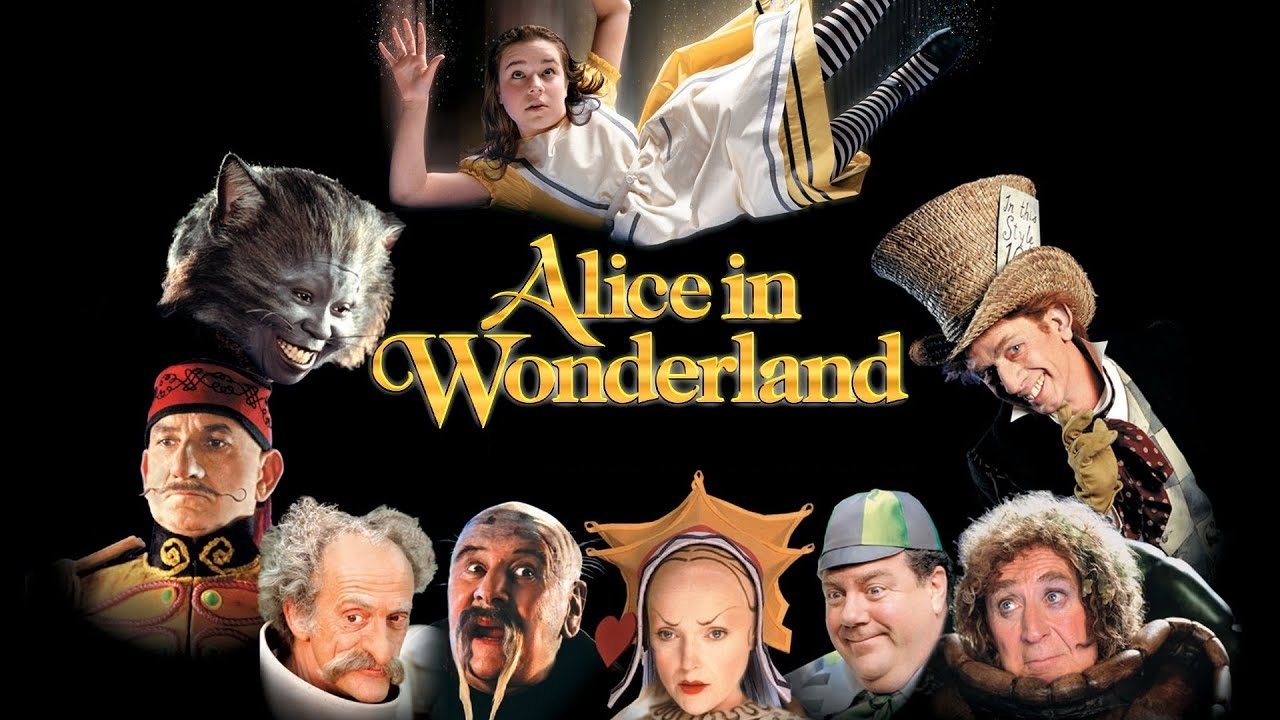
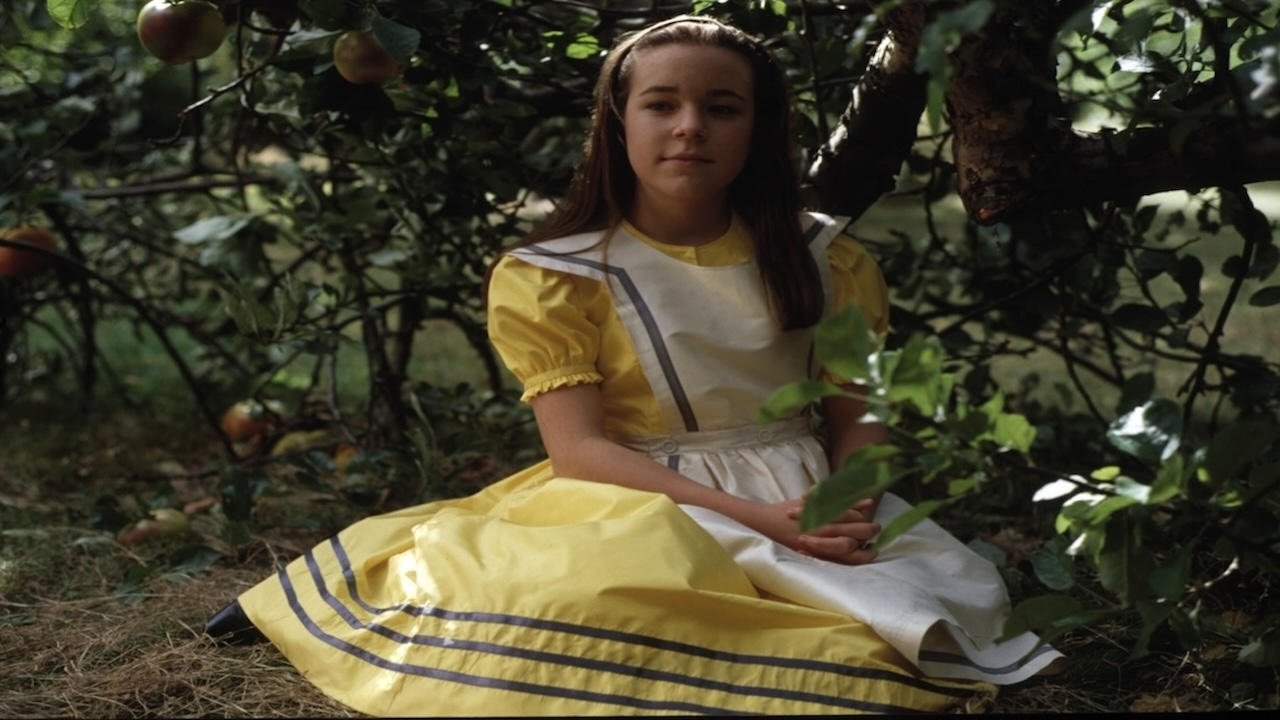
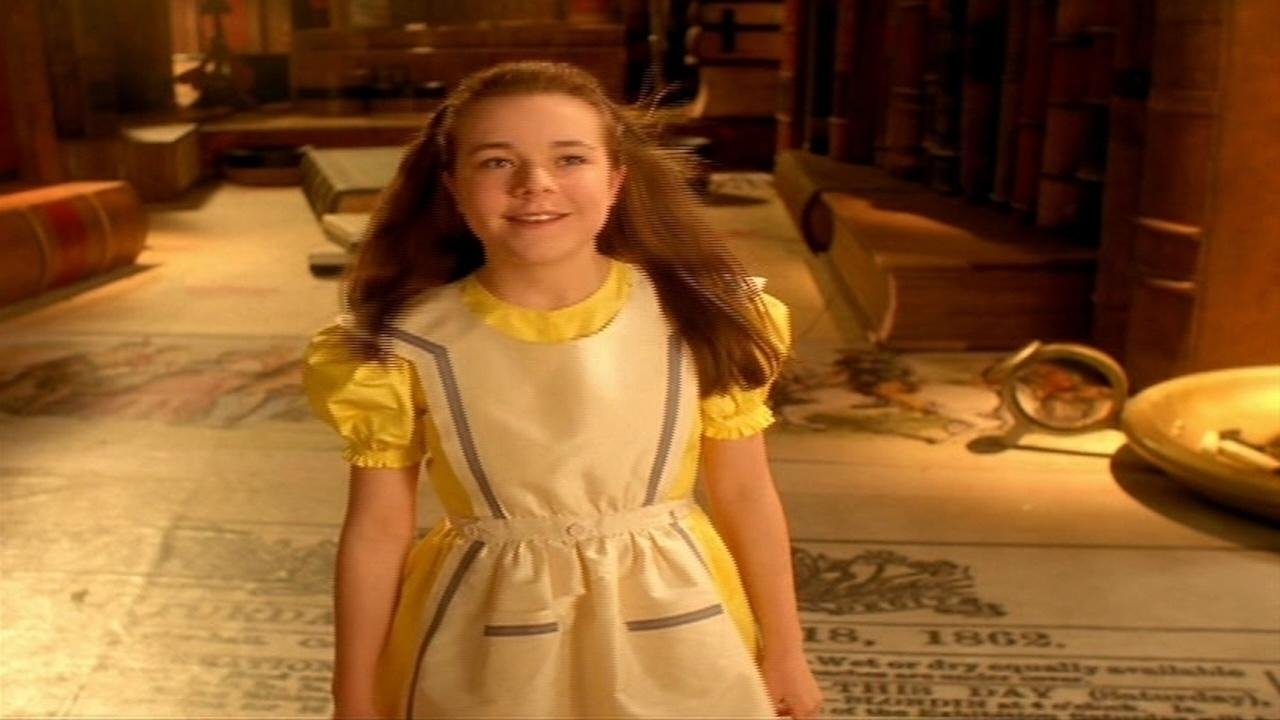
Our guide through this phantasmagorical landscape is Tina Majorino, who many of us remembered from films like Waterworld (1995) or the charming Andre (1994). As Alice, Majorino brings a grounded quality that anchors the surrounding madness. She's not merely reacting to the weirdness; she’s processing it, learning from it. Her performance feels thoughtful and relatable, portraying Alice's initial fear and growing confidence with a naturalism that prevents the character from getting lost amidst the spectacle. It’s a performance that really holds the sometimes-episodic nature of the story together, making her journey feel genuinely compelling.
### The Creature Shop's Crowning Achievement?
Let's be honest, though: the main draw, the element that likely had us glued to our screens, was the promise of seeing Wonderland brought to life by Jim Henson's Creature Shop. And oh, did they deliver. This film is a glorious showcase of late-90s practical effects wizardry. Forget CGI overload; here we have intricate puppetry and animatronics breathing life into iconic characters. The Mad Hatter, played with manic energy by Martin Short, and the March Hare (Adrian Scarborough) are triumphs of design, their movements and expressions uncannily lifelike. The Gryphon and the Mock Turtle (voiced with gentle melancholy by the legendary Gene Wilder in one of his final roles) possess a tangible weight and presence that digital effects often struggle to replicate. I remember being utterly captivated by how real these creatures felt, even through the fuzzy glow of the television screen. It was movie magic you could almost reach out and touch.
Of course, this being 1999, there's also a dose of early CGI, most notably used for Whoopi Goldberg's enigmatic Cheshire Cat. While perhaps looking a bit dated now, its ethereal, disembodied grin floating through the air felt cutting-edge at the time, a fascinating blend of the practical Henson aesthetic and the burgeoning digital frontier. It perfectly encapsulates the film's unique visual identity – a bridge between old-school craft and new-school tech.
### A Who's Who of Wonderland Residents
Beyond the stunning creature work, this production boasted an almost absurdly star-studded cast popping up in delightful, sometimes scene-stealing, cameos. Ben Kingsley brings a world-weary authority to the Caterpillar. Miranda Richardson is deliciously imperious as the Queen of Hearts, perfectly capturing her volatile absurdity. And who could forget Christopher Lloyd, fresh off countless memorable roles including Back to the Future (1985), appearing as the endearingly clumsy White Knight? Even figures like Peter Ustinov and Pete Postlethwaite lend their considerable talents. It felt like a grand party where every corner turned revealed another familiar, esteemed face enjoying the madness. It’s a testament to the project's ambition that it attracted such a high calibre of talent for what was, essentially, a "made-for-TV" movie.
### Navigating the Labyrinth: Direction and Legacy
Director Nick Willing, who clearly had a knack for these big televised fantasy epics (he'd later helm Jason and the Argonauts (2000) and the intriguing Tin Man (2007) miniseries), orchestrates the chaos with a steady hand. He balances the spectacle with the story's emotional core, ensuring Alice's journey remains the focus. While some sequences might feel a tad rushed or the pacing occasionally uneven – common traits in adapting Carroll's episodic source material – the overall effect is enchanting. It might not have spawned sequels or become a pop culture juggernaut like Disney's version, but this Alice carved out its own niche. It’s a version remembered fondly by those who caught it back then, precisely because it dared to be different, visually rich, and surprisingly heartfelt. It stands as a wonderful example of ambitious television fantasy from the cusp of the new millennium.
VHS Heaven Rating: 7/10
Justification: This Alice in Wonderland earns a solid 7 for its sheer ambition, the stunning practical effects work from the Henson Creature Shop (a major highlight), Tina Majorino's strong central performance, and the incredible ensemble cast. It successfully captures a unique, slightly darker, and more surreal tone than many other adaptations. Points are deducted for some inevitably dated CGI, occasional pacing issues inherent in adapting the episodic books, and the fact that its TV movie origins sometimes show. However, its charm, creativity, and nostalgic value as a late-90s fantasy event make it a truly worthwhile trip down the rabbit hole.
Final Thought: For those who remember gathering around the TV for this one, or discovering it later on a trusty VHS tape, Nick Willing's Alice remains a unique and visually delightful interpretation. It’s a testament to the magic of practical effects and a reminder that sometimes, the most wondrous adventures could be found right there in your living room.