It bursts onto the screen like fireworks over a moonlit desert palace – a whirlwind of colour, music, and pure, unadulterated energy. Few animated films captured the zeitgeist of the early 90s quite like Disney's Aladdin (1992). For many of us clutching that clamshell VHS case, fresh from the rental store shelf, pressing play felt less like starting a movie and more like rubbing a magic lamp ourselves, unleashing ninety minutes of dazzling spectacle right there on our trusty CRT screens. It wasn't just another cartoon; it felt like an event.

### A Diamond in the Rough, Polished to Perfection
Directed by the powerhouse duo of Ron Clements and John Musker, who had already revitalized Disney animation just a few years earlier with The Little Mermaid (1989), Aladdin took the classic One Thousand and One Nights tale and injected it with contemporary wit and breathtaking artistry. The screenplay, co-written by the directors along with Ted Elliott and Terry Rossio (who would later pen Pirates of the Caribbean), expertly balanced timeless romance and adventure with sharp, pop-culture-infused humour. Agrabah wasn't just some generic storybook kingdom; it felt like a living, breathing city – vibrant, bustling, and maybe just a little bit dangerous for a charming "street rat" like Aladdin (Scott Weinger). The animation itself felt like a leap forward, seamlessly blending traditional hand-drawn artistry with pioneering computer-generated imagery, particularly noticeable in the dizzying escape from the Cave of Wonders and the intricate patterns of the Magic Carpet – itself a character brimming with personality without uttering a single word. It’s a testament to the animators' skill that this early CGI, often prone to aging poorly, still integrates remarkably well.
### You Ain't Never Had a Friend Like Him
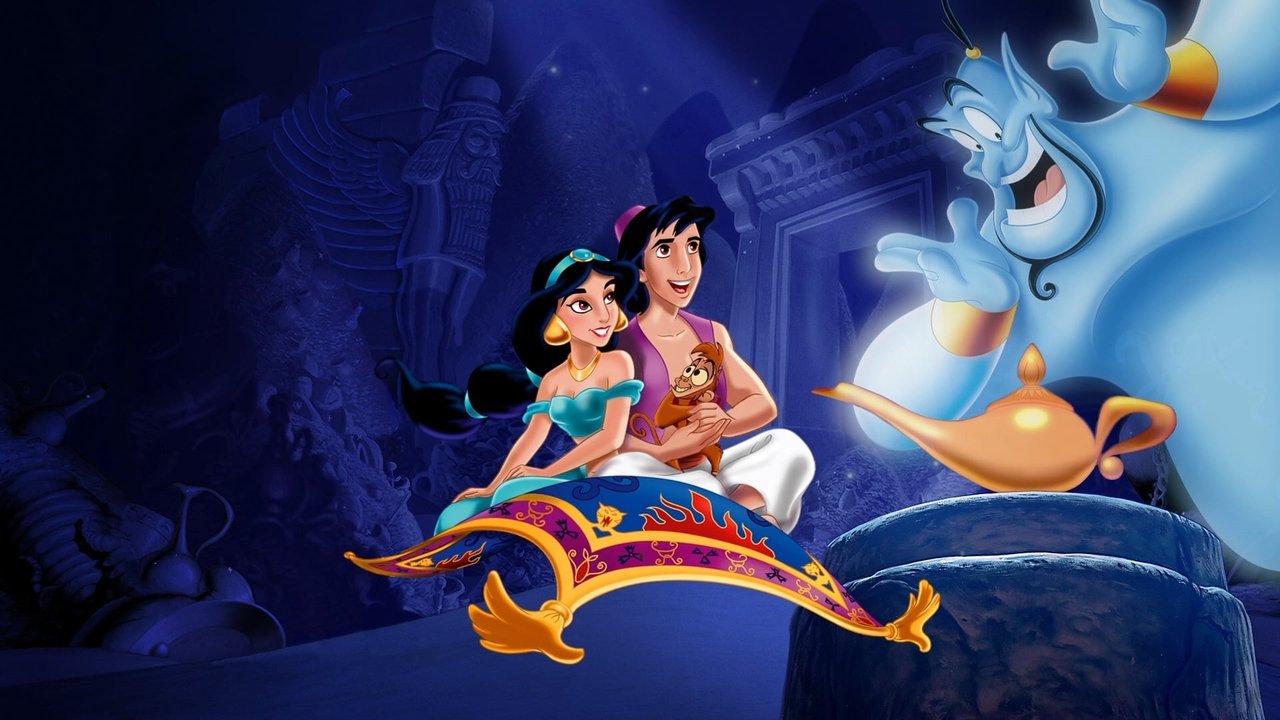
Let's be honest, though: the seismic force at the heart of Aladdin's enduring appeal is the one, the only, Genie. Voiced with manic, uncontainable brilliance by the legendary Robin Williams, the Genie wasn't just a character; he was a comedic supernova. It's well-known trivia now, but worth repeating: Williams ad-libbed so much material (reportedly generating nearly 16 hours of recordings!) that the animators had a treasure trove of comedic gold to work with. Animator Eric Goldberg and his team masterfully translated Williams' rapid-fire impressions, morphing the Genie into everything from Ed Sullivan to Jack Nicholson in the blink of an eye. This performance arguably redefined celebrity voice acting in animation, proving it could be a major draw and a source of incredible creative energy. It's almost impossible to imagine the film without him; his improvisational spirit permeates every frame he occupies. Reportedly, Williams took a significant pay cut ($75,000, SAG scale minimum at the time) because he wanted to be part of the Disney animation legacy, on the condition his voice wasn't used excessively for merchandising – a point that later caused some friction.
While Williams inevitably steals the show, the rest of the voice cast is superb. Scott Weinger brings the right mix of charm and vulnerability to Aladdin (whose design, fun fact, was initially younger before being aged up and reportedly influenced by Tom Cruise's look for broader appeal). Linda Larkin imbues Princess Jasmine with independence and spirit, making her far more than just a damsel in distress. And Jonathan Freeman's Jafar remains one of Disney's most deliciously sinister villains, his voice dripping with sarcastic menace, perfectly complemented by Gilbert Gottfried's squawking Iago.
### Music to Soar By
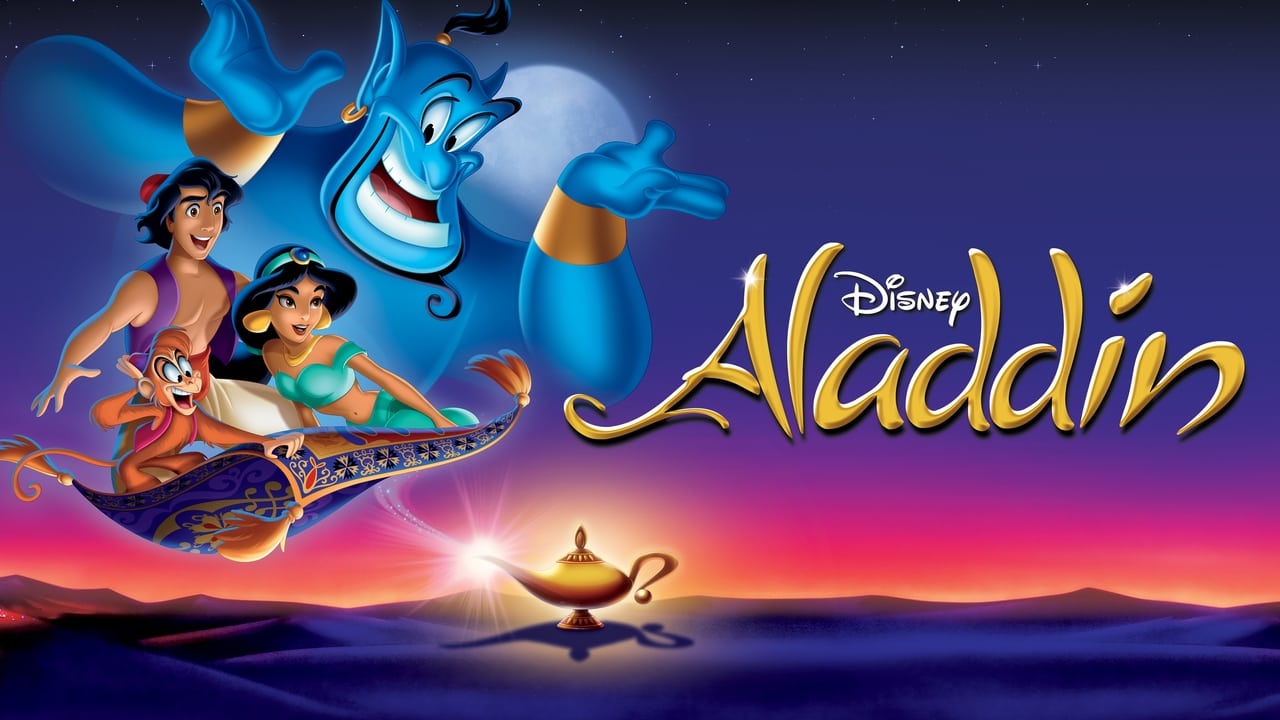
And the music! Oh, that glorious music. Composer Alan Menken, working initially with the lyrical genius Howard Ashman (who tragically passed away during production) and later with Tim Rice, crafted a score that is simply unforgettable. From the sweeping grandeur of "A Whole New World" (which rightly won the Oscar for Best Original Song) to the show-stopping razzle-dazzle of "Friend Like Me" and the rollicking adventure of "One Jump Ahead," the songs are inextricably woven into the film's DNA. Even the opening number, "Arabian Nights," sets the perfect exotic mood – though it famously had a lyric changed ("Where they cut off your ear if they don't like your face" became "Where it's flat and immense and the heat is intense") for the home video release after concerns were raised by the American-Arab Anti-Discrimination Committee. The film also snagged the Oscar for Best Original Score, a testament to Menken's masterful work.
### Enduring Magic Carpet Ride
Aladdin wasn't just a critical darling; it was a box office phenomenon. Produced on a budget of around $28 million, it soared to become the highest-grossing film of 1992, pulling in over $504 million worldwide – a staggering sum back then (easily over a billion dollars in today's money). It cemented the Disney Renaissance and spawned a franchise that included direct-to-video sequels (The Return of Jafar, Aladdin and the King of Thieves), an animated series, a successful Broadway musical, and eventually, a live-action adaptation in 2019.
Watching it now, the magic hasn't faded. Sure, some of the pop culture references might fly over younger viewers' heads, but the core story of ambition, love, freedom, and being true to yourself resonates just as strongly. The animation remains stunning, the songs timeless, and the Genie... well, the Genie is eternal. It’s that feeling of pure, unbottled joy that made us rewind our VHS tapes again and again, hoping some of that magic would rub off.
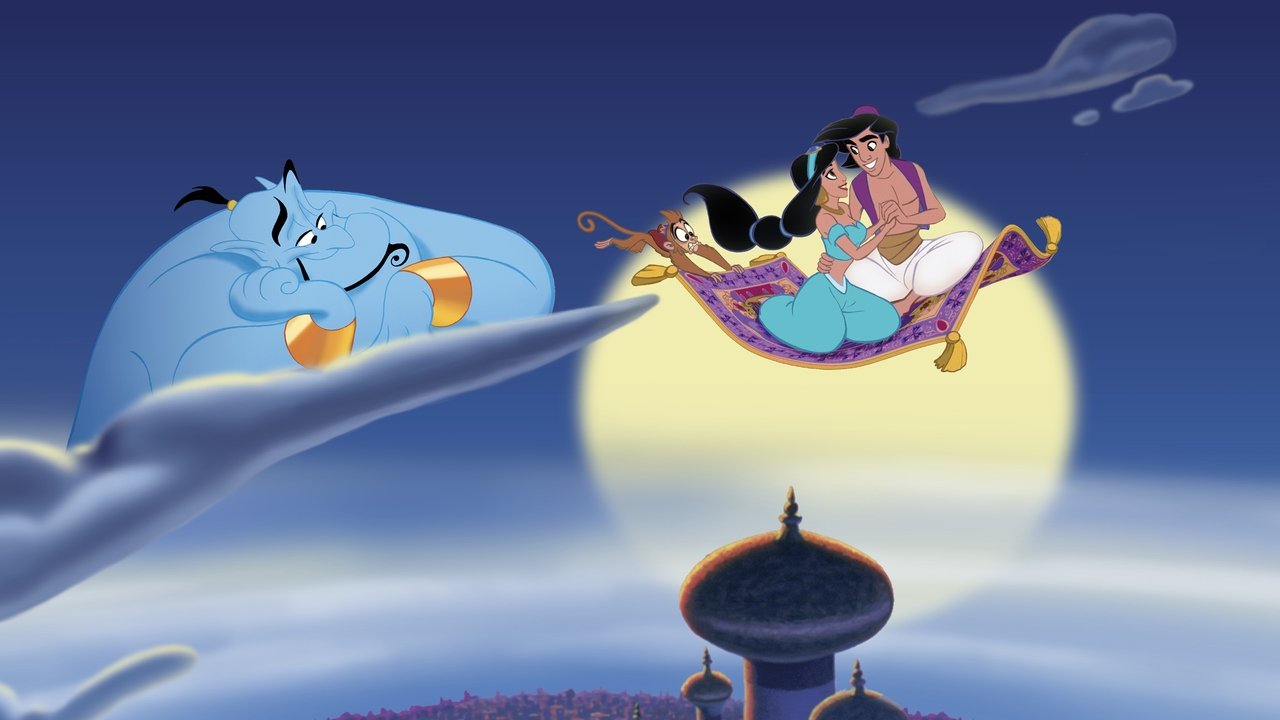
VHS Heaven Rating: 9/10
This rating reflects the film's near-perfect blend of breathtaking animation, unforgettable music, timeless story, and, crucially, the lightning-in-a-bottle performance by Robin Williams. It's a high-water mark of the Disney Renaissance, bursting with energy and charm that overcomes any minor quibbles. It truly felt like Disney had found another gear, pushing animation forward with style and substance.
For pure, exhilarating animated adventure with heart and humour to spare, Aladdin remains one of the crown jewels of the 90s – a wish granted for movie lovers then, and now.