Okay, rewind your minds with me. Picture this: it's 1998. You stroll into Blockbuster, the scent of plastic cases and slightly stale popcorn hanging in the air. You're looking for a comedy, maybe something a little different. And there it is, on the New Releases wall, a bright cover featuring a beaming Cameron Diaz. The title? There's Something About Mary. You might have heard whispers, maybe a friend tried (and failed) to describe that scene without blushing. You grab the tape, unaware you're about to witness the movie that simultaneously blew up the gross-out comedy genre and somehow, improbably, charmed the pants off nearly everyone.

This wasn't just another flick; it felt like an event. Directed by the brothers Peter and Bobby Farrelly, who'd already given us the gloriously stupid Dumb and Dumber (1994), Mary took their signature blend of outrageous gags and surprising heart to a whole new level. It arrived like a comedic hand grenade, lobbed directly into the polite world of late-90s romantic comedies.
The Premise: A Prom Night Nightmare Echoes
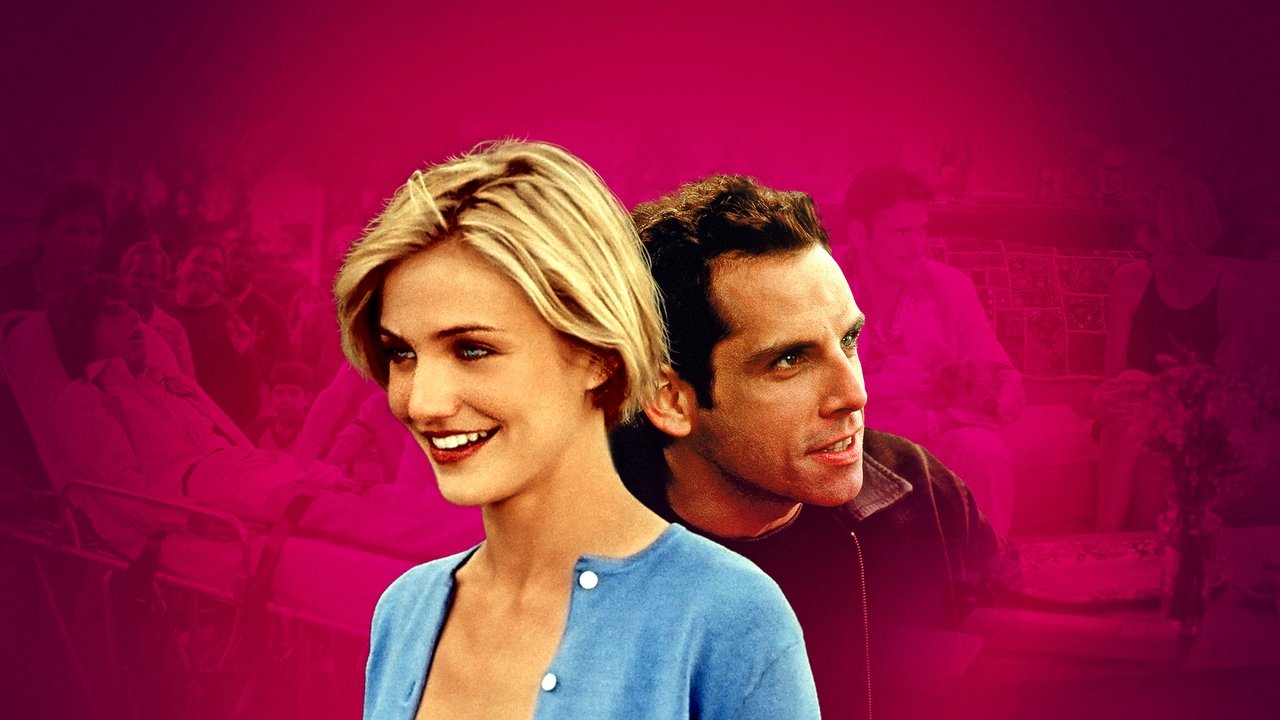
The setup is deceptively simple, rooted in relatable teenage agony. Awkward, brace-faced Ted Stroehmann (Ben Stiller, cementing his mastery of sympathetic cringe) scores a prom date with the luminous Mary Jensen (Cameron Diaz). But disaster strikes in a way that’s still wince-inducing today – the infamous zipper incident. Fast forward thirteen years, and Ted, still nursing that decades-old crush, hires greasy private investigator Pat Healy (Matt Dillon, hilariously shedding his heartthrob image) to find her. The problem? Healy finds Mary, falls for her himself, and feeds Ted a pack of lies. And he's not the only one vying for Mary's affections.

Why Mary? Why This Mary?
Let's be honest, the casting here was lightning in a bottle. Cameron Diaz is simply radiant as Mary. She's not just the object of affection; she's funny, kind, slightly goofy, and possesses an effortless charm that makes the absurd lengths these men go to almost believable. It's the role that rocketed her to the absolute A-list, and you can see why. She grounds the film's escalating insanity. Ben Stiller delivers a masterclass in comedic suffering as Ted, the perennial underdog you can't help but root for, even when he's making terrible decisions.
But the supporting cast? Pure gold. Matt Dillon as Healy is a revelation – slimy, manipulative, yet oddly pathetic. Remember that scene where he revives the dog? Pure, unadulterated commitment to the bit. And speaking of commitment, Lee Evans as Tucker, the architect posing as a crutch-bound Brit, delivers some incredible physical comedy. A fascinating retro fun fact: the role of Healy was reportedly offered to Bill Murray, who passed – Dillon’s smarmy take feels definitive now, doesn’t it? And we can't forget Chris Elliott as Ted's questionable best friend Dom, adding another layer of delightful weirdness.
Laughing 'Til It Hurts (Sometimes Literally)
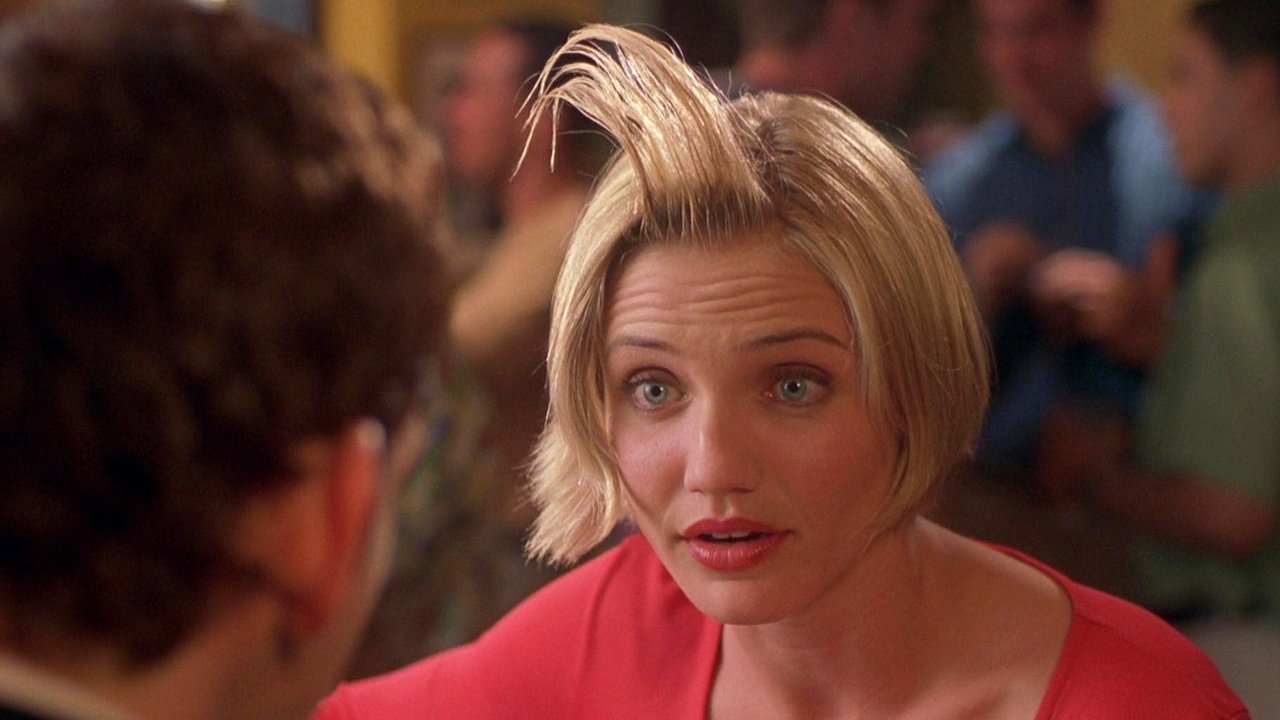
The Farrelly Brothers weren't afraid to go there. This film took taboo subjects and twisted them into unforgettable comedic set pieces. The gags felt raw, almost dangerous on that fuzzy VHS playback. We’re talking practical effects territory here – the excruciatingly real-looking zipper mishap, the frantic fight with Puffy the dog (involving intricate puppetry and animal training!), and of course, the hair gel scene. That particular moment, involving a bodily fluid misunderstanding of epic proportions, became the watercooler moment of '98. Rumor has it, the studio was initially terrified of these scenes, but the Farrellys, emboldened by Dumb and Dumber's success, held their ground. They understood that pushing boundaries, if anchored by genuine character and (believe it or not) sweetness, could work.
It wasn't just about shock value, though. The pacing is relentless, the jokes land hard and fast, and there's a surprising amount of cleverness interwoven with the cringe. Think of the running commentary from the troubadour duo led by Jonathan Richman, acting as a quirky Greek chorus – a touch that added to the film's unique flavour. This wasn't the smoothed-over, CGI-assisted comedy we often see today; the laughs felt earned through sheer audacity and performers willing to look utterly ridiculous.
More Than Meets the Eye?
Beneath the outrageous humor, There's Something About Mary had a surprisingly warm core. Ted's quest, however misguided, stems from genuine affection. Mary herself is portrayed as a genuinely good person dealing with a parade of lunatics. This blend is key to the Farrellys' magic. They could stage a scene involving mistaken identity and semen, yet still make you care about whether Ted gets the girl. It’s a tightrope walk few could manage. The film was a monster hit, grossing nearly $370 million worldwide against a modest $23 million budget, proving audiences were hungry for something edgier and funnier than the standard rom-com fare.
The Verdict
Watching There's Something About Mary today is like unearthing a time capsule from the peak of 90s boundary-pushing comedy. Some jokes might feel a bit dated, maybe even make you squirm for different reasons now, but the core comedic engine still fires on all cylinders. The performances remain brilliant, the iconic scenes are unforgettable, and its impact on the genre is undeniable. It perfectly captured that late-90s moment where mainstream comedy decided to get a little dangerous, a little gross, but kept its heart surprisingly intact.
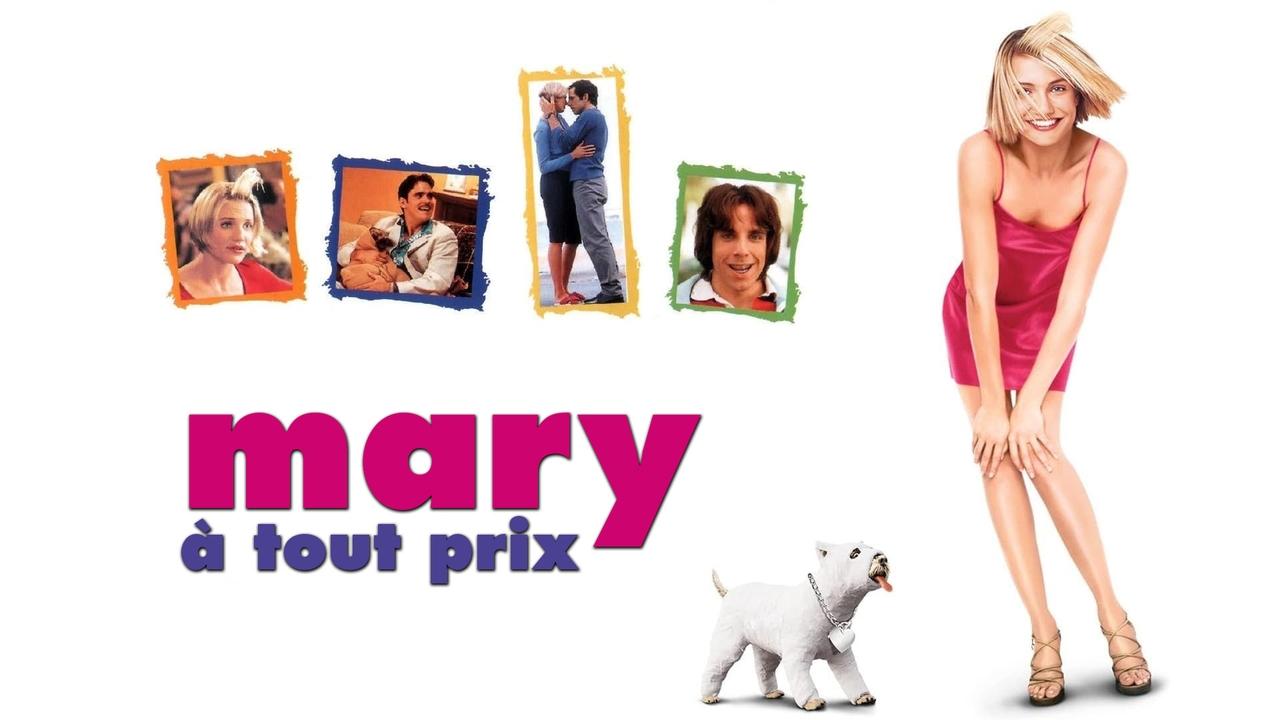
Rating: 8.5 / 10
Why? It’s a landmark comedy that expertly balanced outrageous gross-out humor with genuine sweetness and unforgettable performances. While some elements haven't aged perfectly, its audacity, charm, and sheer laugh-out-loud frequency remain potent. It defined a comedic style and launched careers, earning its place as a true 90s essential.
Final Thought: This is the kind of film that made you glad you had a VCR – you could rewind the most unbelievable moments just to make sure you actually saw what you thought you saw. A true gem from the era when comedies weren't afraid to wear their weirdness, and their hearts, right out there on their sleeves... sometimes next to a questionable stain.