Alright, fellow tapeheads, let's rewind to a time when comedy could be gleefully crude, surprisingly sweet, and feature a prosthetic hand used for… well, let's just say creative purposes. Pop that worn copy of Kingpin (1996) into the VCR, adjust the tracking if you need to (you probably need to), and settle in. Nestled between the seismic impact of Dumb and Dumber (1994) and the absolute phenomenon of There's Something About Mary (1998), Kingpin often feels like the slightly overlooked middle child of the Peter and Bobby Farrelly early gross-out dynasty. But overlooking it would be a mistake colder than a landlord's heart towards Roy Munson.
### From Golden Boy to Gutter Ball
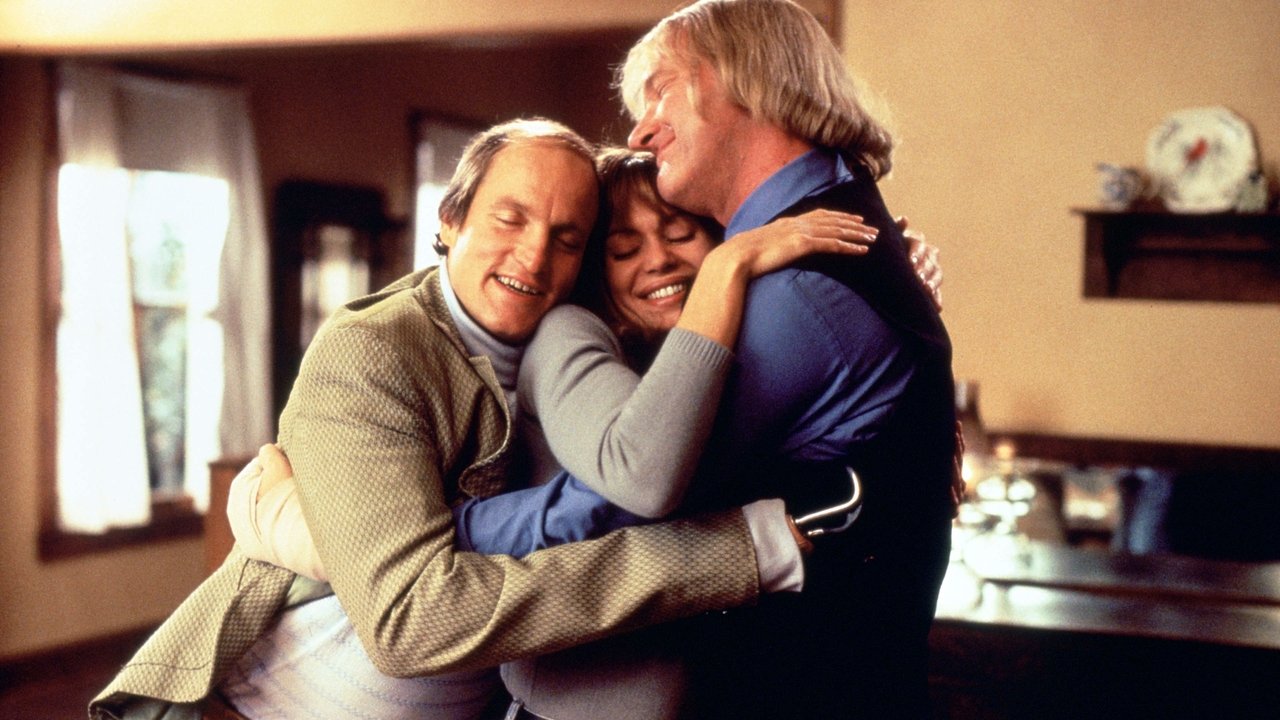
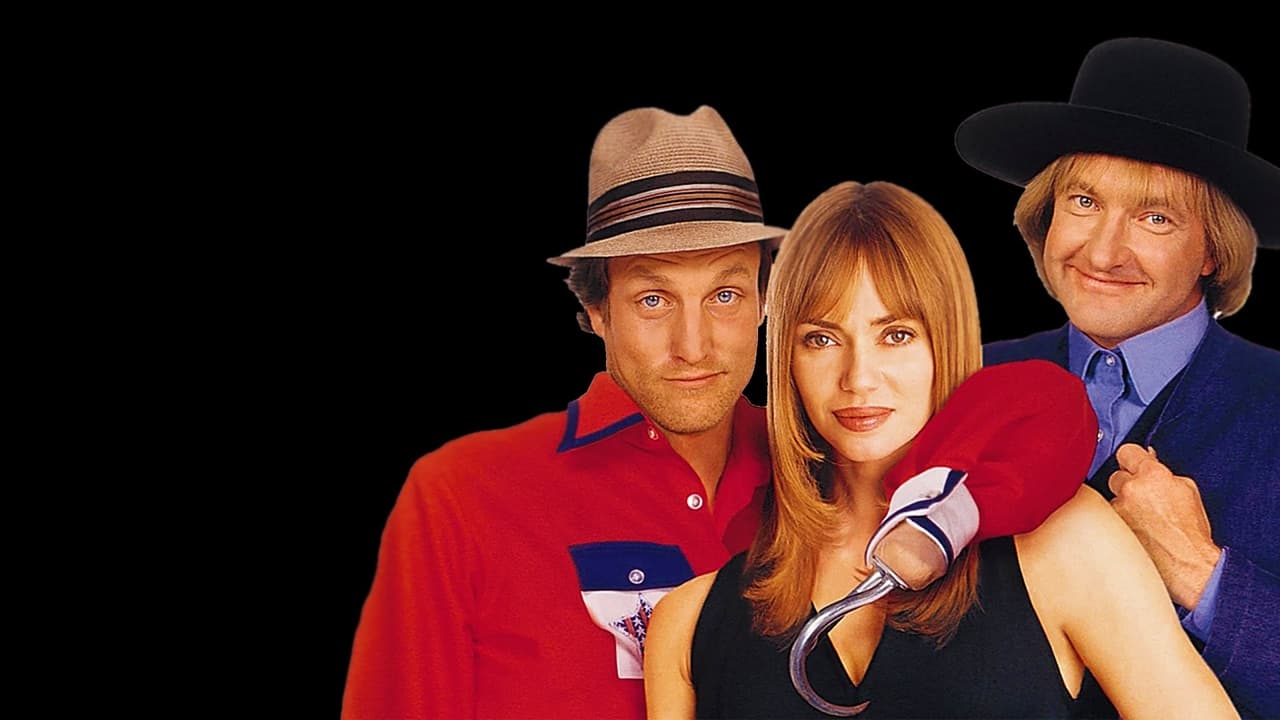
We kick off in 1979, witnessing the meteoric rise and catastrophic fall of Roy Munson, played with pitch-perfect desperation by Woody Harrelson. He's Iowa's bowling sensation, destined for glory until a fateful encounter with the deliciously sleazy rival Ernie "Big Ern" McCracken (Bill Murray) leaves him minus his bowling hand and plus a lifetime of bitterness. Fast forward 17 years, and Roy's a washed-up, alcoholic salesman peddling rubber novelty items, complete with a hook-hand that’s seen better days (and probably smells worse). It's a setup that balances genuine pathos with the trademark Farrelly absurdity right out of the gate. Fun fact: Harrelson, ever the dedicated actor, actually got pretty decent at bowling for the role, reportedly rolling two strikes in a row on camera in one take, impressing the crew. He even received coaching from pro bowler Mark Roth.
### The Unlikely Duo Hits the Road
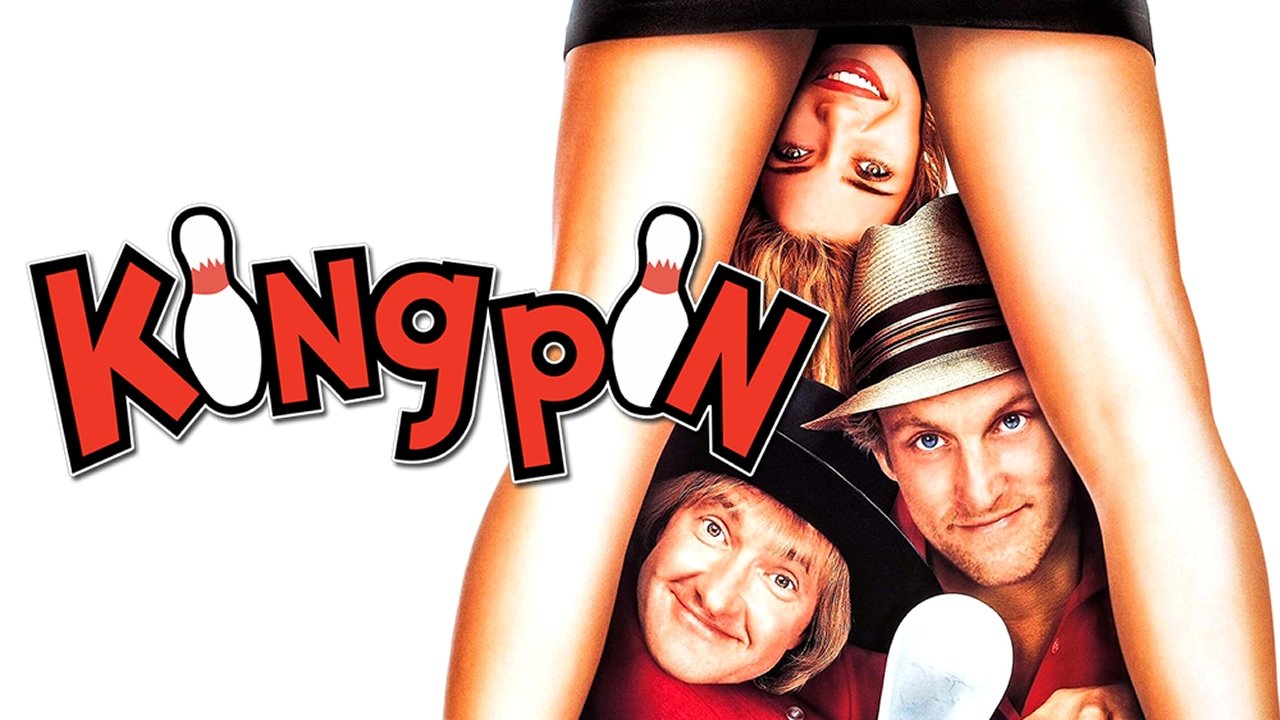
Roy's bleak existence gets a jolt when he stumbles upon Ishmael Boorg (Randy Quaid), an Amish man with a hidden talent for knocking down pins like it's God's own work. Seeing dollar signs and a shot at vicarious redemption, Roy convinces the impossibly naive Ishmael to leave his sheltered community and hit the pro bowling circuit, culminating in a million-dollar tournament in Reno. Quaid is simply phenomenal here, embodying Ishmael's wide-eyed innocence and eventual, hilarious corruption with a kind of guileless charm that makes the sometimes outrageous situations land perfectly. Their dynamic – the cynical hustler and the pure-hearted prodigy – forms the core of the film, a classic odd couple pairing supercharged with bowling puns and questionable life choices. Reportedly, Michael Keaton was considered for Roy Munson, which is fascinating to imagine, but Harrelson truly makes the role his own, balancing the character's inherent sleaziness with a flicker of buried decency.
### Adding Spice to the Spare
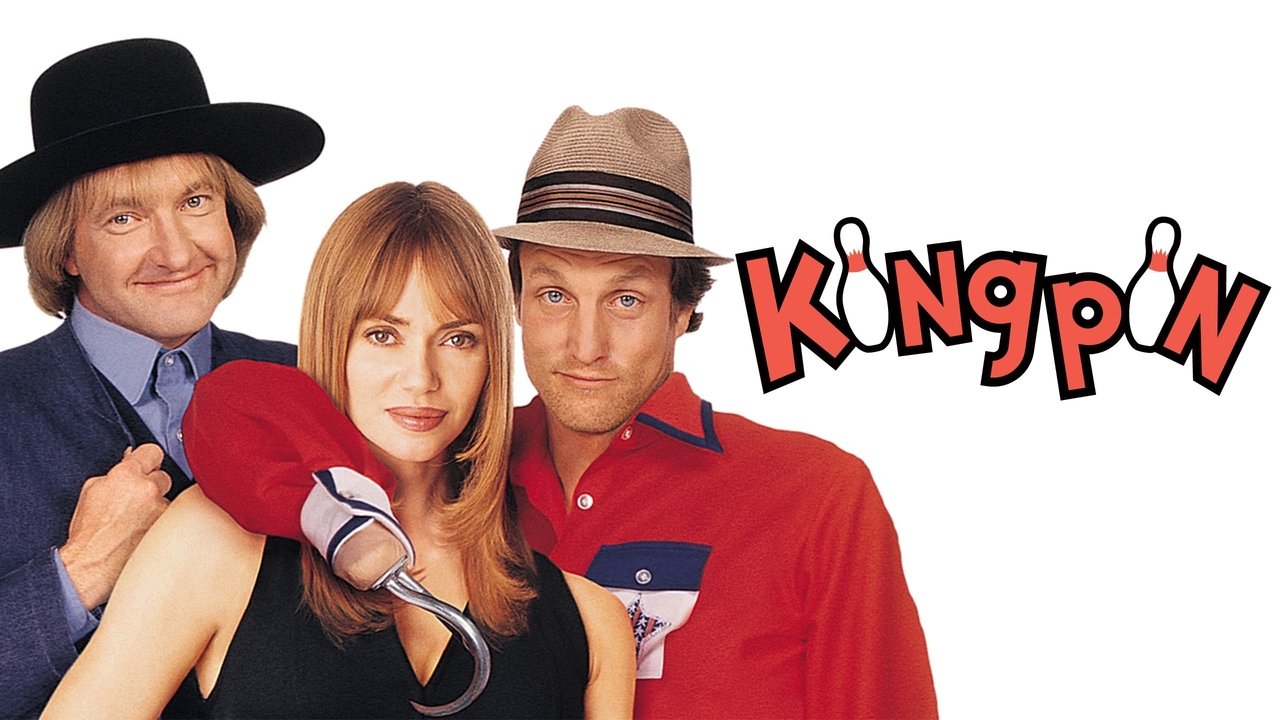
Of course, no 90s road trip comedy is complete without a captivating female lead caught up in the chaos. Enter Claudia, played by Vanessa Angel. She's sharp, resourceful, and initially entangled with some unsavory types, eventually joining Roy and Ishmael's quest. While the character might feel slightly underwritten by today's standards, Angel brings a necessary spark and acts as a surprisingly effective foil to both Munson's cynicism and Ishmael's naiveté. She's more than just eye candy; she holds her own in the comedic maelstrom, grounding some of the wilder flights of fancy. The chemistry between the three leads feels genuine, adding a layer of unexpected heart beneath the R-rated shenanigans.
### The Legend of Big Ern
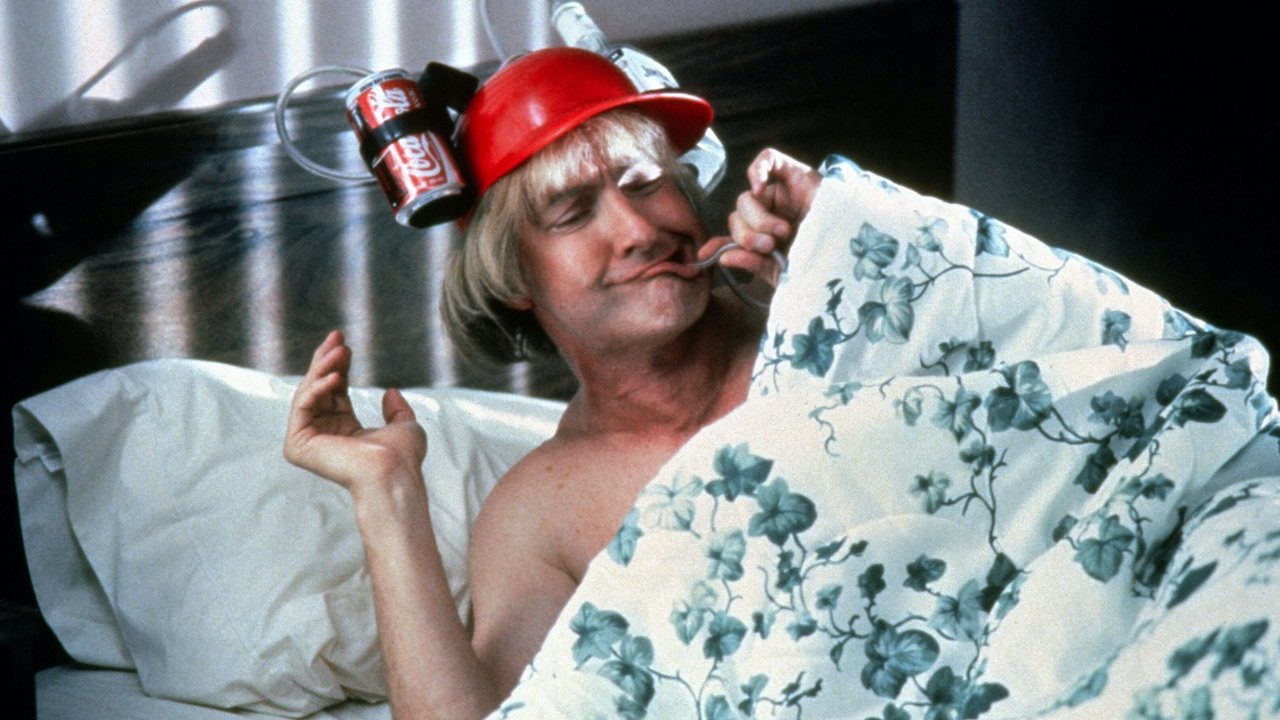
And then there's Bill Murray. Oh, Bill Murray. His portrayal of Ernie McCracken is an all-time classic comedic villain performance. Slimy, arrogant, utterly unrepentant, and sporting perhaps the most legendary comb-over in cinema history – a flourish Murray himself apparently suggested. Every moment McCracken is on screen is gold, dripping with condescending charm and sheer awfulness. His rivalry with Munson fuels the film's climax, and his lines ("It's McCracken!") are endlessly quotable. Filmed largely in and around Pittsburgh, Pennsylvania (standing in for locations from Iowa to Reno), the movie captures that slightly gritty, lived-in feel of small towns and smoky bowling alleys perfectly, providing a fitting backdrop for these larger-than-life characters.
### Crude, Charming, and Cult Classic
Let's be honest, Kingpin traffics in the kind of humor that defined the Farrelly Brothers' early work – a mix of slapstick, sight gags (that rubber hand gets quite a workout), gross-out moments (the landlord scene, anyone?), and surprisingly effective character work. Some jokes definitely feel like relics of the mid-90s and might land differently today, but the film's underlying sweetness and the cast's commitment sell even the most potentially cringe-worthy moments. It’s got that raw energy, that feeling that they were getting away with something, which feels distinctly pre-internet, pre-outrage cycle. Remember how shocking yet hilarious some of those gags felt back then, shared on fuzzy VHS dubs?
Despite the pedigree coming off Dumb and Dumber, Kingpin famously underperformed at the box office upon release, barely recouping its estimated $25 million budget. But like so many gems from the era, it found its true calling on home video, becoming a beloved cult classic passed around amongst friends. The killer soundtrack, packed with 70s and 80s rock anthems, certainly helped cement its vibe.
Rating: 8.5 / 10
Justification: While some humor hasn't aged perfectly, Kingpin earns this high score for its fantastic lead performances (Harrelson, Quaid, and Angel are a superb trio), Bill Murray's iconic villain, its genuinely funny moments that still land, and its surprisingly effective heart beneath the crudeness. It captures a specific, anarchic comedic energy of the 90s that's hard to replicate.
Final Thought: Kingpin is pure, unadulterated 90s comedy comfort food – a little greasy, maybe not entirely good for you, but undeniably satisfying. It's a perfect strike for the VHS era, a film that reminds you how much fun could be had when comedies dared to aim right for the gutter… and occasionally hit gold. Still Munsonable after all these years.