Okay, let's slide another tape into the VCR – this time, one that captures a battle fought not with explosions, but with network contracts, monologue jokes, and the subtle twist of a public relations knife. We're talking about HBO's 1996 film, The Late Shift, a fascinating time capsule dramatizing the messy, high-stakes war for Johnny Carson's Tonight Show throne between Jay Leno and David Letterman. Forget dusty VHS tapes for a moment; this felt like watching recent history unfold, barely cooled, right there on our flickering CRT screens.
### More Than Just Jokes
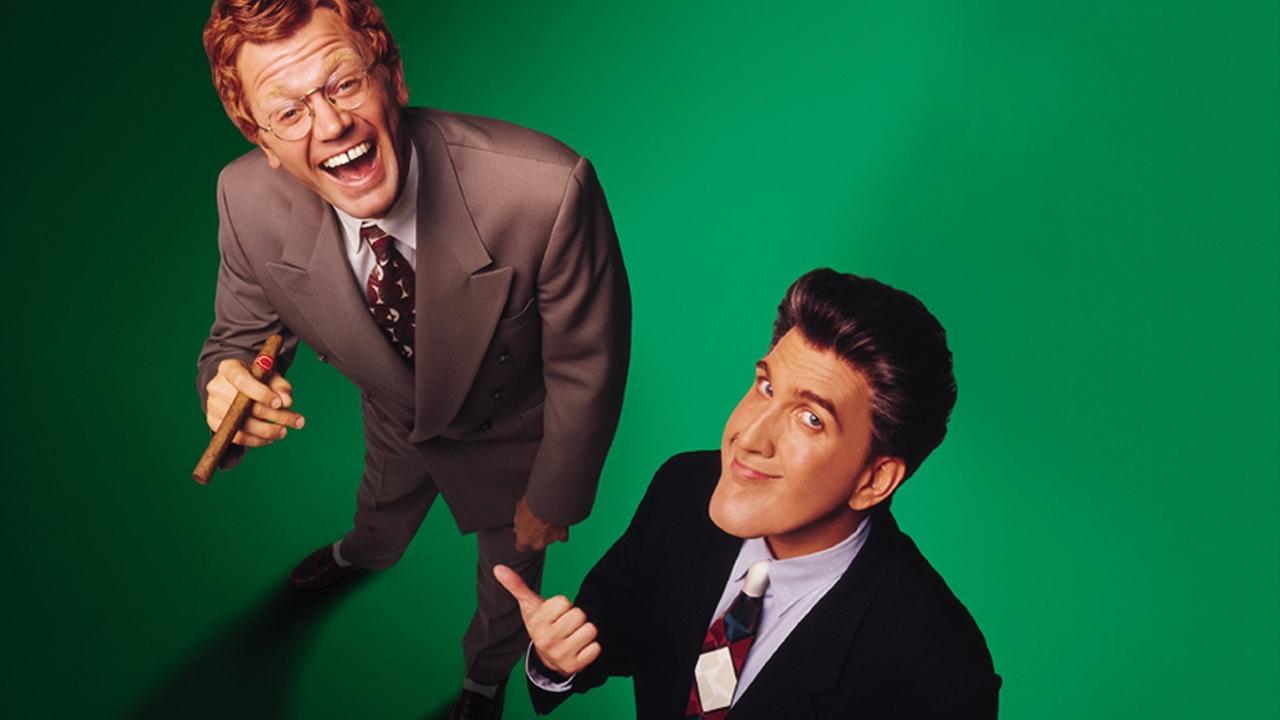
What strikes you immediately about The Late Shift, especially watching it now, is how it captures a specific turning point not just in late-night television, but in media culture itself. Directed by Betty Thomas (who, perhaps surprisingly after helming comedies like The Brady Bunch Movie, showed a deft hand with this docudrama), the film dives headfirst into the corporate intrigue, bruised egos, and backroom dealings that followed Carson's retirement announcement. Based on Bill Carter's meticulously researched book of the same name (Carter also co-wrote the screenplay with George Armitage), it manages to make network executive meetings feel almost as tense as a thriller's climax. Remember that feeling in the early 90s? Choosing your late-night camp felt weirdly significant, a minor declaration of personality. This film taps right back into that, reminding us why it all felt like such a big deal.
### Capturing Lightning (and Chins) in a Bottle
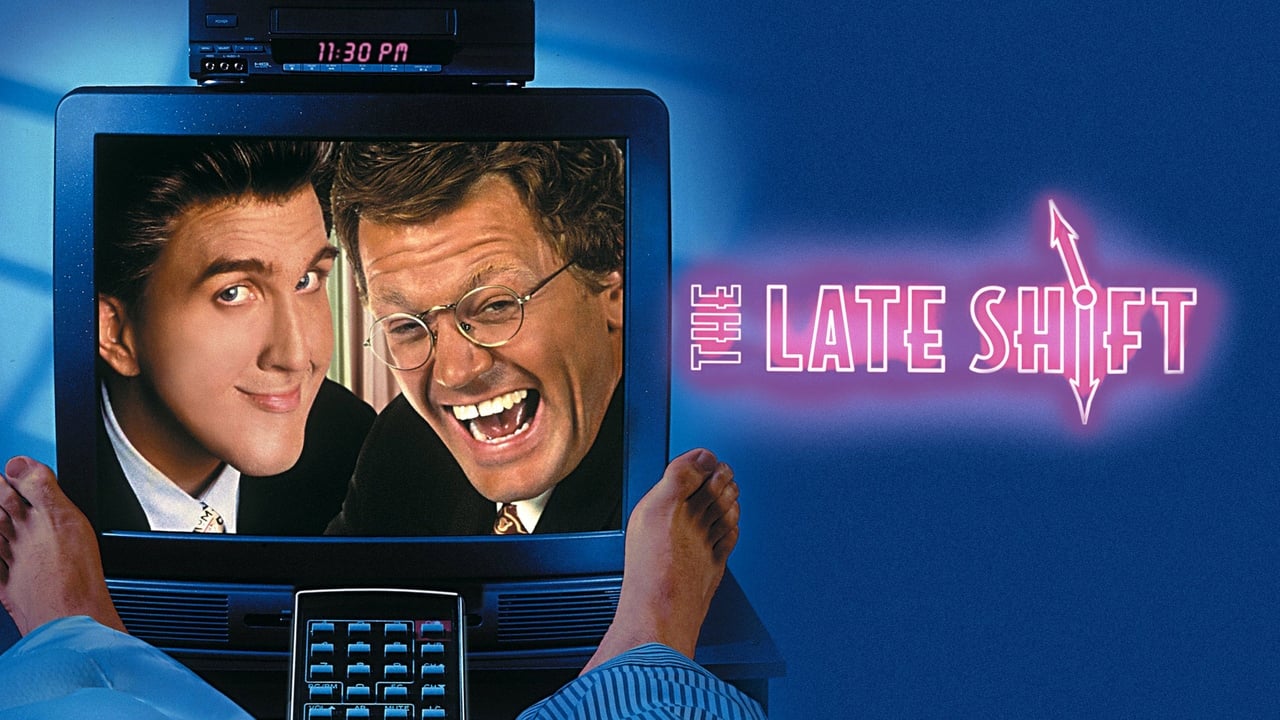
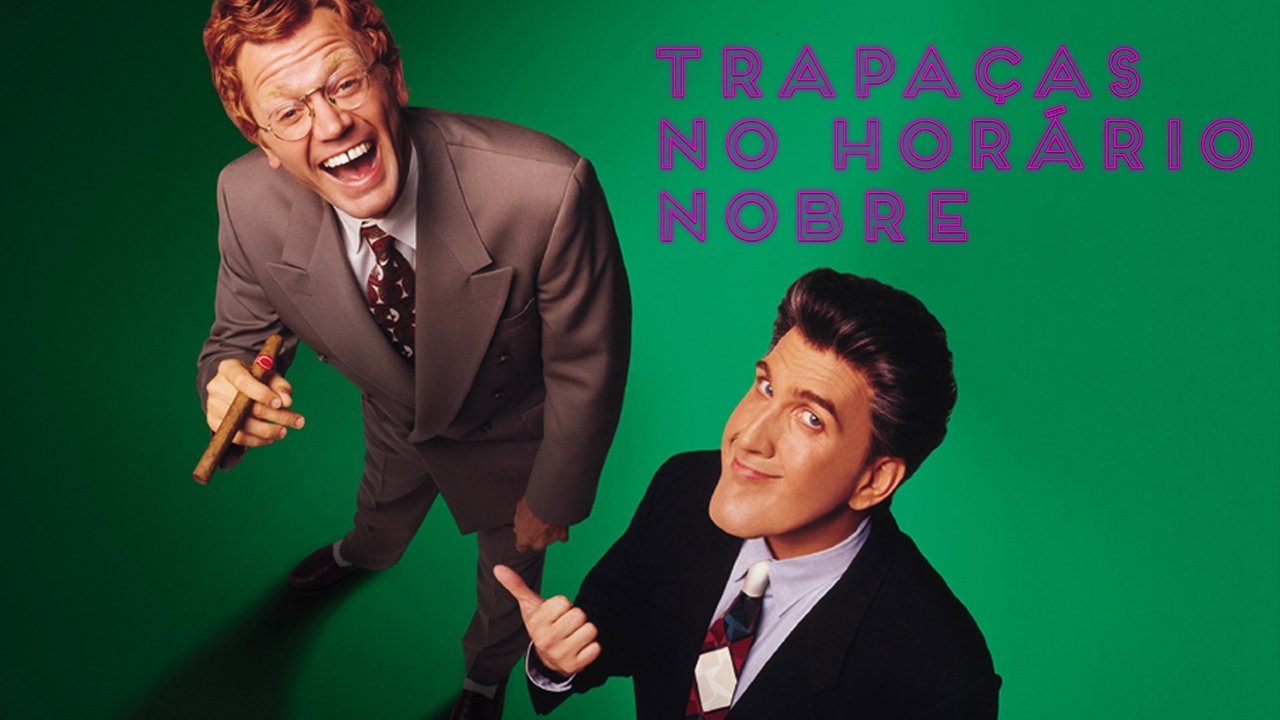
The heart of the film, inevitably, lies in its portrayals of the key players. And this is where The Late Shift truly shines, particularly with John Michael Higgins as David Letterman. It’s more than just mimicry; Higgins absolutely nails Letterman's distinctive blend of Midwestern irony, simmering insecurity, and that slightly wounded, intelligent energy. You see the hurt, the calculation, the awkward charm – it's a performance that feels lived-in, grounding the entire affair. Apparently, Higgins immersed himself, watching hours of tapes to capture not just the voice and mannerisms, but the essence of Dave.
On the other side of the desk, Daniel Roebuck takes on Jay Leno. While perhaps not quite as uncannily transformative as Higgins, Roebuck effectively conveys Leno's relentless work ethic, his people-pleasing drive that masked a steely ambition, and yes, the chin. It's a sympathetic portrayal, capturing the man often painted as the less "cool" contender, driven by a perhaps simpler, but no less powerful, desire to inherit Carson's mantle. Watching them navigate their awkward interactions, knowing the real-world outcome, adds a layer of almost tragic irony.
### The Agent Provocateur
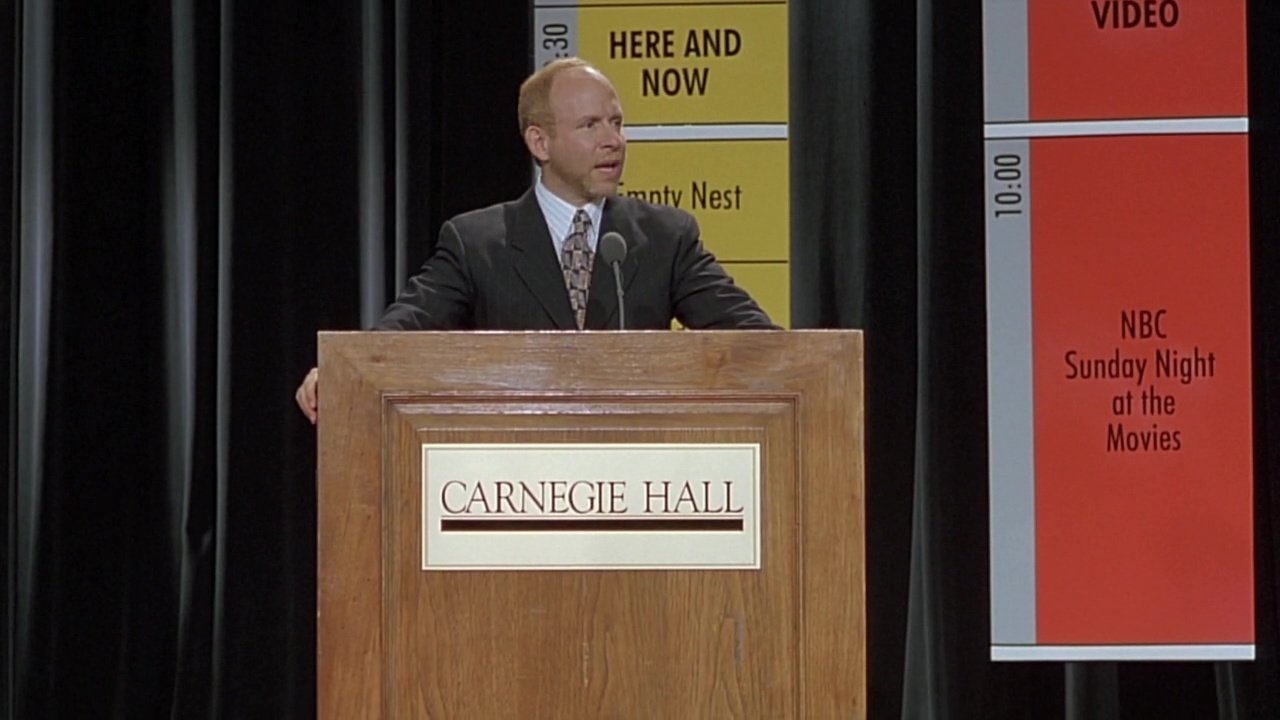
And then there's Kathy Bates as Michael Ovitz. Casting the formidable Bates as the notoriously powerful agent – then head of CAA and widely considered the most influential man in Hollywood – was a masterstroke. It sidesteps direct impersonation, allowing Bates to embody the sheer force of will and intimidating negotiating prowess that made Ovitz legendary (or infamous, depending on who you asked). Her scenes crackle with tension; she’s the puppet master pulling strings, the kingmaker in a Brooks Brothers suit (so to speak). It was a bold choice – Ovitz himself was reportedly not amused by the film or Bates's portrayal – but it pays off, adding a unique dynamic to the power plays. Word is, Bates drew inspiration less from Ovitz himself and more from the idea of that level of power broker, which arguably makes the character even more compelling.
### Behind the Polished Desk
Making The Late Shift wasn't without its challenges. Filming a story about very public, still-active figures is always a minefield. Leno and Letterman, understandably, kept their distance, neither endorsing nor actively condemning the project initially, though Leno later expressed dislike for his portrayal. NBC and CBS executives were also reportedly wary. HBO, however, leaned into the buzz, promoting it as a peek behind the curtain everyone was curious about. The budget, while decent for a 1996 TV movie (reportedly around $8-10 million), required Betty Thomas to be creative, focusing on character interactions and leveraging existing knowledge of the settings rather than elaborate reconstructions.
One fascinating detail often mentioned is how the script had to condense Carter's dense, detailed book, focusing tightly on the succession battle itself. Some nuances and side players were inevitably streamlined, but the core conflict remains sharp and engaging. It’s a testament to the writing and direction that a story largely consisting of phone calls, meetings, and hushed conversations maintains such momentum. Did you know that the film actually beat its network rivals in the ratings on the night it premiered? A delicious irony, considering the subject matter.
### Lasting Impressions
Does The Late Shift hold up? Absolutely. It's a smartly written, exceptionally well-acted docudrama that captures a specific moment in pop culture history with surprising nuance. It doesn’t necessarily take sides, presenting both Leno and Letterman as complex figures driven by ambition, loyalty (however misplaced), and vulnerability. It makes you ponder the nature of fame, the ruthlessness of the entertainment business, and the strange ways careers and legacies are forged. What lingers most is the human drama beneath the corporate maneuvering – the broken promises, the strategic leaks, the sheer emotional toll of vying for the ultimate prize in television comedy.
Rating: 8/10
This score reflects the film's standout performances, particularly John Michael Higgins's Letterman, its tight scripting, and its effective capture of a fascinating real-life media saga. It successfully translates intricate backstage politics into compelling drama, elevated by Kathy Bates's powerhouse turn. While inherently limited by its TV movie scope and the need to condense events, it remains a sharp, insightful, and highly entertaining piece of 90s television history. It leaves you wondering: in the cutthroat world of entertainment, is there ever really a winner without significant collateral damage? A question as relevant now as it was back then, watching the late-night guard change on our rabbit-eared TVs.