Alright fight fans, gather 'round the flickering glow of the CRT. Remember the late 90s? The PlayStation was king, 3D fighters were evolving at lightning speed, and the promise of seeing our favorite polygon-pummeling characters brought to life in another medium felt electric. Before Hollywood stumbled through its live-action attempts, we got Tekken: The Motion Picture, a two-part OVA (Original Video Animation) from 1998 that landed on VHS shelves like a Mishima Zaibatsu shipping crate full of moody stares and questionable physics. For many of us, finding this tape – maybe even a slightly dodgy fansub copy before ADV Films brought it over officially – felt like uncovering a secret chapter of the King of Iron Fist Tournament.
### Back to the Arcade, Sort Of
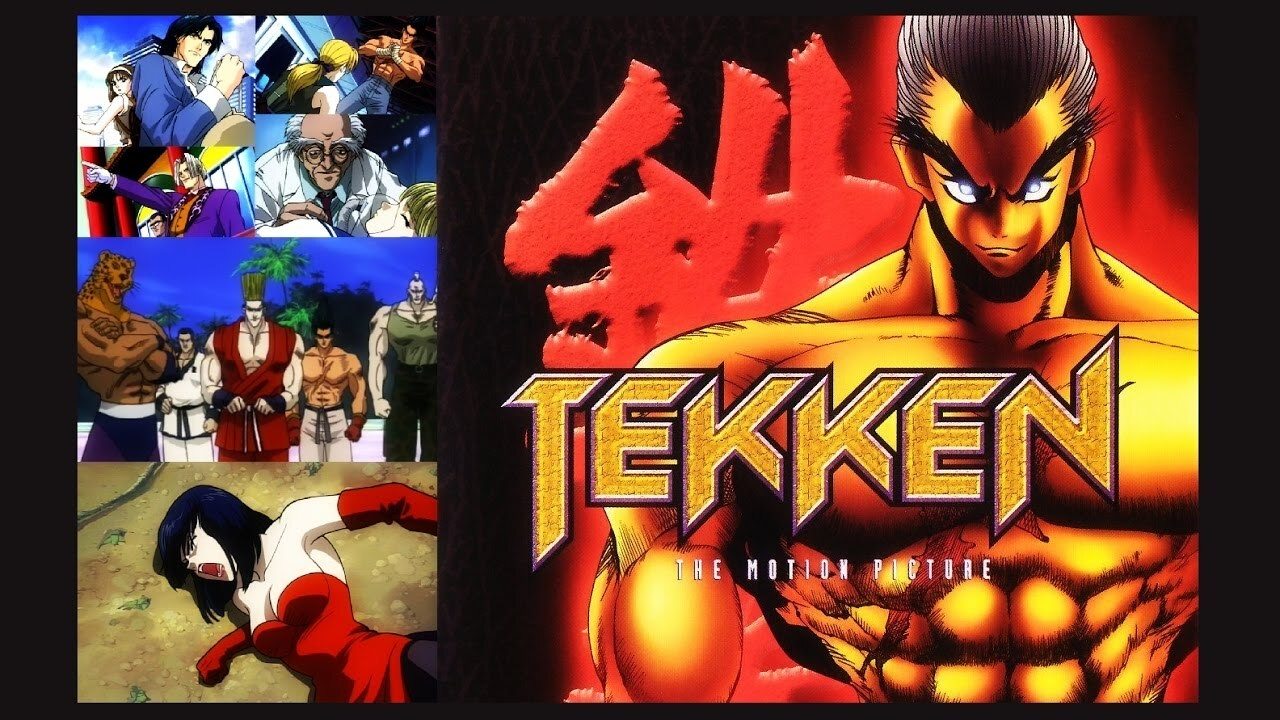
Directed by Kunihisa Sugishima, whose anime resume includes work on shows familiar to many 90s kids like Ronin Warriors (Yoroiden Samurai Trooper), this animated feature dives headfirst into the dark heart of the Tekken saga, primarily pulling from the storylines of the first two games. The plot orbits the eternally simmering father-son hatred between the brutal Heihachi Mishima (Daisuke Gōri giving him that terrifyingly deep voice in the original Japanese) and the vengeful Kazuya Mishima (Kazuhiro Yamaji). Heihachi, ever the charming patriarch, announces another King of Iron Fist Tournament, drawing fighters from across the globe to his isolated island fortress. Among them is Jun Kazama (Yumi Tōma), an animal protection officer investigating Mishima Zaibatsu's shady dealings, who finds herself strangely drawn to the darkness within Kazuya.
It’s classic Tekken: a thinly veiled excuse for brutal combat wrapped in operatic family melodrama. The OVA leans heavily into Kazuya's tormented past (you know, being thrown off a cliff by dear old dad) and his internal struggle with the Devil Gene. Jun serves as the conscience, trying to pull him back from the brink. It attempts to give the core conflict some emotional weight, which was ambitious for a video game adaptation back then.
### Translating Polygons to Cel Animation
Now, let's talk about how this thing looks and moves. Forget photorealistic CGI; this is pure late-90s anime craft. The character designs, overseen by Hideyuki Motohashi (whose credits also include work on Fushigi Yûgi and later Hikaru no Go), are impressively faithful to the Tekken 2-era game models. Seeing Lei Wulong, Nina and Anna Williams, Michelle Chang, Lee Chaolan, and others rendered in traditional 2D animation felt like a genuine thrill at the time. They looked like the characters we spent hours mastering in the arcade or on the console.
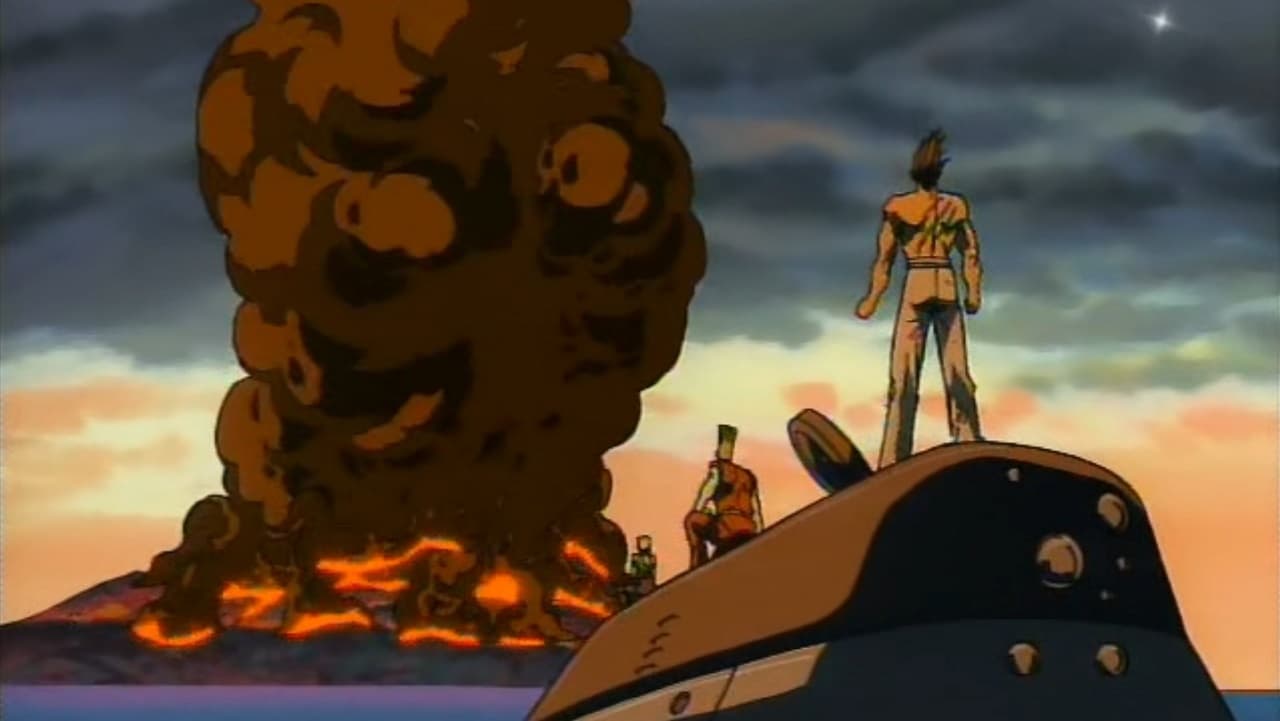
But how did the action translate? Well, that's where the VHS fuzziness might actually help. The animation, produced by Studio Deen (though often credited to Ashi Productions elsewhere, sources vary), captures the poses and signature moves well enough. You'll see Kazuya's Dragon Uppercut and Jun's unique defensive style. However, compared to the fluidity of contemporaries like Street Fighter II: The Animated Movie (1994), the movement here can often feel... stiff. Fights sometimes devolve into a series of impactful stills rather than flowing sequences. It’s a limitation of its OVA budget and the era's animation techniques trying to replicate complex 3D choreography. There’s a certain raw, unpolished energy, though. When a punch connects, it looks like it hurts, lacking the smooth, sometimes weightless feel of modern digital animation. They weren't afraid to show some impact, even if the animation itself wasn't always top-tier.
A fun retro fact: OVAs like this were often produced with tighter budgets and schedules than theatrical releases or long-running TV series, aiming directly at the dedicated home video market (our beloved VHS!). This often meant compromises in animation quality but allowed for potentially darker or more niche stories not suited for broadcast TV. Tekken definitely fits that bill.
### More Than Just Mishimas?
While the Kazuya/Jun/Heihachi triangle gets the most screen time, the OVA does try to juggle a sizable roster. Lee Chaolan gets a decent supporting role as Kazuya’s adoptive brother and rival, complete with his signature smugness. The Williams sisters, Nina and Anna, have a subplot involving assassination attempts that feels slightly tacked-on but provides some familiar femme fatale action. Other fighters like Paul Phoenix, Marshall Law, King, Armor King, Ganryu, and Prototype Jack mostly cameo during tournament montages or brief encounters. It’s a tough balancing act, trying to service fan expectations while telling a coherent story, and honestly, most of the supporting cast feels underdeveloped, existing primarily for brief flashes of recognition. Remember trying to spot your main during those quick cuts?
The English dub, handled by ADV Films, is... well, it’s a 90s anime dub. Some voices fit surprisingly well, others feel a bit generic or overly dramatic, but it holds a certain nostalgic charm for those who primarily experienced anime that way back then. The original Japanese track, however, features veteran voice actors who bring a palpable intensity, especially Gōri's Heihachi, a performance sadly silenced by his passing in 2010.
### Legacy of the Iron Fist (on Tape)
Was Tekken: The Motion Picture a knockout success? Critically, it landed with a bit of a thud, often criticized for its rushed narrative and animation shortcomings even back in '98. Compared to the game series' explosive popularity, the anime adaptation felt somewhat muted. Yet, for die-hard Tekken fans hungry for any extended media, it was a must-watch. It captured the brooding atmosphere and the core Mishima conflict reasonably well, and seeing those character designs animated was undeniably cool.
It stands as a fascinating time capsule – a glimpse into the ambitions and limitations of adapting complex 3D fighting games into traditional animation during the peak VHS era. It might not be a flawless victory, but it’s a significant piece of Tekken history.
Rating: 5/10
Justification: The score reflects the OVA's earnest attempt to adapt the game's core drama and its faithfulness to character design (positives worth 3 points). The often stiff animation, rushed plot, and underdeveloped supporting cast detract significantly (negatives pulling it down). However, factoring in the nostalgic value for fans of the era and the decent voice work (especially Japanese), it earns a couple more points to land squarely in the middle. It's flawed, certainly, but not without merit for its target audience.
Final Thought: Before the glossy, motion-captured battles of today, Tekken: The Motion Picture offered a grittier, hand-drawn vision of the Iron Fist Tournament – a slightly wobbly but earnest artifact from a time when seeing game worlds expand onto tape felt like magic, static and all. Worth digging out of the crate if you’re a Mishima historian.