It’s a strange magic, isn’t it, when a film seems to conjure lightning in a bottle? Back in 1998, amidst the usual blockbuster fare and emerging indie darlings vying for space on the video store shelves, Shakespeare in Love arrived. It felt, perhaps, a little unexpected – a witty, romantic period piece imagining the emotional turmoil behind the ink-stained pages of Romeo and Juliet. Yet, watching it then, and revisiting it now, there's an undeniable spark, a cleverness interwoven with genuine heart that feels both timeless and distinctly of its late-90s moment. It wasn't just another costume drama; it was alive.
A Muse in Disguise
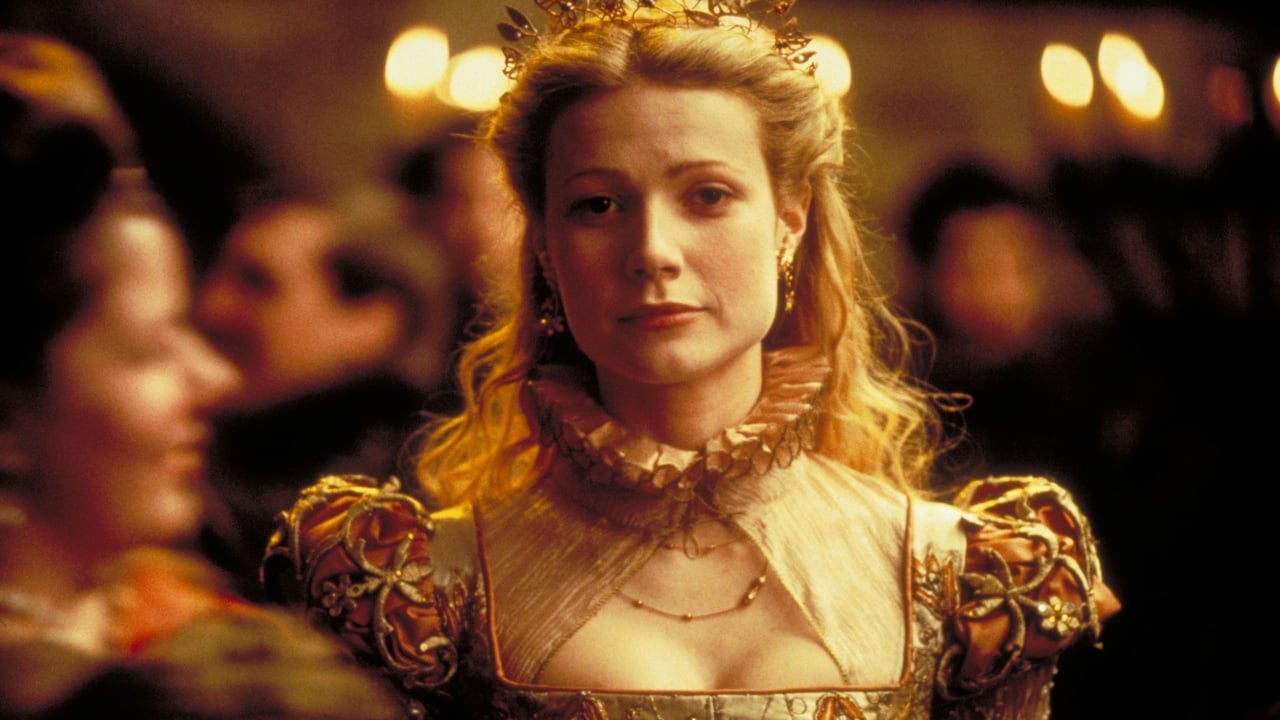
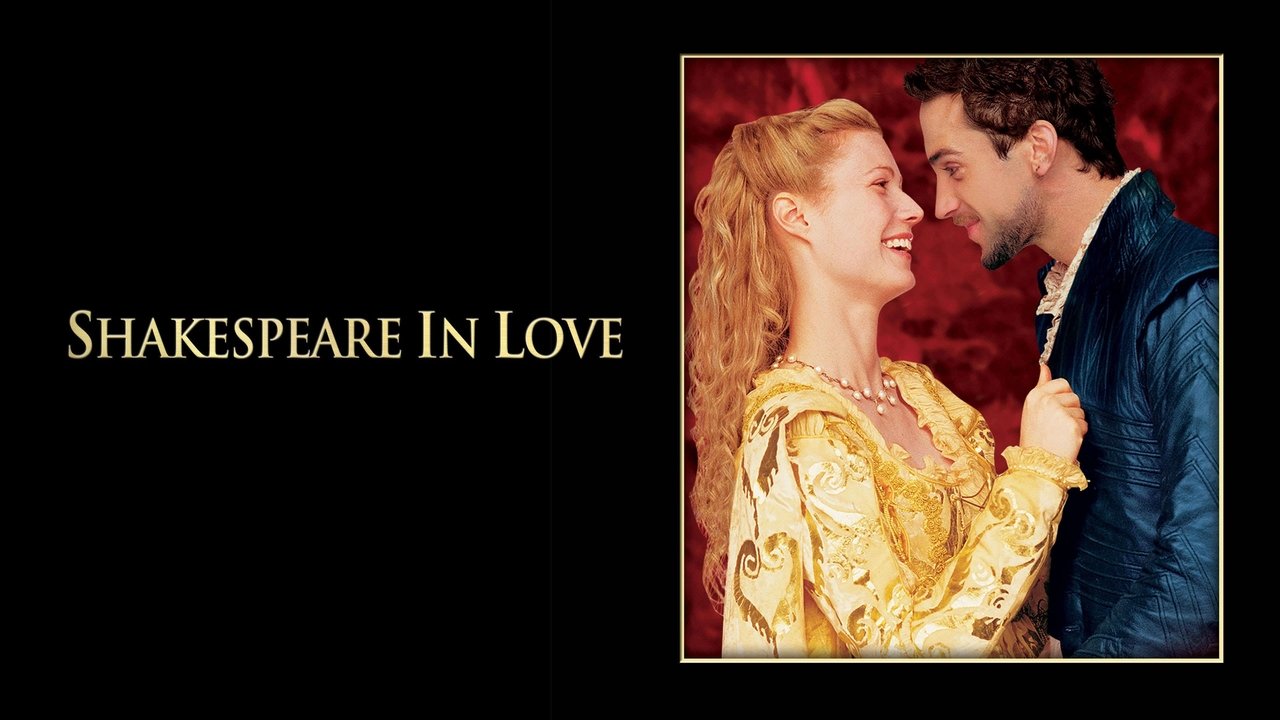
The premise itself is pure invention, yet feels poetically true. A young, struggling Will Shakespeare (Joseph Fiennes, in a role that perfectly captured both creative angst and burgeoning passion) is beset by writer's block, debt, and the pressure to deliver a new comedy, Romeo and Ethel, the Pirate's Daughter. Inspiration, it seems, is drier than a forgotten ale cask. Enter Viola De Lesseps (Gwyneth Paltrow, radiating intelligence and desire), a wealthy merchant's daughter who yearns for the stage – a world forbidden to women – and disguises herself as a man, Thomas Kent, to audition for Will's play. Their instant, forbidden connection becomes the crucible forging tragedy from comedy, transforming Will's hackneyed plot into the searing romance we know. It's a conceit that could easily fall flat, but the execution, guided by John Madden's nimble direction (The Best Exotic Marigold Hotel), is pitch-perfect.
Words, Wit, and Wonder
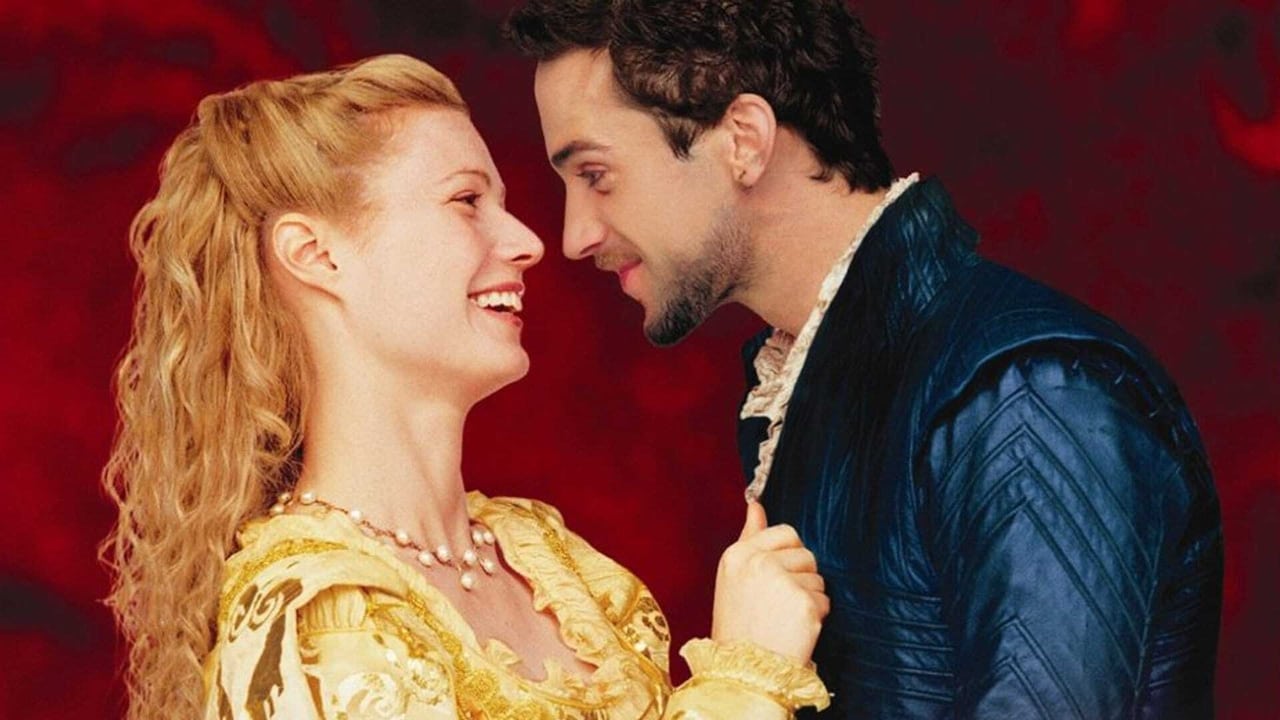
What truly elevates Shakespeare in Love beyond mere historical fantasy is the screenplay. Co-credited to Marc Norman and, crucially, the renowned playwright Tom Stoppard (Rosencrantz & Guildenstern Are Dead), the dialogue crackles with wit, playful anachronisms ("A spot of tea?"), and a deep understanding of both Elizabethan theatre and the human heart. Stoppard's fingerprints are all over the clever interplay, the doubling motifs, and the sheer joy taken in language. It's a script that rewards attention, layering jokes about theatrical rivalries, financial woes (poor Henslowe, played with wonderful anxiety by Geoffrey Rush), and the messy, miraculous process of creation. Remember the scene where Will tries to explain the plot of the evolving play? It’s chaotic, hilarious, and somehow utterly believable as the birth pangs of genius. This wasn't just a movie about Shakespeare; it felt like something he might have enjoyed watching, full of bawdy humor, mistaken identities, and grand passions.
Interestingly, the project had lingered in development for years. Universal Pictures initially had Julia Roberts attached to play Viola back in the early 90s, but she reportedly insisted on Daniel Day-Lewis as her Shakespeare. When he wasn't keen, the project stalled until Miramax revived it with Madden and the eventual cast. It's hard to imagine it any other way now; the chemistry between Fiennes and Paltrow is central to the film's success.
Players Upon the Stage
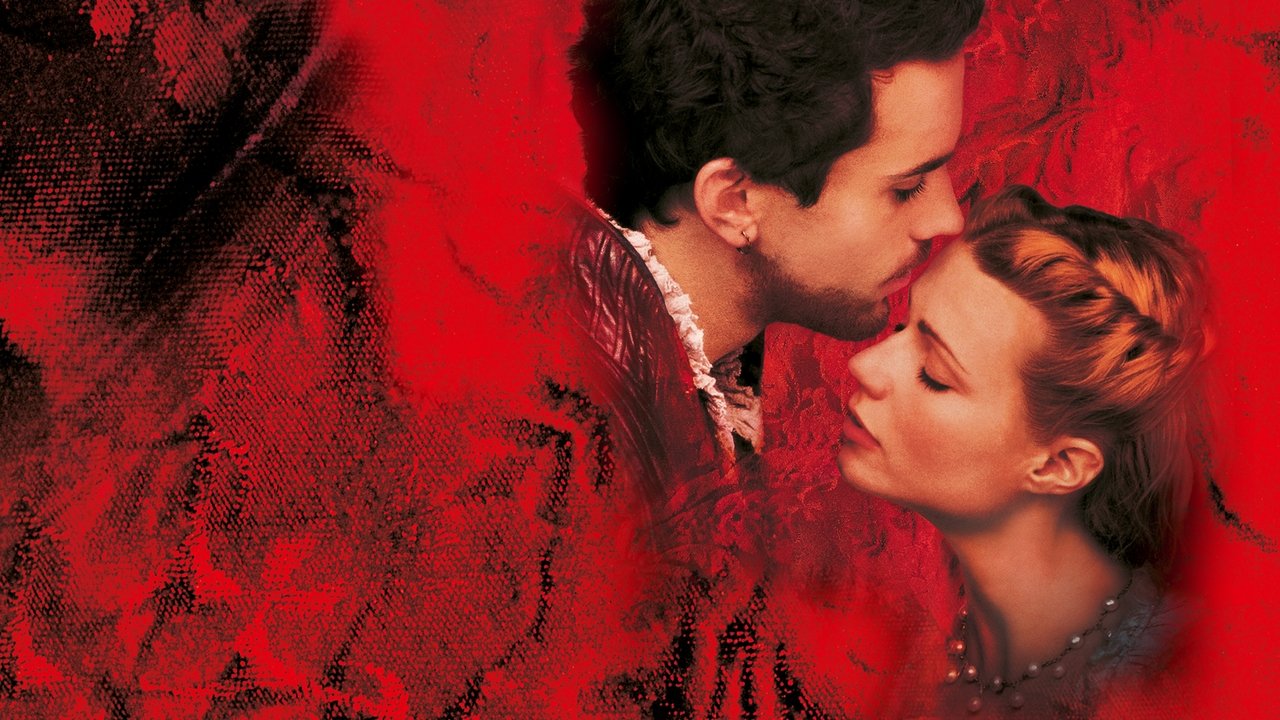
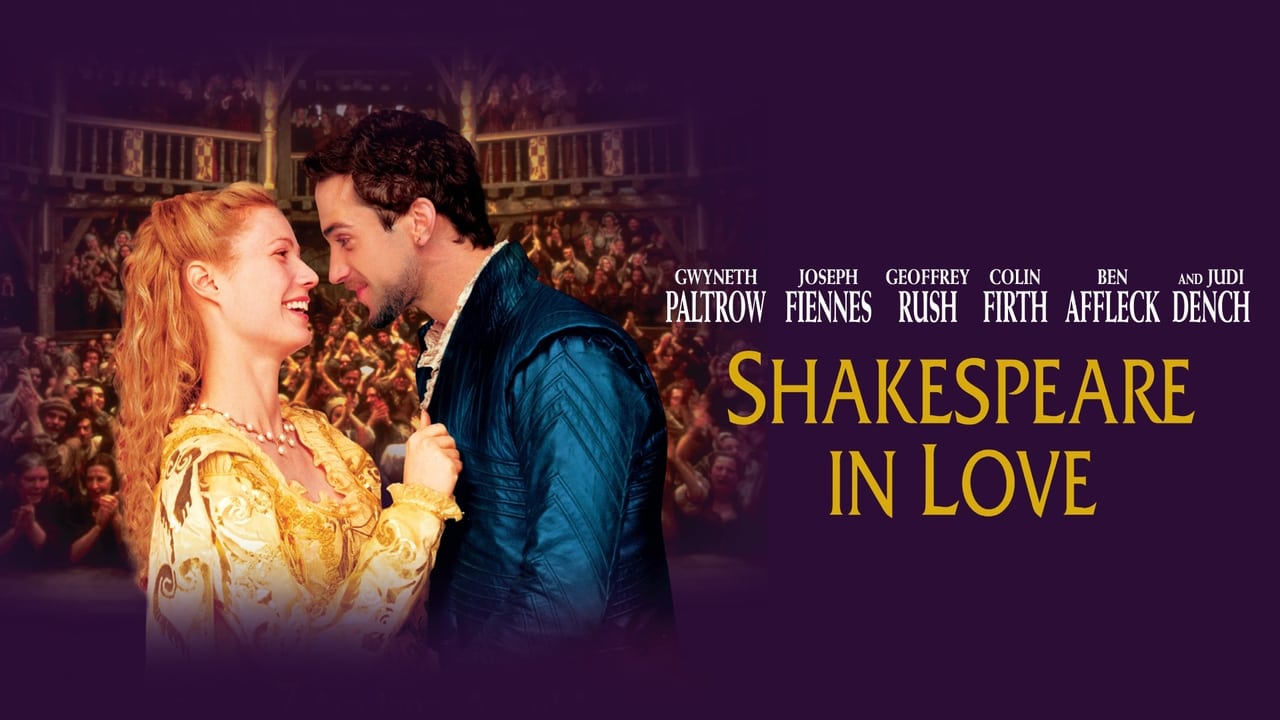
Gwyneth Paltrow won the Best Actress Oscar for her portrayal of Viola, and it’s easy to see why. She captures Viola’s yearning, her intelligence constrained by societal ropes, and the thrill of finding both love and artistic expression. Her transformation from the composed lady to the passionate 'Thomas Kent' feels authentic. Joseph Fiennes, meanwhile, embodies the young Bard not as a remote icon, but as a relatable, flawed, fiercely talented man driven by desire and inspiration. Their connection feels earned, their stolen moments charged with an intoxicating blend of intellectual sparring and physical longing.
The supporting cast is an embarrassment of riches. Geoffrey Rush is brilliant as the perpetually stressed theatre owner Philip Henslowe, delivering lines like "Strangely enough, it all turns out well" with a perfect deadpan that hides utter panic. ("How? It's a mystery!"). And then there's Dame Judi Dench as Queen Elizabeth I. In arguably one of the most impactful Oscar-winning performances for Supporting Actress relative to screen time (around eight minutes!), she dominates every scene she’s in, embodying regal authority, sharp wit, and a surprising understanding of the human heart. Her pronouncements ("I know something of a woman in a man's profession. Yes, by God, I do know about that.") land with delicious precision. Colin Firth as the stuffy Lord Wessex and Tom Wilkinson as the skeptical actor-manager Burbage add further layers to this vibrant tapestry.
Crafting the Elizabethan Buzz
Beyond the script and performances, the film immerses you in its world. The production design beautifully recreates both the muddy streets and the nascent energy of London's theatre scene – the Rose Theatre feels tangible, a place of chaos and magic. It wasn't all shot on soundstages, either; Broughton Castle in Oxfordshire and the chapel at Eton College lent authentic historical backdrops. The film manages to feel both grand and intimate, capturing the scale of the plays while focusing tightly on the personal dramas unfolding backstage. It reportedly cost around $25 million but went on to gross nearly $290 million worldwide, a testament to its broad appeal. It tapped into something audiences were hungry for – smart, romantic, and beautifully executed entertainment.
Of course, its triumphant night at the Oscars, famously winning Best Picture over Saving Private Ryan, remains a point of discussion for film buffs. Much credit (or perhaps notoriety, depending on your view) is given to the aggressive awards campaign run by Miramax at the time. But separating the film from the campaign noise, Shakespeare in Love stands on its own merits as a wonderfully crafted piece of cinema.
---
Rating: 9/10
This score reflects the film's exceptional script, stellar performances across the board (especially Paltrow, Fiennes, Rush, and Dench), masterful direction, and its sheer, infectious charm. It blends romance, comedy, and historical fiction with rare intelligence and heart. While perhaps not possessing the visceral impact of some other contenders that year, its wit, warmth, and celebration of creativity make it a near-perfect example of its kind. It loses a point only perhaps because, viewed decades later, some of the romantic tropes feel familiar, even if handled beautifully here.
Shakespeare in Love remains a joyous celebration of language, love, and the chaotic miracle of theatre. It reminds us that even the greatest stories might have sprung from the most human, and sometimes messy, of inspirations. It’s the kind of film that makes you fall in love with movies – and maybe even poetry – all over again. A true gem from the tail end of the VHS era.