There's a certain frequency that cuts through the static of memory, a signal broadcast from a specific time and place that still resonates decades later. Sometimes it’s the crackle of needle on vinyl, other times the hiss of a C90 cassette. For a generation of Italians, and for those lucky enough to discover it on import VHS or at a film festival, that signal often sounds like Radiofreccia (1998). It’s more than just a film; it feels like a transmission from a shared past, heavy with the smoke of cheap cigarettes, the sting of disillusionment, and the defiant pulse of rock and roll broadcast from a makeshift studio.
Echoes from Emilia-Romagna
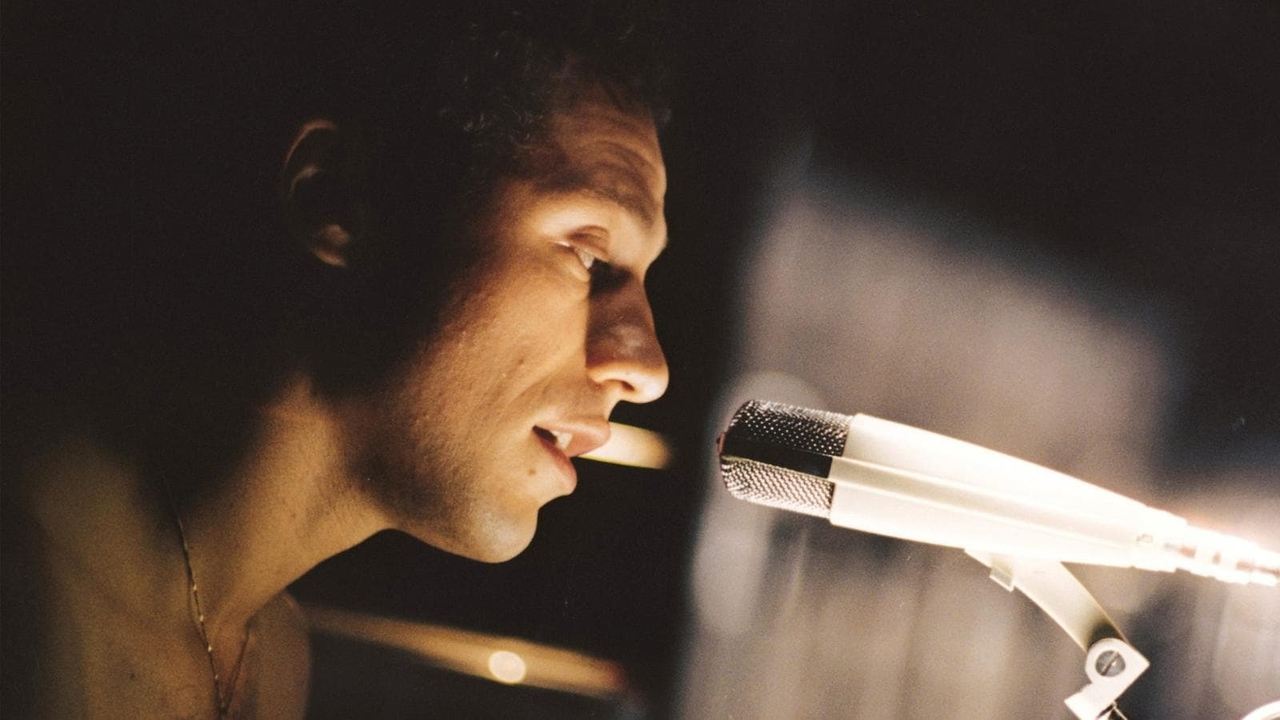
Directed by Italy’s beloved rock star Luciano Ligabue in his stunning directorial debut, Radiofreccia isn't a film you simply watch; it’s one you absorb. Based on his own semi-autobiographical collection of short stories, "Fuori e dentro il Borgo," Ligabue transports us to a small town in the Emilia-Romagna region, his own backyard, capturing the languid pace and simmering frustrations of provincial life between the 1970s and the 1990s. The story orbits around a group of five friends – Bruno, Vittorio, Boris, Ivan, and Freccia – navigating the treacherous landscape between adolescence and an uncertain adulthood. Their escape, their lifeline, becomes a pirate radio station they christen "Radiofreccia" – Arrow Radio.
Bruno (played with quiet intensity by Luciano Federico) is the voice, the curator of sounds that offer solace and rebellion against the suffocating normalcy. But the heart of the film, the soul laid bare, belongs to Freccia (Arrow), portrayed in a career-defining performance by Stefano Accorsi. Freccia embodies the tragic trajectory of a generation caught between dreams and the harsh realities of drug addiction, specifically heroin, which ravaged communities across Italy (and indeed, much of the world) during that era.
The Unflinching Gaze
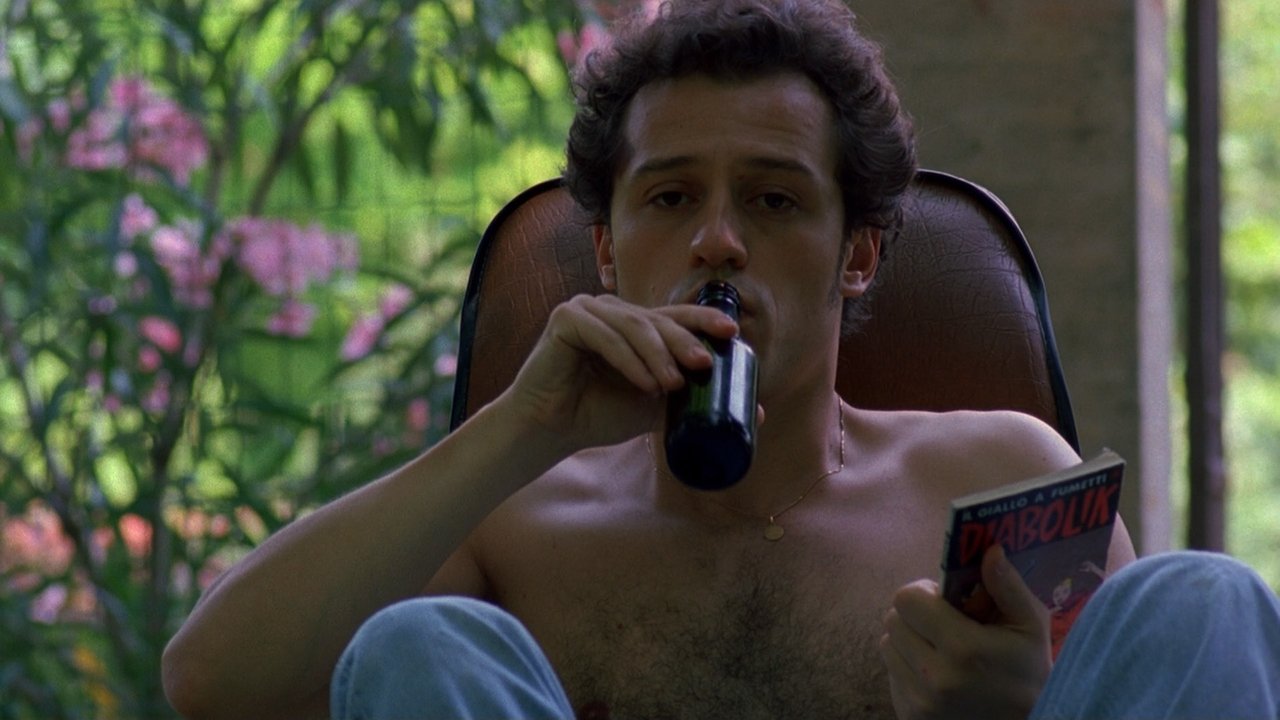
What makes Radiofreccia linger long after the tape ejects is its unflinching honesty. Ligabue, stepping behind the camera for the first time, directs with a raw sensitivity that feels remarkably assured. There’s no Hollywood gloss here, no easy redemption arcs. The friendships feel authentic, forged in shared boredom, cheap wine, and the universal language of music. Their banter, their arguments, their loyalty – it all rings true. You feel the claustrophobia of the town, the magnetic pull of the local bar, the desperate yearning for something more.
The film doesn't shy away from the devastating impact of addiction. Freccia's descent is portrayed without melodrama but with a quiet, heartbreaking inevitability. Accorsi is simply astonishing. He captures the initial charm, the vulnerability, the creeping desperation, and the ultimate exhaustion of the addict with a truthfulness that is deeply affecting. It's a performance that rightly earned him a David di Donatello award (Italy's Oscar equivalent) for Best Actor and cemented his status as a major star. Ligabue himself has spoken about how Accorsi immediately understood the character's fragility and inner turmoil during casting.
From Stage to Screen: Ligabue's Vision
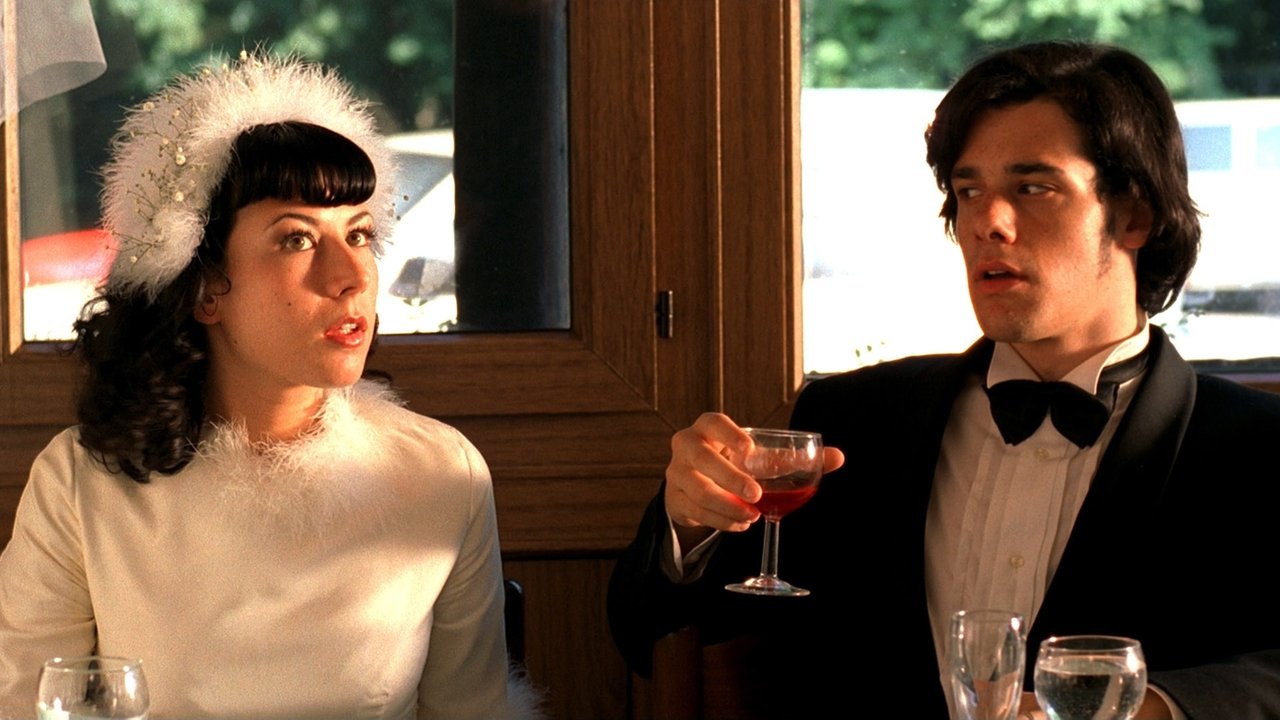
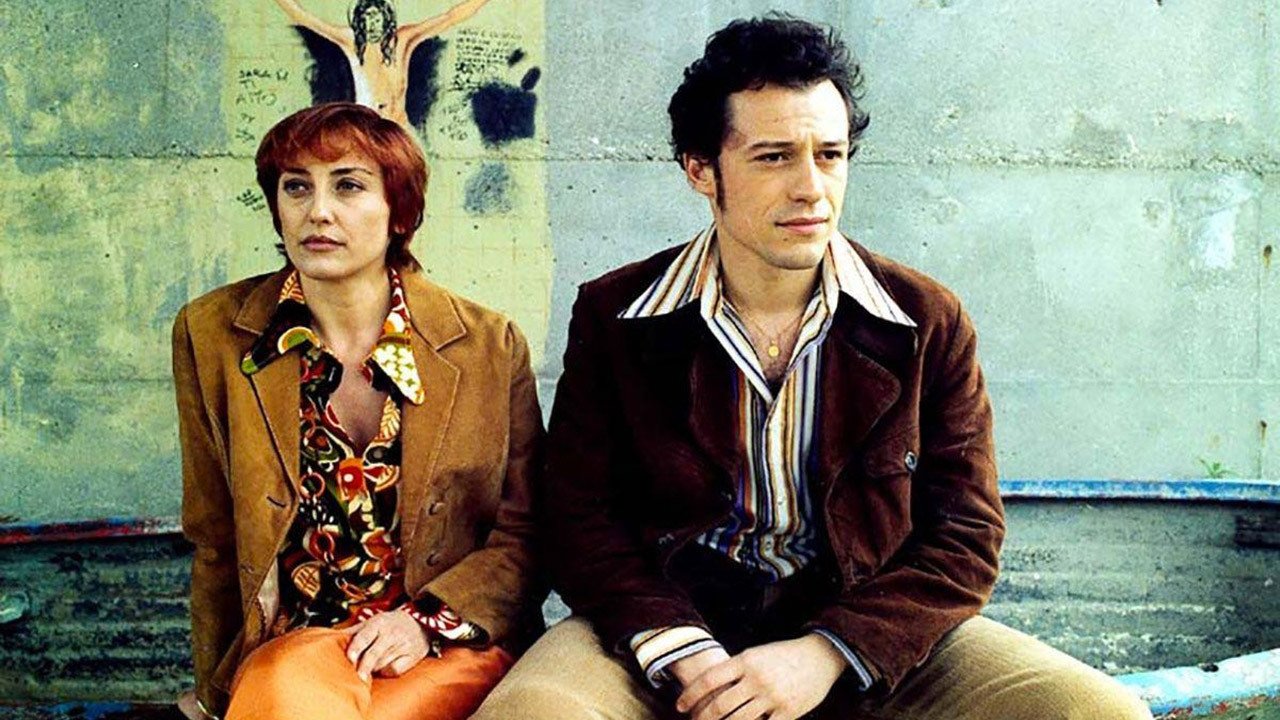
It was a considerable gamble for Luciano Ligabue, already a bona fide rock god in Italy, to step into filmmaking. Yet, his transition feels utterly organic. His musician's ear informs the film's rhythm, its pacing, and, naturally, its killer soundtrack – a blend of his own evocative tracks and iconic rock anthems that serve as the narrative's emotional underscore. The decision to shoot on location in and around his hometown of Correggio lends an undeniable layer of authenticity. The very streets, the fog-laden fields, the specific cadence of the local dialect (which can present a challenge in translation but adds immense texture) – it all contributes to a palpable sense of place.
The production itself mirrored the film's spirit in some ways – made with passion on a relatively modest budget, relying on the power of its story and performances rather than spectacle. It became a phenomenon in Italy, not just critically acclaimed (winning three David di Donatello awards including Best New Director for Ligabue) but also a cultural touchstone, resonating deeply with audiences who saw their own experiences reflected on screen. The title track, also by Ligabue, became an anthem in its own right.
Why It Still Connects
Watching Radiofreccia today, perhaps on a well-worn tape dug out from the back of a shelf, evokes a particular kind of nostalgia. It’s not just for the era it depicts – the flared trousers, the smoky bars, the tangible presence of vinyl and radio waves – but for a type of filmmaking that feels increasingly rare. It's personal, specific, unafraid of melancholy, and deeply rooted in its cultural context. It reminds us of discovering hidden gems in the video store aisles, films from other countries that offered different perspectives, different rhythms. Didn't finding a film like this, something raw and unexpected, feel like uncovering a secret?
The film asks profound questions about memory, loss, and the paths not taken. What happens to the dreams forged in youth when confronted by the harsh realities of life? How do we reconcile the ghosts of our past with the present? The central motif of the radio station – a voice cutting through the silence, offering connection and escape – remains powerfully resonant. In an age of infinite digital streams, there’s something potent about the memory of a single, fragile signal reaching out across the airwaves.
Rating: 9/10
Radiofreccia earns its high marks for its unwavering authenticity, Stefano Accorsi's devastatingly brilliant performance, Luciano Ligabue's assured and heartfelt direction, and its powerful, bittersweet evocation of friendship, loss, and the enduring power of music. The regional specificity might be a slight barrier for some, but the universal themes of youth, disillusionment, and the search for meaning transcend borders. It’s a film that settles in your soul, a melancholic melody broadcast from a specific time and place, yet echoing with timeless truths.
It leaves you with a quiet ache, a profound sense of empathy, and perhaps the urge to dig out some old records – a poignant reminder that even the faintest signals from the past can still carry the weight of a life story.