Okay, pull up a comfy chair, maybe grab a Crystal Pepsi if you still have one stashed away somewhere (just kidding... mostly). Let's talk about a film that pirouetted onto screens right at the turn of the millennium, but feels deeply rooted in that optimistic, slightly glossy, late-90s vibe: Center Stage (2000). It might technically miss our usual 80s/90s cutoff, but honestly, watching it again feels like cracking open a time capsule from that specific moment – a world of low-rise jeans, chunky headphones, and dreams fuelled by equal parts classical discipline and pop-infused rebellion.
### The Pressure Cooker of Pointe Shoes
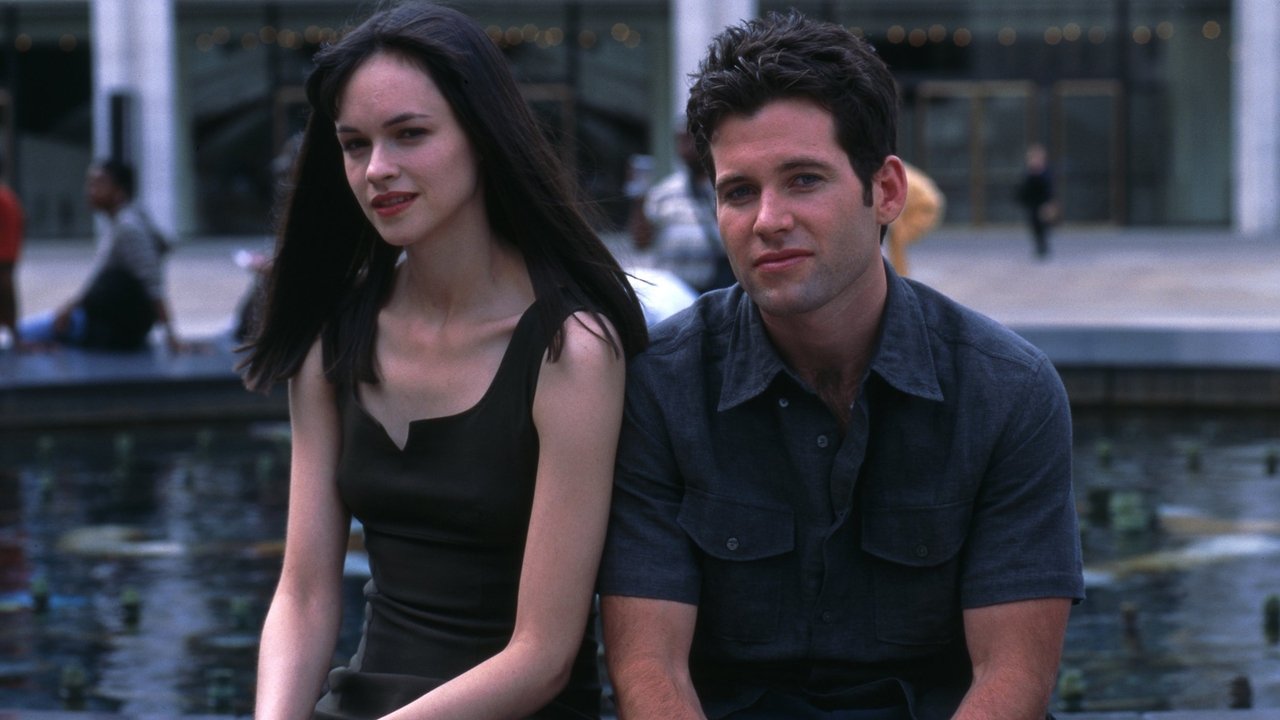
What strikes me most, revisiting Center Stage, isn’t just the dancing (though we’ll get to that). It’s the palpable atmosphere of the fictional American Ballet Academy (ABA). Director Nicholas Hytner, perhaps surprisingly known for more stately fare like The Madness of King George (1994), captures something vital about that environment: the relentless pressure, the quiet rivalries simmering beneath polite pliés, the sheer physical and emotional toll extracted in pursuit of perfection. It’s a world where a slightly “wrong” foot arch or a few extra pounds can feel like the end of everything. Doesn't that intense focus on external validation, the constant measurement against peers, echo anxieties far beyond the dance studio?
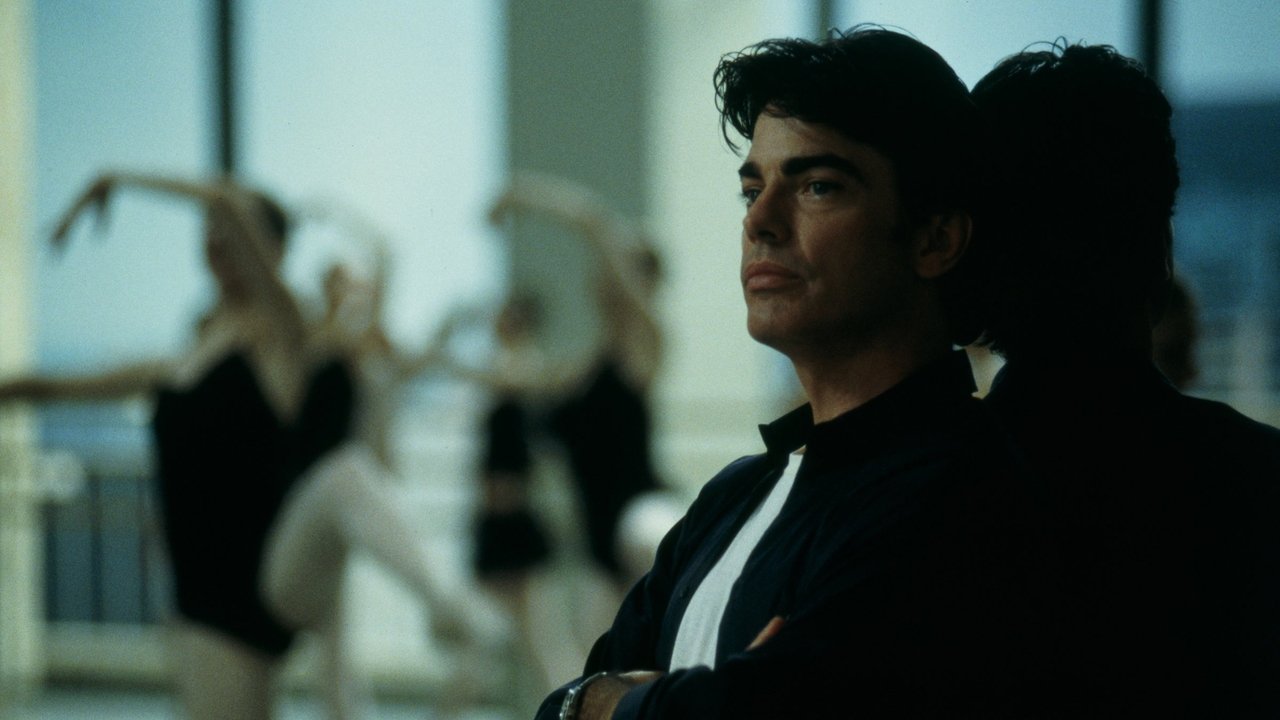
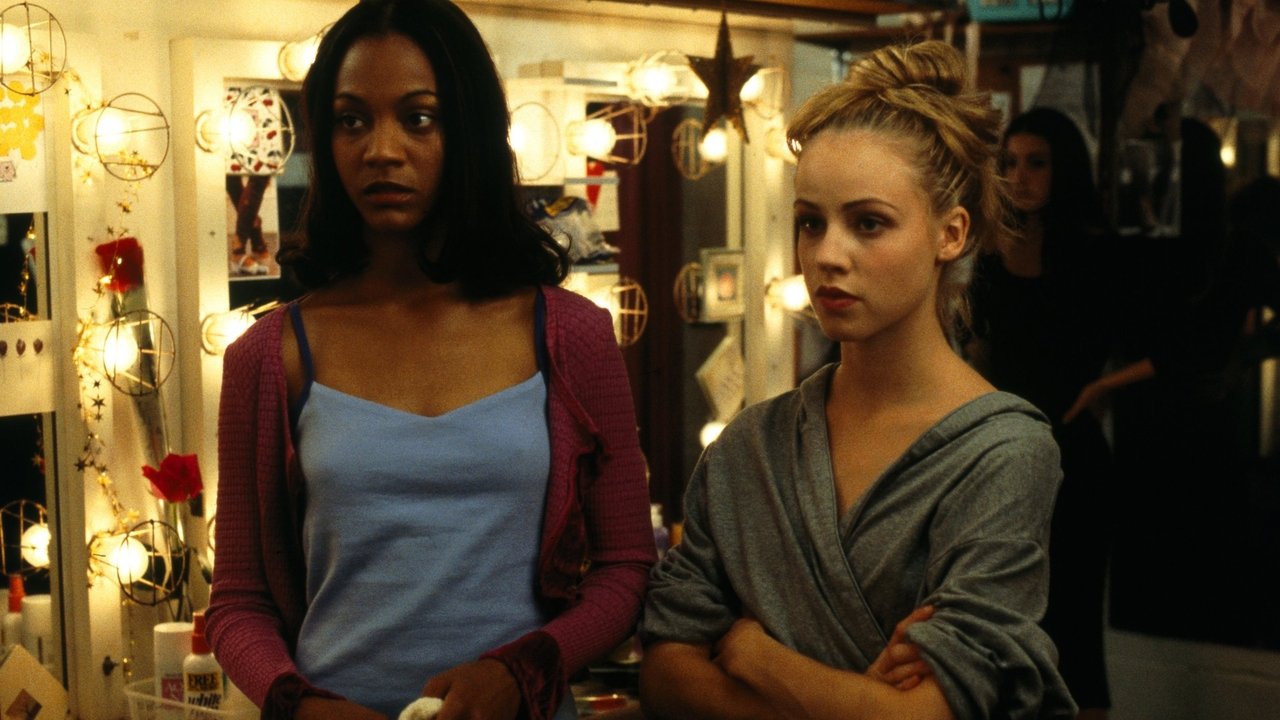
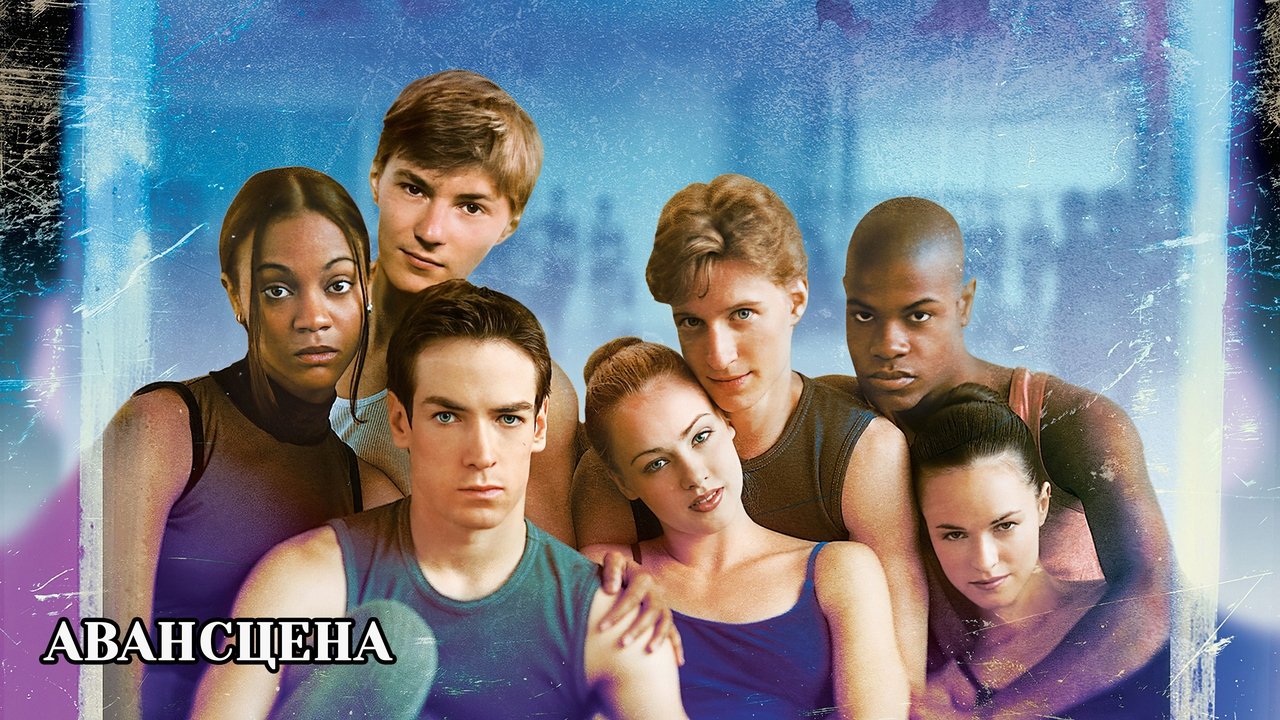
The story follows a group of young dancers during their pivotal year at ABA, vying for a coveted spot in the professional company. We have Jody Sawyer (Amanda Schull), technically gifted but deemed to have the "wrong body type" and "bad feet" by the stern artistic director Jonathan Reeves (Peter Gallagher, perfecting his brand of authoritative charm). There’s the fiery Eva Rodriguez (Zoë Saldaña in a vibrant early role), brimming with natural talent but hampered by a defiant attitude. And Maureen (Susan May Pratt), the seemingly perfect bunhead hiding a devastating secret about her passion, or lack thereof. Their journeys intertwine, clash, and ultimately lead them to question what success in this demanding world truly means.
### Dancers Playing Dancers: A Stroke of Genius
One of the film's smartest moves, and something that lends it an undeniable authenticity, was casting real, high-level dancers in key roles. Amanda Schull was an apprentice with the San Francisco Ballet at the time, and Ethan Stiefel, playing the magnetic, motorcycle-riding star choreographer Cooper Nielson, was a principal dancer with the American Ballet Theatre (ABT). This wasn't just stunt casting; it meant the dance sequences, particularly the rigorous classroom scenes and the climactic final performance, possess a technical brilliance and physical credibility often missing in dance films relying solely on actors and doubles. You believe these are elite athletes pushing their bodies to the limit because, well, they are. Stiefel’s presence, in particular, adds a layer of rockstar cool to the ballet world – he wasn't just playing a dance god; in the real world of ballet, he pretty much was one. This real-world pedigree makes Cooper’s innovative, sometimes controversial choreography within the film feel genuinely exciting.
Zoë Saldaña, though not primarily a ballet dancer, brought her own dance background and an electrifying screen presence that hinted at the major star she would become in films like Avatar (2009) and Guardians of the Galaxy (2014). Her Eva is all spitfire and vulnerability, a perfect counterpoint to Schull’s more reserved Jody. And Susan May Pratt nails the quiet desperation of Maureen, a character whose arc involving bulimia was handled with a level of seriousness somewhat surprising for what could have been a frothy teen drama.
### That Soundtrack, Though!
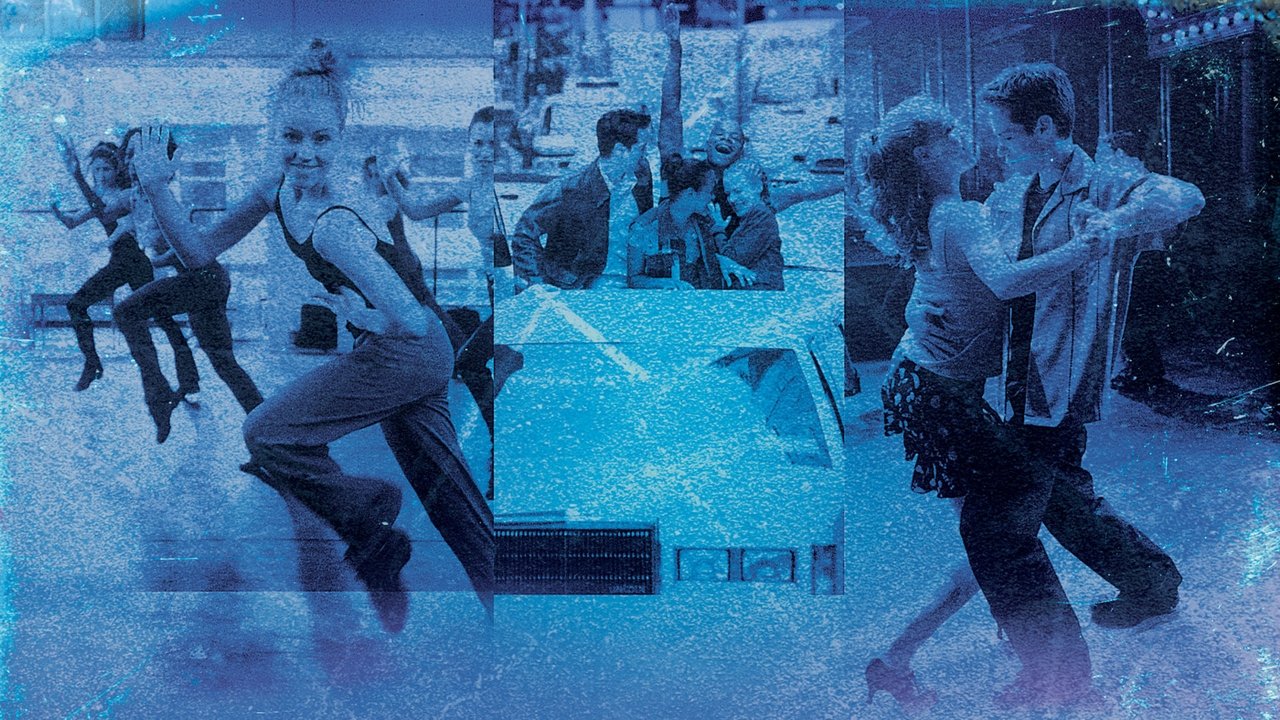
Let's be honest, can you even think about Center Stage without hearing Mandy Moore's "I Wanna Be With You" or Jamiroquai's "Canned Heat"? The soundtrack was a masterstroke, seamlessly blending Tchaikovsky and Prokofiev with infectious pop and funk. Cooper Nielson’s climactic rock ballet, set to Michael Jackson and Red Hot Chili Peppers, felt genuinely revolutionary within the film's context. It perfectly encapsulated the movie’s central theme: respecting tradition while daring to break the mold. I vividly remember watching this on a rented VHS tape, volume cranked up on our chunky CRT TV, feeling like that fusion of high art and pop culture was the coolest thing imaginable. It tapped into that turn-of-the-millennium energy where anything felt possible. Reportedly, choreographer Christopher Wheeldon, then a rising star himself (and now a huge name in ballet and Broadway), worked closely with Hytner to craft dance sequences that felt both classically grounded and thrillingly contemporary.
### More Than Just Escapism?
Sure, the plot hits some familiar beats – the demanding mentor, the rivalries, the romantic entanglements (Jody torn between the charming Cooper and the nice-guy fellow student Charlie, played by Sascha Radetsky, another actual ABT dancer). The dialogue occasionally dips into earnest cliché ("I'm not dancing for them anymore. I'm dancing for me!"). But beneath the surface, Center Stage touches on genuine struggles: body image issues, the sacrifice required for artistic pursuit, the courage to define success on your own terms, and the question of whether passion can be forced. Eva's storyline, fighting against ingrained biases about her background and attitude, feels particularly resonant.
The film wasn't a massive box office smash – earning about $26 million worldwide against a $29 million budget – but it found its devoted audience on home video and television, becoming a beloved cult classic, especially among dancers and dance enthusiasts. It even spawned a couple of direct-to-video sequels (Center Stage: Turn It Up (2008) and Center Stage: On Pointe (2016)), though neither captured the magic of the original.
Rating: 7/10
Why a 7? Center Stage earns its points for its fantastic, authentic dance sequences, a killer soundtrack that perfectly bridges classical and pop, and sincere performances from its young cast (especially the dancers playing dancers). It captures the unique pressures of the ballet world with surprising effectiveness. It loses a few points for a script that sometimes relies on familiar tropes and dialogue that can feel a bit on-the-nose. However, its charm, energy, and genuine heart more than compensate, making it a highly rewatchable gem from the Y2K era.
It leaves you thinking not just about the beauty of ballet, but about the courage it takes to chase any dream, especially when the path demands so much and offers so few guarantees. What truly defines success when the applause fades? Center Stage doesn't offer easy answers, but it sure makes the questioning look spectacular.