Doraemon: Nobita's Great Adventure in the South Seas
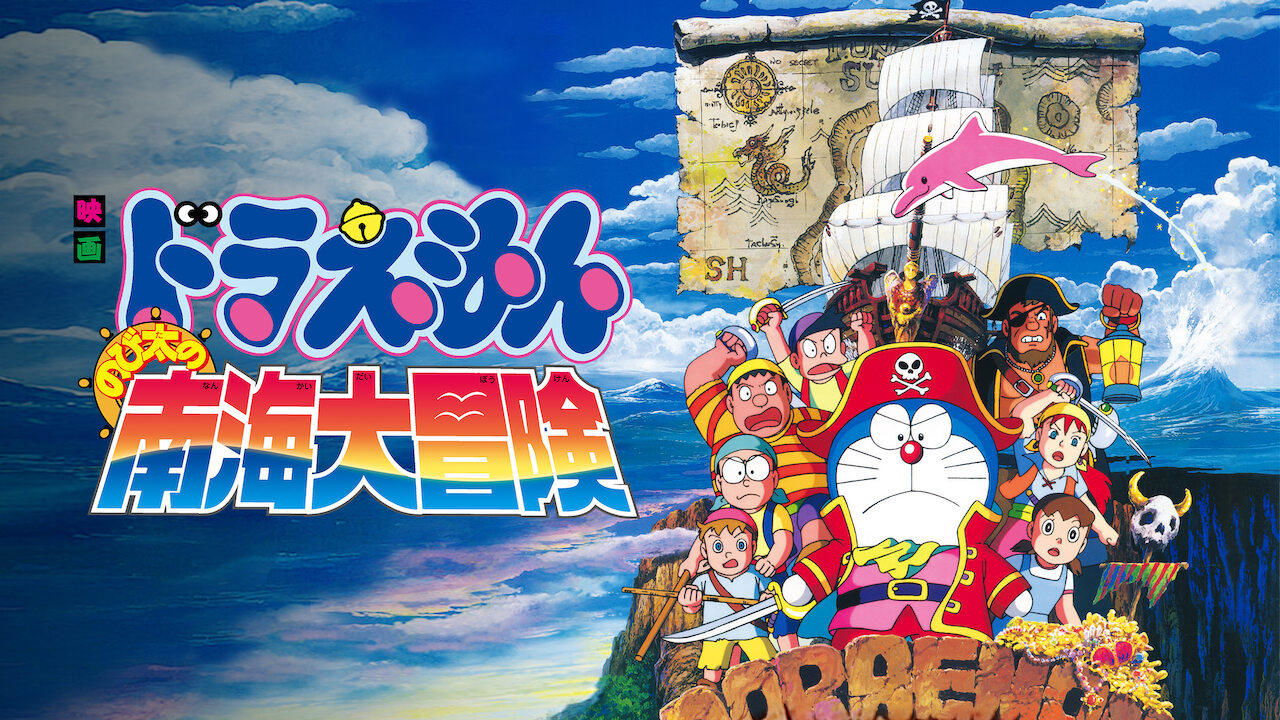
Ahoy, fellow travellers through time and acetate! While Hollywood blockbusters dominated the flickering CRT screens of our youth, sometimes a different kind of adventure washed ashore, perhaps on a fuzzy cable channel broadcast or a treasured import tape. Today, we're setting sail for 1998 with a beloved figure from Japan, the blue robotic cat from the future, in Doraemon: Nobita's Great Adventure in the South Seas (Doraemon: Nobita no Nankai Daibōken). For many, Doraemon himself is a nostalgic icon, even if his feature films weren't always video store staples here in the West. This particular outing plunges Nobita and the gang into a thrilling tale of pirates, treasure, and, naturally, fantastical gadgets.
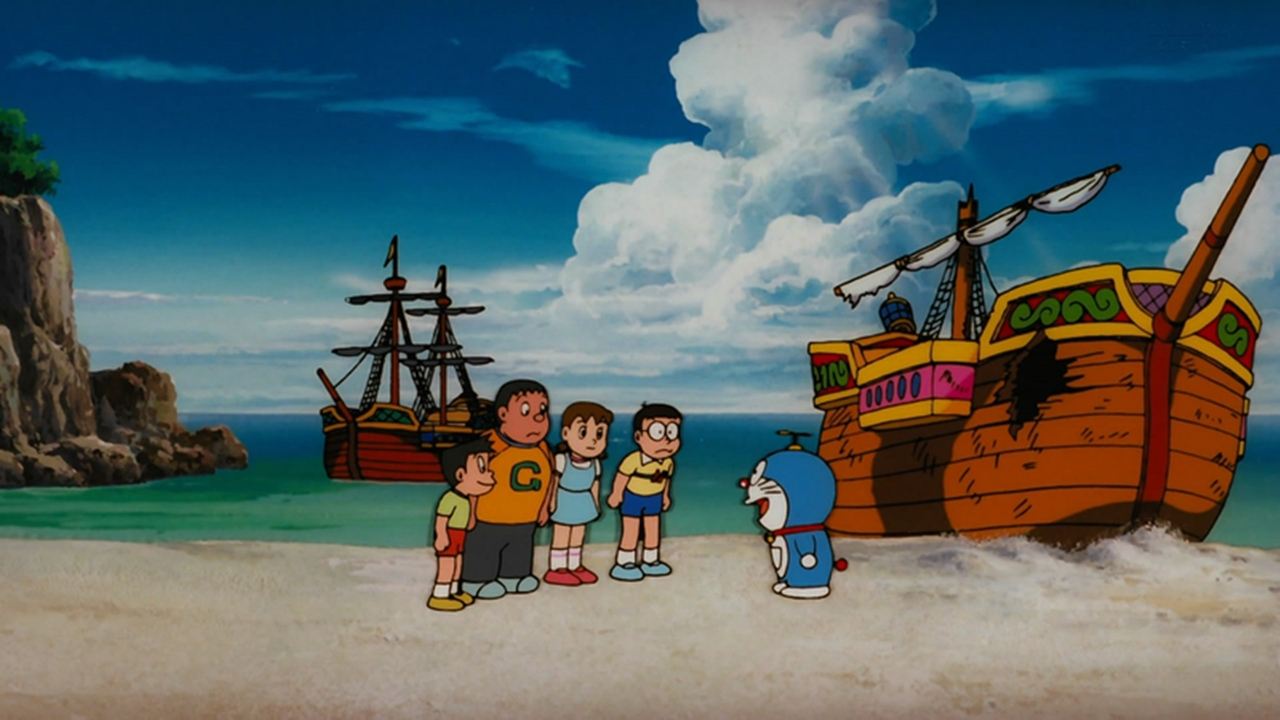
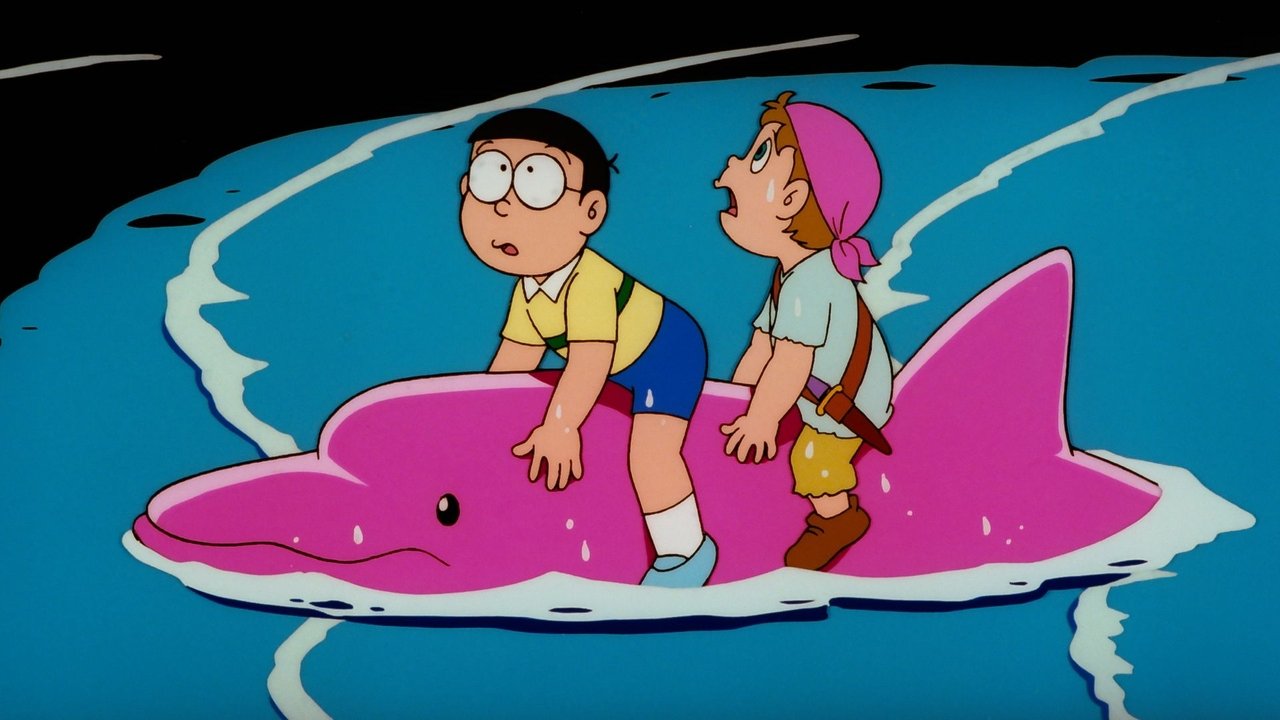
Directed by Tsutomu Shibayama, a veteran hand who guided many of Doraemon's cinematic journeys, and penned by Nobuaki Kishima based on the original manga concepts by the legendary Fujiko F. Fujio, this film arrived as the 19th theatrical instalment in the seemingly endless Doraemon saga. That number alone speaks volumes about the enduring appeal of this franchise in its homeland! The premise kicks off in classic Nobita style: inspired by reading Robert Louis Stevenson's Treasure Island, Nobita (Noriko Ohara) dreams of finding his own pirate treasure, much to the exasperation (and eventual assistance) of Doraemon (Nobuyo Ôyama). Before you can say "Anywhere Door," a reality-simulating sea is created, leading them – along with Shizuka (Michiko Nomura), Gian, and Suneo – on an actual voyage into the 17th century Caribbean, complete with real pirates and mysterious sea monsters.
Sailing the Anime Seas
What immediately strikes you watching this now is the sheer, unadulterated fun of it all. The film blends the familiar comfort of the Doraemon formula – Nobita’s initial laziness or overenthusiasm sparking chaos, Doraemon’s exasperated retrieval of just the right gadget from his fourth-dimensional pocket, the unwavering loyalty of the friend group – with the genuine excitement of a swashbuckling pirate adventure. It leans heavily into its Treasure Island inspiration, not just in theme but in specific plot beats, reimagining classic tropes through the unique lens of Doraemon's futuristic technology. Seeing gadgets like the "Adaptation Light" used to survive underwater or the "Anywhere Door" popping up on a pirate ship deck never fails to bring a smile.
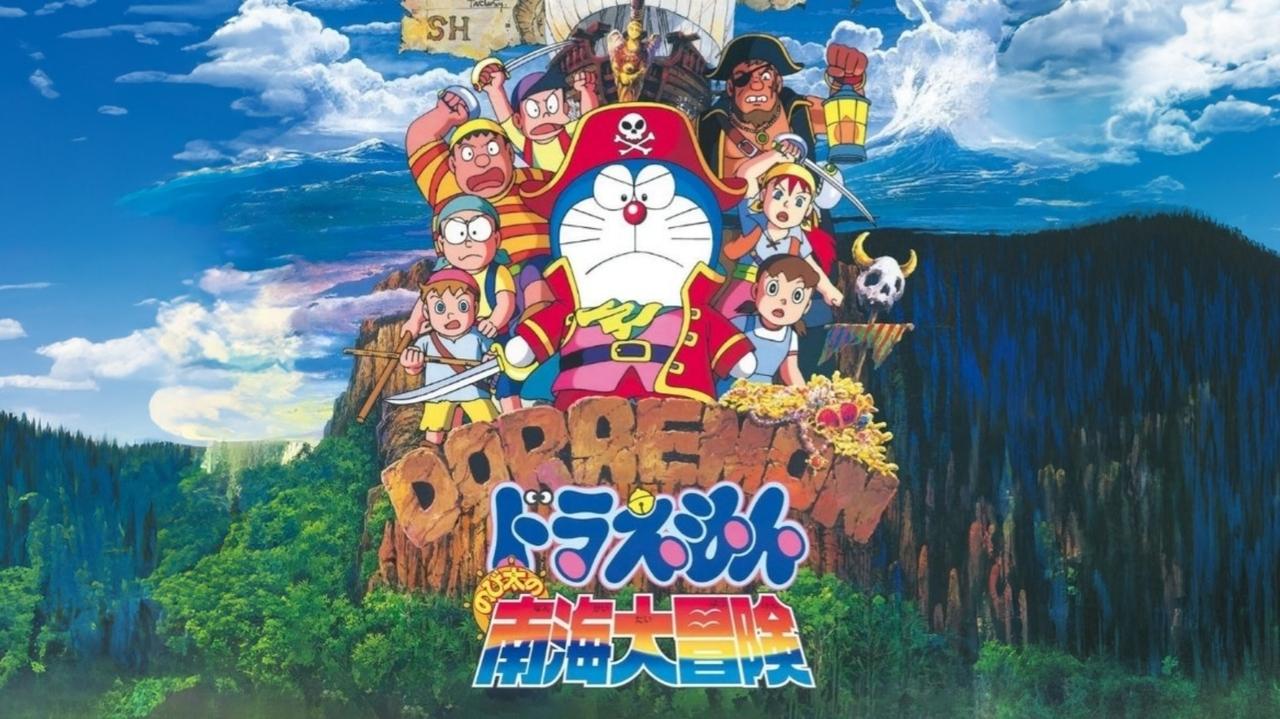
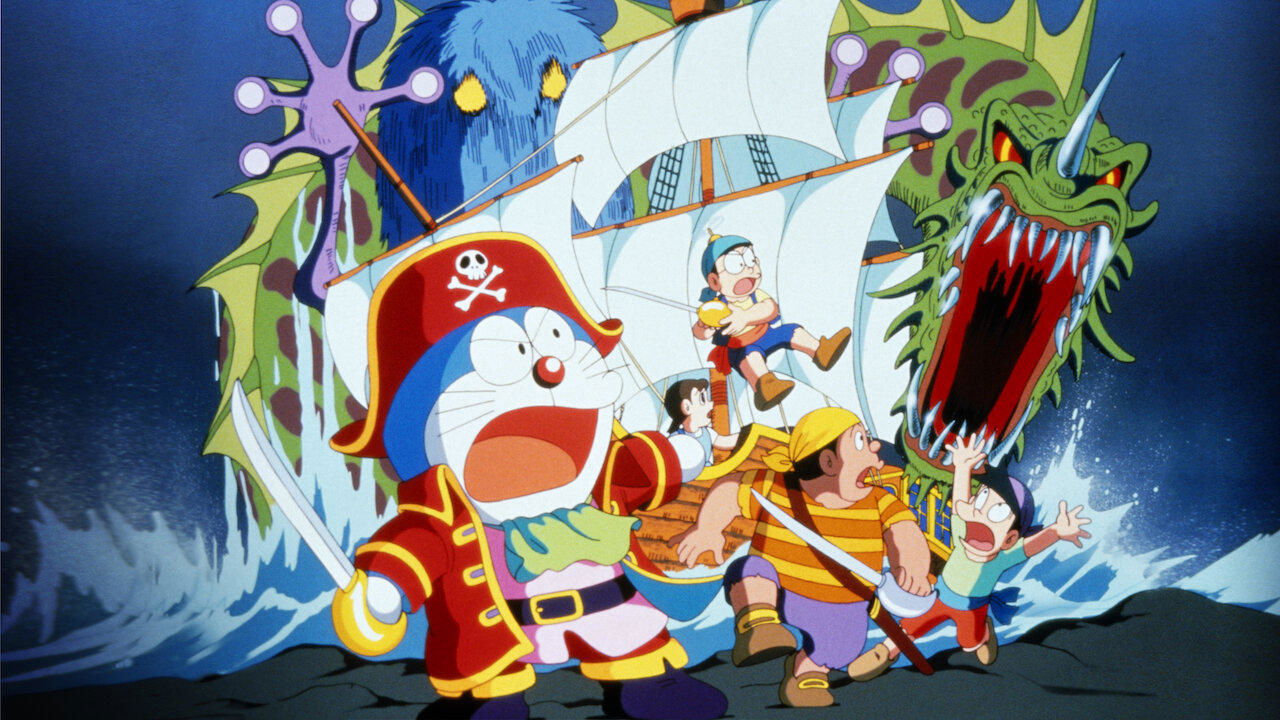
The animation, typical of late 90s feature anime, is vibrant and expressive. While perhaps not reaching the dizzying budgets of some other theatrical anime giants of the era, Tsutomu Shibayama and his team deliver dynamic action sequences, particularly during ship battles and encounters with the film's unique bio-engineered sea creatures. There's a warmth and solidity to the cel animation that feels wonderfully nostalgic now, a far cry from the slick digital look of modern productions. It captures the energy and charm of Fujiko F. Fujio's original character designs perfectly, brought to life by the iconic voice cast led by the legendary Nobuyo Ôyama, whose portrayal of Doraemon defined the character for generations.
Retro Fun Facts & Hidden Treasure
- Franchise Powerhouse: As the 19th film, Great Adventure in the South Seas continued Doraemon's reign at the Japanese box office, becoming one of the highest-grossing domestic films of 1998 there. These movies were major annual events!
- Literary Roots: The connection to Treasure Island is explicit, with Nobita even reading the book at the start. The film introduces characters and situations clearly echoing Stevenson’s classic, including a young boy named Jack who mirrors Jim Hawkins and a complex antagonist reminiscent of Long John Silver.
- Gadget Showcase: Beyond the regulars, this film features unique gadgets tailored to the adventure, like the "Reality Simulation Ocean" that kicks things off and various tools for naval exploration and survival. Part of the fun was always seeing what Doraemon would pull out next!
- Theme Song Power: Like many Doraemon films, this one boasts a memorable theme song, "Doraemon no Uta" by Yoshikawa Hinano, and an ending theme, "Hot Milk" by Yoshikawa Hinano, adding to the film's cheerful energy. These songs often became hits in Japan.
- A Classic Era: This film features the original, long-running voice cast (Nobuyo Ôyama, Noriko Ohara, Michiko Nomura, etc.) who voiced the main characters from 1979 until 2005. For many fans, their voices are Doraemon, Nobita, and Shizuka, making films from this period particularly cherished.
More Than Just Gadgets and Gags
While packed with adventure and humour, the film doesn't shy away from the classic Doraemon themes of friendship, courage, and even a touch of ethical consideration regarding the bio-engineered creatures central to the plot. Nobita, often portrayed as lazy and cowardly, gets ample opportunity to step up and show bravery, a recurring and heartwarming arc in the series. The bond between the five friends remains the emotional core, their unwavering support for each other driving the narrative forward even when facing down cannonballs or sea monsters.
It captures that specific blend of sci-fi whimsy and heartfelt adventure that made Doraemon a cultural phenomenon. Watching it feels like revisiting an old friend, even if that friend happens to be a blue robot cat with a pocket dimension. It’s a reminder of a time when animated features, especially from Japan, offered grand, imaginative voyages that felt boundless on our television screens. Did anyone else ever daydream about having Doraemon’s pocket after seeing one of these adventures?
Final Voyage: Rating and Reflection
Doraemon: Nobita's Great Adventure in the South Seas is a delightful slice of late 90s anime adventure filmmaking. It expertly blends its source material's charm with a rip-roaring pirate story, buoyed by classic characters, inventive gadgets, and colourful animation. While perhaps less groundbreaking than some other anime features of the era, its warmth, humour, and sheer sense of fun are infectious. It perfectly encapsulates the spirit of the Doraemon franchise during its classic run.
Rating: 8/10
This score reflects the film's success in delivering a highly entertaining, well-paced adventure true to the beloved characters and world. It's a strong entry in the long-running series, boasting solid animation for its time, a fun premise leveraging classic literature, and that undeniable Doraemon charm. It might not be high art, but it's pure, nostalgic comfort food for the anime fan's soul.
For those who grew up with Doraemon, it’s a welcome trip down memory lane. For others, it’s a wonderful example of the kind of imaginative, globe-trotting (and time-hopping!) adventures that lit up screens big and small back in the day – a treasure worth rediscovering from the vast ocean of 90s animation.